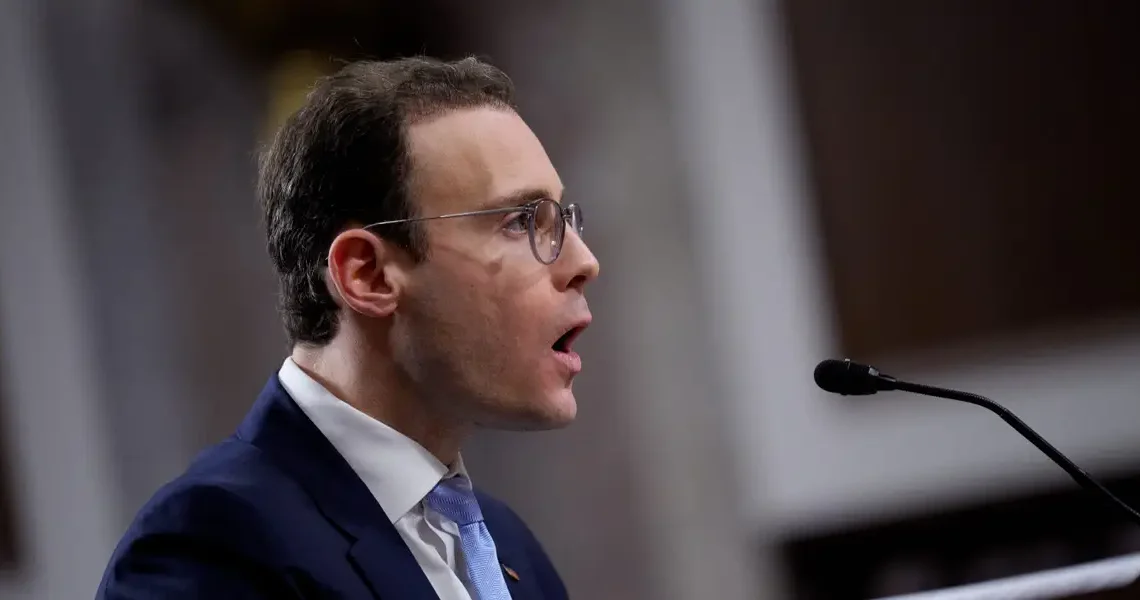
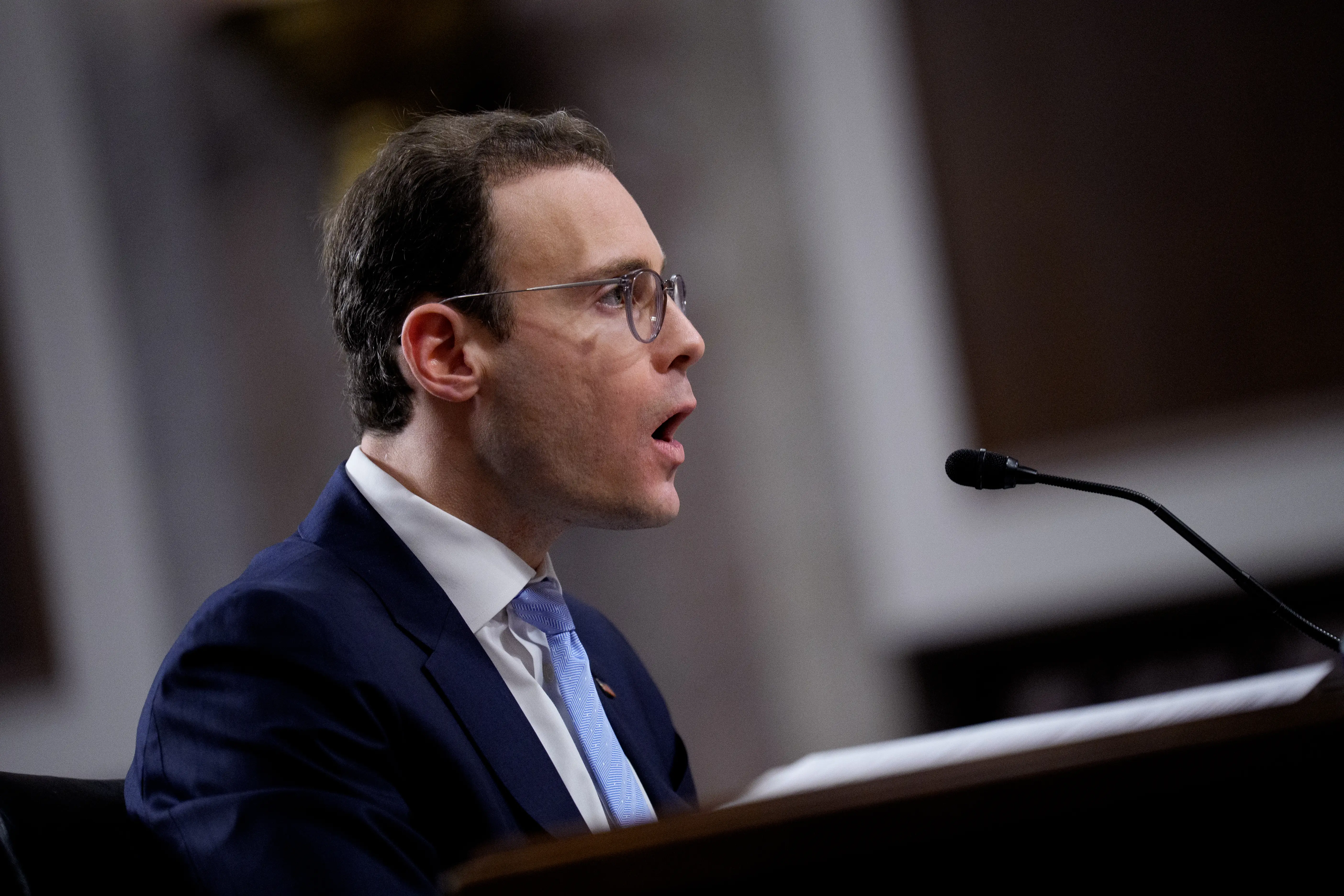
The chairman of the Commodity Futures Trading Commission on Thursday said the agency will rescind its warnings to prediction-market operators — and threatened to fight with state regulators that are trying to stop them.
Michael Selig said the commission would yank a 2025 memo issued by three senior CFTC staffers advising prediction markets to have back-up plans if courts scuttled their sports contracts.
The memo, he said, “contributed to uncertainty in our markets.”
He also said he was scrapping a previous rulemaking effort that would have limited prediction markets and is starting over — a process that could take years.
“For too long, the CFTC’s existing framework has proven difficult to apply and has failed our market participants,” he said Thursday, in his first public remarks since taking the reins at the key federal finance regulator. “That is something I intend to fix by establishing clear standards for event contracts that provide certainty to market participants.”
“Event contracts” is a term to describe the instruments that people trade on prediction markets.
He also hinted that the CFTC could intervene in lawsuits where Kalshi and other prediction markets, like the one operated by Crypto.com, are fighting with state regulators. Some state gambling commissions and attorneys general have accused prediction markets of overstepping their authority by offering contracts on events like football games and the winner of the PGA Tour’s Farmers Insurance Open.
“The platforms haven’t had any legal cover from the agency,” said Dan Wallach, a gaming industry lawyer who has followed prediction-markets litigation. “That will now change.”
The Coalition for Prediction Markets zoomed in on Selig’s reference to asserting its jurisdiction in court. “We welcome the participation of the Commission in matters where that jurisdiction is under attack,” the group said in a post on X.
Major challenges to prediction markets’ ability to allow sports betting are ongoing in courts covering New Jersey, Nevada, and Maryland. Regulators and courts in those and other states, including Massachusetts, have expressed concern that prediction markets allow users as young as 18 to gamble without the stricter regulatory regimes that states impose on sportsbooks and traditional gaming companies.
The New York Attorney General, among other parties, has explicitly invoked the now-retracted CFTC advisory that warned about the unsettled status of sports prediction markets in their legal filings.
Selig’s tone marked a turn from his confirmation hearing in November, when he repeatedly deferred to the courts when he was asked by senators if he felt that wagering on sports was a permitted use for event contract markets.
David Aron, an attorney at Lowenstein Sandler who previously worked at the commodities regulator, told Business Insider that Selig’s approach appears to be “more intrepid,” particularly when it comes to ending the CFTC’s longstanding silence in ongoing litigation about whether states have any authority over sports-related events contracts.
Selig’s remarks are the latest example of the Trump administration’s friendly approach to prediction markets.
Last year, the CFTC dropped a lawsuit against Kalshi. Supporters of President Donald Trump also praised prediction markets as a more reliable alternative to polls when they showed the then-candidate as a likely victor over Kamala Harris. Donald Trump Jr. has advised or invested in both Kalshi and its competitor Polymarket.
Representatives for Kalshi declined to comment, and Polymarket didn’t respond to a request for comment.
Have a tip? Know more? Reach Jack Newsham via email ([email protected]) or via Signal (+1-314-971-1627). Use a personal email address, a nonwork device, and nonwork WiFi; here’s our guide to sharing information securely.
Bryan Metzger contributed reporting.
Read the original article on Business Insider
The post The sole federal regulator over prediction markets says it’s easing off appeared first on Business Insider.