
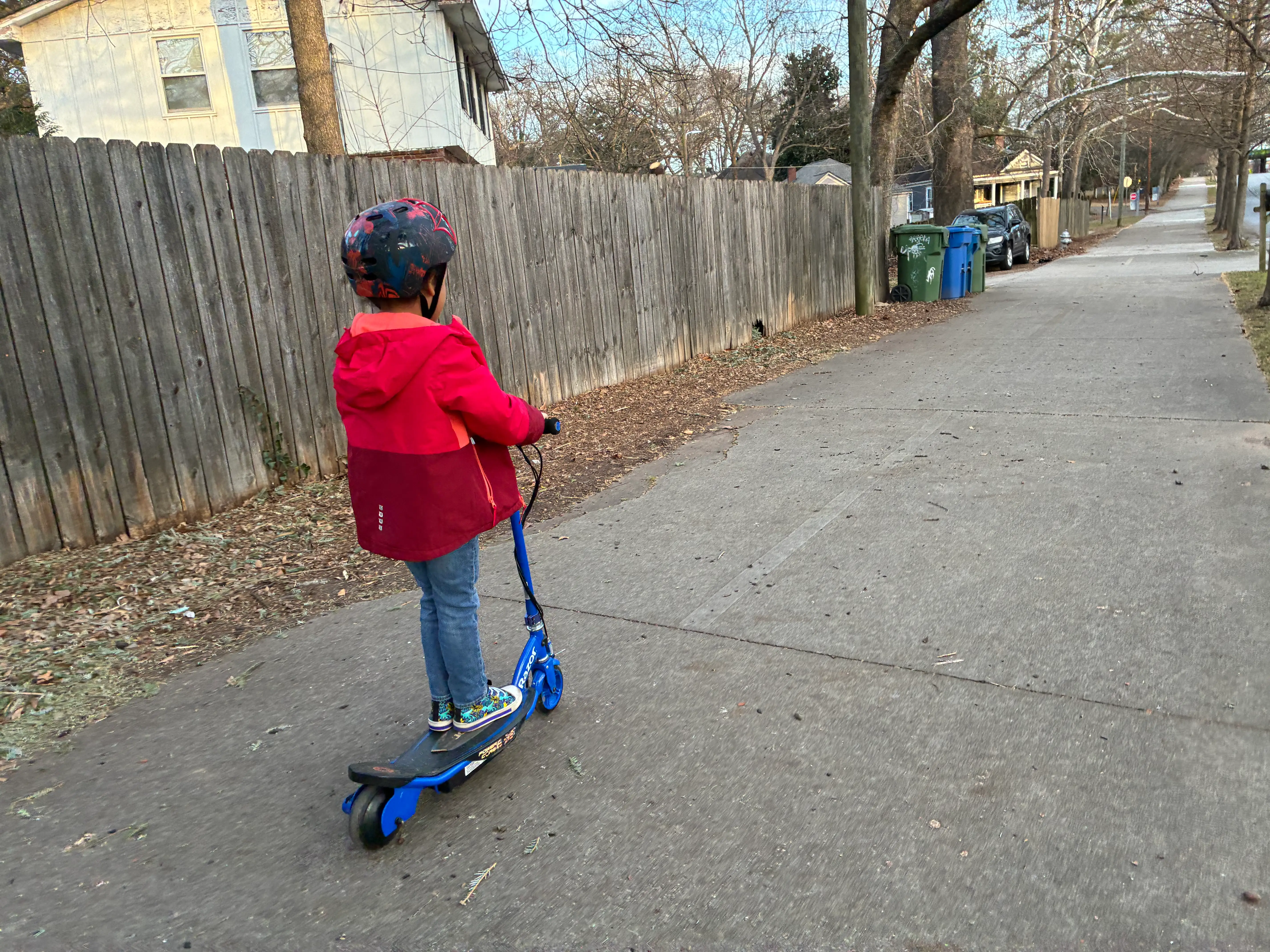
Mallerie Shirley and her husband, Christopher Pleasants, were pleased when their 6-year-old son asked if he could go to a nearby park on his electric scooter, as he’d done before.
It was November 4, 2025, and he was off from school for Election Day. The parents, who live in Atlanta, thought it was great that he was getting some air and meeting friends at a fundraiser benefiting animals in the playground.
They were both busy working at home; the boy was a confident child, the weather was good, and it was a safe neighborhood.
He spent just under an hour at the playground, then, wearing a helmet, made the about 4-minute journey back home on the path — part of a 22-mile urban pedestrian, cycling, and e-scooter trail called the Atlanta Beltline.
Then, he was stopped by a stranger in a car.
Shirley said she could see the pathway from her house
The first grader later told his parents that the person in the car asked where they were, his name, his age, and whether he lived nearby. He didn’t tell her and sped home.
Shirley, a software engineering manager, said he seemed shaken when he arrived.
“He was very upset because he’s used to being independent,” she told Business Insider. “We’ve always encouraged him to be self-sufficient.”
The 39-year-old said his level of freedom aligned with his advanced maturity she’d witnessed for a child his age. She trusted him to ride about 0.3 miles on the Beltline, which they could see from their house.
“We know our son better than anyone and were OK with him going such a short distance on a path full of people walking and cycling,” Shirley, first interviewed by the media outlet Reason, said.
She said he had made the journey at least twice since September, when they first allowed him to do so.
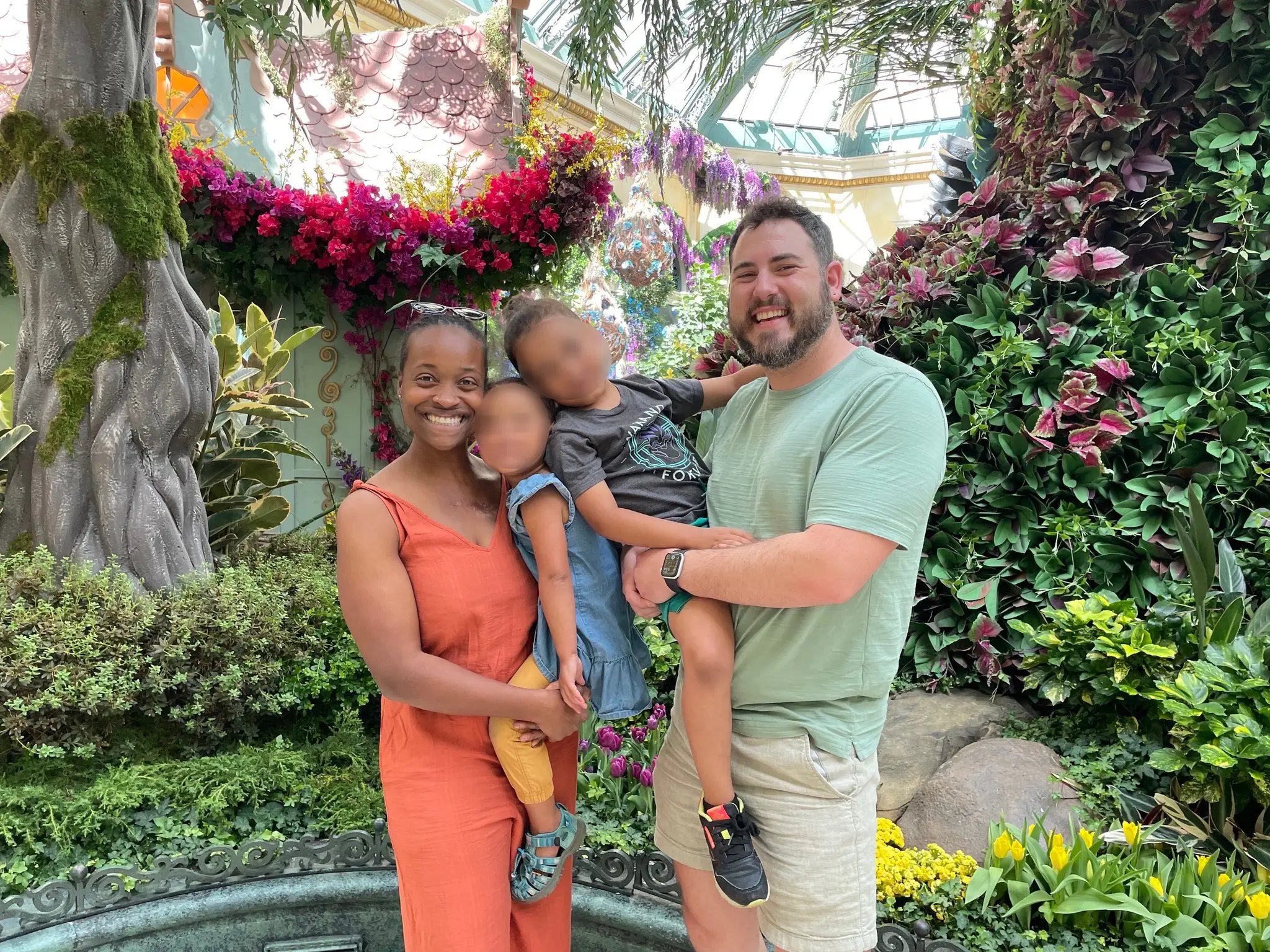
The family put the incident with the stranger behind them. Two days later, while Shirley was out, Pleasants, 38, answered the door to a child welfare worker.
The Division of Family and Children’s Services (DFCS) had received a report that his son was seen on his scooter unsupervised, and it was a regular occurrence.
A spokesperson for the DFCS in Georgia told Business Insider the agency was “bound by both state and federal law to protect the privacy of the people we serve. As such, we are unable to comment on the specifics of any reported abuse or neglect cases.”
They added, “We take seriously every report that might be made to the agency and work with law enforcement when appropriate to ensure the safety of Georgia’s children.”
Pleasants, an AI research manager, said that the investigator who visited the house said the authorities would consider the boy too young to go to the park alone and would classify the situation as “inadequate supervision” because “anything could happen.”
The shocked father said he responded that his son was independent and mature enough to make the journey.
The parents said they reluctantly signed a “safety plan.”
Pleasants let the case worker into their home, where she took photographs, including the contents of the refrigerator and the bedrooms of their son and 3-year-old daughter.
The parents later heard from teachers that a caseworker had interviewed the boy at his school and had also dropped in on his sister at day care that same day.
There was a sequence of frantic phone calls between Pleasants, Shirley, and the worker that afternoon. It ended with the parents — reluctantly, they say — signing a “safety plan,” which said that the children would be supervised at all times.
“We thought things would be even worse if we didn’t comply,” Shirley said. They were told that the investigation into their case was ongoing and that there was no prospective date for lifting the safety plan.
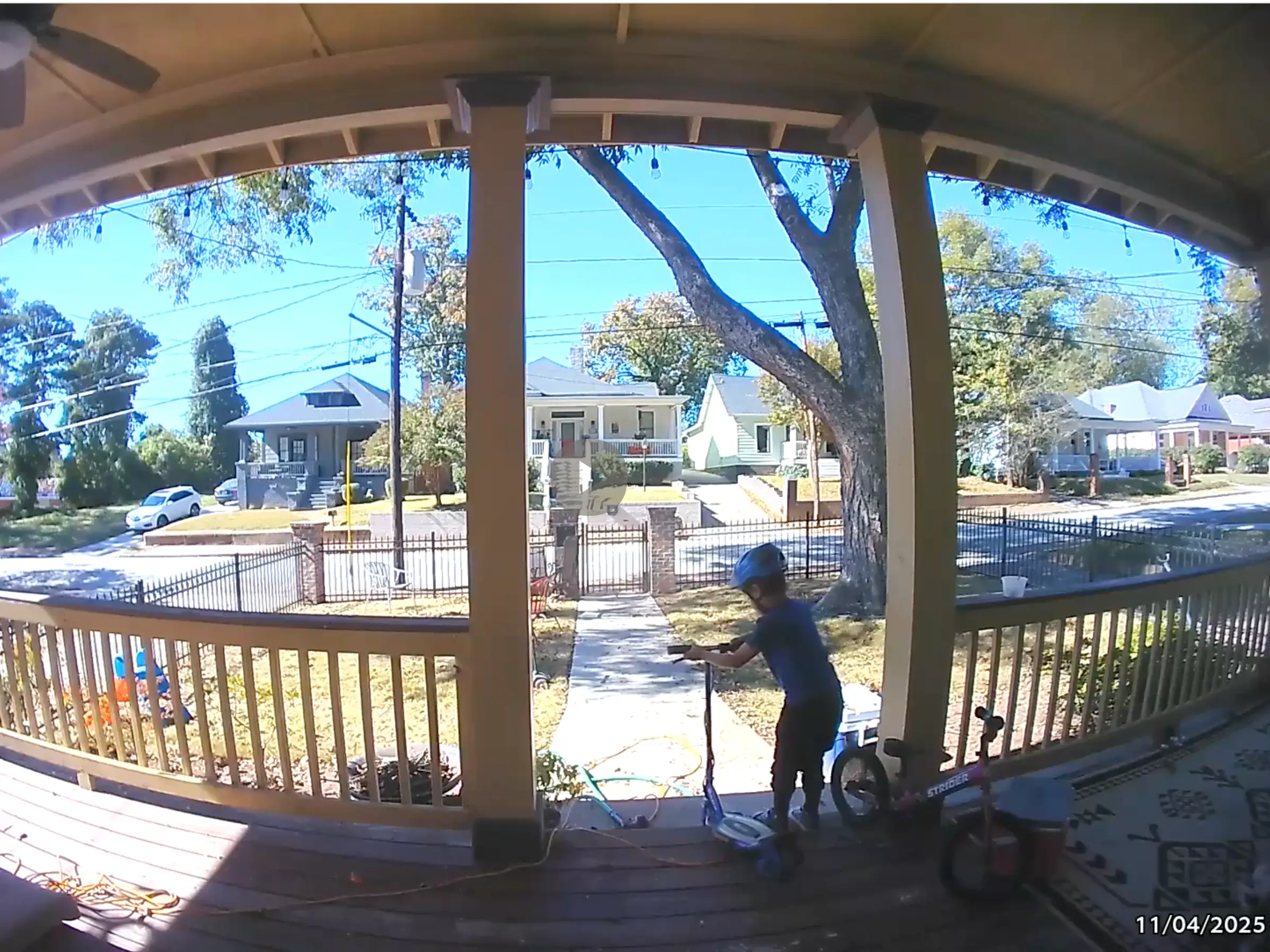
The couple immediately prohibited their son from playing outside their home or cycling to his friends’ houses. They were terrified that someone else would file a report against them if they did. “He got stir-crazy, but we didn’t tell him what was going on in case it worried him,” Shirley said.
She said she and her husband are “data-driven people” who established that child kidnapping by strangers was extremely rare, compared to abductions by people whom a child knows.
They researched their parental rights. They knew about a bill passed in Georgia in May 2025 that protected parents’ rights to give their children independence, and they examined the legislation more closely.
Shirley and Pleasants thought the DFCS would have no grounds to call them “neglectful.”
The Reasonable Childhood Independence Law revised the definition of neglect to put a child in “real, significant, and imminent risk of harm that would be so obvious…that a legal custodian acting reasonably would not have exposed the child to the risk of imminent harm.”
It also ruled that “independent activity…shall include, but shall not be limited to, playing indoors or outdoors alone, or with other children, walking to school, running errands, or traveling to local commercial or recreational facilities.”
The law — which does not specify the age a child has to have reached — led the couple to believe that DFCS would have no grounds to find them responsible for neglect.
They were wrong.
They opened a letter from the agency on December 30, 2025, almost two months after the incident. It said the authorities had substantiated the finding of neglect “based on the preponderance of evidence.”

“My heart pounding and sinking doesn’t even describe it,” Shirley, who petitioned for an urgent administrative review of the negligence ruling, said. “It was like dropping a bowling ball down an empty well. I experienced true anxiety for the first time in my life and haven’t been able to sleep.”
As the case continued into January, the couple contacted attorney David Delugas, founder and executive director of the nonprofit ParentsUSA, which helps families in similar circumstances.
He backed Shirley and Pleasants’s request for the DFCS to expedite the review. He also lodged a complaint with the Office of Child Advocacy.
“Mallerie and Christopher’s children are their children to raise,” the lawyer told Business Insider. “The DFCS used their son’s age alone as though all children in all places in Georgia are similar at that age.”
The pair’s lawyer said their record would not be expunged
“Despite the absence of harm, danger, or neglect, the DFCS determined negligence, using up valuable resources intended for those children who are really at risk,” Delugas told Business Insider.
On January 23, Shirley received an unexpected phone call from a case manager who said the initial finding of negligence was unsubstantiated. It was unclear whether the safety plan had been lifted as a result, but the family wants to know when they will receive an official letter, which the case manager said DFCS would send out.
Delugas said that, whatever the letter says, the report on Shirley and Pleasants’ case would not be expunged.
“The accusation of neglect and the investigation, and the pictures taken of their home and the interviews of their children, will not be eliminated from the DSCS system,” DeLugas said. “If there’s a second report of alleged neglect or lack of supervision, the case managers will still consider the family’s record.”
“It’s an ongoing concern that is stopping us from raising our children the way we intended, in giving them freedom and self-reliance,” Shirley said.
Read the original article on Business Insider
The post A 6-year-old spent 4 minutes scootering alone from a local park. Child protection services found his parents ‘neglectful.’ appeared first on Business Insider.