A horse toy in China meant to be a Lunar New Year decoration has turned into a symbol of corporate agony on Chinese social media.
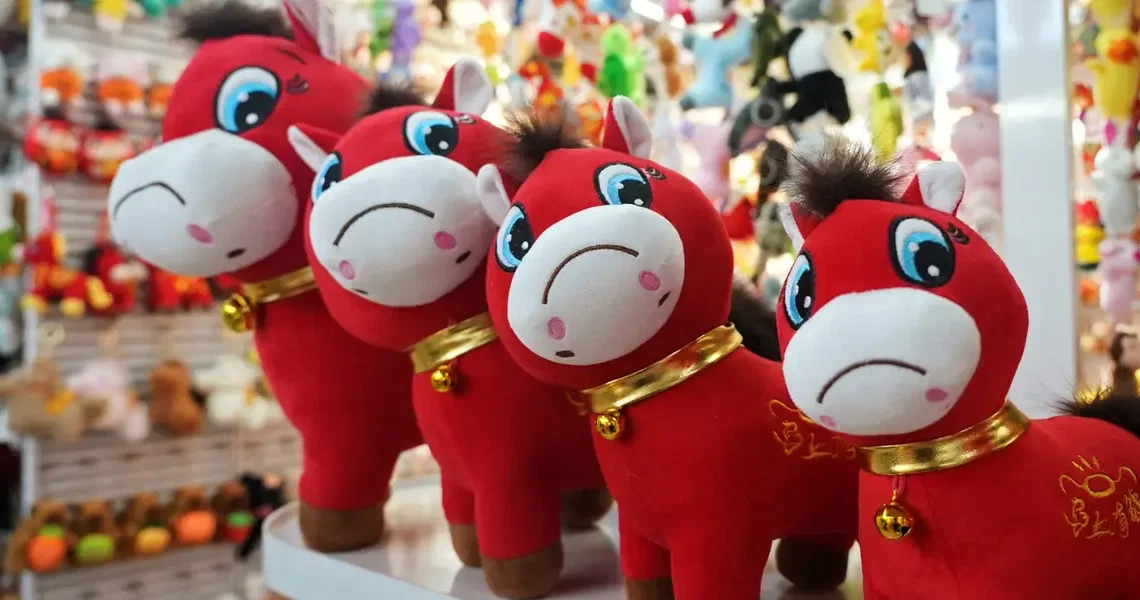
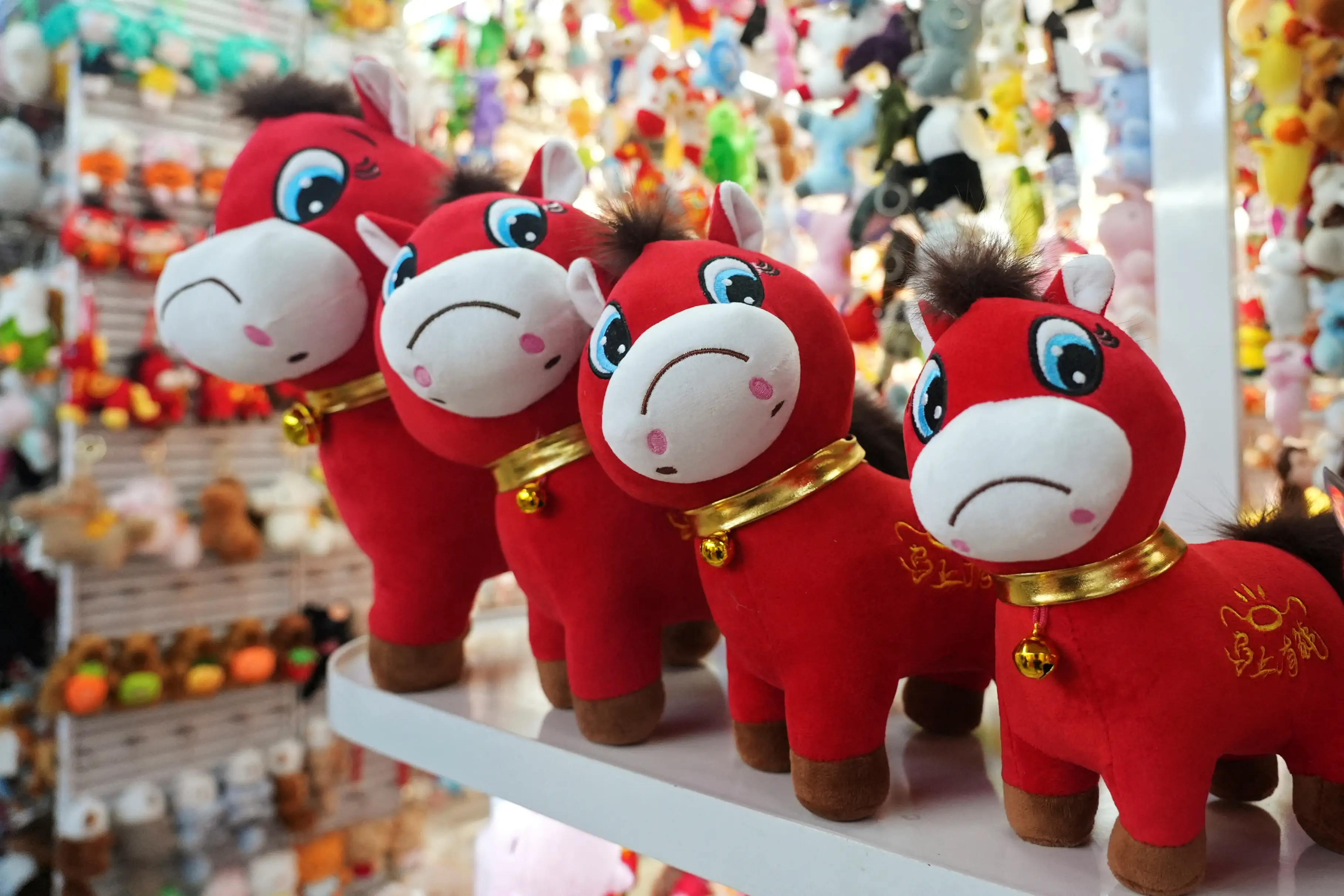
The red horse toy in question, made by the shop Happy Sisters in China’s western Yiwu city, features an upside-down snout, giving it a morose look at odds with its festival golden bell. Per the Chinese zodiac, the incoming year will be the year of the horse.
The seller told local media that a shop worker had accidentally sewn the horse’s smile upside down, turning it into a frown. But after the toy went viral on social media, the shop decided to produce more of the defective toy.
Happy Sisters did not respond to a request for comment from Business Insider.
An icon of corporate doom and gloom
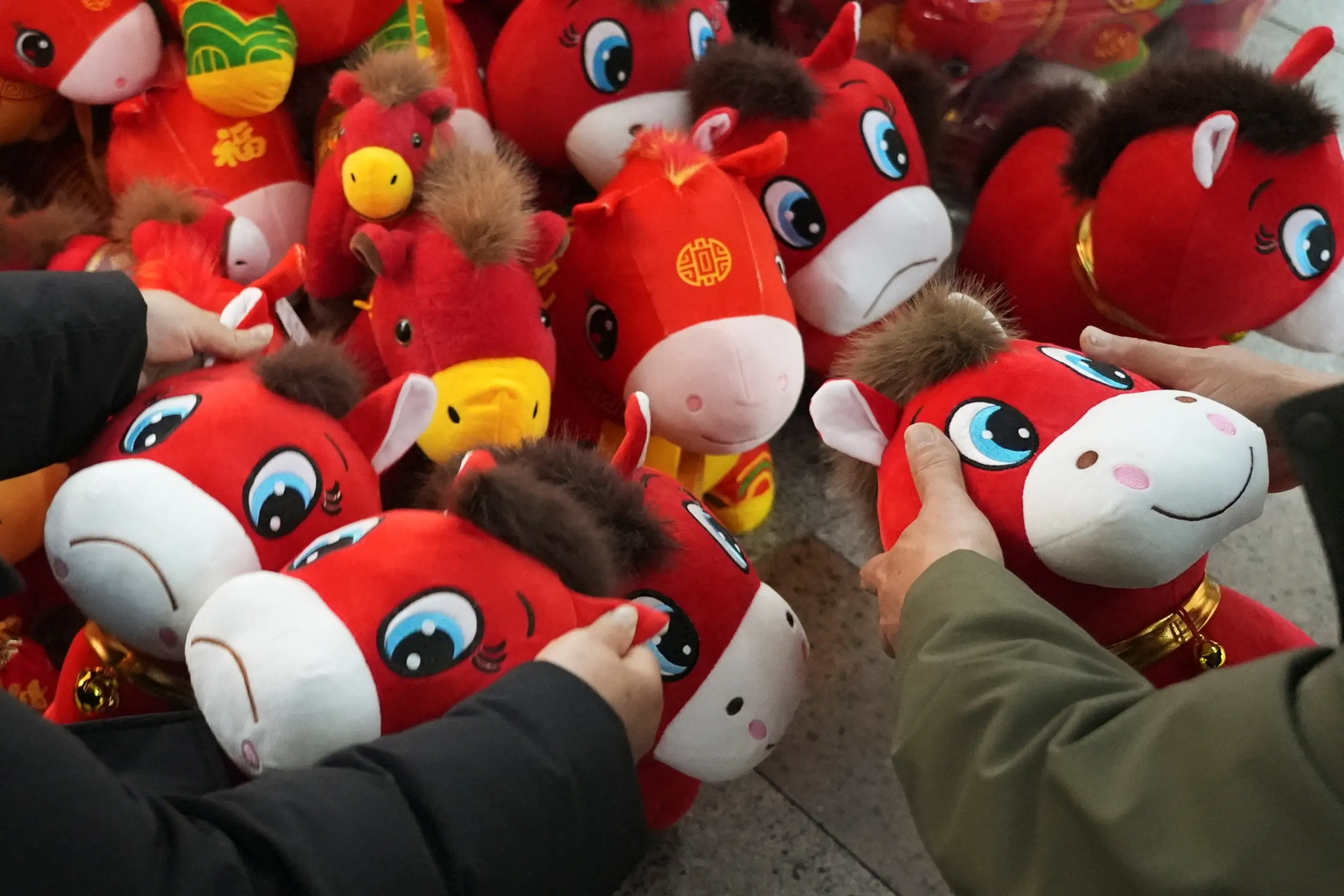
For many Chinese workers, the crying horse came to represent permission to be vulnerable — rare in the country’s high-pressure work culture. China is infamous for its grueling 9-9-6 work culture, which means 9 a.m. to 9 p.m., six days a week.
A user, He Qingshan, wrote on RedNote earlier this month that the doll is “healing in a high-pressure society.”
Priced at about 25 Chinese yuan, or $3.60, its affordability helped it spread quickly online, turning it into a “national-level emo doll” and a form of “collective emotional projection,” they wrote.
Another person on RedNote, Liang Chenxing, said in a post in January that the horse’s “drooping mouth” had “struck a chord with contemporary workers.” The post received more than 1,000 likes.
“Who hasn’t had moments when they want to cry but still have to hold it together?” the user wrote.
On the platform, creators have begun placing the horse beside their office computers, posting photos with captions like: “Me when my proposal gets rejected.”
One RedNote user described keeping it on their desk as having “a little companion that understands all your fatigue and your dreams.”
“It’s okay to cry on the face, but life must always be moving forward!” they wrote.
A smart marketing choice
Mark Tanner, the managing director of Chinese consumer research firm China Skinny, said he wasn’t sure he believed the manufacturing error story, but it was a smart business move nonetheless.
“This has been happening for some years, particularly with movements like lying flat, but it captures a general psyche where many Chinese consumers are feeling less optimistic at the moment,” Tanner said.
Jacob Cooke, the CEO of Beijing-based e-commerce consulting firm WPIC Marketing + Technologies, said that “younger consumers are increasingly comfortable acknowledging stress in light, ironic ways.”
“Consumer products and internet memes can act as outlets for discussing work pressure, especially on platforms like Xiaohongshu, where consumer culture and emotional expression are tightly intertwined,” Cooke said.
He compared the crying horse toy to Chinese toymaker Pop Mart’s “ugly-cute” IPs, Labubu and Crybaby.
And Jason Yu, the managing director of Beijing-based CTR Market Research, said the handmade sewing mistake on the toy resonated with audiences because it did not feel like a “cold assembly-line product.”
“The emotional value the toy conveys is higher than any perfect toy can provide,” Yu said.
Read the original article on Business Insider
The post This viral crying horse plushie has become an iconic symbol for the Chinese white collar worker’s hustle life appeared first on Business Insider.