Psychedelic drugs, after decades of being synonymous with counterculture, are now being seriously studied as medical treatments. Early clinical studies have suggested that psilocybin, a compound derived from “magic mushrooms,” can help treat severe depression. The results were promising enough that the Food and Drug Administration granted the drug breakthrough therapy status; it might grant full approval later this year.
While optimism around psilocybin is warranted, it has fueled interest in other, more dangerous hallucinogenic mushrooms. One of them — amanita muscaria — is now selling widely despite its mounting record of harm and zero proof that it can treat medical conditions.
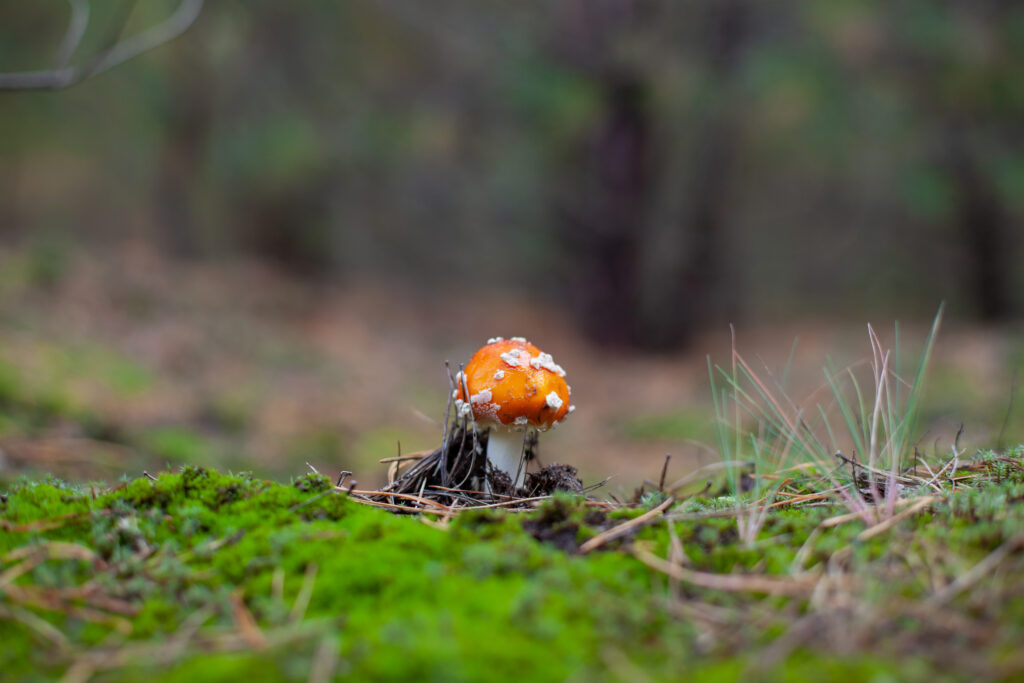
The fungus, also known as the fly agaric, is instantly recognizable by its bright red cap dotted with white spots. Popularized by Alice in Wonderland, the Super Mario franchise and fairy-tale illustrations of gnomes and enchanted forests, it has been associated with hallucinogenic effects for thousands of years.
Unlike psilocybin, which is a federally controlled substance and illegal to sell outside tightly regulated state programs, amanita muscaria and its psychoactive compounds are not scheduled under federal drug law. That regulatory gap has allowed products derived from it to be sold openly with little oversight.
This is especially concerning because the mushrooms can be highly toxic. Users may experience confusion, agitation and dangerous changes to their blood pressure and heart rate. In severe cases, poisoning can result in seizures, coma or death.
Despite those dangers, a fast-growing consumer market has taken hold. Vape shops, convenience stores and a cottage industry of online retainers now sell harvested amanita mushrooms and products containing their main psychoactive compound, muscimol. These products are frequently marketed with sweeping and baseless health claims, from curing anxiety and depression to enhancing creativity, improving sleep and offering a “safe” psychedelic high.
Unsurprisingly, a 2024 study found that Google searches for the mushrooms increased 114 percent in just one year. And a newly-released Rand report estimated that 3.5 million American adults used the drug in 2025.
Eric C. Leas, a public health professor at the University of California at San Diego, believes the surge is partly due to consumers conflating these mushrooms with psilocybin. That confusion is amplified by aggressive marketing and distribution. “A lot of companies are looking for a new edge in the competitive market of loosely regulated psychoactive substances and trying to capitalize on consumers’ interest in mushrooms,” Leas told me.
The misinformation has already produced tragic outcomes. In 2024, federal officials investigated a rash of illnesses linked to products containing muscimol. In all, 180 illnesses were reported from 34 states. The products were potentially associated with 73 hospitalizations and three deaths.
The outbreak underscores a deeper problem: People consuming these mushroom derivatives have no idea what they are ingesting. Testing by federal health officials has found that products marketed as amanita not only contained muscimol but also psilocybin itself, along with a smorgasbord of prescription medicines such as stimulants and painkillers, none of which were listed on the labels. Dosage is effectively arbitrary. Consumers have no way to know what is in a product or how much of it they are consuming.
To Leas, this amounts to an ethical failure. How can someone give informed consent, he asks, if “they think they are taking mushrooms, but in fact it’s a cocktail of undisclosed psychoactive ingredients?”
Moreover, amanita products are often packaged as chocolate bars and gummies in flavors such as fruity cereal, strawberry cheesecake and Hawaiian punch, making them hard to distinguish from treats marketed to children. Many lack clear warning labels, and there is no requirement for child-resistant packaging. That is particularly dangerous because children can experience toxic effects at much lower doses than adults.
So far, the federal response has been limited. After the 2024 outbreak, the FDA issued warning letters and clarified that amanita muscaria and its psychoactive compounds are not approved food additives. Beyond that, there has been little sustained enforcement. The market has continued to grow largely unchecked.
Given recent decisions to loosen federal marijuana restrictions and Health and Human Services Secretary Robert F. Kennedy Jr.’s apparent support for psychedelics, it seems unlikely the Trump administration will move to crack down. That means states will need to act. Louisiana has already added amanita muscaria to its list of prohibited substances. Other states could adopt basic consumer protections, such as age restrictions, limits on marketing that appeals to children and mandatory testing to ensure labels accurately reflect the product.
Public education is also essential. Consumers must distinguish between the carefully conducted research supporting psilocybin’s use and the unfounded marketing claims of other mushrooms. Allowing harms from unregulated products to dominate the public narrative would undermine the genuine scientific promise of psychedelic therapies.
The post Not all ‘magic mushrooms’ are the same. Some can kill you. appeared first on Washington Post.