Over decades, a growing body of literature has shown clear links between what we eat and how likely we are to develop various cancers. In recent years, the research has moved away from the impact of individual “superfoods” and antioxidants to focus on how overall, long-term dietary habits affect risk.
That’s not to say that any individual cancer diagnosis can be blamed on someone’s diet; cancer, after all, arises as a result of a large constellation of factors — and it occurs in people who make healthy choices.
But on a population level, there are some trends in the data. Here’s what we know.
Prioritize plants.
Eating patterns that emphasize whole grains, fresh fruits and vegetables, and lean or plant-based proteins have shown the most consistent association with a lower risk of cardiovascular disease, diabetes and cancer. One reason may be that people who follow these eating patterns have lower levels of insulin and inflammation, said Fred Tabung, a cancer epidemiologist at The Ohio State University College of Medicine and Comprehensive Cancer Center who studies diet, metabolism and cancer.
Chronically high levels of insulin and inflammation are key features of obesity and metabolic syndrome, which mediate cancer risk. High insulin and inflammation also promote unnecessary cell division, cell growth, DNA damage and the inhibition of cell death, which are all hallmarks of cancer, Dr. Tabung said.
Whole grains, fresh fruits and vegetables, and legumes and nuts contain lots of dietary fiber, which has been associated with lower cancer risk. This may be because fiber helps speed stool along the digestive tract, limiting exposure to carcinogens, and because it feeds microbes in the gut that help protect against inflammation, said Dr. Kimmie Ng, associate chief of the division of gastrointestinal oncology at Dana-Farber Cancer Institute in Boston.
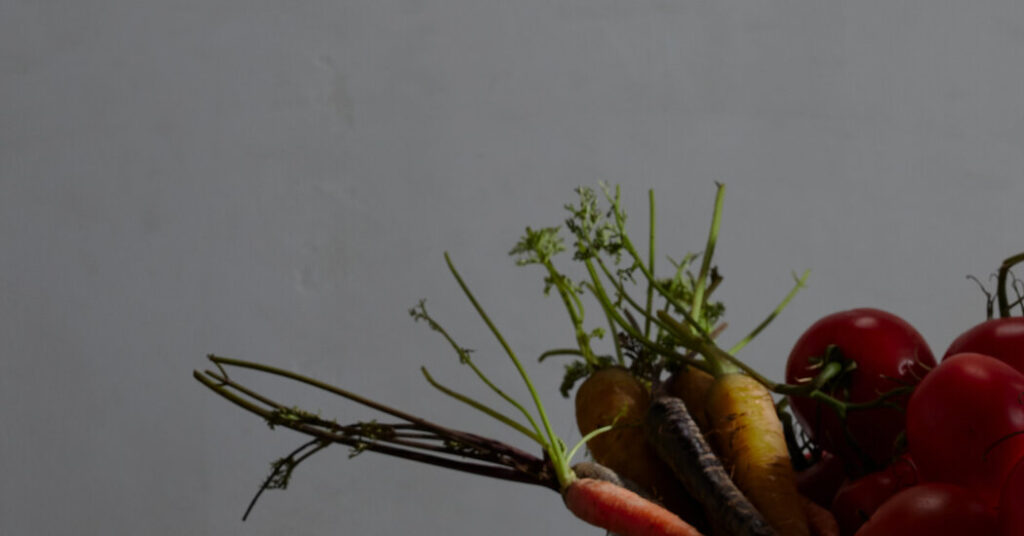
Dr. Tabung added that leafy, green vegetables like lettuce, kale, spinach and arugula, and dark yellow vegetables like carrots, yams and squash, when part of a broader dietary pattern, appeared to promote lower levels of insulin and inflammation.
Choose your meat carefully.
The International Agency for Research on Cancer has labeled processed meat like bacon, salami and hot dogs as carcinogenic to humans. The agency has said red meat is “probably carcinogenic” due to limited but strong evidence. Research has shown that the type of iron in red meat, as well as the chemicals formed when red meat is cooked at high temperatures, for example during grilling and smoking, produce compounds involved in DNA damage. Nitrates and nitrites in processed meats have also been strongly associated with cancer.
Nutrition and cancer researchers recommend avoiding processed meats altogether, and limiting red meat to two to three servings per week. If you are going to grill, use an acidic marinade, like one that’s citrus- or vinegar-based, as that can help reduce the amount of carcinogens formed, said Carrie Daniel-MacDougall, a professor of epidemiology at The University of Texas MD Anderson Cancer Center. Or instead eat fish, which may independently lower cancer risk, said Dr. Andrew Chan, a gastroenterologist at Mass General Brigham.
Limit ultraprocessed foods.
There is increasing evidence linking ultraprocessed foods, including sugar-sweetened beverages, to cancer. One reason might be that they tend to be high in sugar and calories, which can contribute to insulin resistance and obesity. But lab studies also suggest that chemicals in these foods alter the balance between “good” and “bad” gut microbes and damage the gut lining, promoting inflammation, Dr. Chan said.
A recent study of a large French cohort showed that several common preservatives increased the risk of all cancer, and particularly breast and prostate cancer. About a third of the preservatives that subjects consumed came from ultraprocessed foods, but they were also found in alcohol, dried or canned fruits and packaged vegetables.
You can limit your intake of preservatives by buying whole, fresh or frozen produce and prepared foods made only with ingredients you might find in a household kitchen, said Mathilde Touvier, director of the nutritional epidemiology research team at the French National Institute for Health and Medical Research.
Drink less, or not at all.
The risks of alcohol are greatest for heavy and binge drinkers, but even light drinking increases the risk of some cancers. “There’s no safe level for cancer risk,” said Giota Mitrou, executive director of research and policy for the American Institute for Cancer Research. “Less is better and avoiding is best,” she added.
A recent study, for example, showed that consistent heavy alcohol intake and higher lifetime consumption (averaging 14 or more drinks per week) increased the risk of colorectal cancer; quitting appeared to lower the risk.
Alcohol may cause cancer in a few ways, Dr. Mitrou said. The body breaks it down into acetaldehyde, which is toxic to cells. Alcohol increases levels of estrogen, which fuels some types of breast cancer. And it has been linked to oxidative stress — when the body produces too many unstable molecules that react with DNA — and may interfere with DNA repair.
If you do drink, avoid doing so on an empty stomach. Drinking without food may result in a higher exposure to carcinogens, Dr. Ng said.
Consider coffee, tea and dairy.
Dr. Tabung found that drinking up to three cups of coffee or tea per day was associated with lower levels of insulin resistance and inflammation. Coffee and tea are full of chemicals that help protect cells from damage, said Robin Ralston, a dietitian and nutritionist at The Ohio State University Comprehensive Cancer Center. She encourages drinking them — whether hot or cold, brewed at home or drunk from a bottle — as long as there isn’t added sugar.
Dairy, and the calcium in it, appears to lower colorectal cancer risk. As part of a broader healthy diet, full-fat dairy — which was recently endorsed in new federal dietary guidelines — was also associated with reduced inflammation and insulin resistance in some studies. Ms. Ralston recommended fermented dairy like plain yogurt, kefir and cheese because they can support gut health and have been associated with reduced inflammation in several studies.
Know the risks of obesity.
The clearest link between diet and cancer is through obesity. A large body of evidence has linked obesity to more than a dozen cancers, including breast, colorectal, endometrial, gastric, kidney, liver and pancreatic cancers.
Obesity, of course, is not just the product of diet, but also physical activity, genetics and other factors, said Edward Giovannucci, a professor of nutrition and epidemiology at the Harvard T.H. Chan School of Public Health. But to the extent that diet leads to excess body fat or body weight, that is likely “the biggest single impact of diet on cancer risk,” he said.
Fat tissue increases estrogen, which is a driver for some kinds of breast and endometrial cancer. Fat that accumulates in the abdomen, called visceral fat, promotes inflammation and insulin resistance, Dr. Giovannucci said. Exercise — at least 30 minutes of moderate-intensity activity most days of the week — can increase insulin sensitivity and reduce inflammation, in addition to helping with weight loss.
Some early research has suggested that GLP-1 drugs may also reduce cancer risk, but evidence is limited.
Maintaining a healthy body weight and exercising to promote good metabolic health are “a big part of the battle,” Dr. Giovannucci said — and not only to lower cancer risk. “It overlaps a lot with diabetes, cardiovascular risks and dementia,” he said. “I think they’re all tied together.”
Nina Agrawal is a Times health reporter.
The post How What You Eat Affects Cancer Risk appeared first on New York Times.