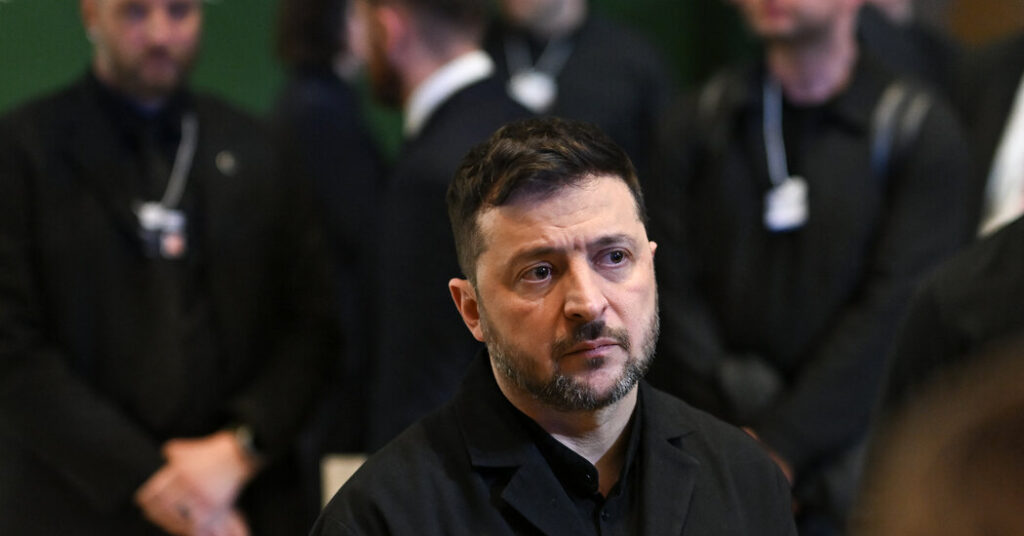
The first face-to-face talks among Russian, Ukrainian and American officials ended Saturday on a rare positive note from President Volodymyr Zelensky of Ukraine, hinting at progress in the slow process to end the war.
“A lot was discussed, and it is important that the conversations were constructive,” Mr. Zelensky said in a post on social media about the talks, which were held over two days in Abu Dhabi, the capital of the United Arab Emirates.
“Provided there is readiness to move forward — and Ukraine is ready — further meetings will take place, potentially as early as next week,” he added, mirroring reports in Russian state media that the negotiations had made headway.
The draft peace plan that was discussed in Abu Dhabi originated last fall as a proposal negotiated between the Trump administration and Russia, but it has since been revised several times, with input from Ukraine, the United States, European nations and other countries.
Mr. Zelensky said that the delegations had discussed a role for the United States in “monitoring and oversight of the process of ending the war.” He did not say what form the American mission would take, but he said military officers in the delegations had made a list of issues to discuss at a possible follow-up meeting.
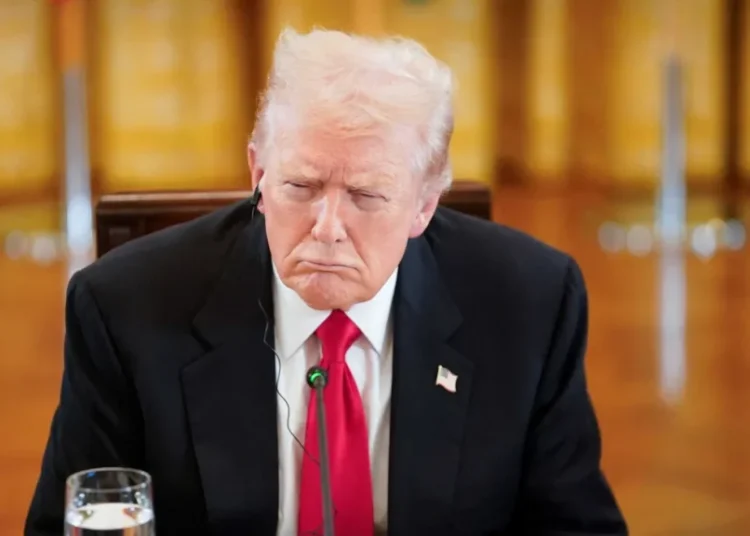
Mr. Zelensky had said earlier this month that the United States and Ukraine had all but concluded talks on an American contribution to postwar security guarantees. The Ukrainian leader and President Trump met this week in Davos, Switzerland to discuss the arrangement.
President Vladimir V. Putin of Russia has argued that Russia is winning the war and has said that his military is prepared to fight until it has achieved all of its objectives, although Russian forces have been taking heavy casualties for small advances.
Early on Saturday morning, Russia unleashed a barrage of 15 missiles and over 350 drones aimed mostly at Kyiv and the eastern city of Kharkiv, killing one person and damaging a hospital and a maternity ward, according to Ukrainian authorities.
Russia and Ukraine sent longtime spymasters to the talks in Abu Dhabi. Moscow’s delegation included two top military intelligence officials, Admiral Igor Kostyukov and General Alexander Zorin, according to Russian state media. Kyiv sent General Kyrylo Budanov, the top Ukrainian military intelligence officer who recently became Mr. Zelensky’s chief of staff. The United States was represented by Jared Kushner, Mr. Trump’s son-in-law, and Steve Witkoff, Mr. Trump’s special envoy and longtime friend.
Tass, the Russian state news agency, citing anonymous sources, reported that the talks had made progress and that negotiations might continue in the same format in the coming days. Until the draft peace plan first emerged last fall, Mr. Putin had often complained publicly that Western negotiators weren’t sufficiently delving into details.
Mr. Putin is evaluating the peace proposals as Russia faces economic headwinds that will make it harder to sustain vast state funding for the war. He has also signaled that he wants to reap the benefits of a renewed relationship with the United States under Mr. Trump, the most Kremlin-friendly American president in years.
But the White House has demanded an end to the war first.
The current peace plan’s 20 points cover security, postwar reconstruction, exchanges of prisoners and other matters tied to the conflict, which started nearly four years ago with Russia’s full-scale invasion.
Mr. Zelensky had argued ahead of the three-way talks that it was time for Russia to clarify where it stood on the peace plan. In a video address to Ukrainians on Friday, he said that Ukrainian negotiators “should already have at least some answers” on Moscow’s position.
“It is necessary that not only Ukraine has the desire to end this war and achieve full security, but that a similar desire somehow emerges in Russia as well,” he added.
Despite some progress in recent months of peace negotiations, Ukraine and Russia are still at odds over key sticking points tied to security and territory.
This month, Ukraine fleshed out proposals for postwar security guarantees with the United States and Europe. Some European countries vowed that they would commit forces to dissuade Russia from invading again. But Moscow has rejected any deployment of troops from NATO member states on Ukrainian territory.
And Ukrainian authorities have refused Russia’s request to control all of the Donetsk region, a former industrial and coal-mining powerhouse in eastern Ukraine that the war has left mostly in ruins.
U.S. and Ukrainian negotiators have discussed suggestions including putting neutral forces as peacekeepers in part of the Donetsk region or forming a demilitarized zone.
But Russia has rejected any settlement on territory that departs from what Russian officials have characterized as an agreement reached between Mr. Trump and Mr. Putin at a summit in Alaska last summer that Ukraine would surrender unconquered territory in the region.
For Ukraine, any compromise on control of its eastern territories would be bitter, after more than a decade of bloodshed defending the region, beginning with a first Russian military incursion in 2014.
Andrew E. Kramer is the Kyiv bureau chief for The Times, who has been covering the war in Ukraine since 2014.
The post Ukraine Peace Talks End on Positive Note as Zelensky Teases Future Meeting appeared first on New York Times.