Citi has largely put the dog days of its multiyear transformation behind it, and CEO Jane Fraser signaled a shift from remediation to competition. The next step is cultural.
In a memo to employees last week, Fraser told Citi’s more than 200,000 workers that “the bar is raised” and that it was time to ditch bad habits.
When Fraser took over as Citi’s chief executive in 2021, the bank was under intense scrutiny — bogged down by regulatory pressure, dated and weak technology, and investor doubts about whether it could still compete with Wall Street’s most established names.
Five years in, the stock is up about 40% over the past year and more than 80% over the past five — signs that investors are increasingly confident the firm has moved past its worst problems.
Central to the bank’s efforts are three executives she hired to run businesses that are key to Citi’s growth: investment banking, wealth management, and technology.
Brian Mulberry, a portfolio manager at Zacks Investment Management, offered a sports analogy. “If Jane Fraser is the quarterback, you need really strong skill positions — the receivers and running backs — to carry the ball over the goal line. These are the five-star recruits you’d want on that team,” he told Business Insider. “They’re now on offense.”
Corporate dealmaker Viswas Raghavan has earned an industry reputation for pushing his people. Andy Sieg is the politically savvy denizen of the white-glove world of money management. And Tim Ryan is the steady hand from consulting, tasked with reinventing the bank’s technology backbone.
Their rise has fueled some quiet succession chatter, though Fraser has given no indication she is considering stepping aside anytime soon.
As her no-nonsense year takes shape, here is how those three executives have fared in reshaping their units and how they’re helping enforce her mandate.
Viswas Raghavan
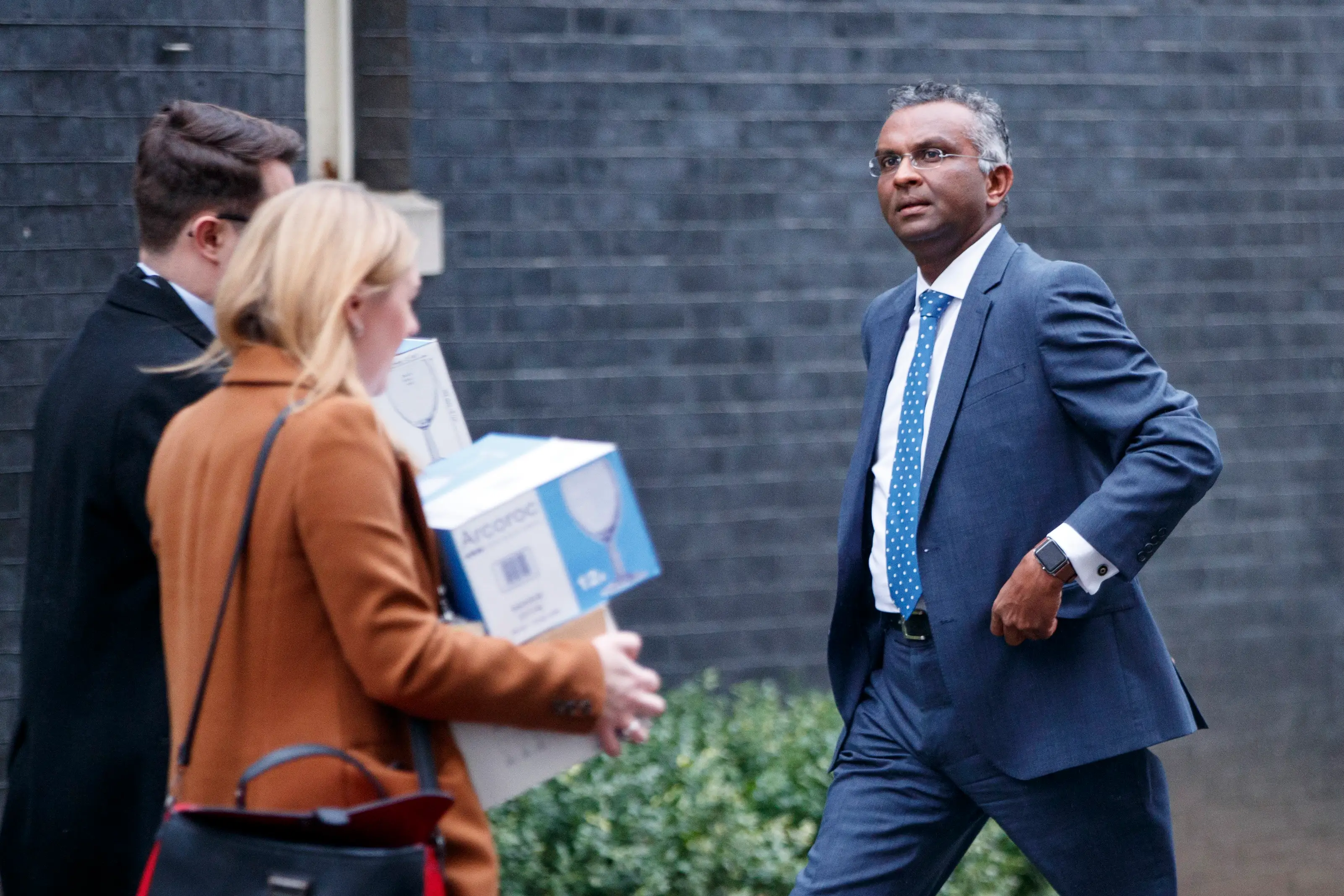
Title: Executive Vice Chairman and Head of Banking
Since Viswas “Vis” Raghavan took over Citi’s investment banking business in June 2024, the unit is showing clear signs of momentum. Investment banking fees rose 35% year over year in 2025, with M&A revenues jumping 84%, according to Citi’s fourth-quarter results.
Fraser highlighted some of the bank’s most prominent client wins during the earnings call, including mandate work for Boeing, Pfizer, Nippon Steel, Johnson & Johnson, and private-equity firms Blackstone and TPG. Last year, Citi advised on Nippon Steel’s roughly $14.9 billion acquisition of US Steel, and on Charter Communications’ announced nearly $35 billion combination with Cox Communications.
As head of banking, he oversees investment banking, corporate banking, and commercial banking — a sprawling remit that puts him at the vanguard of many of Citi’s most financially important relationships.
Raghavan is known in the industry for his high expectations. A 25-year JPMorgan veteran, Raghavan ran the firm’s league table-topping investment banking franchise and oversaw its business in Europe, the Middle East, and Africa.
Landing Raghavan’s star power was a boon for Citi, Mulberry said. “It absolutely matters who is backing the deal. Having that specific hire, with the confidence he brings” in the eyes of the kinds of clients Citi wants, is a triumph for the bank, he added.
His credibility has helped him rebuild Citi’s senior dealmaking ranks from rivals — especially JPMorgan.
He’s lured JPMorgan bankers Drago Rajkovic and Guillermo Baygual to serve as global co-heads of M&A at Citi. Former Goldman Sachs partner David Friedland joined Citi last summer as co-head of North America investment banking.
And the Wall Street Journal reported this week that former JPMorgan banker Alex Berkett, an ex-Paramount executive, would join to build Citi’s media business.
Andy Sieg
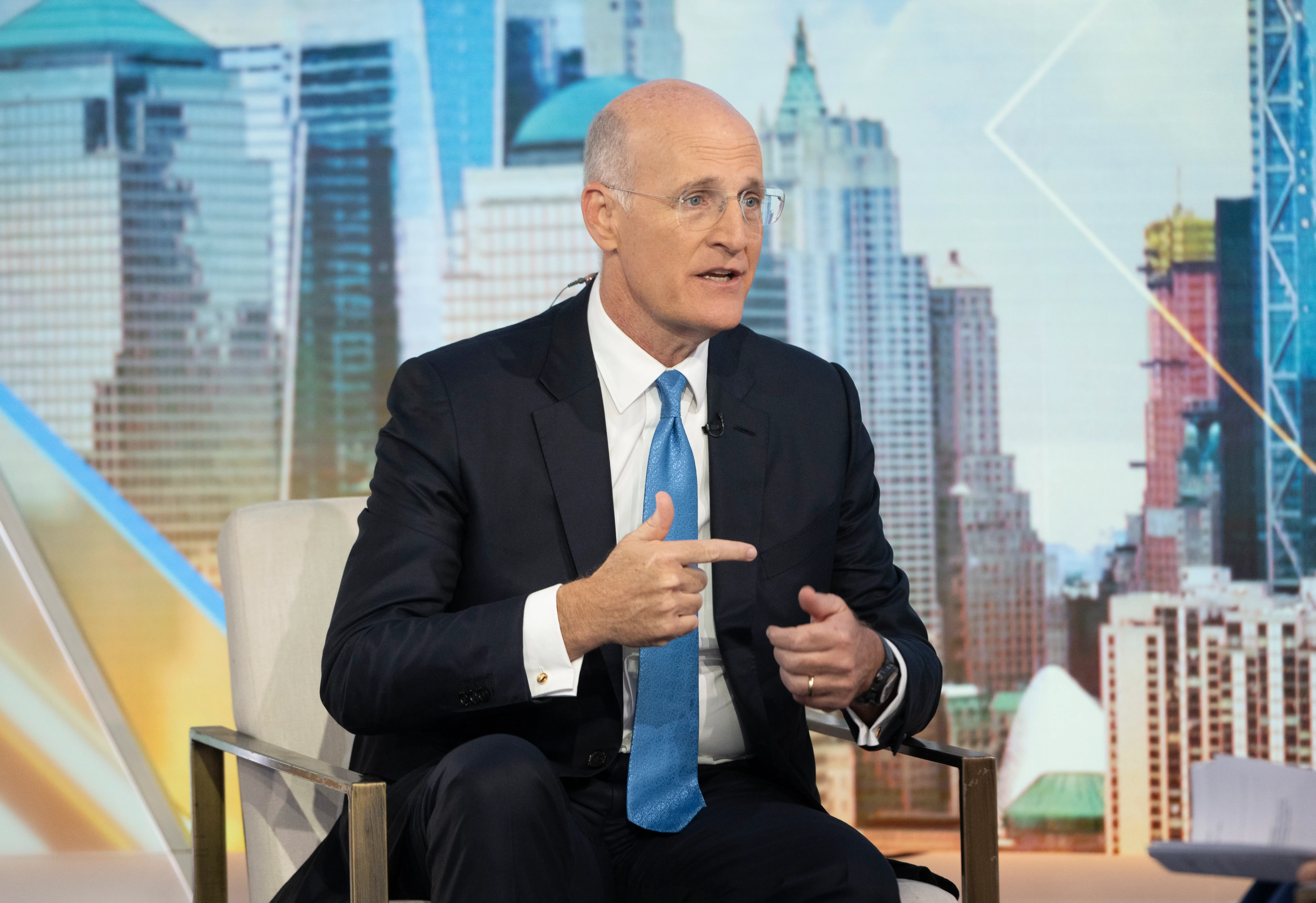
Title: Head of Wealth
In a note sent to employees of his division following earnings results last week, Andy Sieg said key focuses for the division would include leading the way in wealth advisory, deepening the integration of wealth offerings through the US retail bank, and incorporating AI into regular, daily workflows.
He shared a chart showing Citi Wealth revenue up 22% in two years. And he doubled down on Fraser’s empathic message.
“For 2026, the bar has been raised,” he wrote in the memo, which was viewed by Business Insider and confirmed by a Citi spokesperson. “Jane speaks of scale for the bank; it will be our watchword as well. Strong, sustained organic growth will be ours if we double down on a set of strategic priorities,” including fomenting “a culture of ownership, accountability, and innovation,” he added.
Sieg joined Citi in late 2023 to fix its wealth business. Sieg previously oversaw roughly 25,000 employees at Bank of America, where he had risen to the role of president of Merrill Wealth Management. The bank said wealth revenue grew 14% in 2025, according to fourth-quarter earnings.
Mulberry said Citi could rebuild wealth gradually over time, but argued that Sieg’s background speeds things up. “I think on the wealth management side, there’s a fair argument you could do that organically,” he said, “but it helps to have a weighty name that’s been successful in gathering assets at a place like Merrill Lynch.”
Sieg has moved away from the single global private-bank head structure and made targeted hires, including former BlackRock portfolio manager Kate Moore to run the chief investment office and ex-Morgan Stanley executive Dawn Nordberg to deepen ties between wealth and banking. Citi has also added senior private bankers like Clinton Warren, a former JPMorgan private banker, to lead teams in the central US.
He has also had notable exits, including longtime private bank chief Ida Liu, who left in early 2025; and Valentín Valderrábano, chief operating officer for global wealth, whose exit was announced this month. He is following Liu to her new employer, HSBC.
It’s also been reported that Sieg was the subject of an internal investigation into his conduct. A Financial Times report from October raised some questions about how the probe was conducted, but Citi told the FT that it approaches “all internal complaints appropriately by conducting unbiased, thorough, and complete investigations”, and noted a “commitment to a workplace where everyone is treated fairly and has equal opportunity to succeed.”
Tim Ryan
Title: Head of Technology and Business Enablement
Citi is pushing deep into artificial intelligence as it moves out of its long-running cleanup phase. More than 80% of Citi’s transformation programs are now at or close to their target state, Fraser said on the latest earnings call.
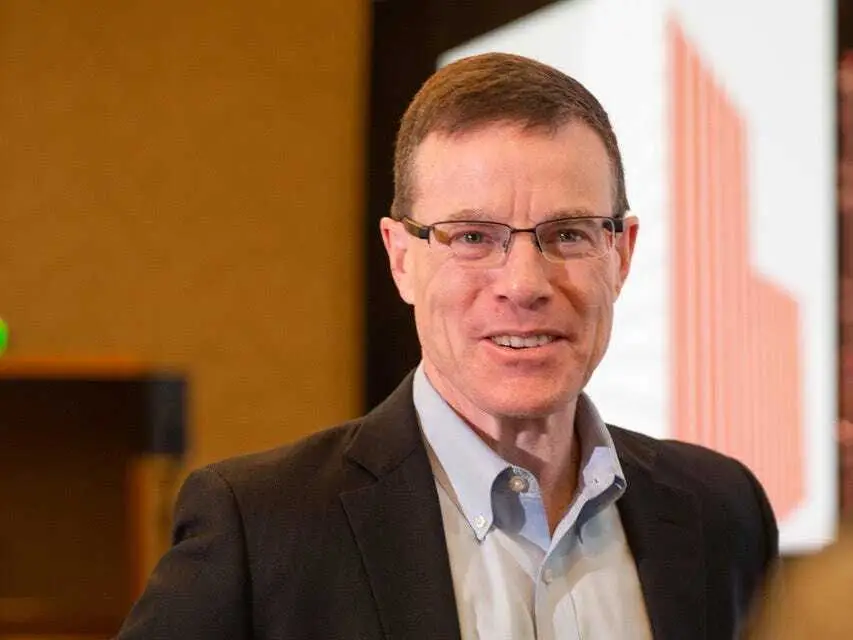
That progress has enabled the bank to shift its focus toward growth and innovation. That next phase is being largely driven by Tim Ryan, who joined Citigroup in 2024 after spending nearly two decades at PwC, most recently as the consulting firm’s US chair. Fraser tapped him to run technology and business enablement as Citi worked to move past years repairing outdated systems and addressing regulatory shortcomings. Early on, he was tasked with turning around Citi’s substandard data management systems. Last summer, he was named one of the senior executives overseeing Citi’s AI strategy.
Citi has begun embedding artificial intelligence into core processes across the firm — from know-your-customer reviews to loan underwriting — starting with more than 50 of its largest and most complex workflows. Employees in 84 countries have already used the bank’s proprietary AI tools tens of millions of times with adoption exceeding 70% across the workflow.
According to the bank’s third-quarter earnings report last year, Citi used generative AI to conduct one million automated code reviews, saving approximately 100,000 hours per week across its developer population. In the fall, Ryan wrote on LinkedIn that Citi had rolled out prompt training to help workers get more out of the tech, and cheered the bank’s plans to rev the engine on agentic AI.
But competition is rife. The broader finance industry is being rapidly reshaped by AI, with powerhouse firms like Goldman Sachs and JPMorgan spending billions to supercharge their workforces. The fight to secure top AI talent has intensified.
Citi has spent years defined by baggage from its past that it’s been under pressure to fix. Now, it has the rare chance to define what it wants to be.
Fraser wants her staff to know there’s no time to lose. She concluded her memo with a clear directive: “Let’s get it done.”
Read the original article on Business Insider
The post How Jane Fraser’s ‘star recruits’ are helping Citi push ahead appeared first on Business Insider.