A year past the original deadline, TikTok users are celebrating after the app’s owner finalized a deal late Thursday to spin off the bulk of its U.S. business to a consortium of American investors. But there are good reasons to be skeptical of the terms.
This saga was never about TikTok’s utility or popularity but its Chinese ownership and apparent links to the Chinese Communist Party. This led to fears about the app conducting surveillance on U.S. citizens, collecting user data for nefarious purposes and weaponizing the sophisticated algorithm to disseminate propaganda, especially in the case of conflict.
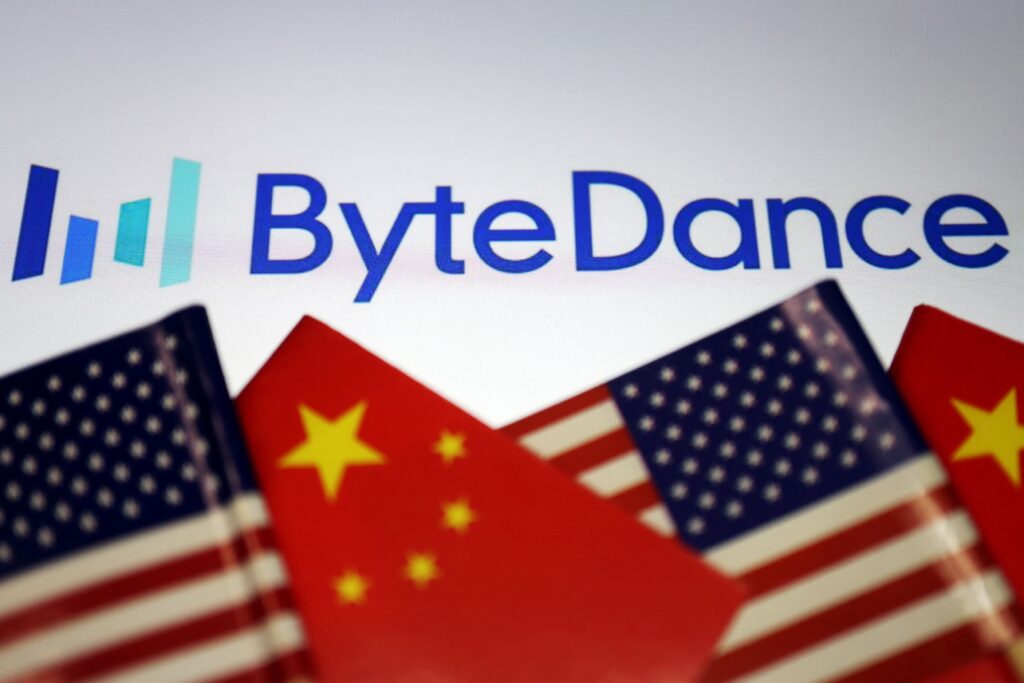
The announcement from TikTok tries to assuage worries. It says a new company has been established, which will be majority U.S.-owned and operate under “defined safeguards” to protect user data and secure the algorithm. TikTok’s previous Chinese owner, ByteDance, will control 19.9 percent of the new company. Tech giant Oracle, private equity firm Silver Lake and Emirati investment company MGX will each own 15 percent.
The 2024 “ban-or-sale” law for TikTok — passed with strong bipartisan majorities and upheld by the Supreme Court — stipulated that any new U.S. spinoff company should have no “operational relationship” with ByteDance. But as the single biggest shareholder and with a seat on the new company’s board, ByteDance will retain a voice and vote.
More problematic, ByteDance will maintain ownership of TikTok’s coveted algorithm and license it to the spinoff. The announcement emphasizes that the algorithm’s recommendations will be stored in Oracle’s U.S. cloud system but also that the two companies will retain “global product interoperability,” with ByteDance maintaining control over e-commerce and marketing. That sounds like much less of a breakup than Congress intended.
The post The TikTok divestment deal doesn’t go far enough appeared first on Washington Post.