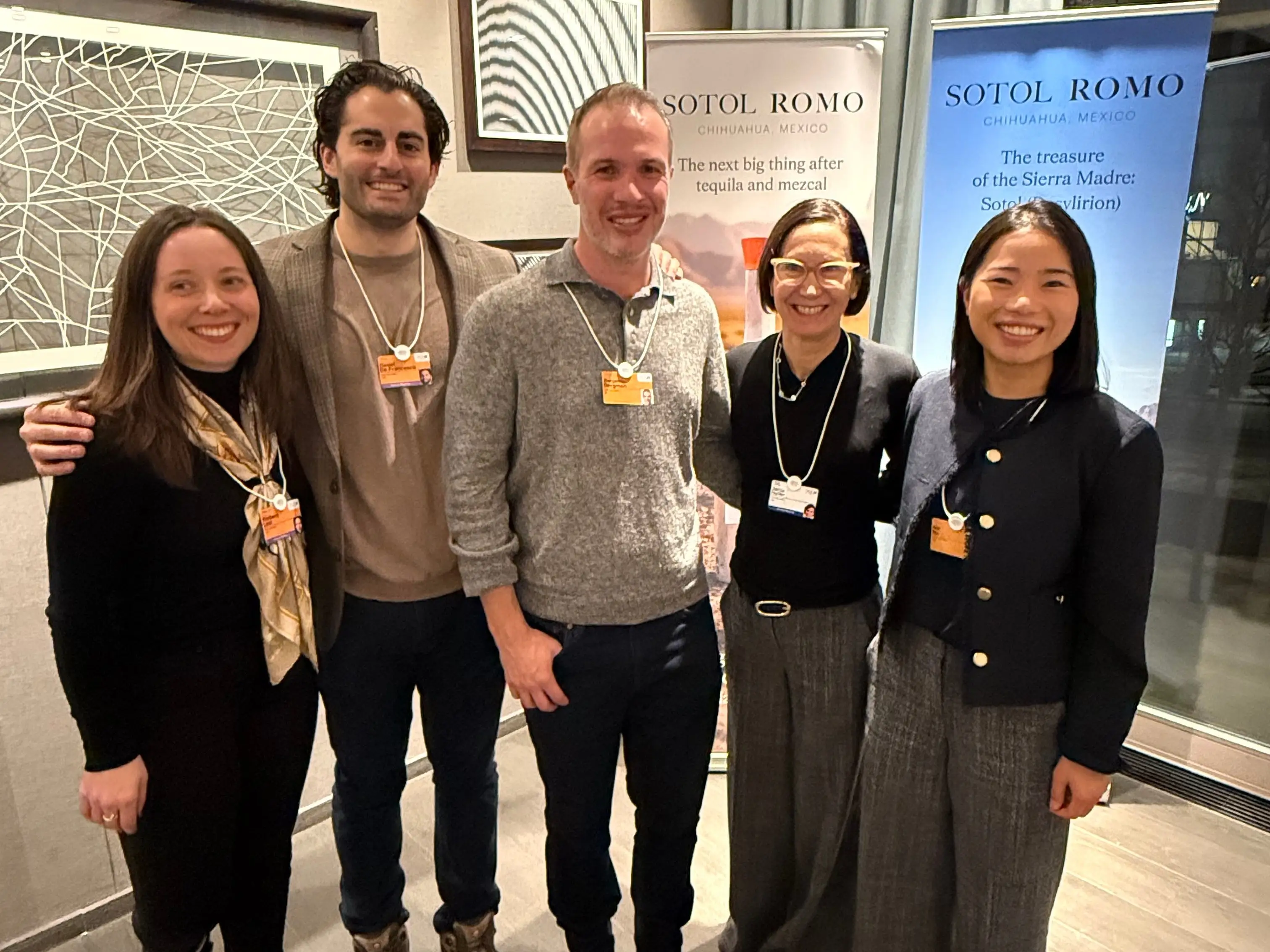
And that’s a wrap. Davos 2026 is in the books.
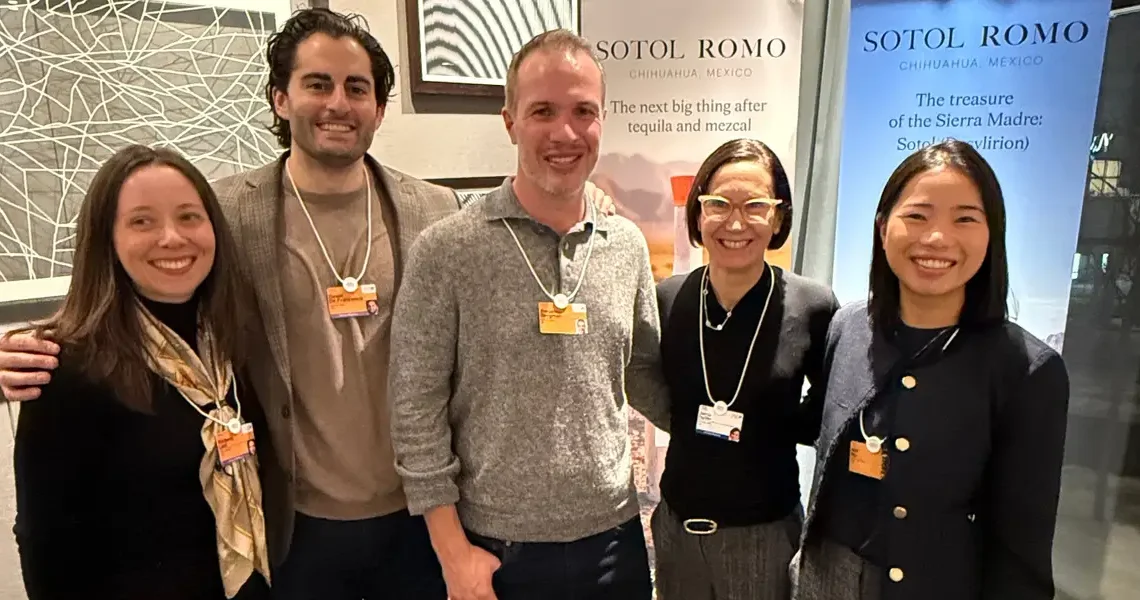
I asked my colleagues who were on the ground with me to share their takes. It’s a good mix of backgrounds (tech, finance, workplace) and Davos experience (from first timers to crafty vets).
Here’s what they had to say:
Aki Ito: This was my first Davos, but from what I heard, previous years were marked by much more optimism about the immediate productivity gains AI would bring. This year the vibe was more sober.
Most of my conversations were about why the ROI from AI has been so mediocre so far, and how to fix that. A lot of the fixes that I heard about involved the kind of massive overhauls that will almost certainly take large companies years and years to pull off.
Underlying that reality was more than a hint of frustration from the Davos class. But the harder-than-expected transition is good news for the white-collar employees I talk to everyday.
When disruption comes at lightning speed, people don’t have time to prepare for it. When it happens over a more manageable timeline, we have time to learn new skills, to advocate for new protections, to try to shape the future we actually want.
That doesn’t mean massive change isn’t coming eventually though. Lots for me to think about. For now I can’t wait to catch up on sleep!
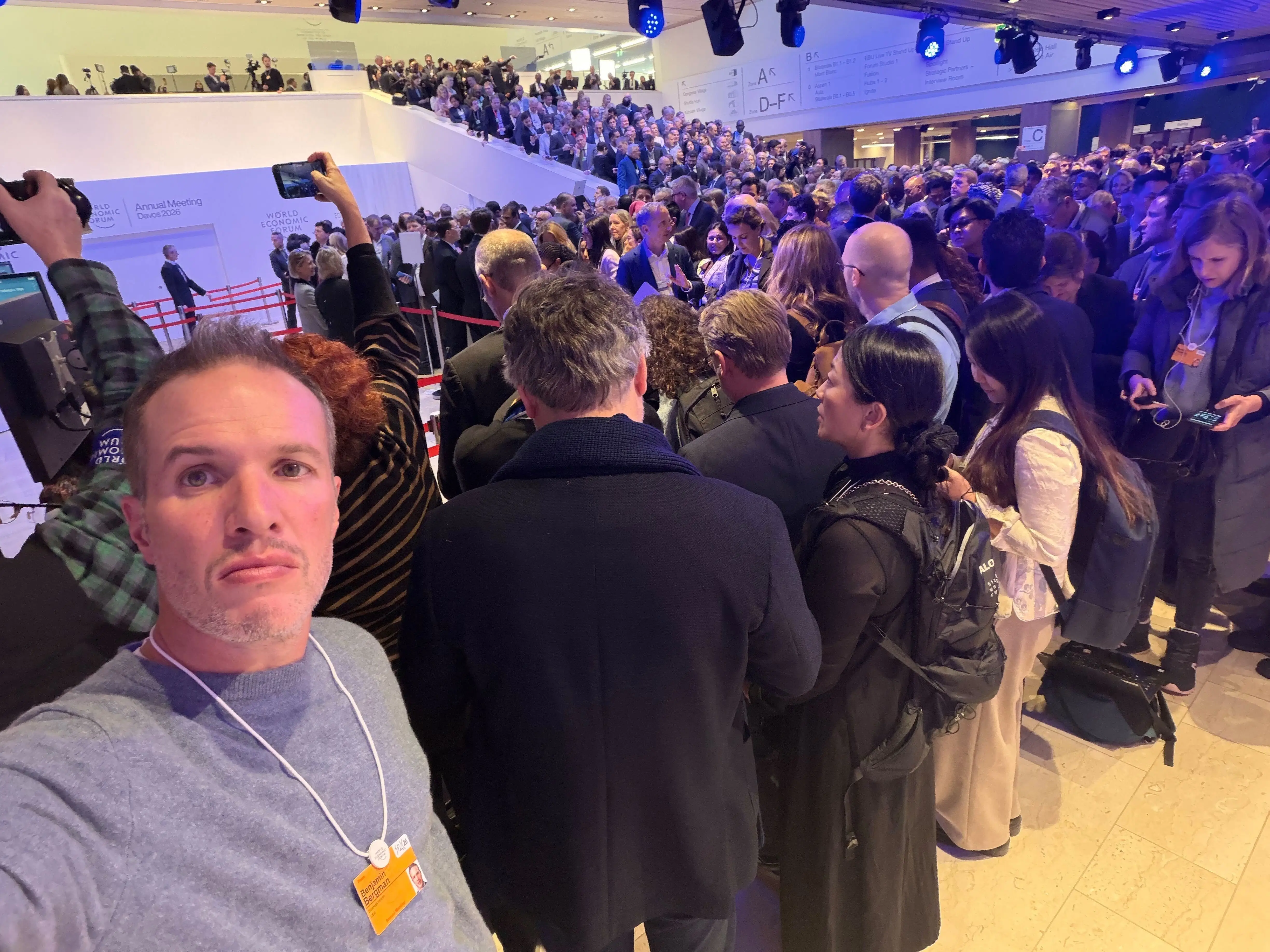
Ben Bergman: Davos has always wanted to be the center of the world. This year, it felt like it actually was.
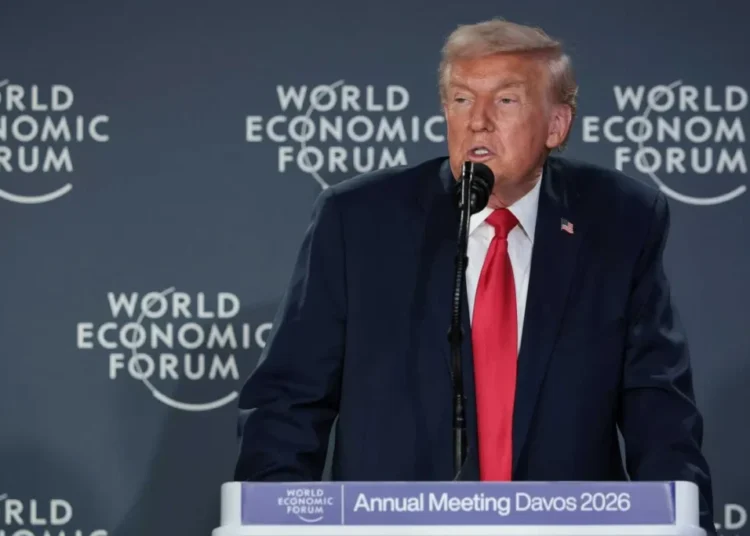
President Trump brought traffic snarls, longer security lines, and most of all, he dominated conversations here.
He also brought heft, making Davos feel much more important than it has than at any time in recent memory. This year’s conference played host not just to the pie-in-the-sky discussions that usually dominate, but also high-stakes negotiations about the future of NATO, Greenland, and Gaza.
Even Elon Musk, who had previously mocked Davos, could not stay away.
Just as it appeared the summit had reached its apex on Wednesday, as some attendees began to work their way down the mountain, we learned that Musk’s Gulfstream G650 was on its way to Zurich for a surprise interview with WEF interim chair Larry Fink.
Fink, whose day job is as chairman and CEO of BlackRock, the largest asset management firm in the world, told Semafor he personally asked Trump to come, which in turn also attracted many of the biggest names in business.
Fink, or whoever is the chair of WEF next year, has a tough act to follow.
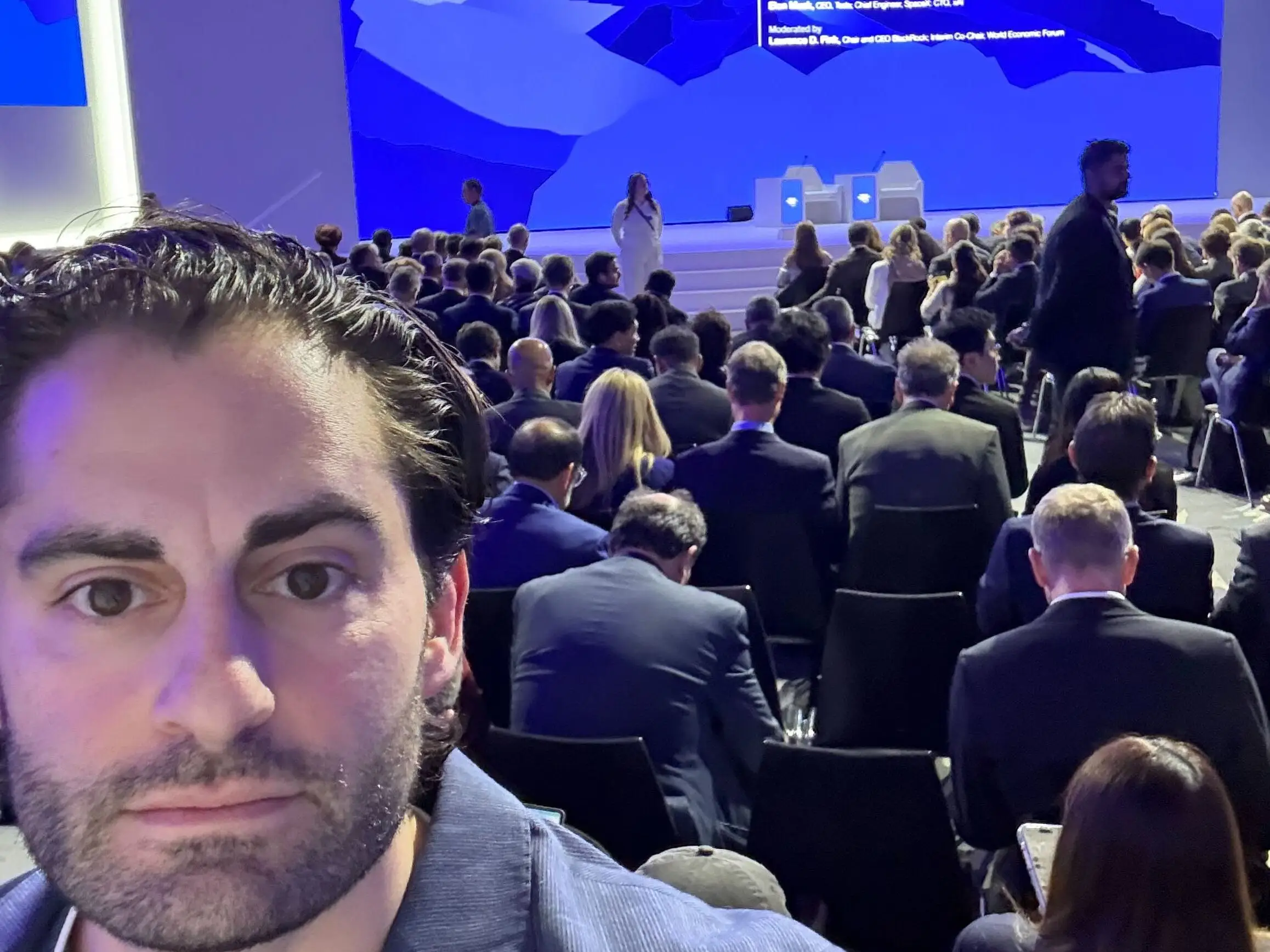
Dan DeFrancesco: Are we entering a new era in geopolitics, or is this just another example of President Donald Trump’s aggressive dealmaking tactics? That’s the question I’ve been thinking about this entire week.
Some attendees I spoke to this week seemed optimistic. Sure, the threat of force against a longtime ally wasn’t great. But a deal was ultimately brokered. And the US has too many resources to ignore.
Others feel a real trust has been broken, and there will be no easy path back toward complete reconciliation.
And the split on the debate among Europeans and Americans might surprise you. Two bankers I separately spoke to within the same firm were divided on the issue, with the American being the one who was feeling pessimistic.
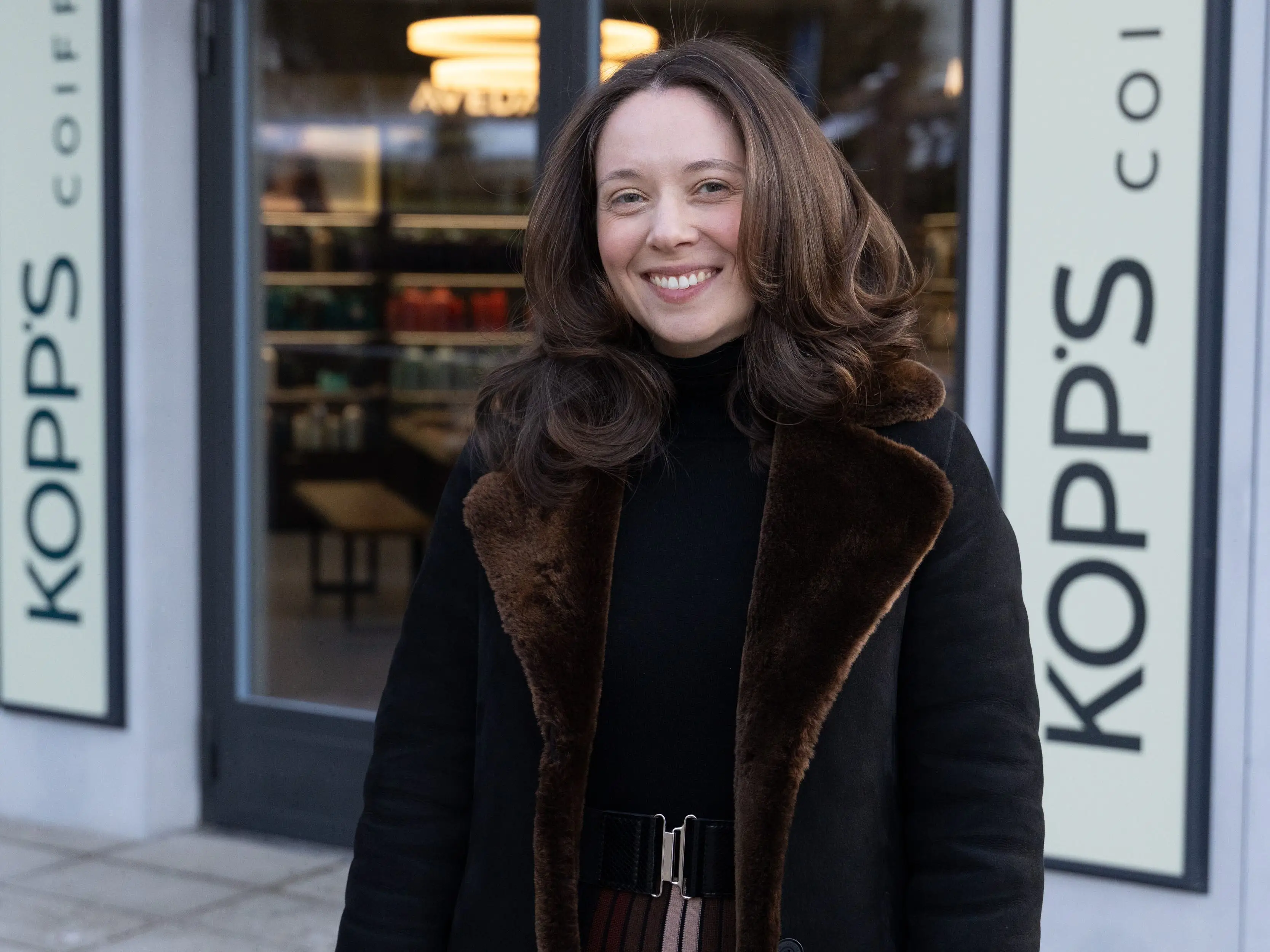
Kim Last: Jumping off of Aki’s thoughts, I was most struck by the lack of answers many of the executives I spoke to had when it came to employing the next generation of workers. When pressed, of course there was an acknowledgment that AI is already reshaping the nature and future of entry-level white collar work. (Hello, grim anecdotes from recent college grads.)
Davos has always been a platform for new ideas, yet the sense I have is that the leaders gathered here haven’t deeply thought about the ways education or job preparation need to evolve to meet this moment for young workers —and their role in shaping and supporting that work. I’ve wondered several times this week what the future of middle managers will look like 10 years from now, and what that pipeline of workers might look like.
In the previous years, it felt like education leaders had more of a front row seat to these conversations, but we know institutions are deep in rehauling how AI is rolled out in curricula. We might just have to see what happens next year.
And, on a lighter note, my blowout hack lasted for the duration of the week. It’s a Davos trick that never fails me.
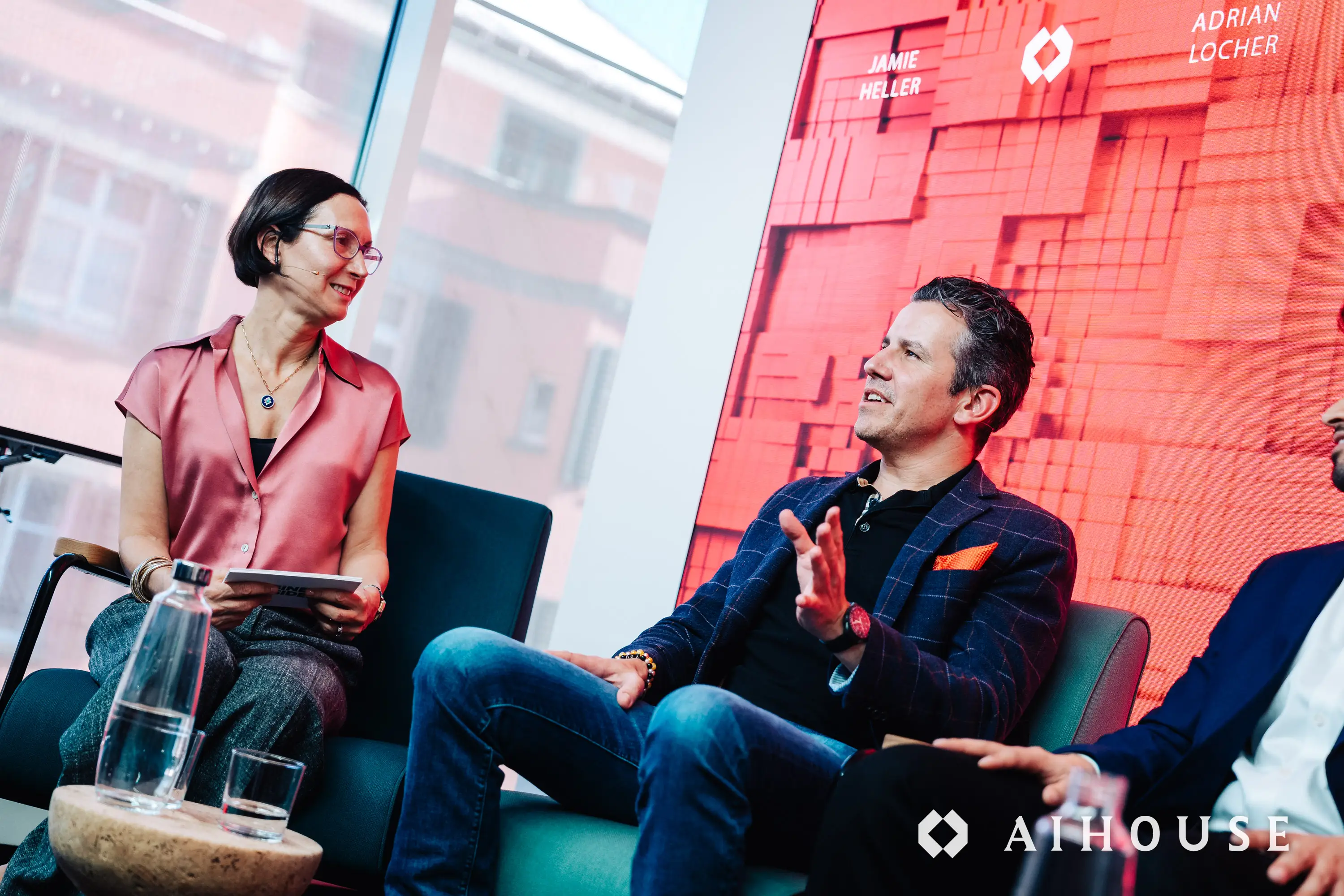
Jamie Heller: Maybe I’m late to the party, but I came away with a new appreciation for the excitement around “physical AI.” The way I am coming to understand it, the large language models behind the chatbots we are all using are based on information the models scarf up from the digital world — essentially the internet — and then create digital outputs, like text, images, and video.
Physical AI is about AI in the physical world — robots and machines. With AI, robots don’t just do what they’re told but are intelligent and can learn and adapt. I participated in three panels related to this, and while everyone acknowledges the standard level of Davos/tech hype, there was clear real excitement, including from savvy scientific types.
Then, in the midst of all the Davos chatter, Business Insider’s Grace Kay reported exclusive details on OpenAI’s push into humanoid robotics — robots modeled after humans.
Is it all the stuff of science fiction? As Elon Musk said this week at Davos, he wants to turn science fiction into “science fact” — and clearly many others do, too. How it all goes? We’ll keep reporting for you.
Read the original article on Business Insider
The post From the workplace to geopolitics to robots: Our team’s Davos takeaways appeared first on Business Insider.