Elon Musk once called Davos “boring af.” After his first appearance, some attendees might agree with him.
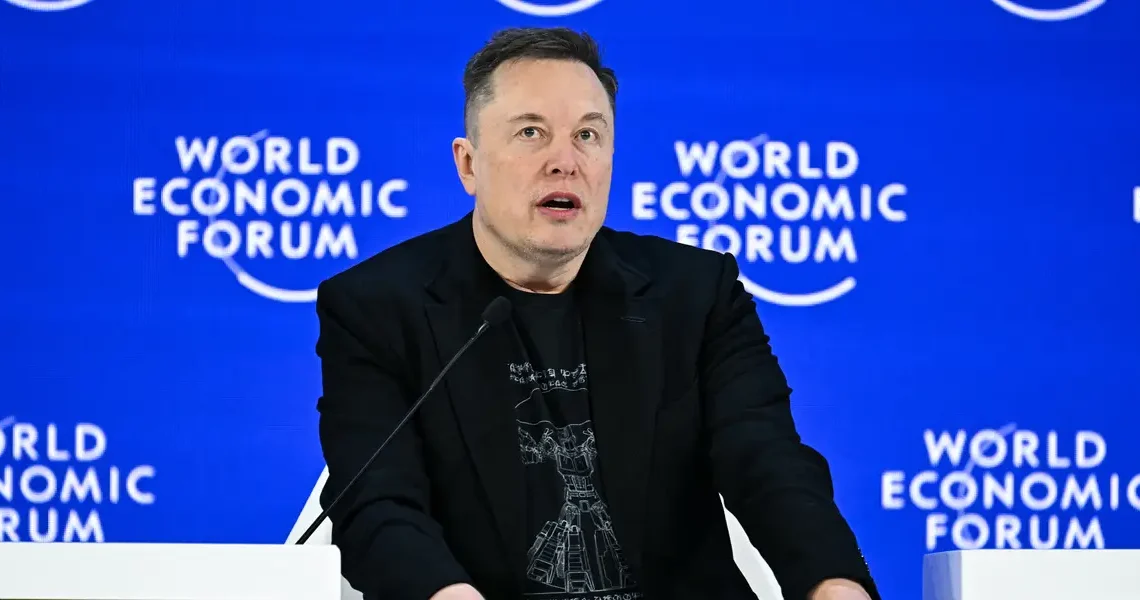
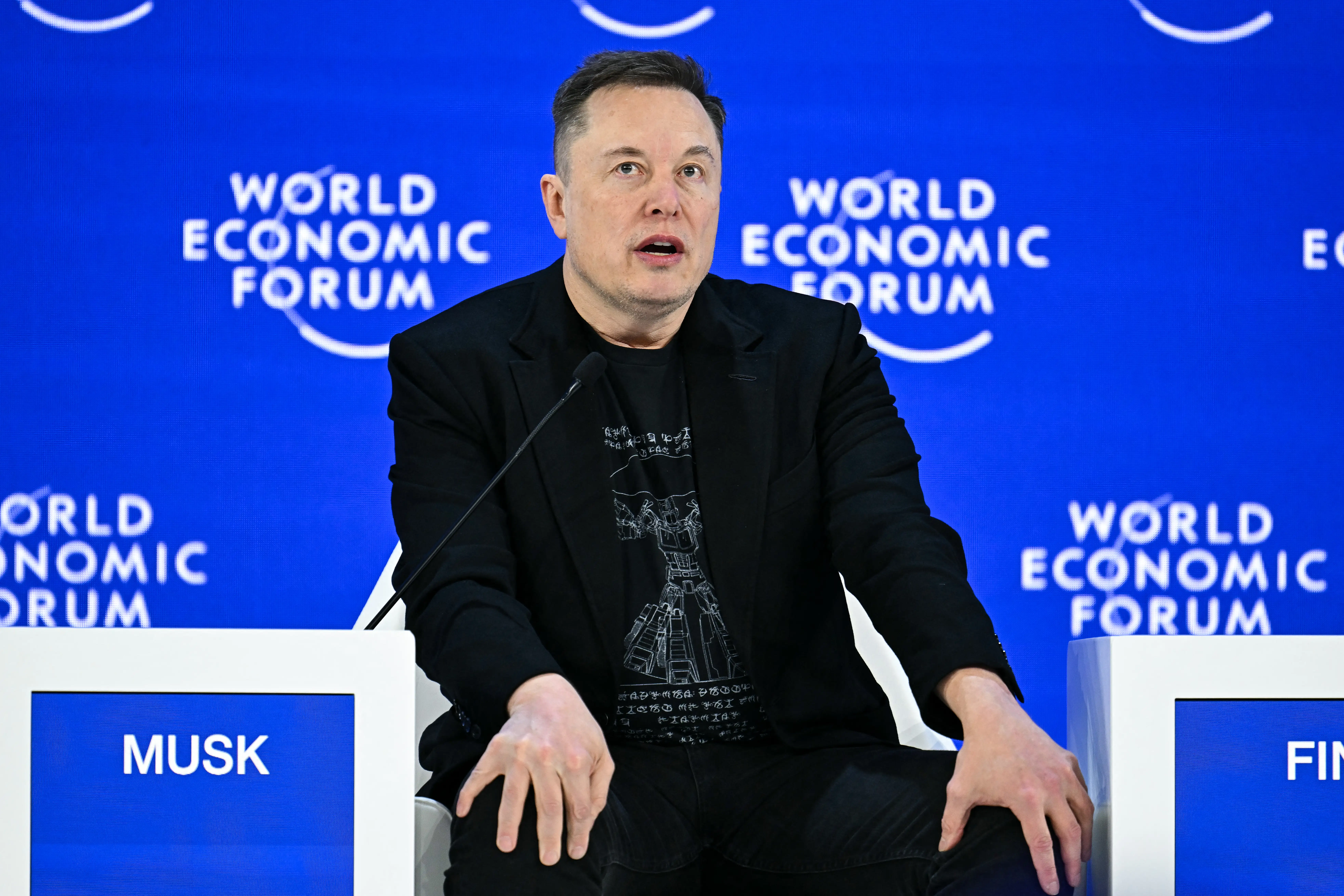
The billionaire took to the stage at the World Economic Forum in a surprise appearance on Thursday for an interview that touched on many points of his sprawling business empire — but offered few new details.
Musk has previously avoided the conference, and the Tesla CEO has in the past criticized Davos and its organizing body, the World Economic Forum.
Anticipation was therefore high after Musk was unexpectedly added to the schedule on Thursday morning.
Interviewed by Larry Fink, the BlackRock CEO and interim WEF cochair, Musk began by explaining Tesla’s mission of “abundance for all,” largely reiterating comments he’s previously made on X and in other interviews.
The world’s richest man predicted that “ubiquitous” AI and robotics would lead to an unprecedented expansion of the global economy and ultimately render work obsolete, and predicted that “AI will be smarter than all of humanity collectively” by 2030 or 2031.
“At a certain point, there will be such an abundance of goods and services because my prediction is there’ll be more robots than people,” Musk said.
The billionaire did, however, share a more concrete timeline for Optimus: he expects Tesla to start selling the humanoid robots to the public by the end of next year.
Musk didn’t address Tesla’s robotaxi rollout — another product critical to the company’s future — beyond reiterating that he hoped to get approval for its Full Self-Driving technology in Europe and China next month. Investors are keen for details about when the company will remove human safety operators from its service in Austin and begin planned operations in several new US cities.
Much of the interview focused on space-based AI data centers, a topic that Musk and other Big Tech CEOs have discussed extensively in recent months.
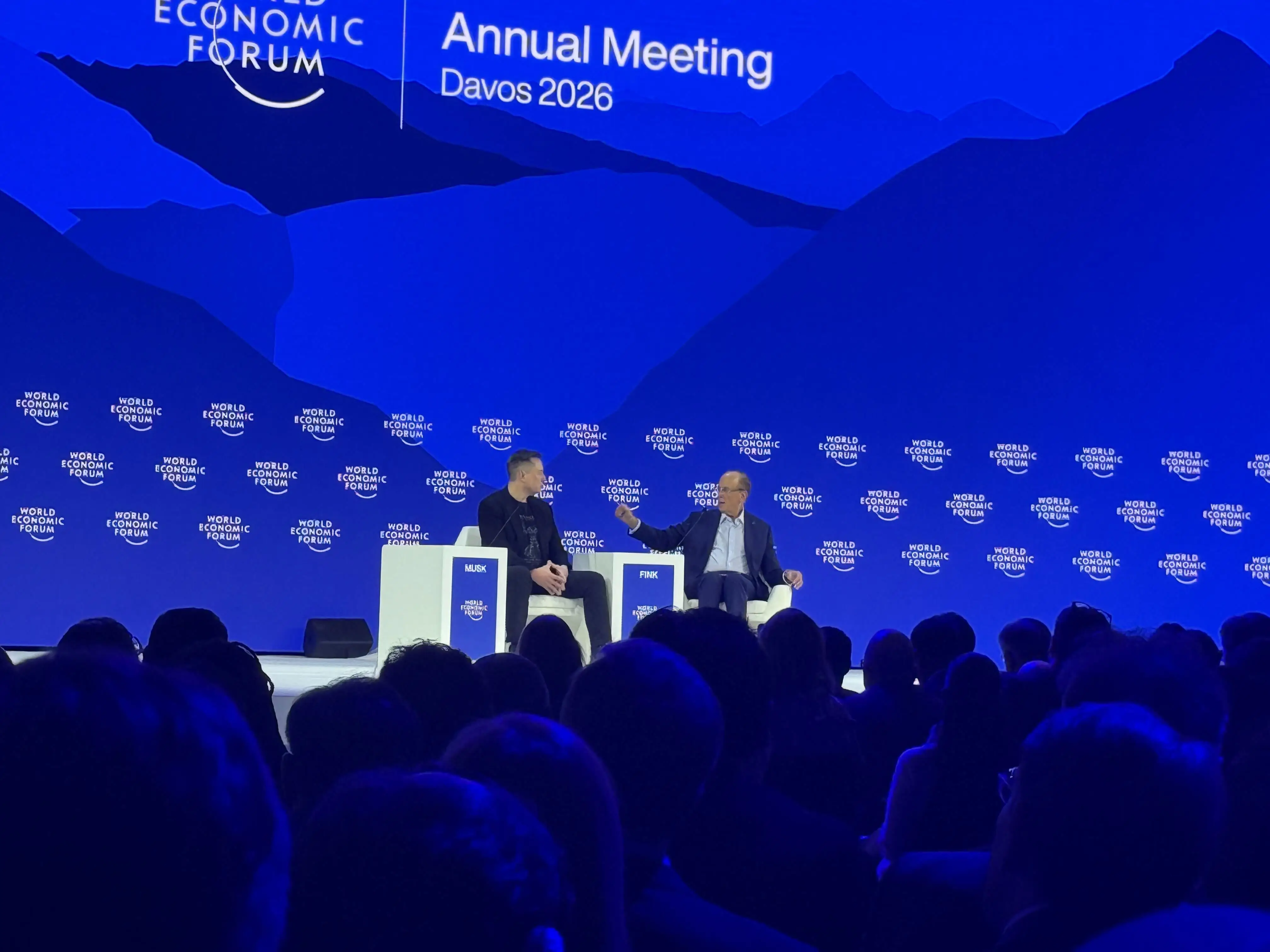
Musk told Fink that SpaceX would begin launching solar-powered AI satellites into space “within a few years,” adding that he expected space-based computing to largely solve the wrangling over the vast amounts of energy used to power AI back on earth.
“The net effect is that the lowest cost place to put AI will be in space, and that’ll be true within two years, maybe three at the latest,” said Musk.
The SpaceX founder also touched on the longevity trend, saying that ageing was a “solvable problem,” but warned that society could “lack vibrancy” if humans were able to live forever.
Musk ended his Davos debut with an appeal to optimism, a philosophical conclusion for someone who has previously used public appearances to attack his business rivals and issue eye-catching pronouncements.
“I think my last words would be, I would encourage everyone to be optimistic and excited about the future,” Musk said.
“Generally, I think for quality of life, it is actually better to err on the side of being an optimist and be wrong rather than be a pessimist and right,” he added.
Read the original article on Business Insider
The post What we learned from Elon Musk’s surprise appearance at Davos: not much appeared first on Business Insider.