Less than six hours after Japan restarted one of the world’s largest nuclear power plants, a technical malfunction forced the facility back offline, dealing a setback to the government’s efforts to restore nuclear energy as a cornerstone of the nation’s energy mix.
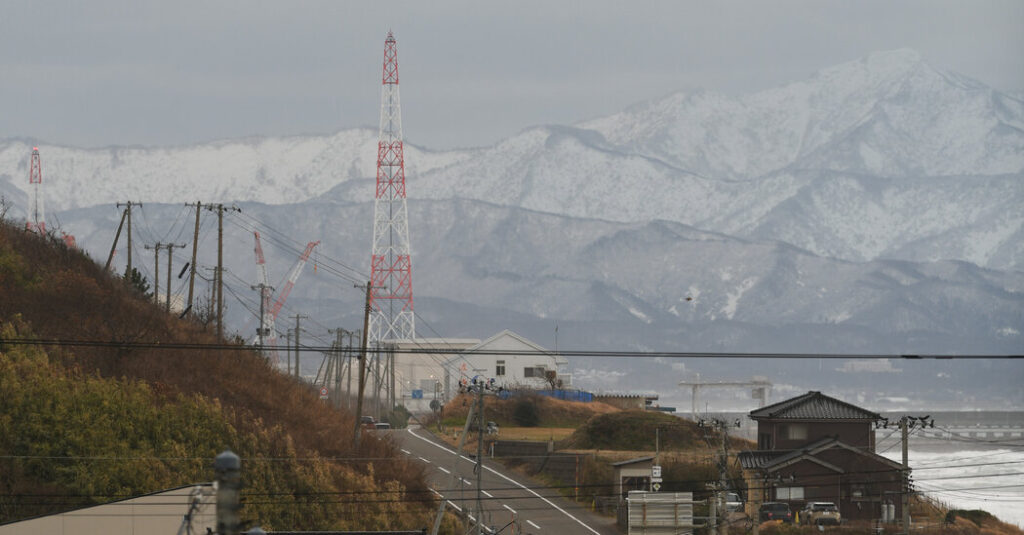
The plant’s operator, Tokyo Electric Power Company, or TEPCO, said an alarm was triggered just after midnight Thursday. The utility had restarted Unit 6 of its Kashiwazaki-Kariwa plant in northern Niigata Prefecture at 7 p.m. Wednesday, ending years of dormancy following the 2011 triple meltdown at the Fukushima Daiichi plant, which was caused by a tsunami and earthquake.
The alarm sounded on Thursday while technicians were adjusting Unit 6’s control rods, the cylinders used to regulate or stop the power output of a nuclear reactor. Because the cause of the alarm could not be immediately identified, TEPCO opted to halt the reactor to conduct inspections.
TEPCO said that safety was its “top priority” and that it would announce the results of its investigation as soon as possible. In an earlier statement, the utility said that the Kashiwazaki-Kariwa plant was in stable condition and that there was no radioactive impact to the outside.
Fifteen years after the Fukushima disaster displaced more than 160,000 residents, Japan is reviving its nuclear sector to meet a growing demand for clean, stable and lower-cost electricity. The restart of the Niigata facility — which at full capacity is one of the world’s largest nuclear complexes — was seen as a milestone in the country’s push to bring more of its 33 operable reactors back online.
Before the 2011 disaster, Japan maintained one of the world’s most extensive nuclear programs. In the years since, only 15 reactors, including the unit at Kashiwazaki-Kariwa, have resumed operation, largely because of a rigorous approval process from local and prefectural governments.
The restart was also a high-stakes test for TEPCO, the utility company that operated the doomed Fukushima plant in 2011, and has since struggled to regain public trust. A survey conducted by Niigata Prefecture in October found that 60 percent of residents believed conditions for a restart had not been met, while 70 percent expressed concerns regarding TEPCO’s management of the site.
The final green light for Kashiwazaki-Kariwa’s restart followed a December vote by Niigata’s prefectural assembly to support the move, a resolution subsequently endorsed by the prefecture’s governor.
River Akira Davis covers Japan for The Times, including its economy and businesses, and is based in Tokyo.
The post Malfunction Forces Japan to Take Restarted Nuclear Plant Offline appeared first on New York Times.