If there is one universal treatment that Robert F. Kennedy Jr.’s Make America Healthy Again sees for all of the country’s medical problems, it’s food.
Borrowing a phrase that has become ubiquitous in health policy circles and the influencer ecosystem that drives so much of our discourse these days around health and wellness, Kennedy has declared: “Food is medicine.”
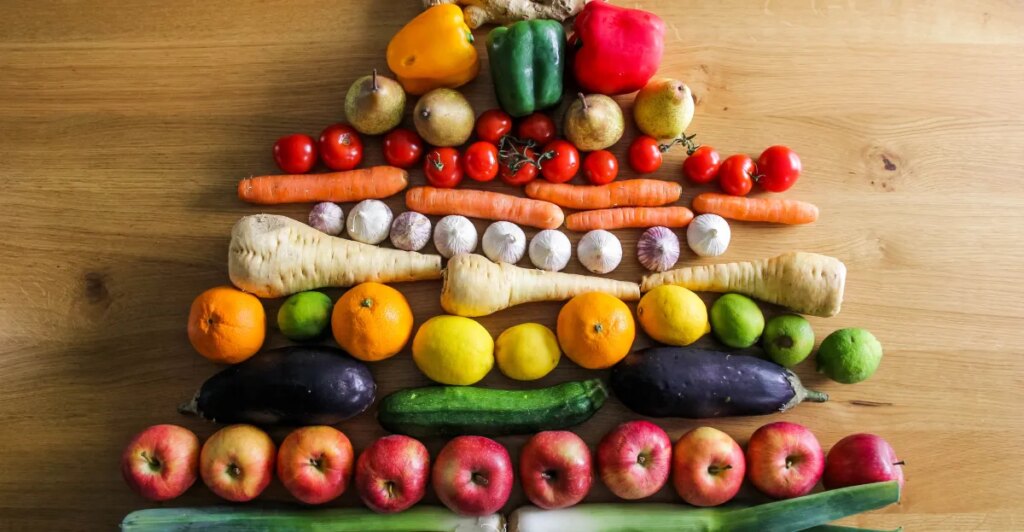
And this month’s release of new dietary guidelines for the country portrayed better eating as the cure to America’s chronic disease crisis. “My message is clear: Eat real food,” Kennedy said when announcing his new inverted food pyramid.
It is a message that resonates — and for good reason. Many chronic health problems, from hypertension to diabetes, can be the consequences of a poor diet. Ultra-processed foods have been the target of criticism not just from Kennedy but a wide range of medical and public health groups in the past few years.
But there’s a major problem with Kennedy’s vision: Simply insisting that people “eat real food” does not make it any easier for them to find or afford nutrient-rich meals in a country where most grocery stores are awash in fatty, sugary, and salty treats and over-processed foods.
Instead, he places the onus for healthy eating on the consumer rather than focusing on improving the food environment that makes it so hard for many Americans to eat healthy diets in the first place.
“It’s part of the whole MAHA movement to promote individual responsibility. That’s the constant mantra. Do your own research and make your own personal decision about how you feel about these things, irrespective of the science,” said Marion Nestle, a long-time nutrition policy researcher at New York University. “But we know from decades, and decades, and decades of research that individual responsibility is not enough.”
The hidden meaning in RFK Jr.’s “food is medicine” message
Even though doctors and nutritionists have been clear about the negative impacts of consuming too much ultra-processed foods, Kennedy’s were the first federal guidelines to discourage eating them. He gets credit for this.
But the guidelines themselves are still a bit wacky. They overemphasize protein based on the latest nutrition science, set unrealistic expectations around a “zero sugar” diet for kids, and endorse certain foods — specifically beef tallow — that continue to befuddle even the nutrition experts who largely agree with the recommendations.
Sign up for the Good Medicine newsletter
Our political wellness landscape has shifted: new leaders, shady science, contradictory advice, broken trust, and overwhelming systems. How is anyone supposed to make sense of it all? Vox’s senior correspondent Dylan Scott has been on the health beat for more than a decade, and every week, he’ll wade into sticky debates, answer fair questions, and contextualize what’s happening in American health care policy. Sign up here.
By adopting fairly conventional dietary advice, Kennedy has attracted widespread support for his food agenda. I spoke with a number of nutrition experts who, while uncomfortable with Kennedy’s actions on, for example, vaccines, still feel his tenure represents an opportunity to improve people’s eating habits and, as Kennedy himself would say, to address the underlying issues driving up rates of diabetes, hypertension, and more.
Ideally, they told me, we could have the best of both worlds: a healthy eating agenda that everyone from Kennedy and MAHA to the American Medical Association and American Academy of Pediatrics could get on board with, while embracing the best public health practices that have proven their value over the last half century.
But there’s a very real risk here, too.
The problem with labeling food as medicine, as Kennedy does, is it could be construed as meaning food instead of medicine. And that indeed is his administration’s implied message, as they cast doubt on vaccines, antidepressants, and even Tylenol: Embrace nutrient-rich foods, but avoid pharmaceuticals.
“Can you use diet to manage all clinical conditions without needing traditional pharma treatments? I think obviously the answer is no,” said Seth Berkowitz, a University of North Carolina doctor who has developed “food is medicine” programs. “It would be problematic to say, ‘Well, I don’t need to take X, Y, Z, I’m gonna do everything through diet.’”
This is already happening. Kennedy embraced vitamin A and cod liver oil over vaccines during last year’s measles outbreak in Texas. And it is in line with the more outlandish wellness trends you will find on social media, like people eating activated charcoal in the hopes they will purge their body of toxins, that have taken the “food is medicine” concept to illogical extremes.
What a real “food is medicine” strategy would look like
Under Kennedy’s conception of “food as medicine,” it’s on you, the individual, to put that practice into action.
The problem is the prescription for better eating has been tried — and has failed.
Many of us are living in “food swamps,” as nutritionists call them. Our local grocers and corner stores are stocked with cheap, unhealthy snacks and pre-made meals; the convenience of fast food restaurants are a short drive or walk away. Ultra-processed foods, especially those high in fats and sugars, are literally addictive. Their advertising is ubiquitous, flush with bright colors and cartoon mascots, and often, unhealthy foods are deceptively billed with health-conscious branding (I’m thinking of my beloved SmartFood white cheddar popcorn).
“Food is medicine,” as conceived by Kennedy, “frames poor diet as an individual problem that can be solved by the health care system or medical establishment, when it is a societal problem to be solved by these commercial determinants of health,” said Alyssa Moran, a nutrition policy researcher at the University of Pennsylvania. “But it does appeal to the people already looking for a natural cure and natural treatments.”
If we are serious about trying to address people’s healthy eating, we need to turn the country’s many food swamps into food oases that can make it truly feasible for people to eat healthy.
And, on that front, Kennedy has had conspicuously little to say.
Some nutrition experts do support the Trump administration’s efforts to limit what kind of foods can be purchased with food stamps (though the president has also signed off on significant cuts to the program). The new dietary guidelines will affect — and ultimately improve — which foods can be funded through the national school lunch program and the Women, Infants, and Children (WIC) program.
Those are small wins that some nutritionists have long sought. But they are hardly a cohesive plan to make healthy food more accessible and, as importantly, affordable. And the risks of steering people away from effective conventional medical care could outweigh the positive by warning people off ultra-processed snacks and toward whole fruits and vegetables.
Even so, food can be medicine — in the proper context. But what Kennedy means by “food is medicine” is not the same as what the American Heart Association or other clinicians mean.
Here are a few telling examples: In the 1980s and ’90s, community groups and local governments worked together to tailor meal programs for HIV patients who had no support for food shopping or preparation because of social stigma. The programs were narrowly focused, getting the right kind of food to a particularly at-risk population, seeking to overcome some of the structural barriers to their eating well. And today, Kevin Volpp, who is helping oversee a “food is medicine” initiative at the American Heart Association, which received support from the Biden administration, said their pilot programs aimed at getting whole foods to heart disease patients and those with uncontrolled diabetes were seeing “high follow-up rates, high customer satisfaction.”
At the same time, a structural overhaul of food regulations — from what ingredients are permitted to who can purchase unhealthy foods to how foods are advertised — could help address the root causes of the chronic disease crisis.
Some of the experts I spoke with sincerely want to see a ban on the most harmful ultra-processed foods being sold to minors, like tobacco or alcohol. But even short of a move like that, we could be doing a lot more to make it easier for people to make healthy choices.
That common goal is still worth pursuing, but not at the expense of modern medicine. It’s not an either/or, as Kennedy would lead you to believe; it’s both.
The post Can the right diet really cure all our health problems? appeared first on Vox.