The world’s first legally binding agreement to protect marine life in international waters took effect last weekend, marking a historic moment for ocean conservation after nearly two decades of negotiations.
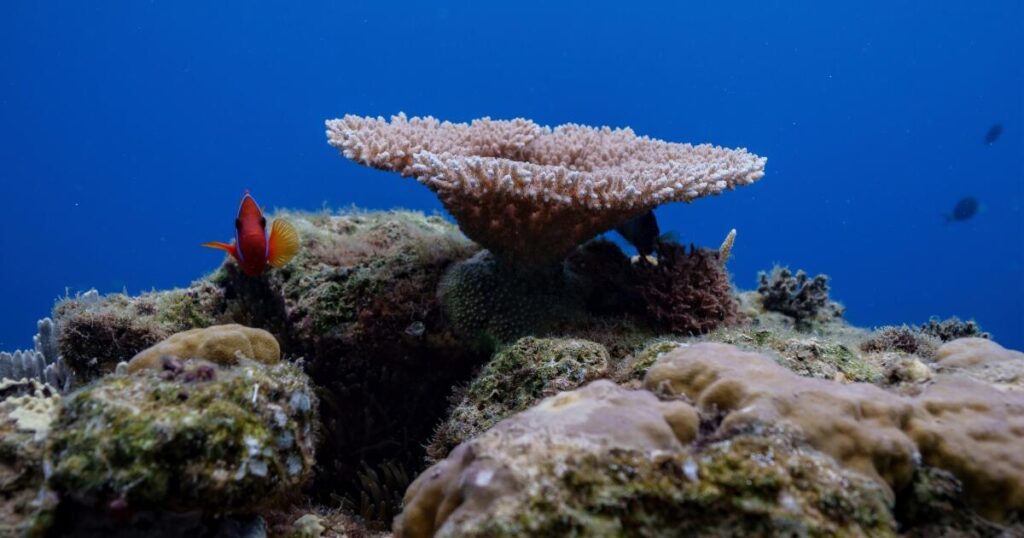
The High Seas Treaty will govern nearly half the planet’s surface — the vast ocean areas beyond any country’s control. These waters face mounting threats from destructive fishing practices, shipping, plastic pollution, overfishing and potential deep sea mining, all compounded by climate change. The ocean absorbs carbon dioxide and produces oxygen, making its health crucial for addressing the climate crisis.
The treaty entered into force 120 days after it reached the threshold of ratification by 60 countries in September. As of Friday, 83 countries had ratified it, including the recent addition of major maritime powers such as China and Japan.
The treaty creates the first framework for establishing Marine Protected Areas on the high seas, which make up about two-thirds of the world’s ocean. Currently, only about 1% of these international waters are protected.
Countries must now begin working together on ocean science and technology as well as help developing nations participate in ocean governance. Companies planning activities that could harm marine life must conduct environmental impact assessments that meet the treaty’s standards. Those conducting research on ocean organisms that could be used commercially, such as for new medicines, must notify other countries and share their findings.
Perhaps most significantly, countries must now promote the treaty’s conservation goals when they participate in other international bodies that regulate ocean activities, such as regional fisheries organizations, the International Maritime Organization and the International Seabed Authority.
Countries can begin preparing proposals for Marine Protected Areas immediately. Potential sites include the Emperor Seamounts in the North Pacific, the Sargasso Sea in the Atlantic and the Salas y Gomez and Nazca Ridges off South America.
How those protected areas will actually be monitored and enforced is undecided. Countries are exploring satellite technology and coordinating patrols among nations, said Rebecca Hubbard, director of the High Seas Alliance. Those details will be worked out as the first protected areas take shape.
Within a year, the treaty’s first Conference of Parties will meet to decide key details, from budgets to the makeup of various committees. Countries have been working through many of those questions at preparatory meetings, with a final session scheduled for late March. The earliest any Marine Protected Areas could actually win approval would be at the second COP, since the scientific body that will review proposals hasn’t yet been established.
The United States has signed but not ratified the treaty, meaning it can participate as an observer but won’t have voting rights. Under international law, signatory countries are expected to comply with treaty objectives even before ratification.
“The High Seas Treaty has such incredibly broad and strong political support from across all regions of the world,” Hubbard said. “Whilst it’s disappointing that the U.S. hasn’t yet ratified, it doesn’t undermine its momentum and the support that it has already.”
“The treaty is a sign that in a divided world, protecting nature and protecting our global commons can still triumph over political rivalries,” said Megan Randles, global political lead for Greenpeace’s Ocean Campaign. “The ocean connects us all.”
Hammerschlag writes for the Associated Press.
The post Things to know about the High Seas Treaty as it takes effect appeared first on Los Angeles Times.