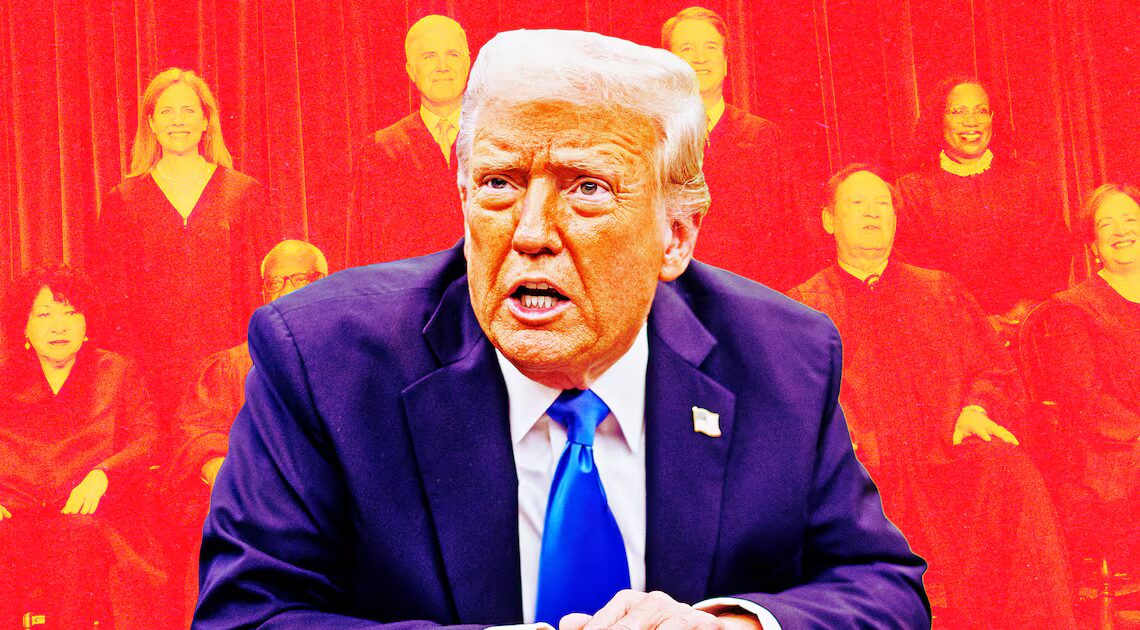
The U.S. Supreme Court appeared deeply skeptical that President Donald Trump could legally fire Lisa Cook from the Federal Reserve.
Justices on the country’s highest court heard oral arguments in the case before issuing a ruling that could have a dramatic impact on the president’s power and the independence of the Fed.
The case stems from Trump’s attempt to fire the Democratic-appointed board governor last August while accusing her of mortgage fraud as he sought to exert pressure on the Federal Reserve.
The president has also repeatedly attacked Federal Reserve Chairman Jerome Powell, demanding that the independent central bank lower interest rates. This month, the Justice Department subpoenaed the chairman as part of its own investigation.
Both Cook and Powell have denied any wrongdoing.
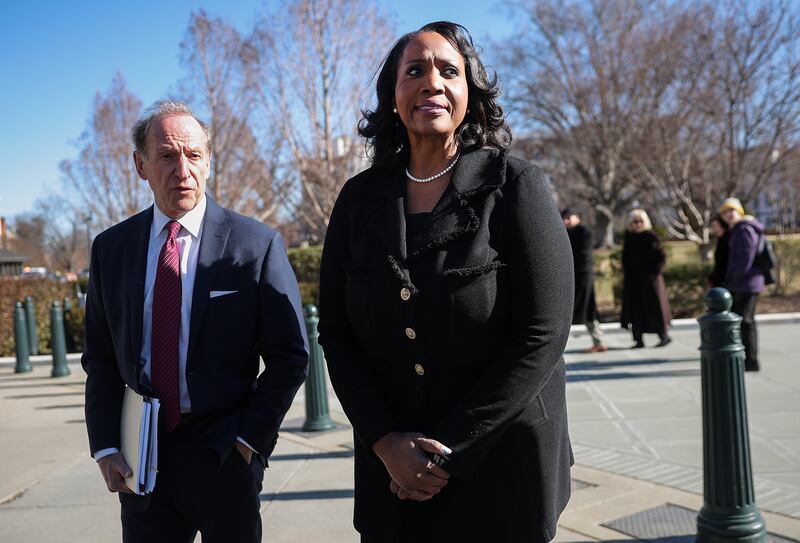
The issue before the court on Wednesday was whether Trump’s attempt to fire Cook complied with the Federal Reserve Act, which states members can only be removed “for cause.”
Lower courts have temporarily blocked Cook’s removal from the Fed, prompting the appeal to the Supreme Court.
In October, the justices allowed Cook to remain in her job temporarily. They now have to decide whether she can stay on the Fed board while the case proceeds.
Solicitor General D. John Sauer argued that the allegations of mortgage fraud met the “for cause” requirement for Trump to fire Cook.
Her lawyer, Paul Clement, argued that even if the mortgage fraud allegations were true, it does not meet the bar for removal because she applied for mortgages before being appointed by President Joe Biden in 2022.
On Wednesday, even conservative justices questioned the president’s power to fire a board member and whether the unproven allegations against her rose to the level of removal, as both Cook and Powell looked on from the audience.
Chief Justice John Roberts questioned Sauer over how the justices should look at the president’s accusations against Cook, “So it doesn’t make a difference whether this was an inadvertent mistake or whether it was a devious way to get a better interest rate, doesn’t matter for you, right?”
Justice Amy Coney Barrett also expressed skepticism about whether the seriousness of the allegations against Cook was enough to warrant removal and about the economic impact of her firing.
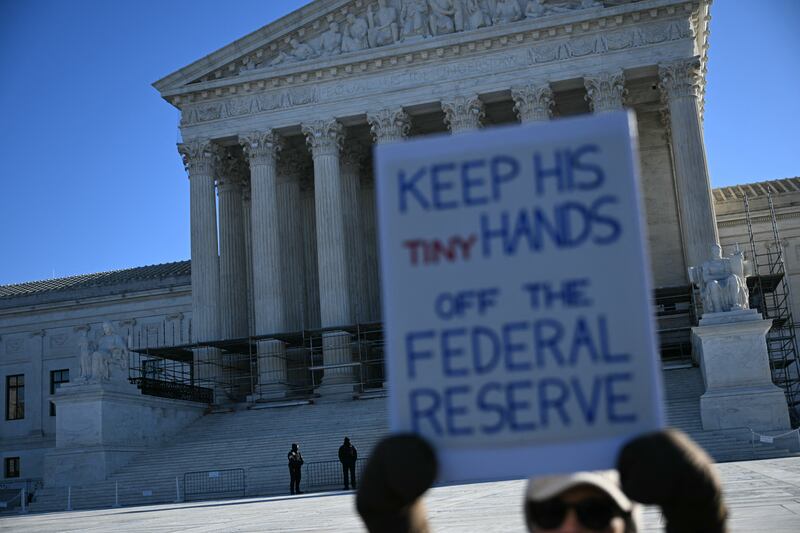
Amid Trump’s repeated attacks, economists and business leaders have warned about the importance of the Fed’s independence in making decisions free of political pressure.
Another conservative Justice, Samuel Alito, asked why the case needed to move so hurriedly, suggesting he was concerned that the allegations against Cook had not been fully examined.
Justice Brett Kavanaugh also asked Sauer a series of probing questions about the Fed’s independence.
The solicitor general argued on Wednesday that the president has the power to determine what constitutes cause, and that this power cannot be questioned, but Kavanaugh said the administration’s position would “weaken if not shatter” the independence of the Fed.
He observed what goes around comes around and said, “All the current president’s appointees would likely be removed for cause on January 20, 2029, if there’s a Democratic president, or January 20, 2033. Then, really, we’re at-will removal.”
No president since the Federal Reserve was created in 1913 has tried to fire a governor on its board until Trump.
The Supreme Court is likely to issue its decision in the coming weeks or months.
The post SCOTUS Justices Poised to Block Trump’s Fed Power Grab appeared first on The Daily Beast.