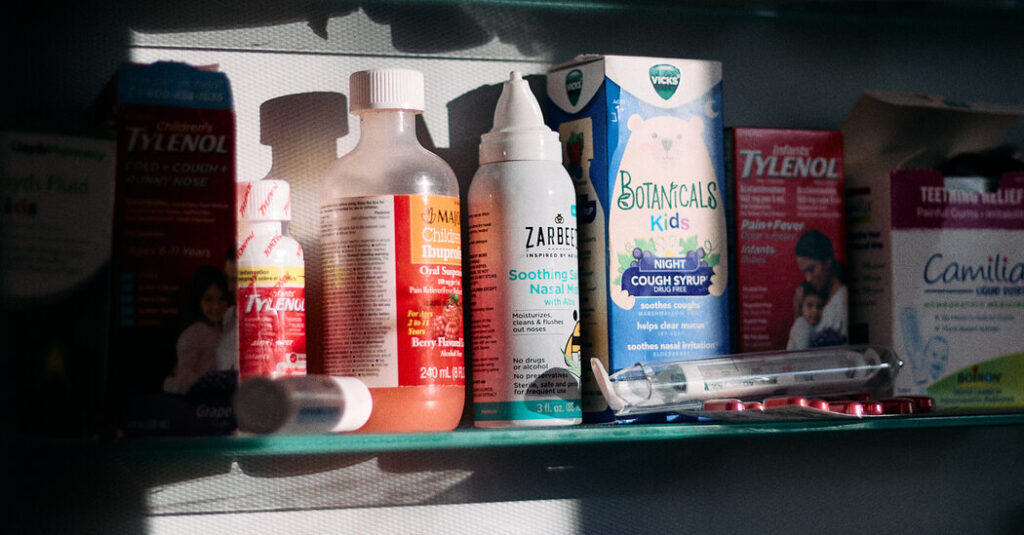
Many people have half-used creams, expired pills and an eclectic mix of medicines hiding behind the bathroom mirror or in a musty cupboard somewhere. But having the right basics can make it easier to treat symptoms at home.
Before you run out to your local pharmacy, though, take a quick inventory. “Rather than stocking our medicine cabinet, we should purge it,” said Dr. Sarah Nosal, president of the American Academy of Family Physicians.
Start by emptying your medicine cabinet and sorting everything by expiration date. Then you can figure out what you actually need.
What should you throw out?
Many medicines retain their potency well beyond the printed expiration dates, said Lee Cantrell, director of the San Diego division of the California Poison Control System. But it’s still safest to follow the label.
So toss anything that’s already expired, as well as loose pills, unidentified bottles and medications from old doses or regimens. It’s especially important to get rid of any unfinished antibiotics, since taking them later without medical guidance may not treat your infection and can contribute to antibiotic resistance, Dr. Nosal said.
And dispose of old medicines properly. Many pharmacies and hospitals have drug take-back programs or drop boxes, said Shelly Gray, a pharmacist and epidemiologist at the University of Washington.
If that’s not an option, consult the Food and Drug Administration’s “flush list” to see if a medicine can be safely flushed down the toilet. But most medications should be mixed with dirt or used coffee grounds, sealed in a plastic bag and thrown away.
What to keep in the medicine cabinet?
Once you’ve cleared out the clutter, there are some basic medicines worth having on hand. Just remember that “over-the-counter” doesn’t mean a medicine is safe for everyone, and it’s worth talking to your doctor — especially if you’re pregnant or taking prescription medications — about what’s right for you.
Wound care. Stock a variety of adhesive bandages in different sizes. For cuts and scrapes, skip hydrogen peroxide and rubbing alcohol, which can irritate the skin. Antibiotic ointments like Neosporin can also cause allergic rashes and should be avoided unless a clinician advises otherwise, Dr. Nosal said. Instead, keep petroleum jelly on hand, she explained.
It’s also worth having tweezers for splinters and hydrocortisone cream for bug bites and itch relief.
Pain and fever. There are two types of pain medications — acetaminophen (the active ingredient in Tylenol) and nonsteroidal anti-inflammatory drugs (which include Advil and Aleve). Keep both types, said Dr. Emily Hill Bowman, a primary care physician at Nebraska Medicine, since the medicines work in different ways. Consider stocking a topical anti-inflammatory drug, too, like diclofenac gel, for joint pain, she added.
Allergies. It can be helpful to keep an antihistamine to deal with seasonal allergies, as well as reactions from insect bites, new foods or pet dander, Dr. Bowman said. Look for active ingredients like cetirizine and fexofenadine, found in medications such as Zyrtec and Allegra.
You might also consider stocking an intranasal steroid spray to help alleviate nasal congestion, Dr. Bowman said. Benadryl is a popular antihistamine, but experts generally advised against it, as some research has associated it with cognitive health issues. Antihistamine creams should also be avoided, because they can sometimes cause a skin allergy, Dr. Bowman said.
Digestive issues. Drinking coffee and lots of water, as well as eating fiber, can help with constipation. But it’s also good to have a laxative for short-term relief or a fiber supplement for regularity, Dr. Bowman said. For heartburn, she recommends keeping an antacid.
Cold and flu. Keep a digital thermometer and the pain relievers mentioned above for fevers, Dr. Nosal said. It’s also good to have some cough drops and saline nasal spray, she added, since there’s generally limited evidence for over-the-counter cough medicine and oral decongestants — aside from pseudoephedrine (found in Sudafed).
To avoid unnecessary side effects, it’s also better to treat your symptoms directly, like using a pain reliever for a headache, instead of taking multisymptom cold and flu medicines. “You don’t want to be hunting for mice with a shotgun,” Dr. Cantrell said.
Parents should stock child-appropriate formulations in doses suited to their children’s age and weight, Dr. Nosal said.
Where should you store your medicines?
It’s best to keep drugs in a cool, dry place like a dresser drawer or closet shelf. (Some drugs, like insulin, have more specific storage requirements.) Avoid keeping them in your bathroom, where the heat and humidity can speed up their breakdown, Dr. Gray said.
It’s also best to store medicines in their original containers, Dr. Cantrell said, which have child-safety features; protect against moisture, light and air; and list the drug name, dosing instructions and expiration date.
Finally, keep your medications in a secure place, out of the way of children and guests. It’s not just a matter of privacy — it also helps prevent medications from being stolen, Dr. Cantrell said.
While a tidy, secure medicine cabinet won’t stop you from getting sick, it can stop the last-minute guesswork or pharmacy runs.
Simar Bajaj covers health and wellness for The Times.
The post Is Your Medicine Cabinet a Mess? appeared first on New York Times.