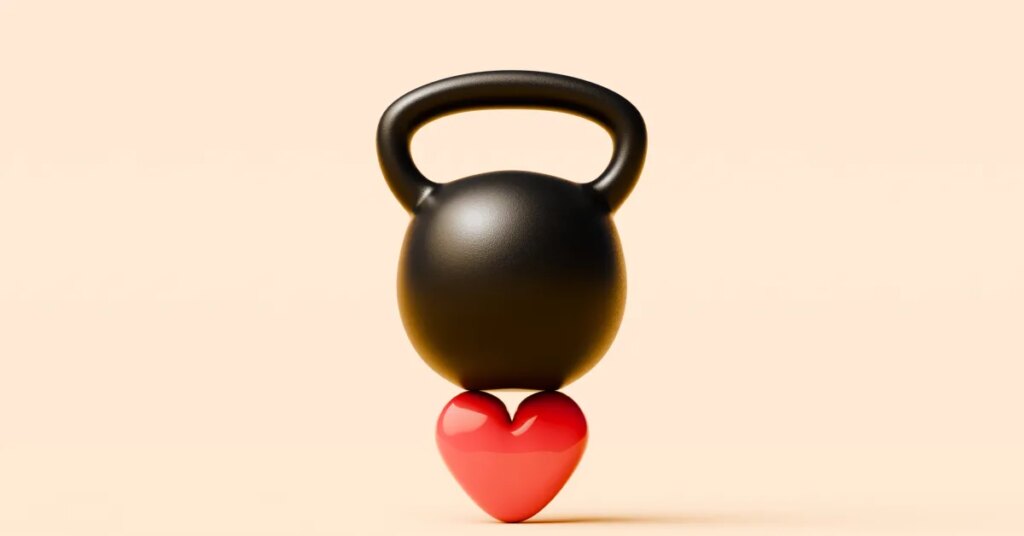
Cardiovascular disease is the leading cause of death for men and women in the United States—even as public health campaigns have increased awareness and scientific advancements have improved prevention and treatment capabilities
As a practicing cardiologist, I witness how our healthcare system treats patients. We spend time in meetings and appointments, prescribe medications, offer procedures and devices. And yet, too often, we fail to address the true foundation of health: psychological wellbeing.
[time-brightcove not-tgx=”true”]
When the base of psychological wellbeing is not strong, everything we offer to our patients cannot work effectively. When a patient can’t show up to a check-up, commit to taking a pill every day, or summon the energy to make lifestyle changes, they don’t get better. And you have to feel a certain way to manage all those tasks.
The way we treat patients is wrong.
It has become clear to me that there is something important missing in healthcare. We are in desperate need of a system that unites psychology and clinical medicine. For too long we have lived in a world where psychological research, healthcare system management, and medical tools have been separated from the education, practice, and treatment plans of clinical medicine. However, research consistently shows that psychological wellbeing is intricately intertwined with physical health. Optimizing mental health translates into better prevention, adherence, and health outcomes after major medical events or diagnoses. To truly help our patients, it is imperative that we assess and discuss psychological wellbeing and focus on ways to educate our patients on how to improve it. Connecting our patients to psychologists and reinforcing the validity of the mind-body connection should be a standard part of medical practice.
While there are many components to mental health and wellbeing, there is one that I believe holds tremendous value: Resilience. Resilience is what makes us continue to put one foot in front of the other and flourish even after facing hardship. Resilience is what helps us show up to a check-up, commit to taking a pill, and summon the energy to make lifestyle changes, and more. It is what helps us get better.
Life is full of innumerable and constant challenges. At some point we all encounter an unforeseen traumatic event, whether that is a financial crisis, natural disaster, divorce, or a new medical diagnosis. Each time we face a challenge, the body reacts with a stress response. Both acute and chronic stress are damaging to the body in a myriad of ways. But learning to elicit a resilient response, instead, can transform the negative effects of stress and allow someone to evolve in a healthier way.
But first, we must prioritize resilience in our healthcare system. Those of us within the sector must begin to recognize that a medical diagnosis or event is a form of trauma, and for many patients it paralyzes them. The words I hear so often from my patients after they have received a coronary artery stent, a new heart valve, or learned they have some form of cardiovascular disease is “When am I going to feel like myself again?” I see in their eyes a sense of despair, as their world has been turned upside down. Cultivating resilience in these moments, and afterwards, can have a major impact on a person’s ability to recover.
I want people to know that most of us are innately resilient, and we all have the capacity to build up our resilience with some basic tools. There’s science behind resilience.
Imagine a world in which we incorporate resilience education into how we care for patients and promote recovery from and prevention of disease. The healthcare industry needs to explore ways to support our patients in this regard, and one way would be the creation of resilience training programs at hospitals and clinics. The management of a patient’s condition could also involve handing them a prescription to enroll in these programs. Medical schools could begin to teach about the interaction of the mind and body so that doctors in training learn to see patients in a more holistic way. Children can be taught resilience tools, so it becomes ingrained into the framework of how they approach and handle difficulties and sets them up for success as adults if they receive a new medical diagnosis. Prescribing resilience can help people find a path forward, heal physically and mentally, and experience meaning and joy as they do.
Resilience is a light that helps us find the path out of the darkness and allows us to thrive after whatever life throws our way. Resilience is medicine. And it must be part of our approach to health.
The post Can Resilience Improve Your Health? appeared first on TIME.