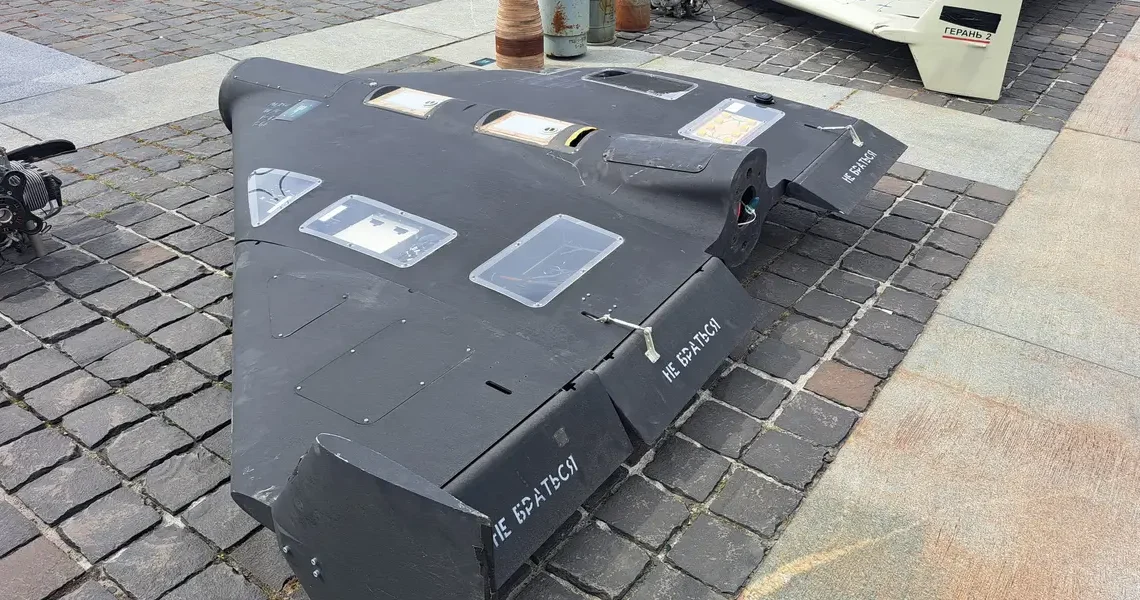
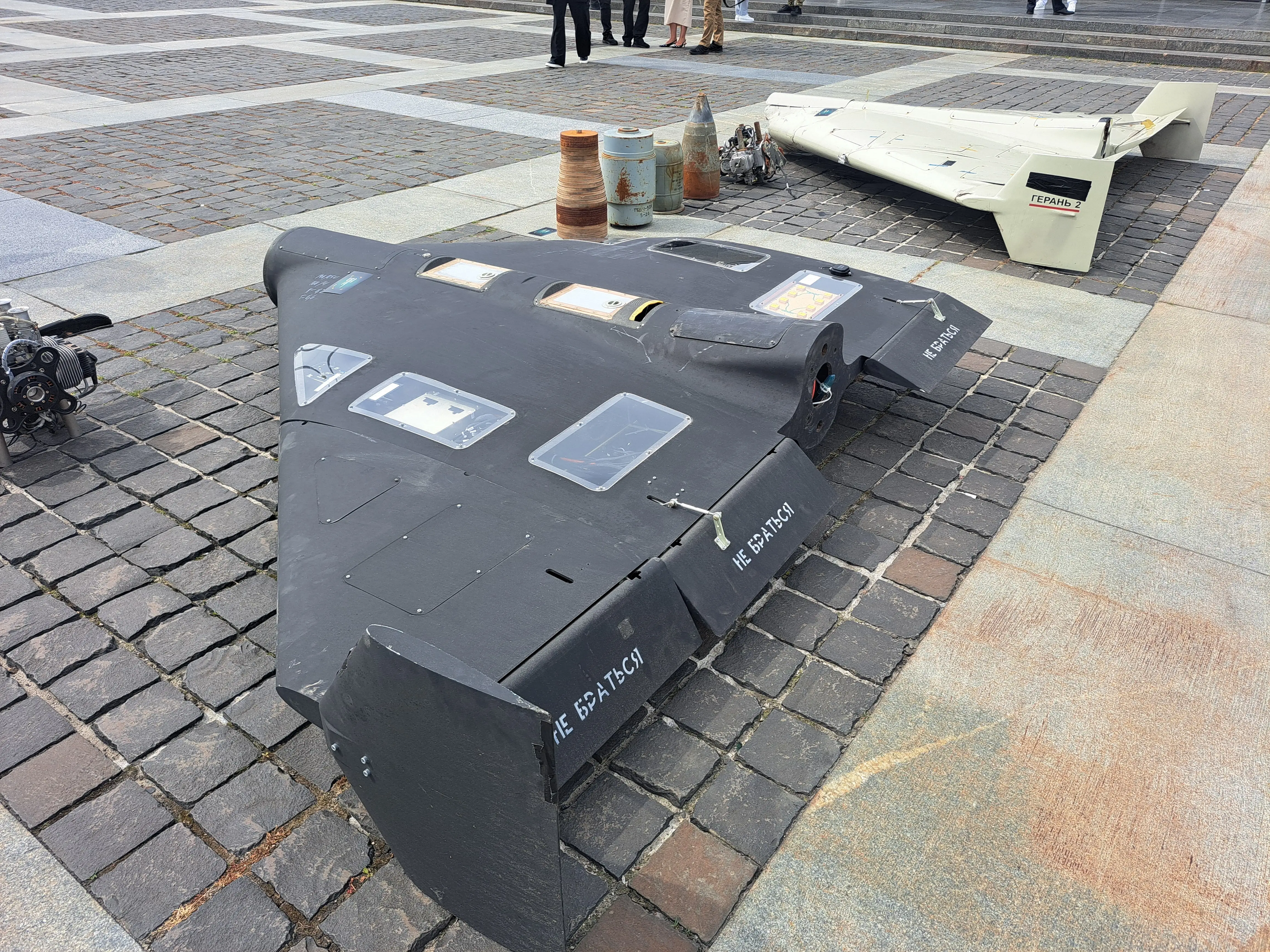
Russia has plans to more than double production of its Iranian-designed attack drones to 1,000 per day, said Ukrainian Armed Forces’ commander in chief, Oleksandr Syrskyi.
“The enemy plans to significantly increase production to use up to 1,000 drones per day,” Syrskyi said of these drones.
He was speaking in an interview published on Sunday by the local media outlet LB.Ua, in which he commented on a wide range of topics, including the effectiveness of Ukraine’s deep strikes into Russia and the balance of power in drone warfare.
Syrskyi gave a precise assessment of Russia’s current Shahed manufacturing, saying that Moscow can now produce 404 Shahed drones “of various types” every day.
These Russian delta-wing drones are closely modeled after Iran’s loitering munitions. Moscow manufactures its own versions, dubbed Gerans, as well as cheaper decoys called Gerberas.
Russia typically deploys a mix of strike drones and decoys when launching long-range attacks into Ukraine, and can send hundreds in a single night.
Syrskyi did not say if Russia’s daily Shahed production included Gerberas, nor did he break down exact production figures for each type of Shahed-type drone. The Geran-1 and Geran-2, propeller-driven drones that can fly up to 115 mph, are more common than the faster, jet-powered Geran-3.
Pushing to 1,000 Shaheds
Launching 1,000 Shahed-type drones a day would be a massive surge in Russia’s attack capability. Moscow has generally been deploying 5,000 to 6,000 Shaheds a month against Ukraine, and half to four-fifths of these are usually strike variants.
Per an analysis by the Institute for Science and International Security, Russia launched an average of 166 Shahed drones per day in December 2025. However, it’s known to sometimes pause or reduce the intensity of its strikes to accumulate a stockpile for later use in a single large wave.
Cost is a major advantage for Shaheds. Each is estimated to cost between $20,000 and $70,000, making it cheaper and easier to manufacture than a conventional missile and providing Russia with a way to scale up its strike capability more sustainably.
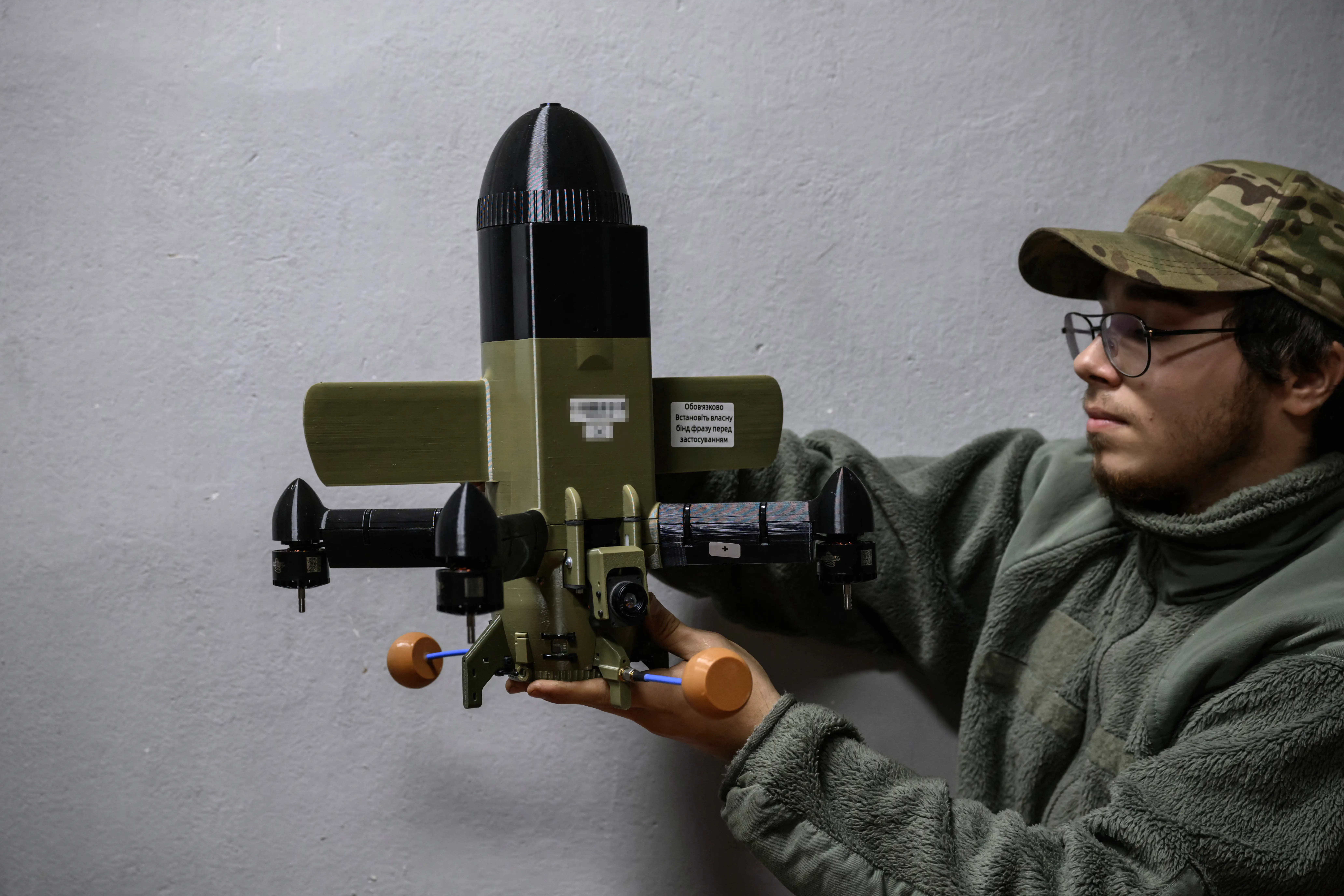
Resource-strapped Ukraine has responded by seeking cheaper complements for its air defense network, including the growing use of small interceptor drones.
Still, Russia’s monthly use of Shahed-type drones has remained largely stagnant for the last six months. Moscow has, meanwhile, been experimenting with the loitering munitions, such as equipping them with air-to-air missiles or rear-facing cameras.
Syrskyi’s public assessment also comes after Ukrainian President Volodymyr Zelenskyy warned on Friday that his country was running low on ammunition for Western-supplied air defense systems.
Zelenskyy said that Ukraine had just secured a replenished stock of those munitions, but before that, it was fielding “several systems without missiles.”
“Today I can say this openly, because today, I have those missiles,” he said.
As for other drones used in the war, Syrskyi said that Russia and Ukraine were now evenly matched in production quantity. Both Kyiv and Moscow have sporadically claimed the advantage on this front in recent years.
“The question is in quality. In conventional drones, quality is on our side. In fiber optics, unfortunately, we are only catching up with the enemy,” Syrskyi said.
Read the original article on Business Insider
The post Russia is pushing to build 1,000 of its localized Iranian Shahed drones every day, Ukraine’s military chief says appeared first on Business Insider.