
This as-told-to essay is based on a conversation with Cesar Carvalho, the CEO and cofounder of Wellhub, a global corporate wellness platform. The conversation has been edited for length and clarity.
I became interested in consulting through some older friends while studying at the University of São Paulo in Brazil. Their stories about how fast you could learn and grow in the career made me want to pursue it.
I applied to all the top firms and accepted McKinsey’s offer to be a business analyst in 2010 as soon as I received it. It was the best thing I could imagine as a long-term career.
I was at McKinsey for about two years before they encouraged me to pursue an MBA. At that time in Brazil, you could only become an associate or a manager if you had one.
I applied to Harvard Business School with the intention of returning to McKinsey and continuing the consulting journey. But the summer of my first year in Boston, I had the idea of starting WellHub.
The wellness gap I saw as a consultant
The working environment at McKinsey was super intense. I would do an average of 10 to 12 hours a day, and when there was a crunch, it could be more.
As a consultant, I often traveled to different cities or juggled between a client’s office and McKinsey’s office. There were no gym memberships that provided access to facilities in different locations.
If I were at a client site and had two hours before my next meeting, I would have nothing to do but extra work. I had three gym memberships that were going unused, and I wanted to feel less stressed and improve my well-being.
My experience showed me there was a need for busy workers to get convenient access to health and well-being. And I quickly realized that was true not just for CEOs, bankers, and consultants, but also for FedEx drivers and grocery store workers.
It’s now been 14 years since I started Wellhub.
We’re now in 18 countries, and partner with 40,000 companies to offer wellness to their employees, including many McKinsey offices. 5 million employees engage with Wellhub every month.
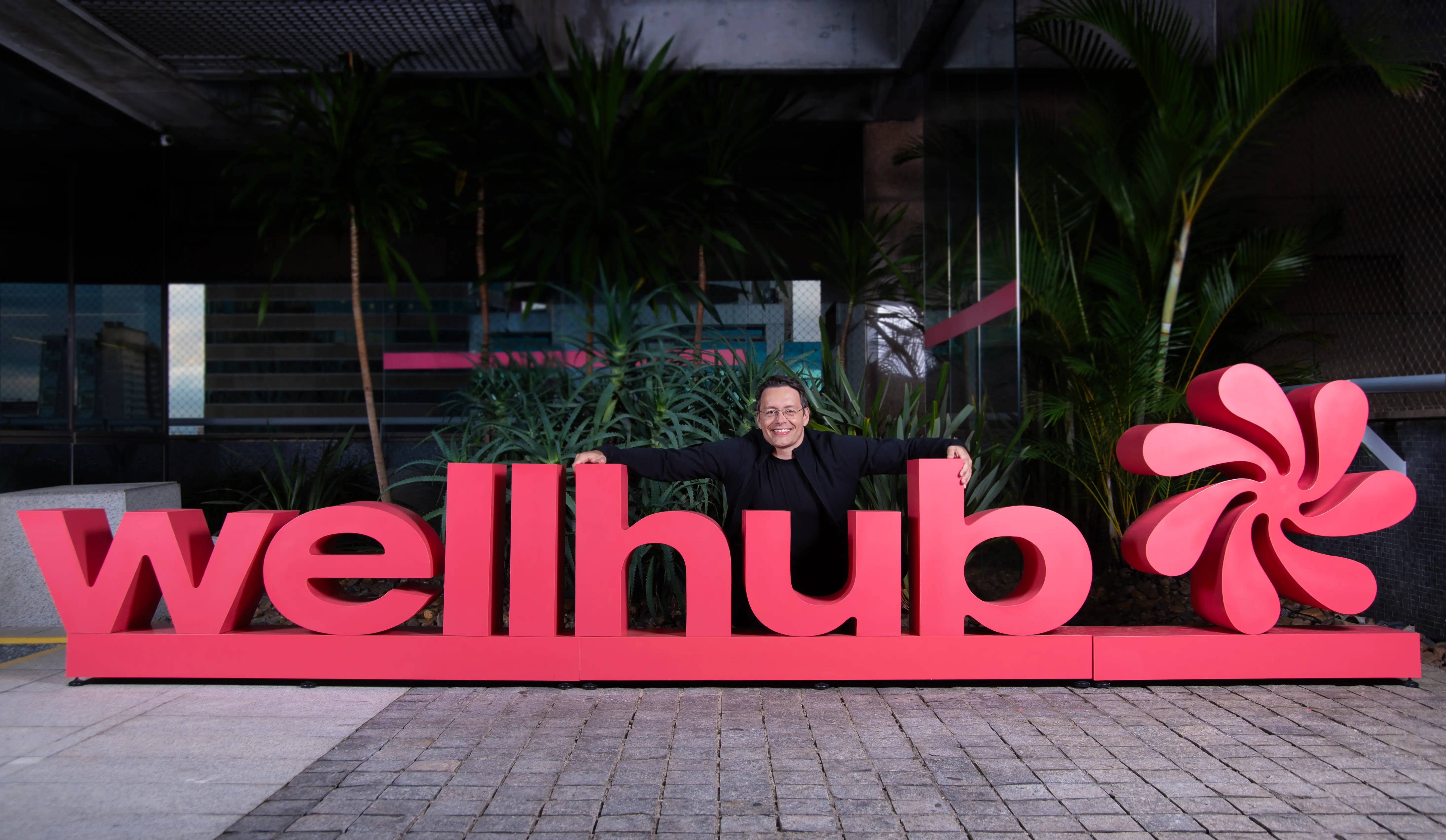
With Wellhub, employees can book a class regardless of the country or city they are in, without needing a membership for a specific gym or studio. Companies pay a fixed monthly fee based on their employee count, and employees also contribute.
Working at McKinsey helped me as a founder
I grew a lot at McKinsey, and that was especially thanks to one thing — in two years, I worked under seven different partners, all with their own managing style.
It could change everything: the team culture, the hours you’re putting in, and the work you prioritize. I quickly learned what worked well for me, and what didn’t.
The best experiences I had were when we were given flexibility. Some leaders used a process I always use today: a kickoff meeting in which every single employee is given the opportunity to talk about their own boundaries and how they operate.
Managers with families would say their ideal schedule was to go home early, eat with their families, and then log back on if needed. My own boundary at McKinsey was that I was willing to work as much as needed during the week, but my weekends were sacred. During my two years at the company, I worked only four or five weekends.
I learned that when expectations are clear and leaders are good enough to ask and respect the boundaries of employees, you can get everything done and still have great morale.
I also made a ton of friends, and those connections became really important. My Wellhub cofounder and several colleagues worked at McKinsey with me, and two of my seven angel investors were my previous bosses.
Hustle culture is a liability
Companies benefit from having employees who are active and in a great state of well-being.
If companies don’t support well-being, they won’t just be less productive — they’ll also have higher costs than peers who do invest in it.
It impacts the amount of sick leave and PTO people take, and plays into retention and attraction.
The trend some corporate companies have taken towards hardcore culture is completely insane. Hustle culture is a liability, not an asset.
Many CEOs are missing the mark, and the consequences will show up as companies underperform those that take a more balanced approach. Hustle culture leads to burnout, and it pushes great people out before they would otherwise leave.
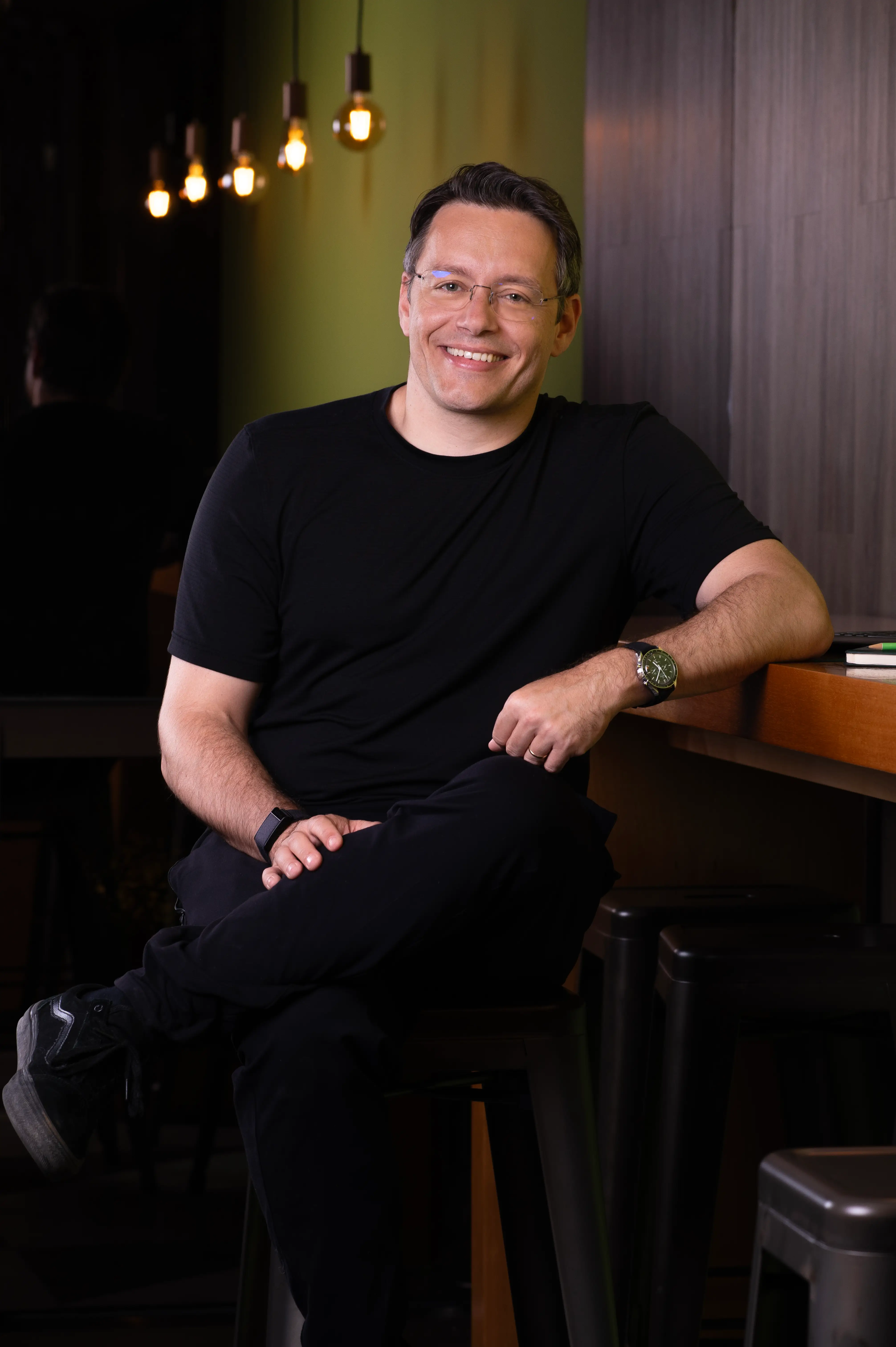
As a CEO, I believe in treating every employee like an adult and trusting them. My focus is always on getting the work done — not how many hours it takes or whether someone is showing up to the office.
When I meet coworkers, we typically do a yoga session or a workout, instead of going to bars or restaurants. If you switch a happy hour for a wellness hour, and build healthy habits into everyday routines, you can improve well-being across a company.
To me, well-being means being productive, healthy, and happy. I put productive there because it means that happiness and health are being put to good use.
I want to be a great CEO to my employees, want to inspire our clients and partners to join the movement, but more importantly, I want to be a great dad to my three kids, and a great husband to my wife.
My solution is integrating life and work. You don’t need to be sacrificing your marriage or family for success.
When people ask me, “What are your hours?” I say, “I’m working all the time. I’m thinking about work when I’m exercising.”
I have also built rituals in my well-being journey that I almost never break.
Whenever I’m traveling, I call my kids at 7:30 p.m. no matter what — even if that means setting an alarm for 2 a.m. It’s a way for me to be close to them, no matter where I am.
Do you have a story to share about your career as a consultant? Contact this reporter at [email protected]
Read the original article on Business Insider
The post I founded a wellness startup after leaving McKinsey. Hustle culture is a liability, not an asset. appeared first on Business Insider.