Iran’s nationwide Internet blackout will last until late March, a new report said — as fears grow that Iranians’ access to the Web will be permanently stripped as a means for Tehran to control them.
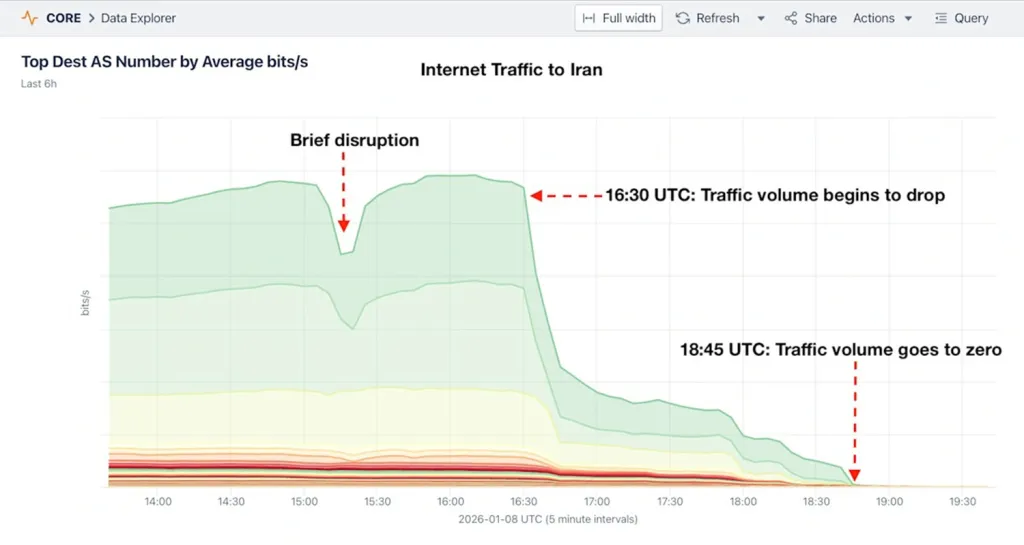
Iran is now 10 days into a near-total Internet shutdown, which the Islamic Republic has defended as a means to undermine the alleged “terrorists” behind the anti-government protests that have gripped the country.
The blackout, which has left protesters unable to coordinate and unite, will allegedly carry on until at least the Iranian New Year on March 20, government rep Fatemeh Mohajerani said, according to IranWire.
FilterWatch, a group tracking Internet freedom in Iran, warned that as the blackout continues, the regime is quickly trying to put in place new restrictions to further cut off the Islamic Republic from the rest of the world.
Tehran’s plan threatens to hurl Iran into a “new age of digital isolation” that would allow the current regime to roll out mass Internet censorship to crush any and all dissent, FilterWatch said
“There should be no expectation of reopening international internet access, and even afterwards, users’ access to international internet will never return to its previous form,” the group warned.
Tehran first cut off Internet services across the nation Jan. 8, a typical tactic from the regime to stifle dissent and keep images of the crackdown from spreading — as evident by the previous shutdowns during the 2019 and 2022 protests.
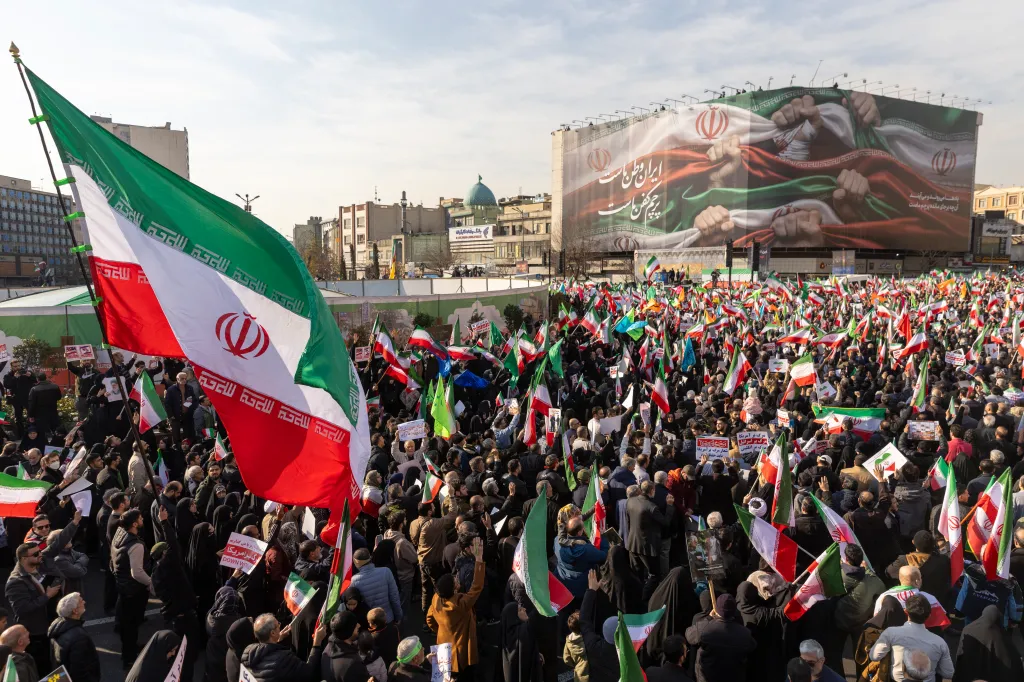
The blackout allowed the latest protests to remain uncoordinated, with the lack of Internet access also burying the full extent of Iran’s brutal crackdown on the demonstrations.
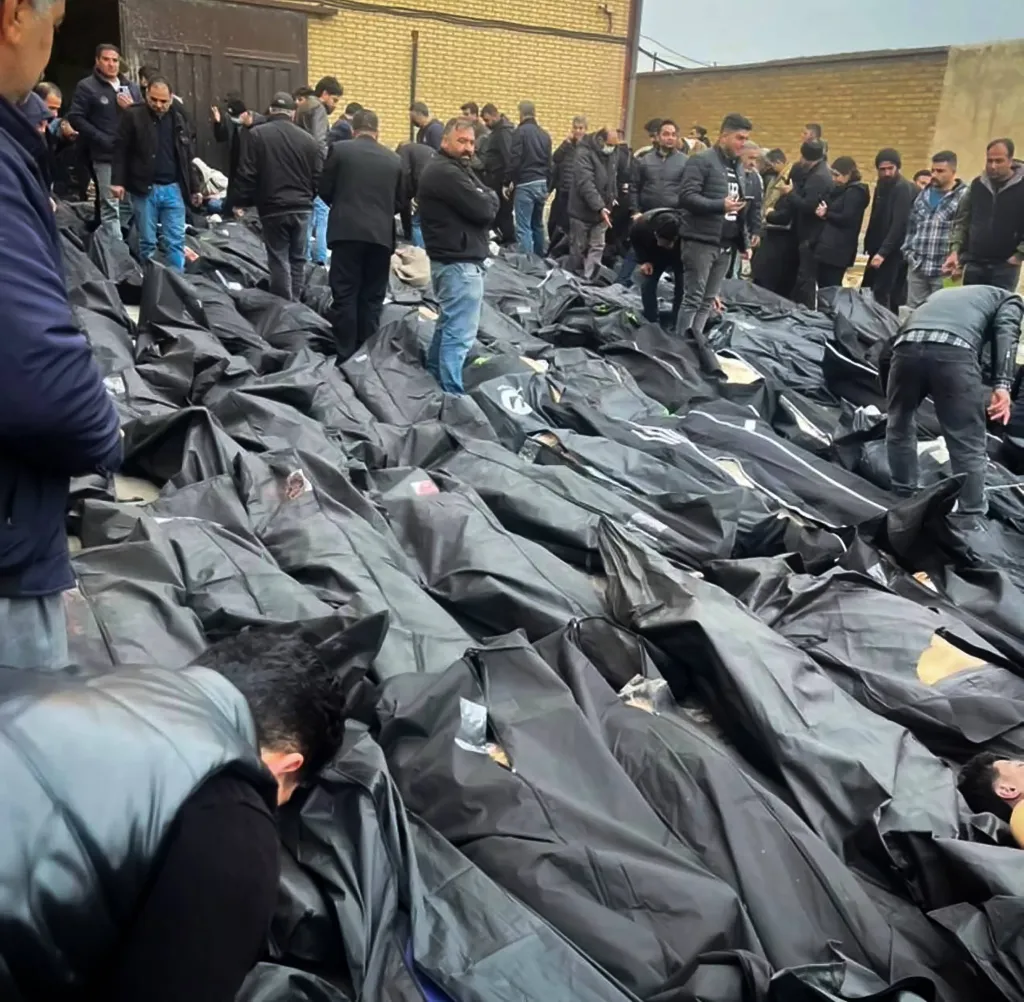
But some images and footage of the violence against the protesters have still gone through and went viral, triggering international scrutiny as the death toll rose Sunday to at least 5,000, an Iranian official told Reuters, citing official figures.
Experts watching Tehran’s moves fear that Internet access will soon become a privilege solely for those who are aligned with the regime.
Amir Rashidi — director of cyber security and digital rights at the Miaan Group, which runs FilterWatch — said Iran’s Internet access is likely to be rolled out on a tiered system, with access only given to those who the government approves of, the BBC reported.
Such a system would further quiet the voices of those leading the resistance against Tehran’s current government, Rashidi told the UK outlet.
If implemented, Iran would join countries such as China that have systems in place to keep their citizens out of popular social-media websites including Facebook and YouTube.
The post Fears grow that Iran’s Internet blackout may turn permanent to weaken dissent appeared first on New York Post.