I sat on a leather couch in a glass room, staring up at three faces I had just disappointed.
I had just turned down a major ad campaign, and my agents were not pleased. They called me into the agency headquarters straight after my freshman virtual reality programming class, as if I’d been caught cheating on a test, when all I had done was “no.”
[time-brightcove not-tgx=”true”]
In the room, I tried to explain: the company had a history of disregarding the environment and had made racist remarks in the past. To me, joining their campaign felt wrong.
Looking at their faces, I could tell my words evaporated before they even landed.
“Listen,” one of them finally said, “That kind of money is like a down payment on a house.”
It was true. Plus, I had just come out of one of the most financially vulnerable periods of my life. As a Deaf, trans artist in college, that paycheck could have paid disability bills, health insurance, and rent. A small voice in my head reminded me: these opportunities won’t last forever. As a trans and disabled person, the inevitable costs of medical and gender-affirming care would only grow with time.
It was a privilege to even be offered that much money—so much so that I’ve never spoken about this moment publicly. How do you balance gratitude for an offer most people never get with the guilt of turning it down?
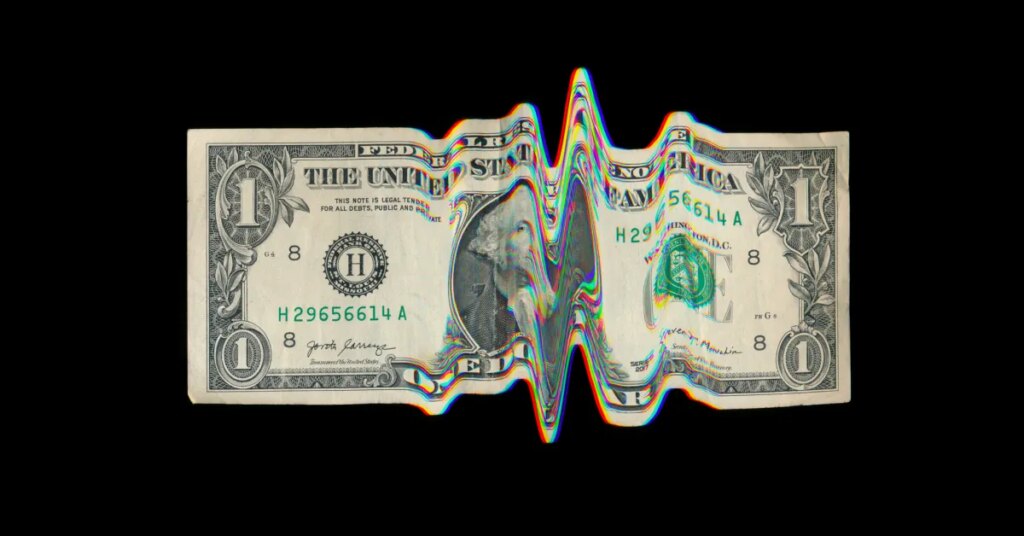
That’s the trap for marginalized artists: our ethics are entangled with our survival inside capitalism. Saying “no” gave me peace, but it also closed doors. I haven’t been offered any projects that pay close to that much since, especially in today’s political climate.
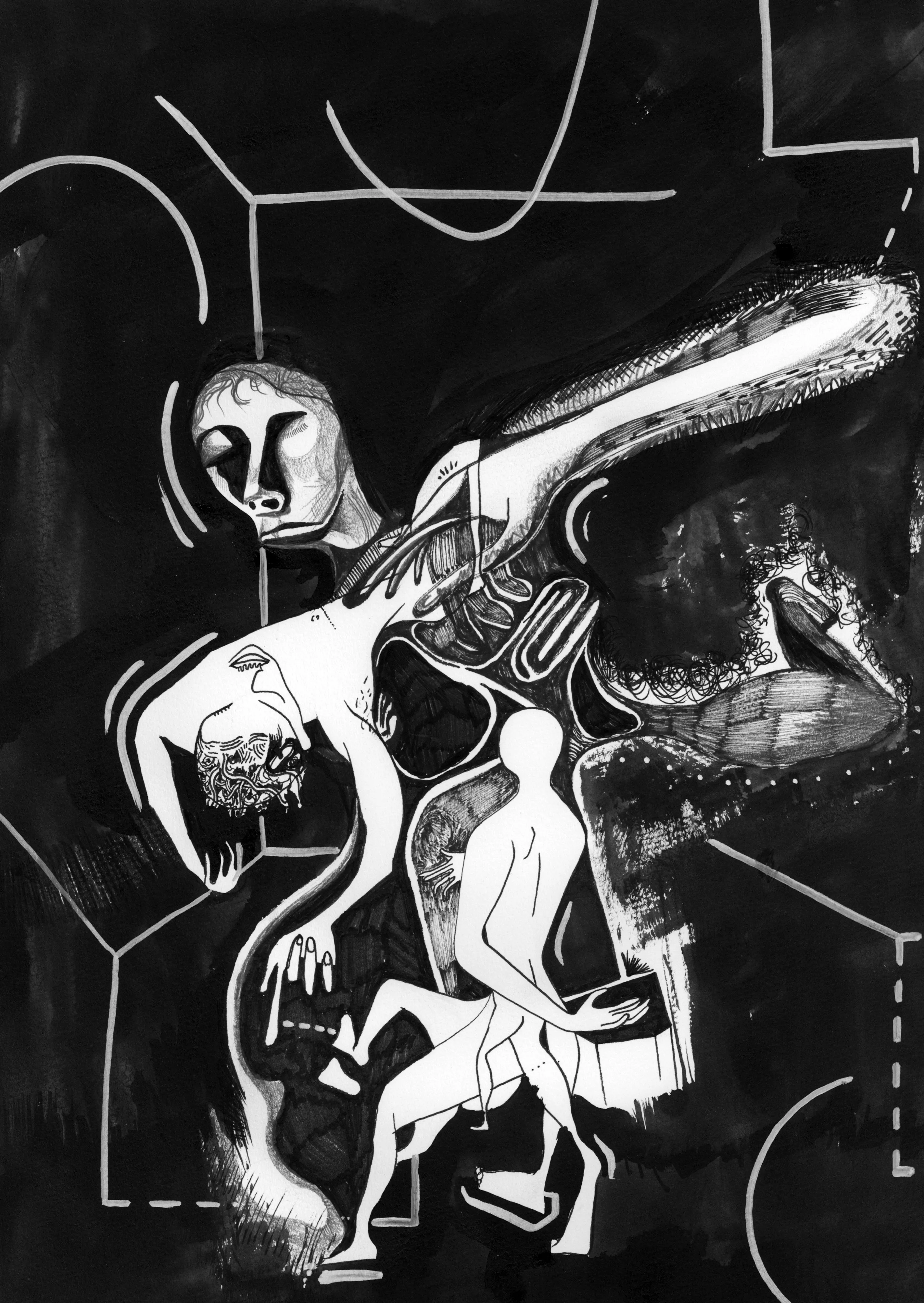
Looking back, I see that my decision wasn’t just about one paycheck. And it was made based on the illusion of a moral binary. My agents told me, “You being part of the campaign would cause more good than bad.” At 18, they almost convinced morality worked that way.
I couldn’t control the company’s environmental practices. But I would have had complete control over the paycheck: what it funded, who it supported, what it built. That money could have gone to interpreters, access for my projects, therapy, or mutual aid for trans and disabled organizations. Ironically, the representation itself was part of the bargain: visibility for a trans, deaf, BIPOC artist. My younger self would have found that life-altering.
Turning down money and the chance to take up space doesn’t automatically make you ethical. Sometimes it just makes you broke. And when you’re broke, you can’t fund the work you believe in. Meanwhile, the same communities who want representation and equity often slam artists for being connected to anything less than “perfect justice.”
But justice is never perfect. It’s flattened into two dimensions online, where people judge only what they can see, never the full picture of someone’s life—even if they are a public figure. Yet, even on social media platforms, owned by some of the wealthiest men in the world, I find it ironic that this is where strangers, or even other artists share their criticism for my complicity in capitalism.
We are all complicit in capitalism. The difference is that, as an artist, I’ve chosen to make myself available for this scrutiny. I need my communities to hold me accountable, even when it hurts. Their anger and critique remind me that capitalism is unjust. But I also know that I can’t do my work outside of it. And as an artist, I’ve chosen a career that challenges those in power—and sometimes, the only way to do so is to shift the system from within.
So what is justice? Who benefits from an artist refusing to accept money? If I’d taken the campaign, I might have lost some support, but I could have funneled thousands of dollars back into my communities. That’s what I try to do now, whenever the rare opportunity arises: accept, then redistribute. At the cost of judgment, I can financially support the people I love and ensure I have healthcare, safety, and even joy.
Saying “no” isn’t always sanctimonious. Saying “yes” isn’t always corrupt. In a capitalist society, upholding your values is never simple. It’s a constant negotiation between what you can live with, what you can build, and what you are willing to sacrifice.
The post The Artist’s Capitalism Trap appeared first on TIME.