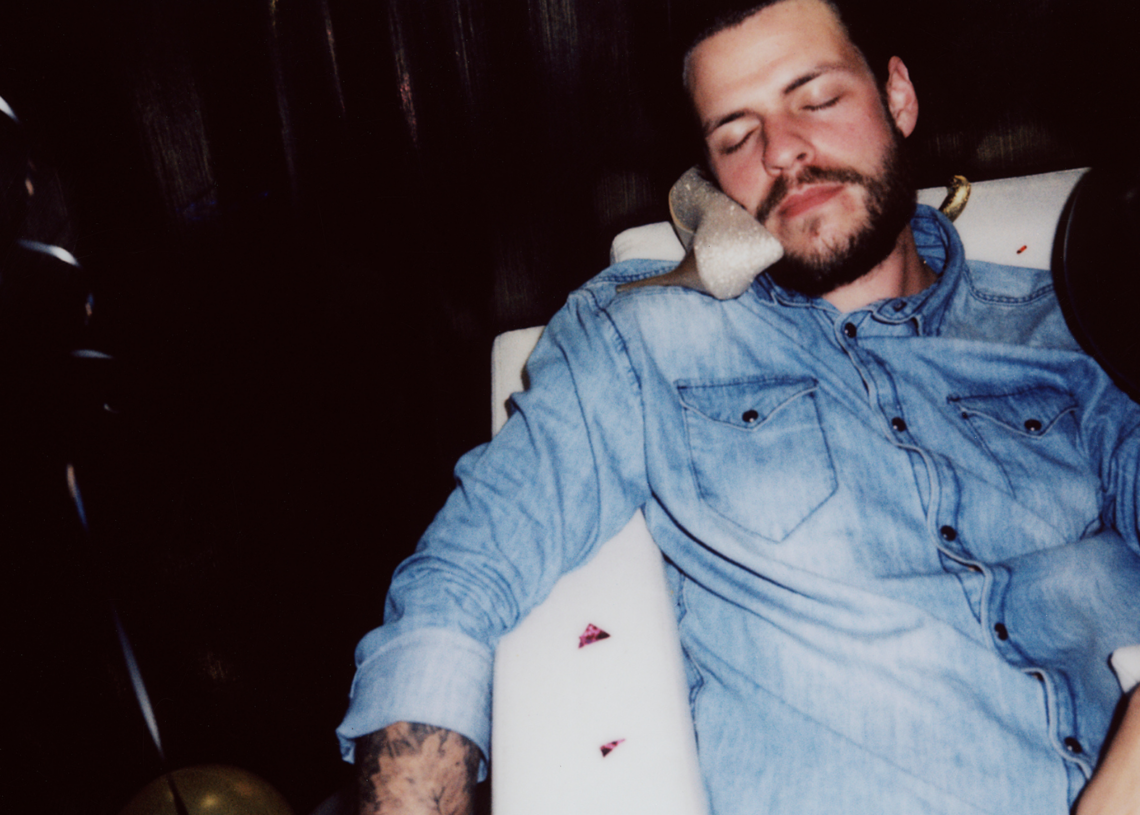
Anyone who’s woken up after a night of heavy drinking and immediately regretted their entire personality is already familiar with hangxiety. The “one last shot” somehow turns into rereading texts, filling in memory gaps, and convincing yourself you ruined something important. The hangover is physical, but the real damage feels psychological.
Alcohol tweaks the brain’s braking and gas systems, meaning pretty much all gas, no brakes. During intoxication, it boosts GABA signaling and dampens glutamate activity, which can feel like sweet relief. Then the alcohol wears off, and the brain tries to correct course. That rebound can leave people in a more excitable state, which helps explain why anxiety spikes when the buzz is gone. The same basic imbalance, low GABA and higher glutamate, shows up in clinical descriptions of alcohol withdrawal, too.
Sleep is the other villain in this story. Alcohol can make falling asleep feel easier, but it disrupts sleep structure and reduces REM sleep, the stage tied to emotional processing and memory. Waking up tired and wired primes the brain for irritability, racing thoughts, and that “everyone hates me” soundtrack.
Of course, how much alcohol you consume is going to matter. The National Institute on Alcohol Abuse and Alcoholism defines binge drinking as a pattern that typically looks like about four drinks for women or five for men in roughly two hours. That level of intake is more likely to push the body into a stressy, dehydrated, low-quality-sleep spiral.
Not everyone’s personality is created equal, though. A study in Personality and Individual Differences found that people who scored higher on shyness showed a bigger jump in anxiety during hangover, and that increase tracked with alcohol-use risk markers. Basically, if someone already runs anxious or socially vigilant, alcohol can make the next-day scaries ten times worse.
There’s no magic hack, but harm reduction helps. Eat before drinking, pace drinks with water, and stop pretending caffeine fixes sleep deprivation. If anxiety after drinking is intense, frequent, or paired with tremors, sweating, or panic that feels unmanageable, medical experts recommend getting support rather than trying to white-knuckle it. And let’s be honest, alcohol is a poison, so do with that what you will.
The post Got ‘Hangxiety’? Why Alcohol Turns Your Brain Against You the Next Day appeared first on VICE.