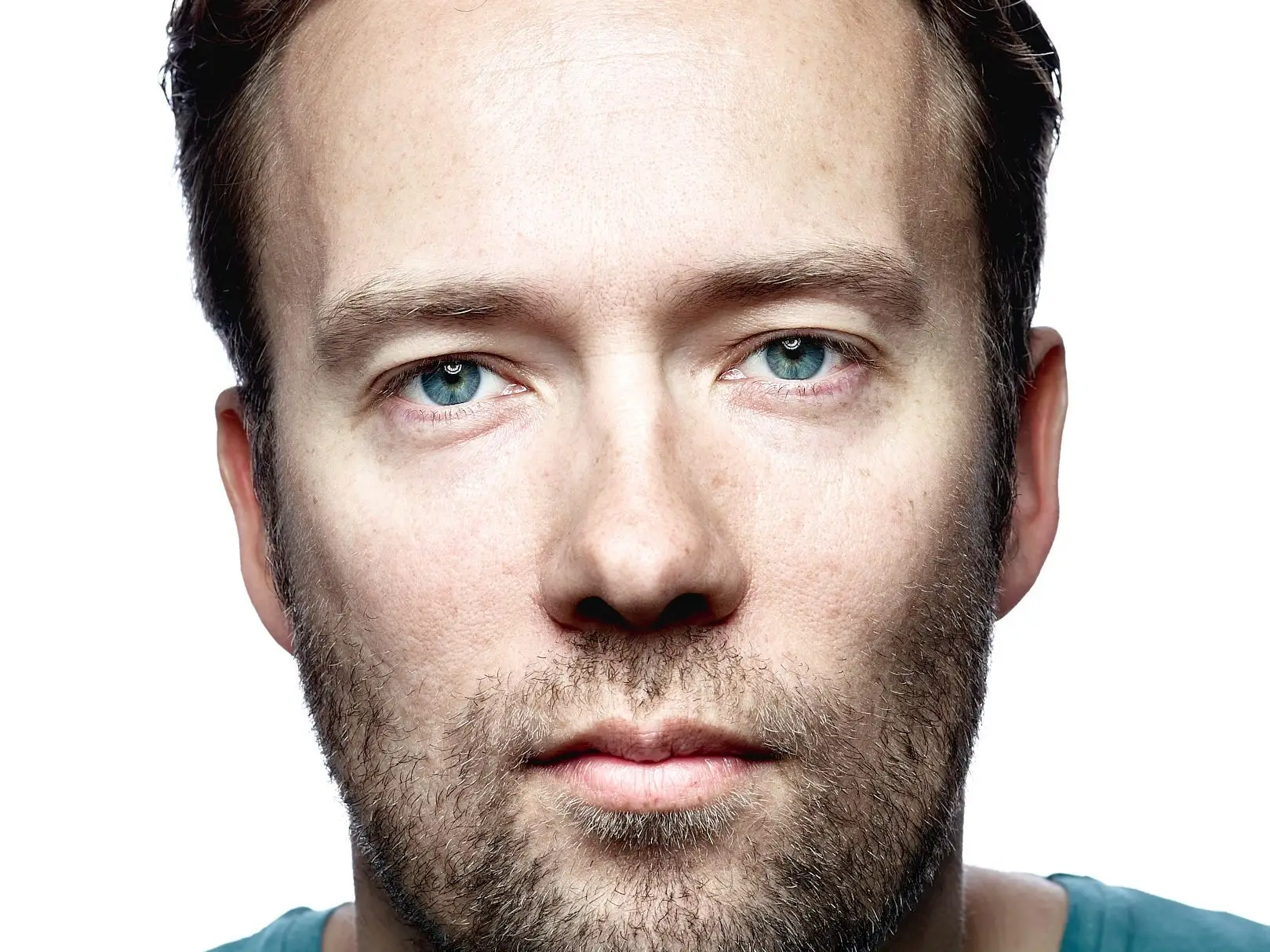
Tech entrepreneur David Heinemeier Hansson says he’s hopeful about AI in the long term, but right now, he’s just not seeing enough to meaningfully change his approach.
“I feel like it’s a little bit like a flickering light bulb,” Hansson said during a recent episode of “Next Token.” “You’re in total darkness and then it’ll flicker on and you go like, ‘I can see everything.’ And then two seconds later, boom, pitch black.”
Hansson said when he asked AI to write lines of code, the output is not “as good as a job as most junior programmers I’ve had to deal with.”
“I’m not feeling that we’re falling behind at 37 Signals in terms of our ability to produce, in terms of our ability to launch things or improve the products,” he said. “And this is why I’m a little skeptical about the claims that AI is already now at a place where you can take your standard SaaS business and then fire half the programmers and still go faster.”
Humans coded 95% of the code for Fizzy, 37 Signals’ Kanban-inspired organization product, Hansson said. They’ve experienced with AI-powered features for the product, but for now, they’ve ended up on the cutting room floor.
Hansson said he doesn’t see his business losing ground because he’s focusing on writing his own code. For the time being, he can still “care about the beauty of it.”
“That’s a luxury that perhaps is akin to what a modern saddle maker enjoys when you go, “Oh, the letter’s just right, and the stitching is just right.’ And you’re like, ‘Okay, but you’re no longer part of the main production for transportation,'” he said. “And I’m like, ‘Well, so what?’ I’ll continue to make my handwritten code saddles as long as I can for my enjoyment.”
‘Just try to hold onto your hat’
Alternatively, Hansson said he’s seen the promise of AI in the type of tools Shopify uses, where he serves on the board.
“Some of the things that they’ve done with SiteKick, the AI agent they have helping merchants set up their shop and optimize their shop is truly incredible,” he said. “And there’s some real tangible benefits in that that I think are undisputable.”
Overall, Hansson said he’s excited about the promise of a new era that could upend development, just as the iPhone’s 2007 release ushered in a focus on mobile optimization.
“This is the first one where we, in real time, know the world is going to look totally different, and we don’t know what the final result is going to be,” he said. “So I think the best thing you can just do is accept that A, we don’t know, B, that it’s really exciting, and C, just try to hold onto your hat, jump on there cowboy and ride it and see where it goes.”
He also said AI isn’t going away, no matter what some people may hope.
“That power does not exist. You don’t get to roll these things back. Now, you could personally choose that you’re not going to use gen AI,” he said, adding that some people may also try to avoid buying products that were aided by AI.
Hansson said he’s amazed by just how much of the US economy is based on large bets that AI will break through its current limitations and reach something akin to Artificial General Intelligence, the theoretical moment where AI reaches capabilities akin to humans.
“The entire American economy right now is one big bet that that’s going to happen,” he said. “And I, as AI positive as I am, still marvel at that. The conviction of an entire economy to just combined go like ‘Whatever takes 100 trillion, a thousand trillion. I don’t care. We will get there.’ I go like, ‘That’s why America is fucking number one.'”
Read the original article on Business Insider
The post Ruby on Rails creator David Heinemeier Hansson says AI can’t yet equal most junior programmers. It’s why he still mostly codes by hand. appeared first on Business Insider.