Growing up on the West Side of Maui, the island of Molokai was always in view, but I never made the short journey over — until now.
Molokai sits between Maui, Lanai, and Oahu, spanning 260 square miles. Many consider it to be one of least touristy and most well-preserved visitable Hawaiian islands.
It’s home to fewer than 10,000 residents. Although Lanai, for example, has a smaller population of just 3,200, it offers two world-class Four Seasons resorts, whereas Molokai has historically resisted large-scale tourism.
There are no major resorts, chain stores, or even traffic lights on the island, making it feel like you’ve been transported back to old Hawaii.
I’ve always viewed Molokai as a beautiful and sacred place with a community protective of its land, culture, and pace — and not always eager for outsiders.
After visiting, I’m grateful to have finally experienced firsthand why the island is also lovingly known as The Friendly Isle.
Flying is the only way to get to and from Molokai.
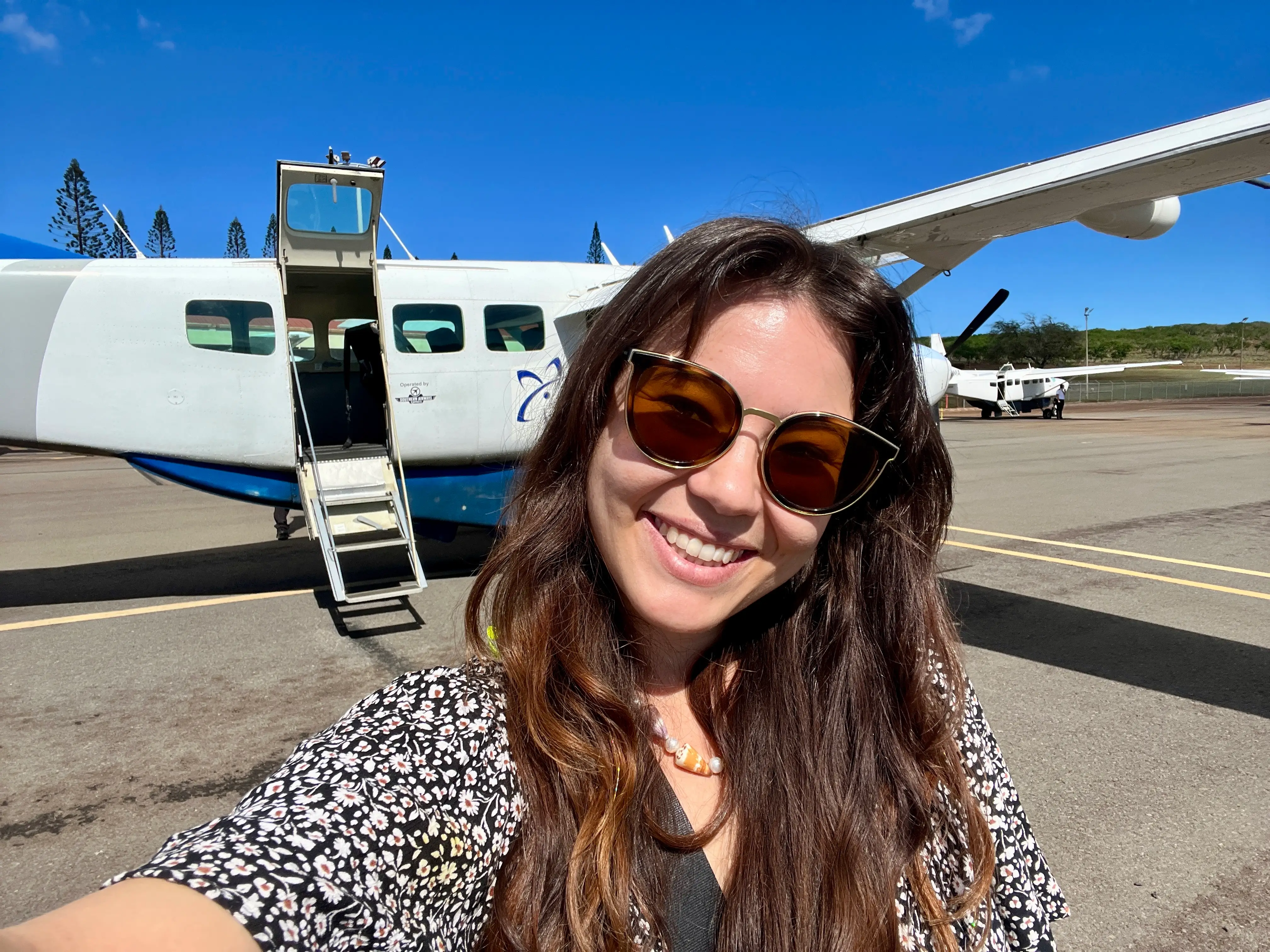
A ferry once ran between my hometown of Lahaina and Molokai, but the route was discontinued in 2016, making the island even less accessible.
Today, small commuter planes are the only public means of getting to Molokai — typically a short, scenic 20-minute flight from Maui.
However, this limited access is a key factor behind why Molokai has remained the least touristy of the islands.
My first day was spent on Molokai’s arid west side.
Known for its dry and rugged coastlines, this part of Molokai is dotted with kiawe trees, large patches of red dirt, and mostly empty beaches with views of southeast Oahu.
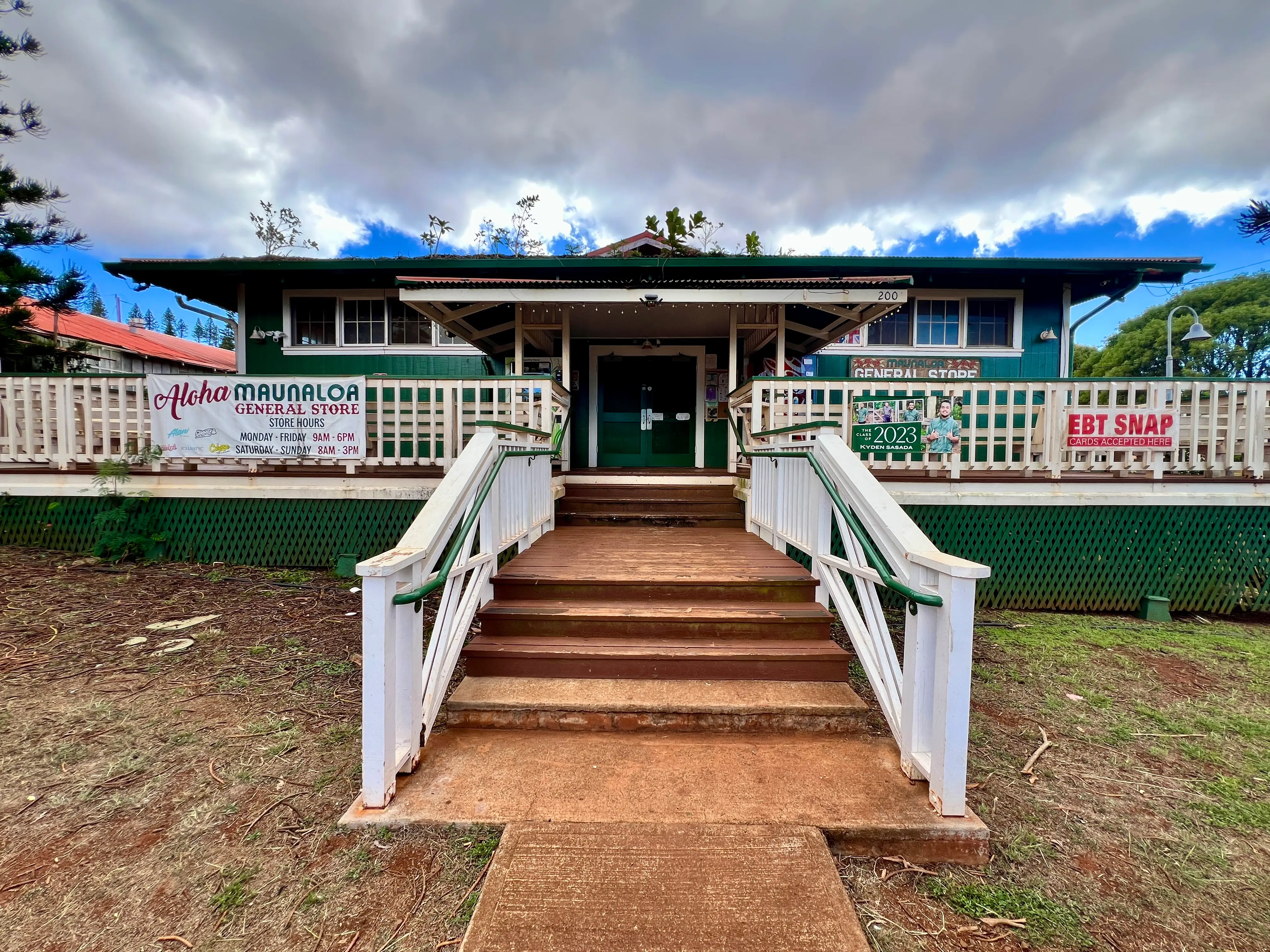
On my way to beach hop, I stopped in the small town of Maunaloa for refreshments at the convenience store and a visit to Big Wind Kite Factory, a mom-and-pop kite shop, and the adjacent Pineapple Gallery filled with art and souvenirs.
My ultimate destination was Papohaku Beach, one of Hawaii’s largest white-sand beaches.
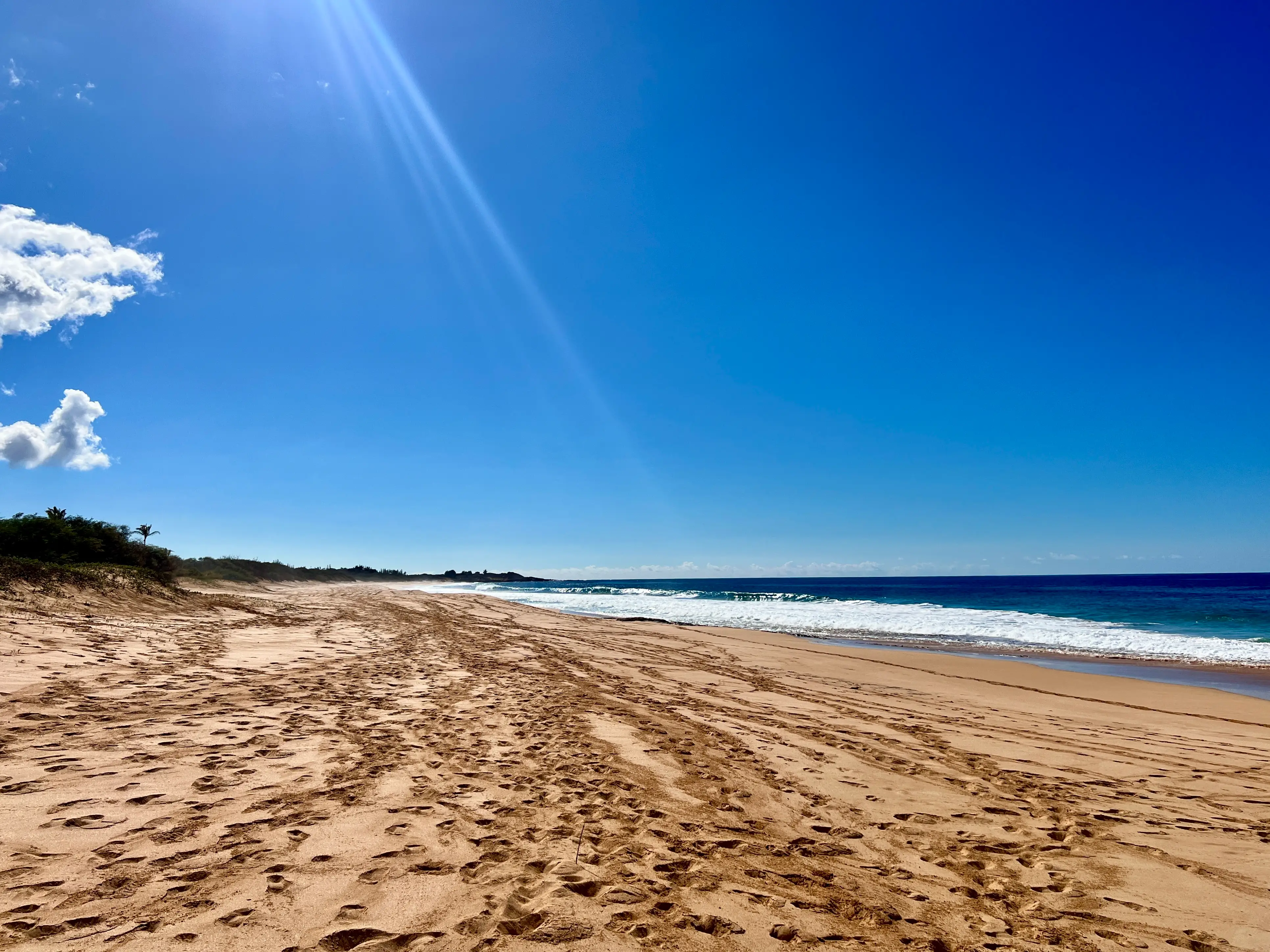
Also known as Three Mile Beach, Papohaku Beach is one of the longest continuous beaches in the state.
I arrived around 2 p.m. on a Wednesday and stayed for over an hour.
On most islands, the afternoon is peak beach time, when shorelines are typically packed with families, sunbathers, and people playing in the waves. However, Molokai is different.
Despite its size and beauty, Papohaku Beach was nearly empty: Only one other person walked along the water before disappearing, leaving me in peaceful seclusion.
The beach stayed incredibly peaceful throughout my visit.
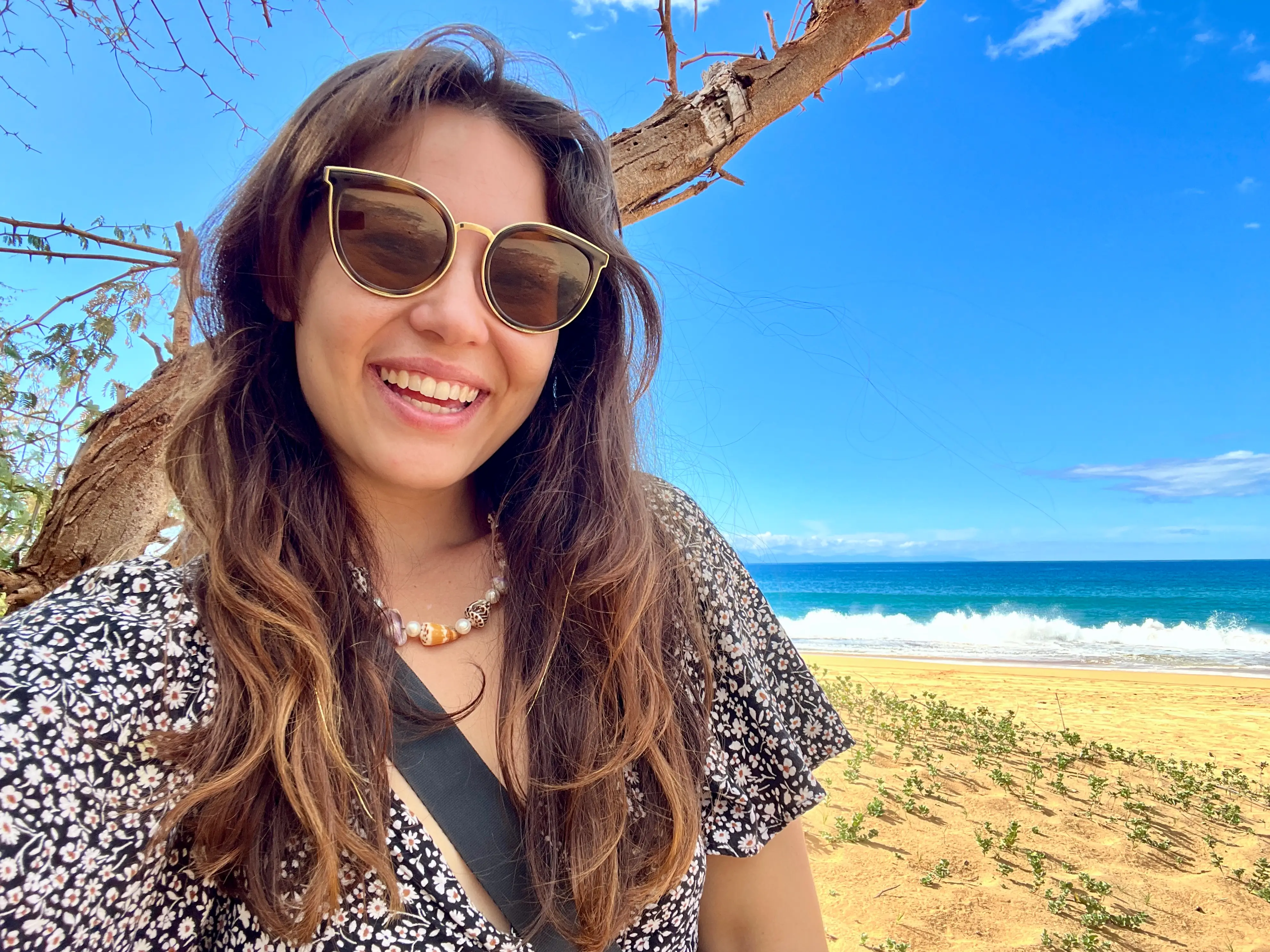
I didn’t see any lifeguards, snack stands, or shops for beach equipment rental. I wondered how visitors accustomed to more structured beach days — especially families with children — might experience it.
Early December is a slower travel period across Hawaii, but even then, being alone on a beach this spectacular felt surreal — a perfect illustration of just how uncrowded Molokai is compared to the rest of the islands.
I visited some other beaches, but none felt as inviting as Papohaku.
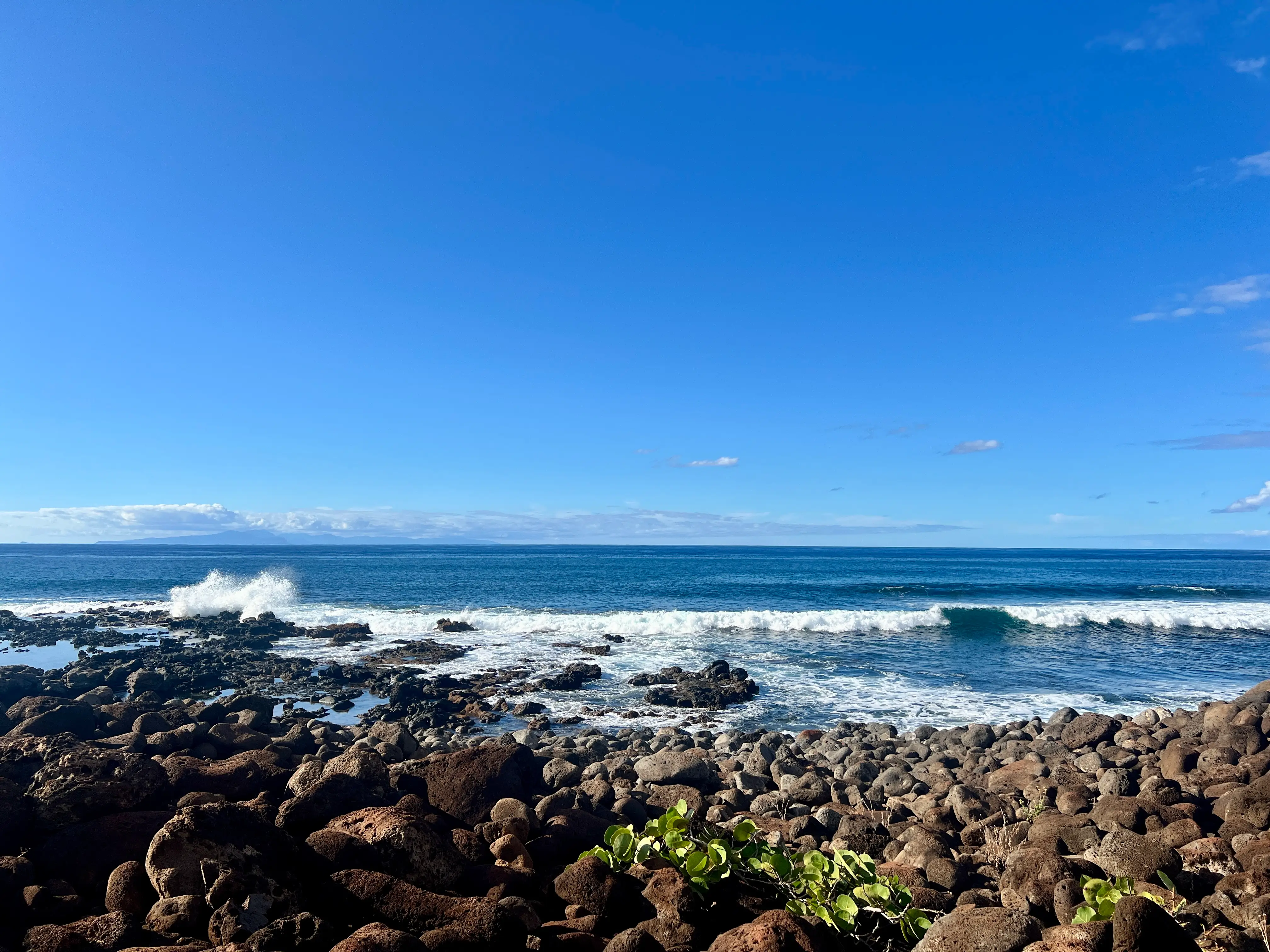
Poolau Beach, located just north of Papohaku, was completely empty as I sat to watch waves crash onto the rocky shoreline.
Dixie Maru Cove — a small, sheltered beach at the very end of the West Side’s paved road — had just one other person there, but it felt surprisingly cramped after having Papohaku all to myself.
Next time, I’d return to Papohaku and spend the whole day there.
I checked into Hotel Molokai, one of the only traditional hotels on the island.
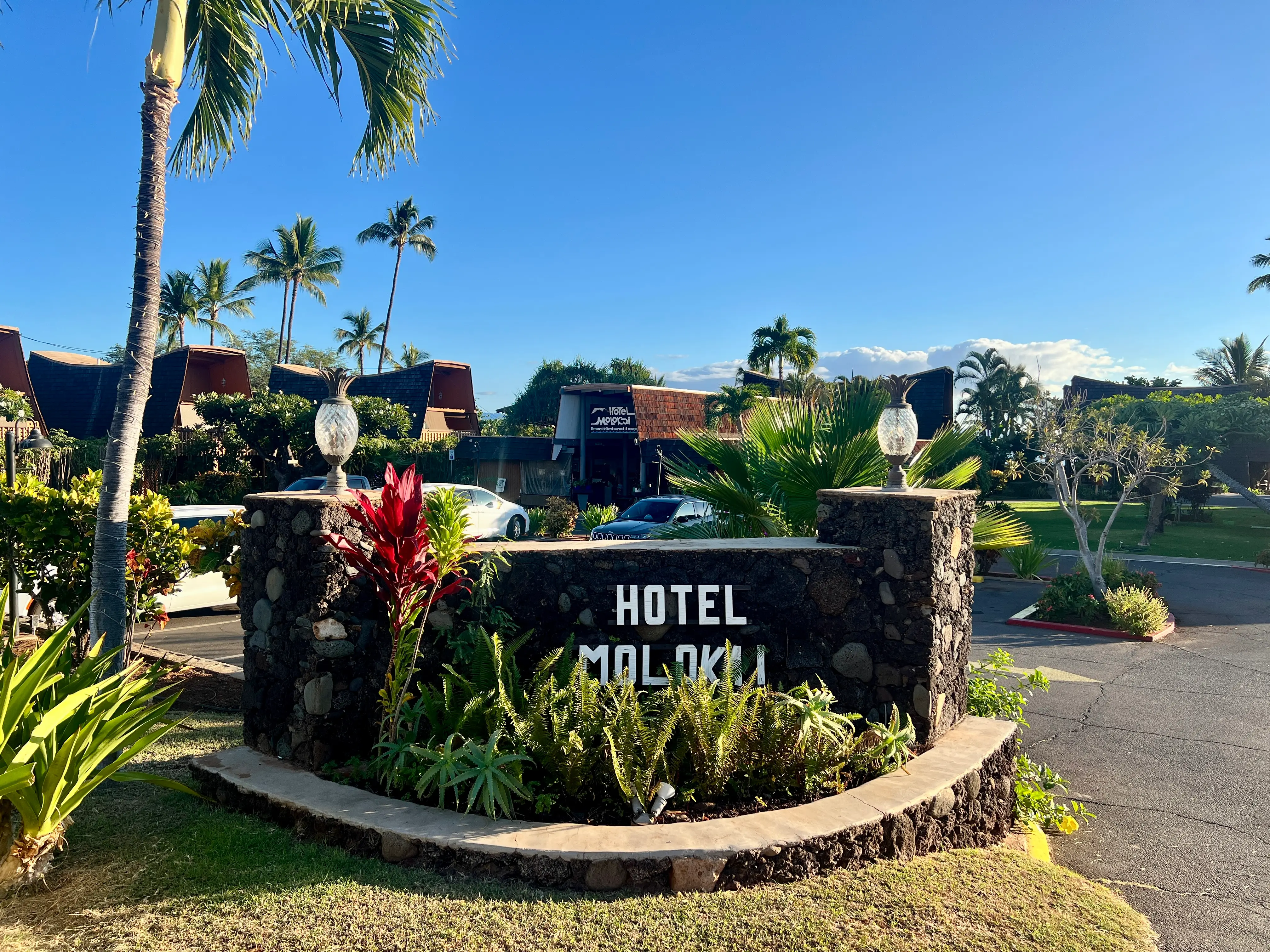
Checking in took only five minutes, and my room was right around the corner from the lobby.
Walking the property, I noted the Hawaiian-style architecture, oceanfront pool, swaying hammocks, flowering trees and, sadly, the recently closed on-site bar and restaurant.
It felt comfortable and charming, but intentionally simple, with a focus on location and atmosphere rather than luxury amenities.
To enjoy dinner and a sunset, I went to Molokai’s main town, Kaunakakai.
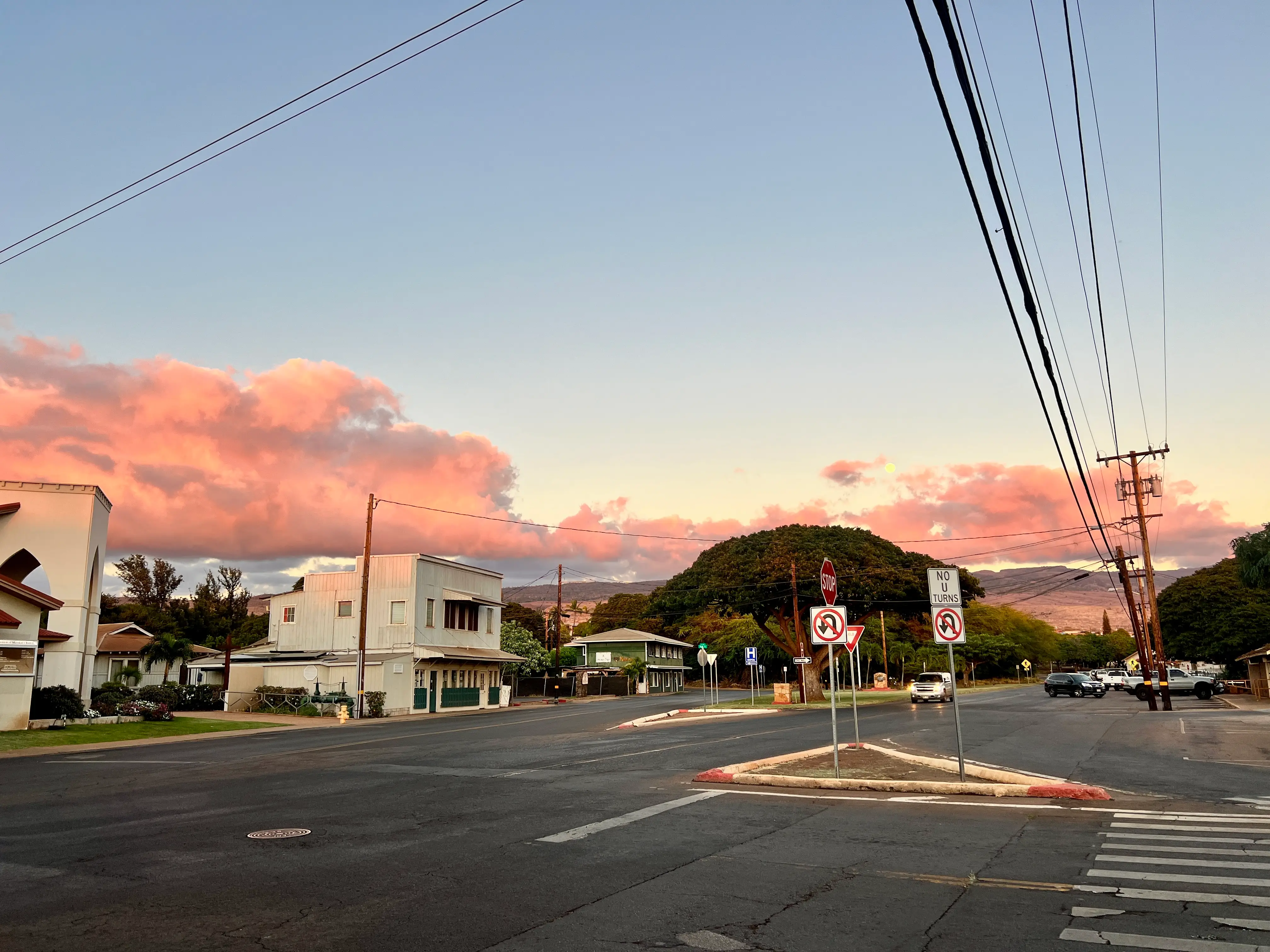
The town is small and compact with one main strip and a few short side streets lined by locally owned shops, grocery stores, and casual eateries.
Around the time I visited just before sunset, only some businesses were open (mostly markets and convenience stores) and a handful of people were walking around.
I was in awe as a pink shadow washed over the buildings, and cotton-candy clouds hugged the mountain ridges while the full moon gently rose above them.
By nightfall, the town felt calm and quiet, with very little activity after the last store closed — a stark difference from Hawaii’s more nightlife-driven destinations like Oahu or Maui.
Live music pulled me into Paddlers Restaurant and Bar.
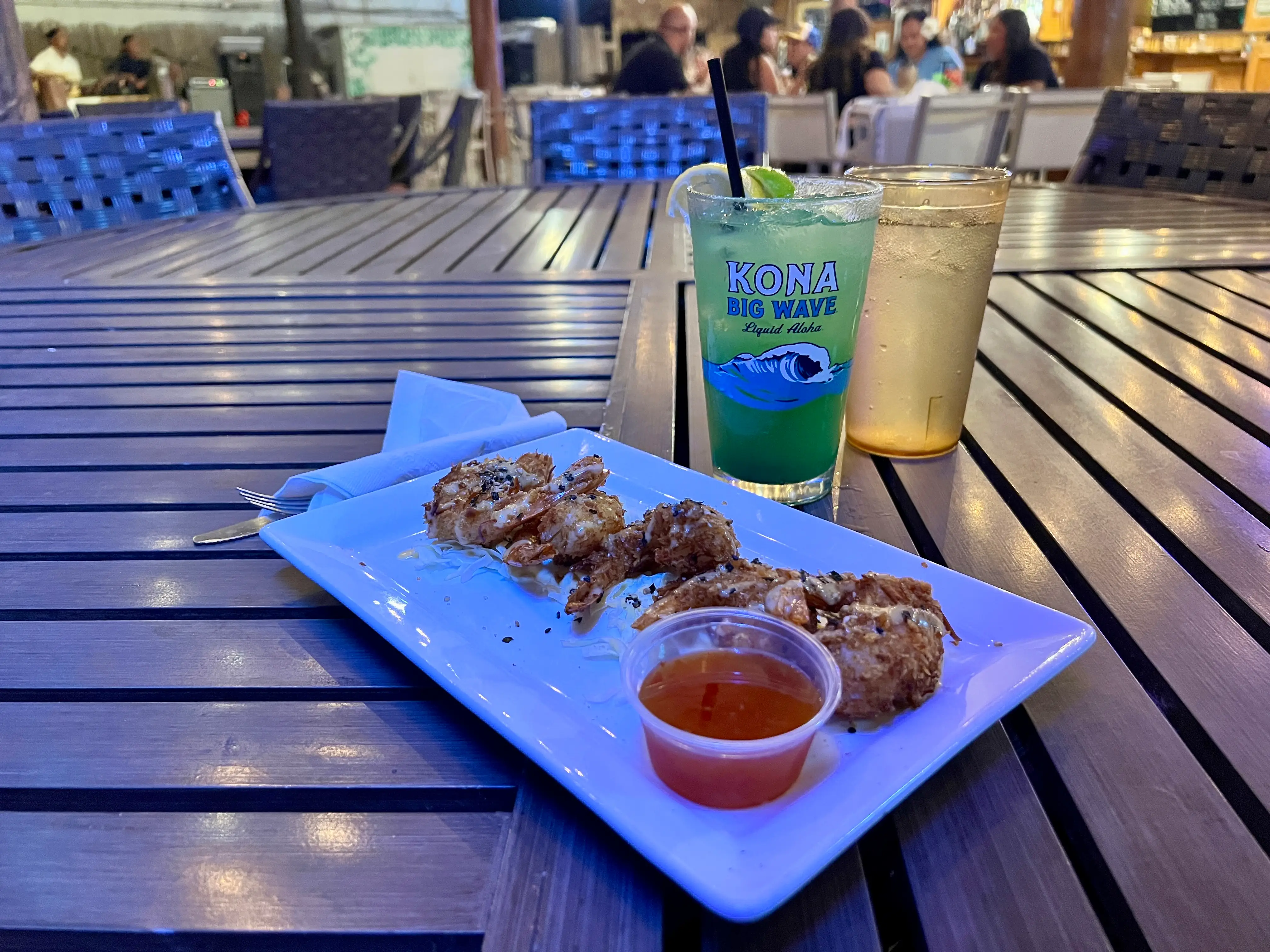
With very few restaurants on the island, I was grateful to find one of the few places with live entertainment.
I ordered the coconut shrimp appetizer and a vibrantly colored cocktail.
Both were delicious, but my total came to about $50 for two items plus tip, which felt more in line with what I’d expect at an upscale restaurant on another island.
At a casual, counter-service spot on Molokai, I assumed prices would mirror a typical plate lunch (usually under $20) and standard bar cocktails (often around $15).
But given the limited options in the area, the price could’ve been just about anything and I probably would’ve paid it.
I ended the night with Molokai Hot Bread — a must-try local classic.
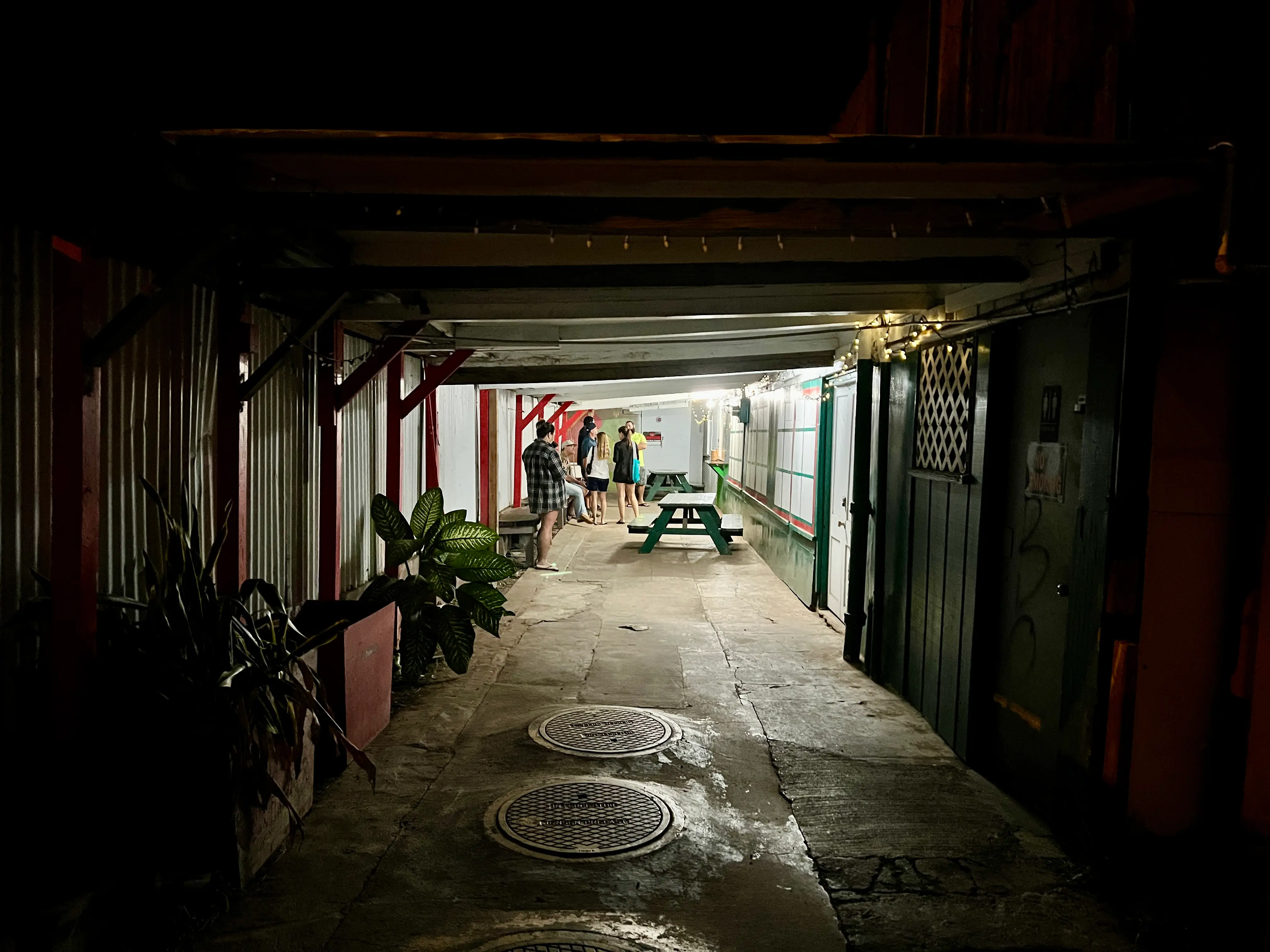
Known for its late-night hours — on Molokai, that means 7 to 9 p.m. — this iconic spot is down a dimly lit alley around the corner from Kanemitsu’s Bakery & Coffee Shop.
The bread was worth the wait.
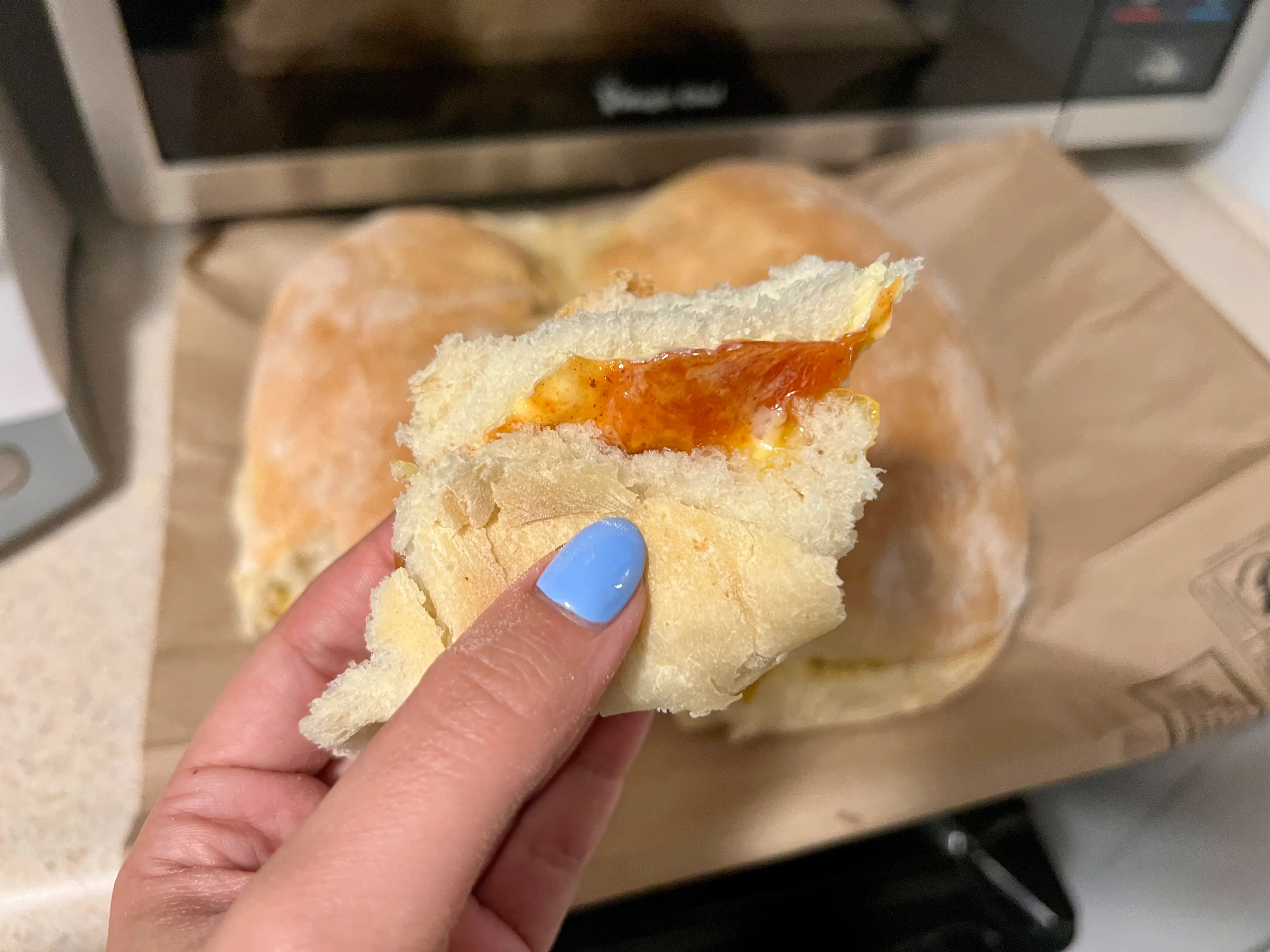
I joined the line for this local favorite: a giant, pillowy bread loaf stuffed with fillings like my top picks of butter, mango, and guava jellies. It was delicious.
The next morning, I drove an hour from Hotel Molokai, just outside Kaunakakai, to the island’s lush east side.
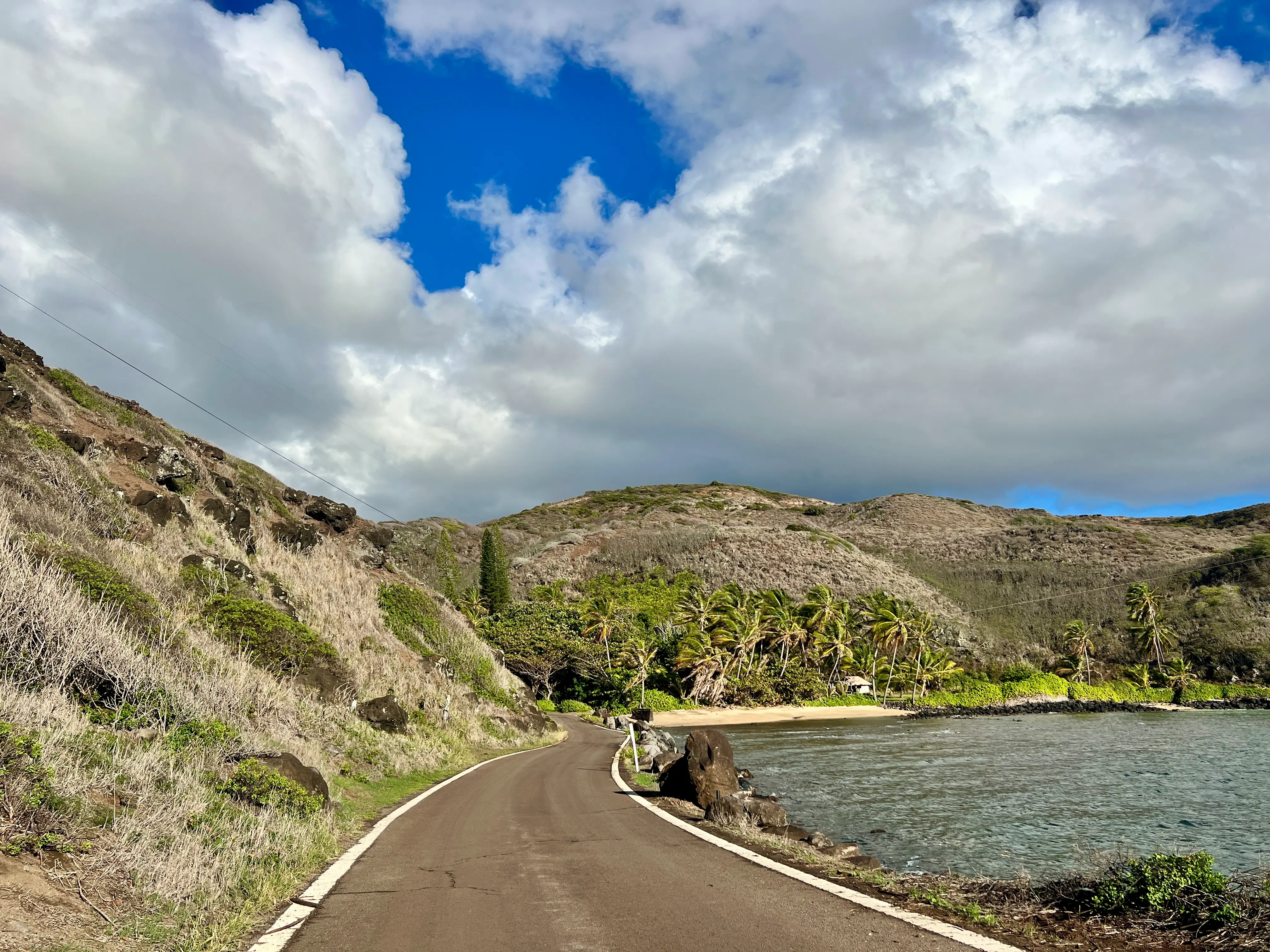
The coastal drive was stunning, with sweeping ocean views and sections without guardrails that added a sense of adventure and a reminder of how beautiful Hawaii can be when left untouched by development.
Seeing Maui from a new angle — one that showcased the West Side where I grew up — was a memorable way to start the day.
A cultural hike through Halawa Valley — one of the oldest known Hawaiian settlements — was educational, intimate, and deeply meaningful.
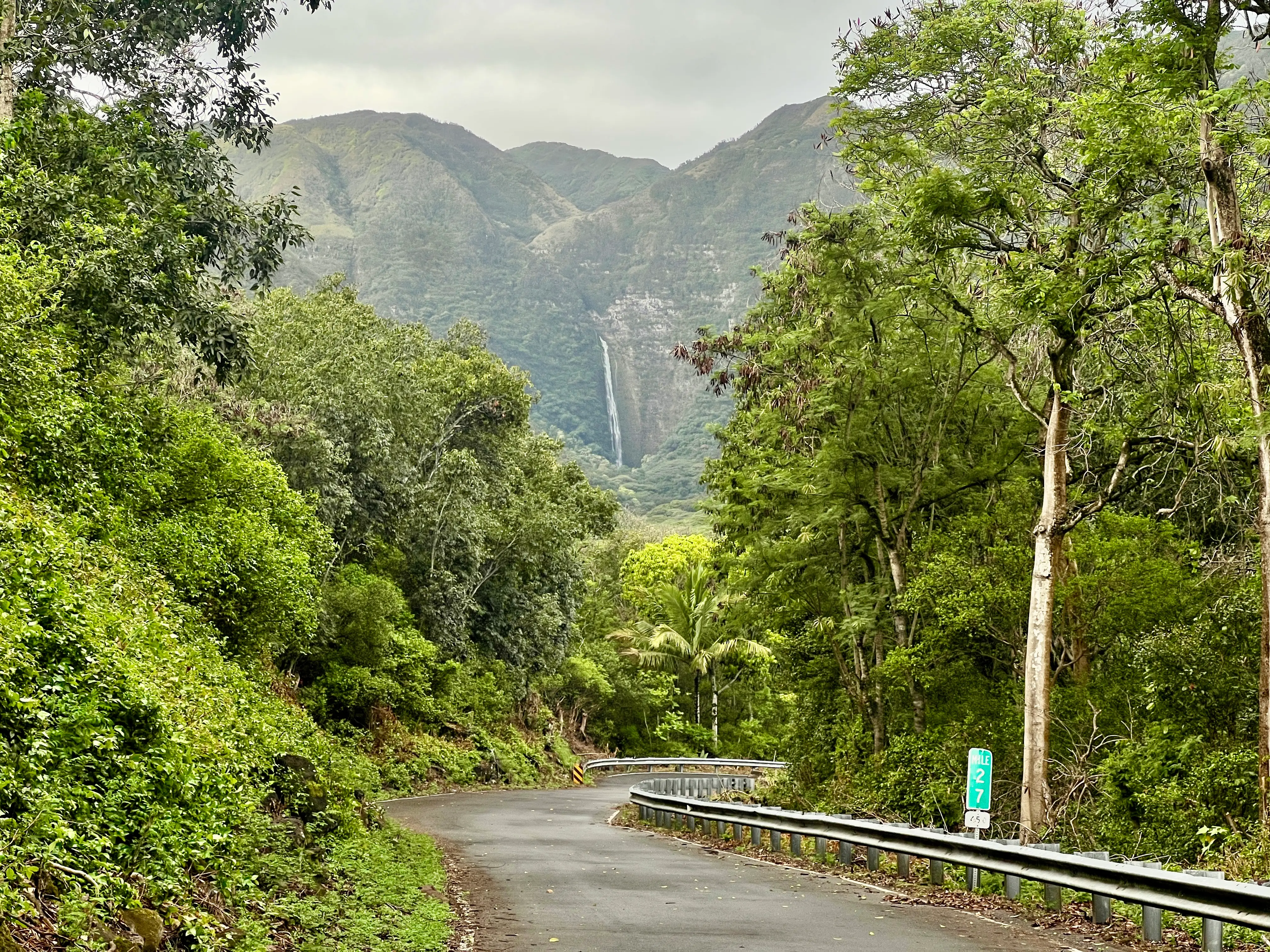
The family-run tour I booked began at 9 a.m. and featured teachings about Hawaiian history and cultural protocol, including blowing a conch shell to signal our arrival and leaving an offering at their ancestral altar.
We were given an oral history lesson about the family, the history of Halawa Valley, and the transition from pre-kingdom times to modern tourism.
With only one other person in my tour group, the experience felt especially personal and a mirror of how tourism on Molokai remains purposefully small.
The trail through Halawa Valley to Moaula Falls was lush and historic.
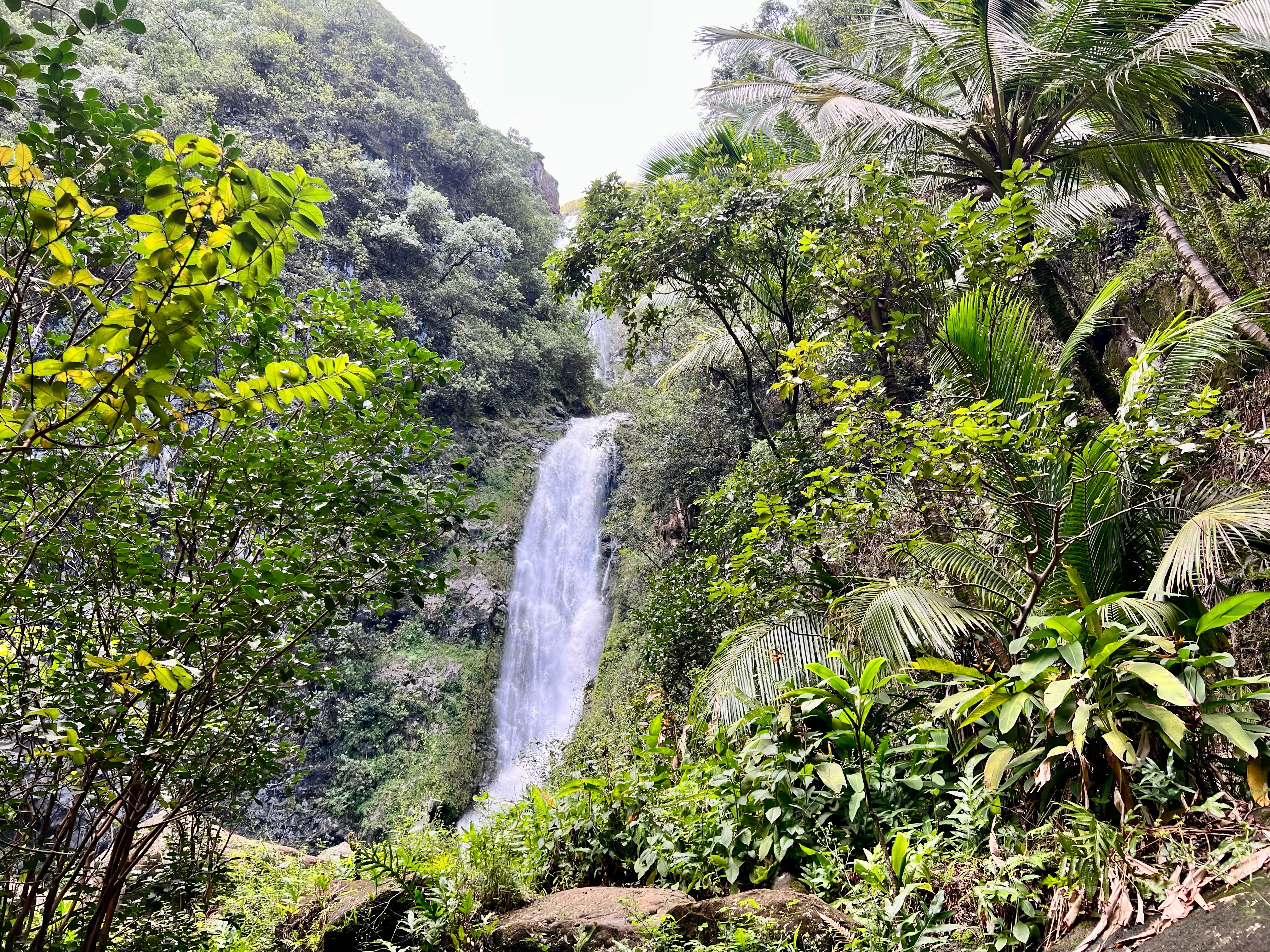
Alongside our guide, we completed two river crossings, passed ancient residences and heiau (spiritual temples), and eventually reached Moaula Falls, a two-tiered cascade.
We spent nearly an hour taking in its beauty, and returned to the tour family’s home around 2:30 p.m.
If I could recommend only one Molokai activity, this would be it — and it’s well worth the $99 ticket.
I spent the afternoon at nearby Halawa Beach.
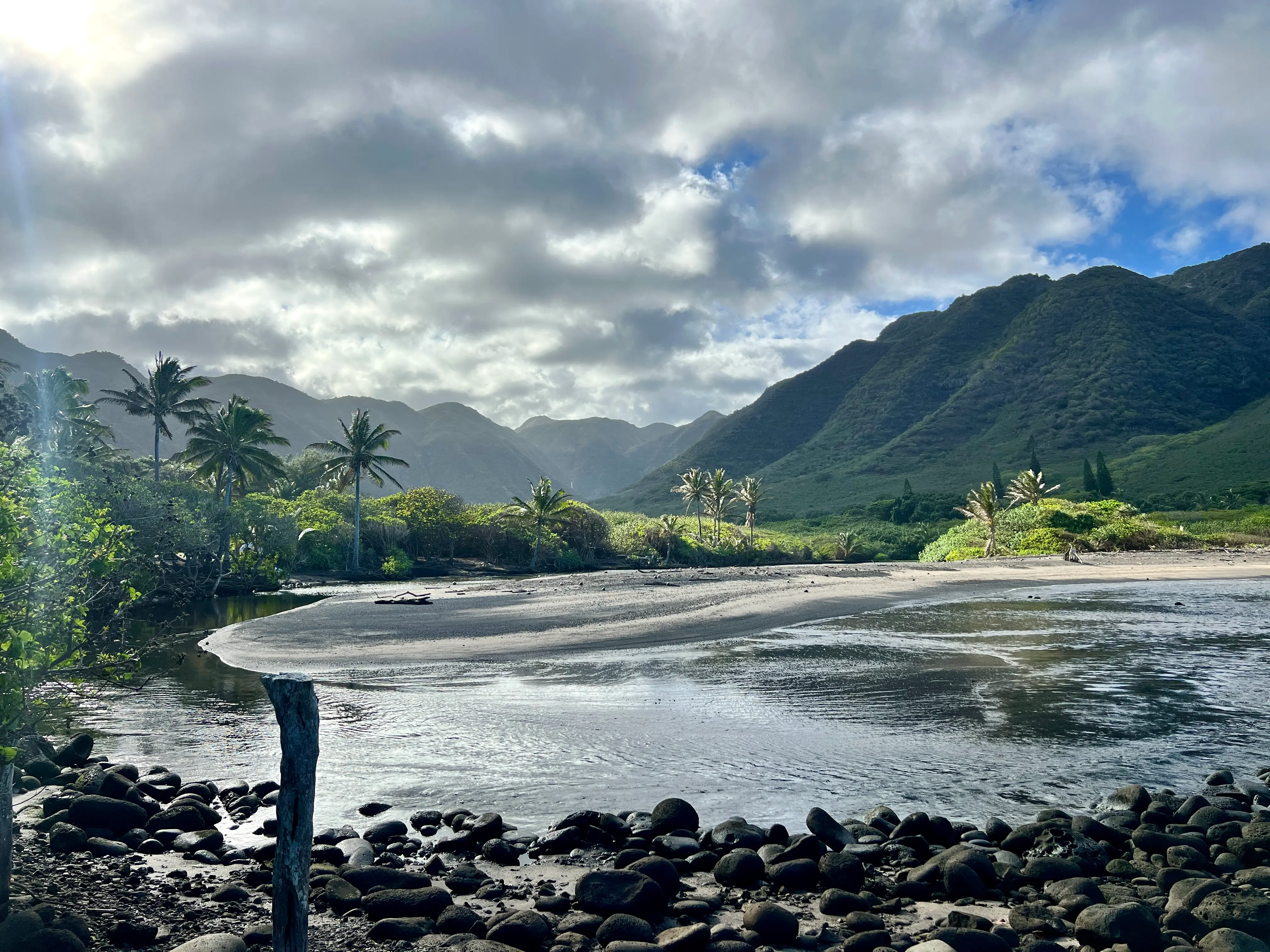
The quiet cove offered panoramic views back toward the valley, with clear turquoise water that shifted into deeper blues offshore.
Soft gray sand met the shoreline, turning black where the waves washed over it.
After one group left, I was the only person on the beach. It was easy to slip into Molokai’s rhythm: slow, intentional, and deeply connected to the land.
Instead of swimming, I did a spontaneous beach clean-up and collected a colorful pile of microplastics. It felt good to leave such a significant place better than I found it.
Molokai Burger is the closest thing to fast food on the island.
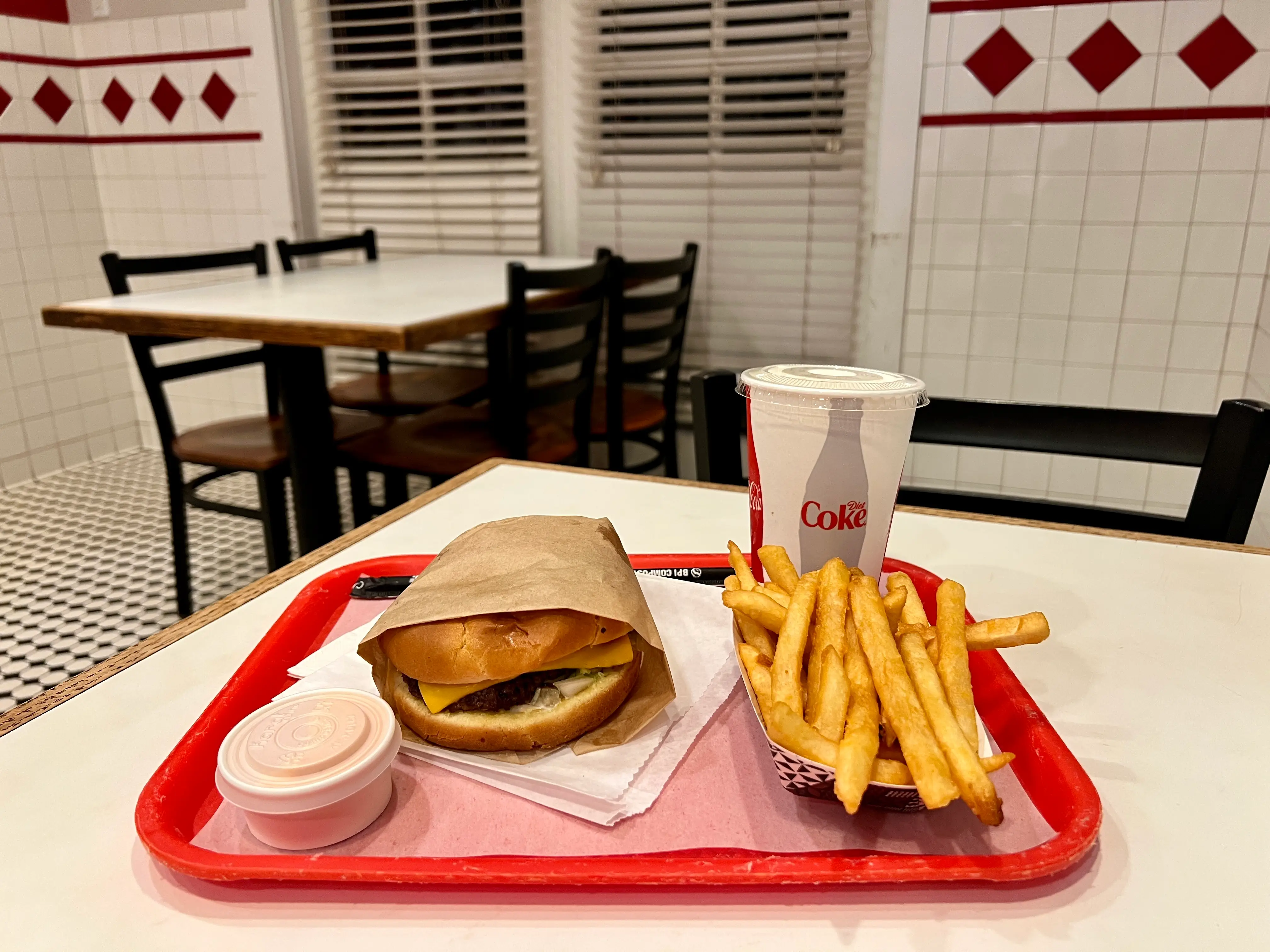
Though there is no McDonald’s on Molokai, this locally owned burger joint offers a drive-thru and familiar flavors with a homemade feel and Hawaiian style.
Inside, the red-and-white walls reminded me of In-N-Out, and Molokai imagery adorned the space — including an aerial shot of the same valley I’d hiked into just hours earlier.
I ordered a cheeseburger, thick-cut fries, and a POG (passion-orange-guava) milkshake for $23, which I found to be fairly priced.
The dining room was quiet when I arrived, though the eatery saw a steady flow of patrons.
My burger tasted like an elevated take on a Big Mac, the fries were satisfying with a bit of extra salt, and the milkshake was deliciously tropical.
When I return, I’ll take my food to-go and enjoy it in a scenic location.
Later, I returned to Molokai Hot Bread for a loaf to take home.
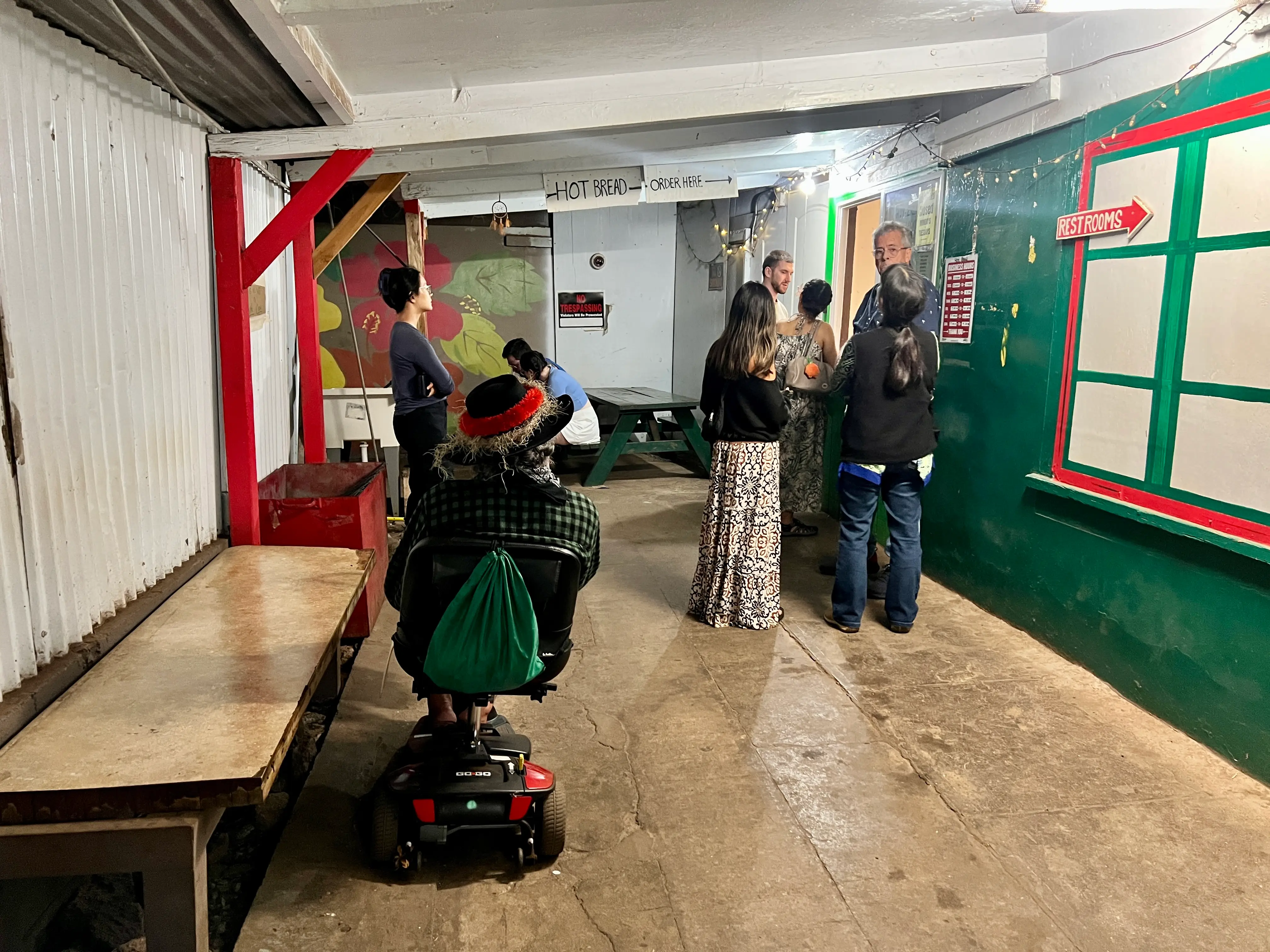
When I asked about pre-ordering bread to pick up before my flight back to Maui, the auntie behind the counter was worried about my tight departure schedule.
She offered to make my loaf that night, refrigerate it in her own home, and bring it with her to work the next day so I could pick it up early.
It was one of the kindest things a stranger has ever done for me.
Moments like this echoed a theme throughout my trip: Molokai’s residents consistently showed a level of warmth and generosity I’ve rarely experienced on other islands.
My final day began with a leisurely check-out and iced coffee.
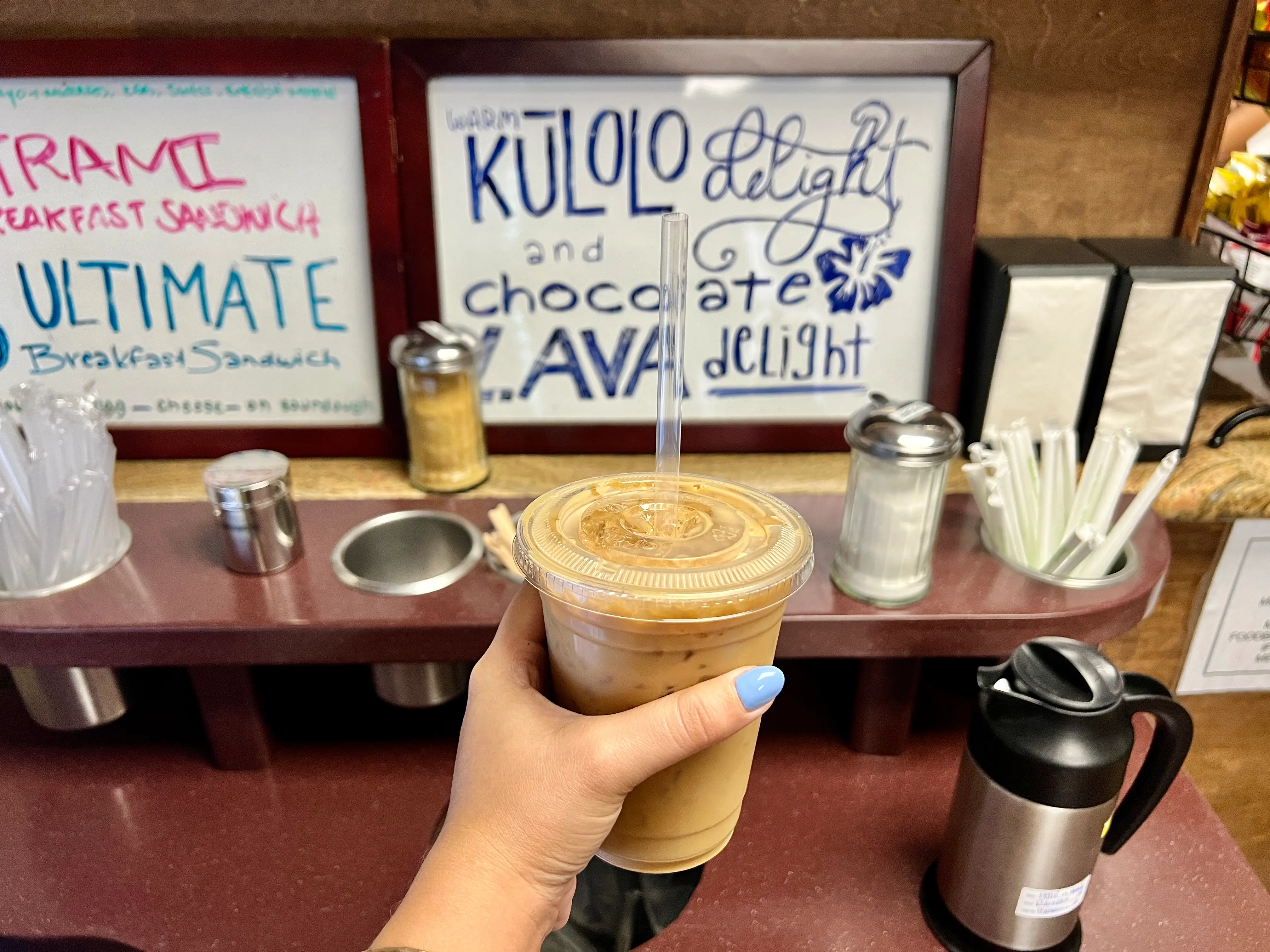
I returned my room key just before the 10 a.m. check-out, then headed to Hula Bean Cafe for a latte served over crushed ice — a small touch that I loved.
I visited Kalaupapa Lookout early.
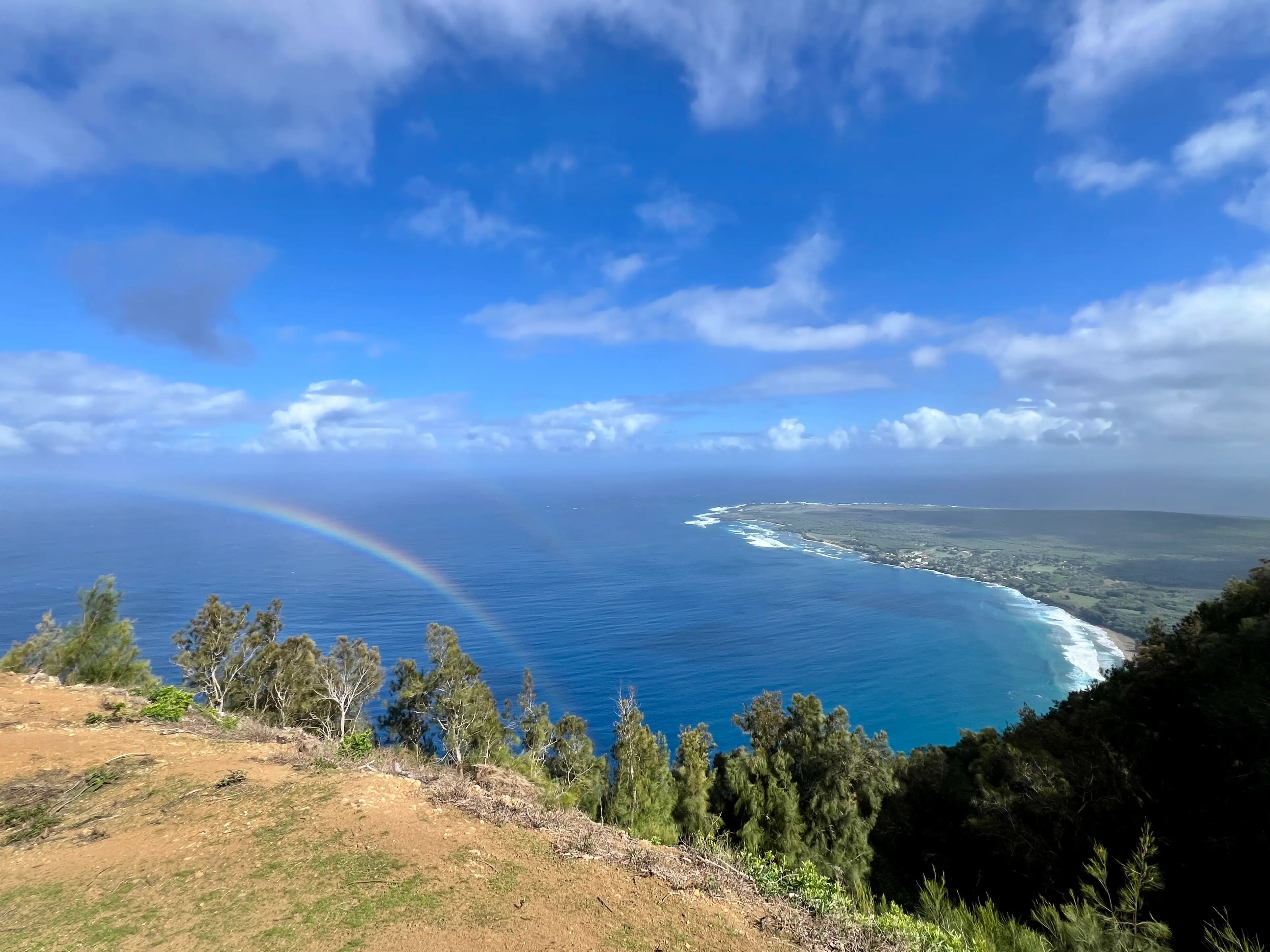
This scenic viewpoint in Palaau State Park overlooks the remote Kalaupapa Peninsula, once home to a community of people with leprosy who were forced into isolation before a cure was discovered.
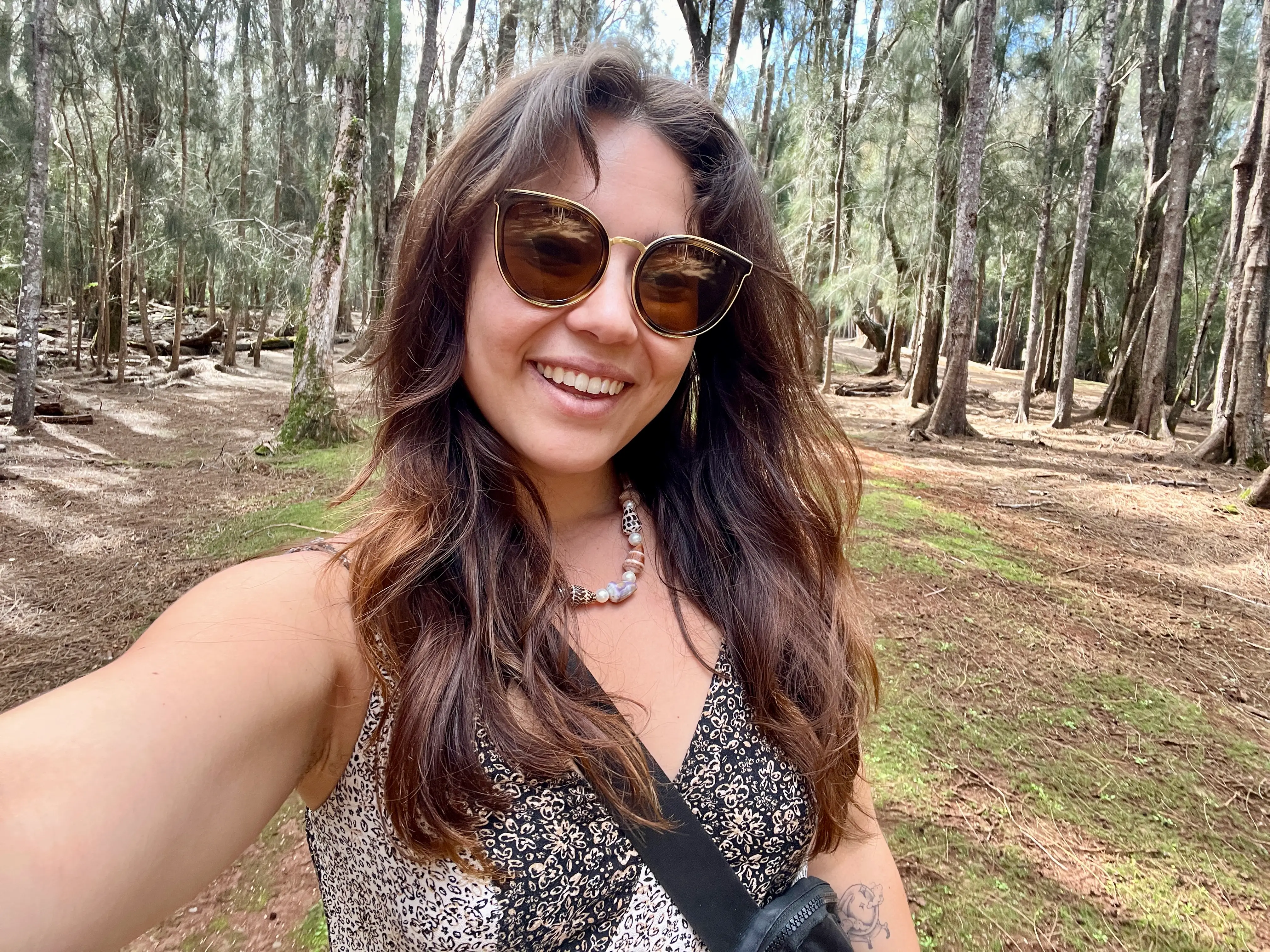
To reach the lookout, I drove into the northern part of Molokai, where the elevation rises and the landscape shifts into cooler temperatures and peaceful forest.
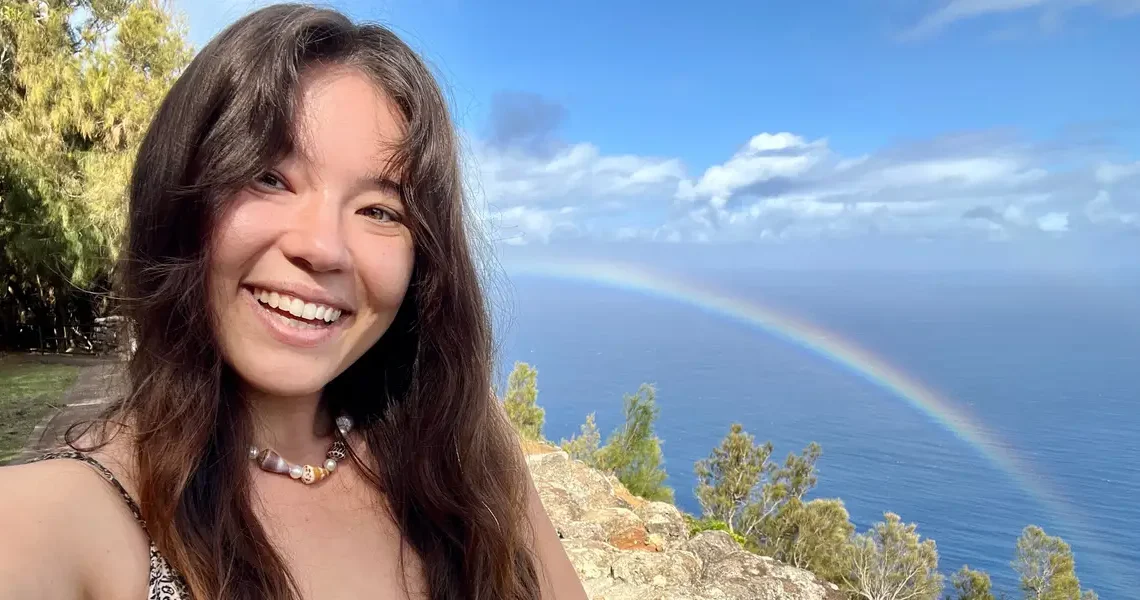
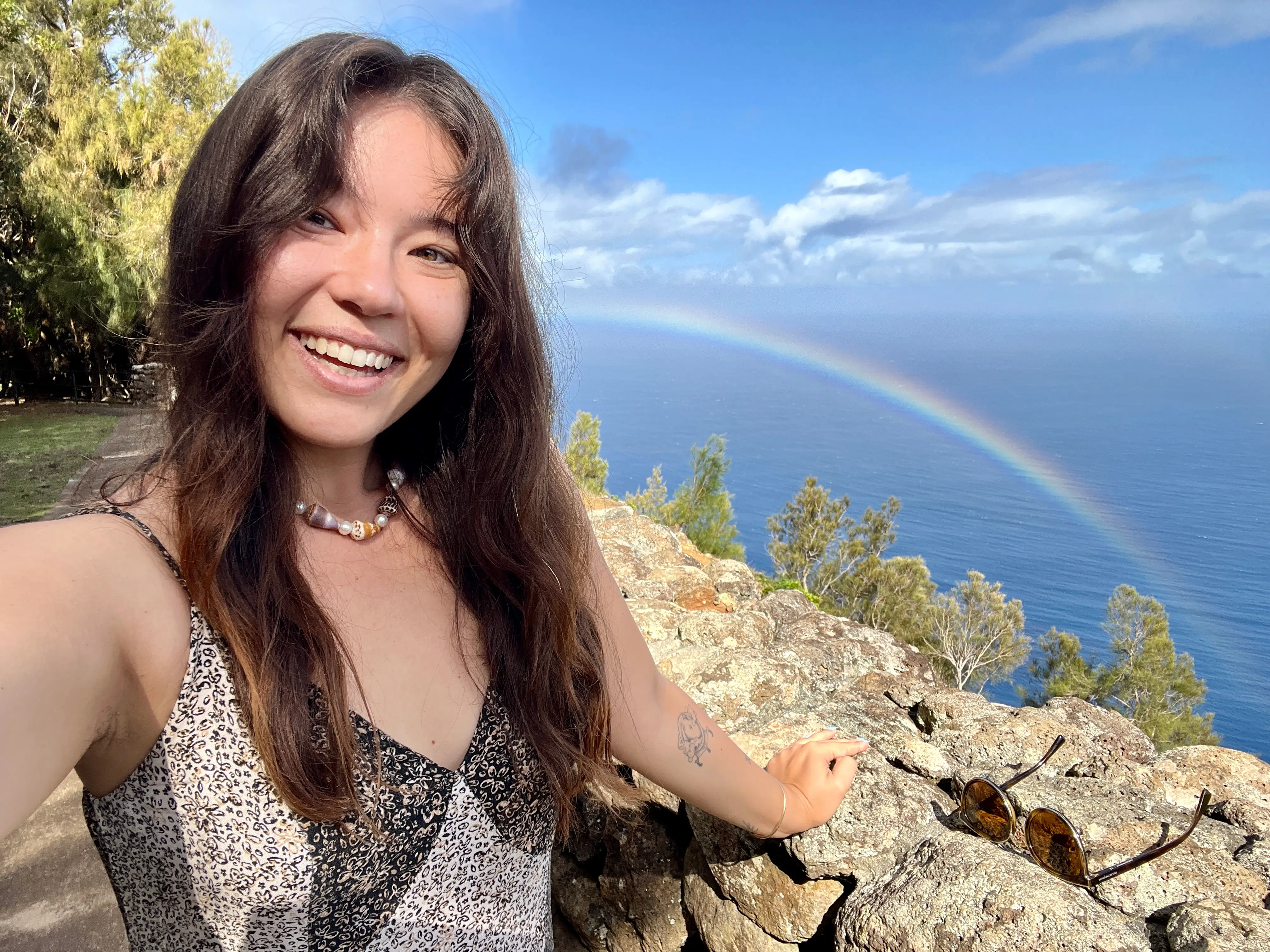
Fog can obscure the views, so I arrived early and was rewarded with clear skies and a gorgeous rainbow arching over the cliffside.
Reading the history placards brought back memories of learning about Kalaupapa in school while I looked out at the beautifully haunting scene below.
A short, steep walk led me to a sacred fertility stone.
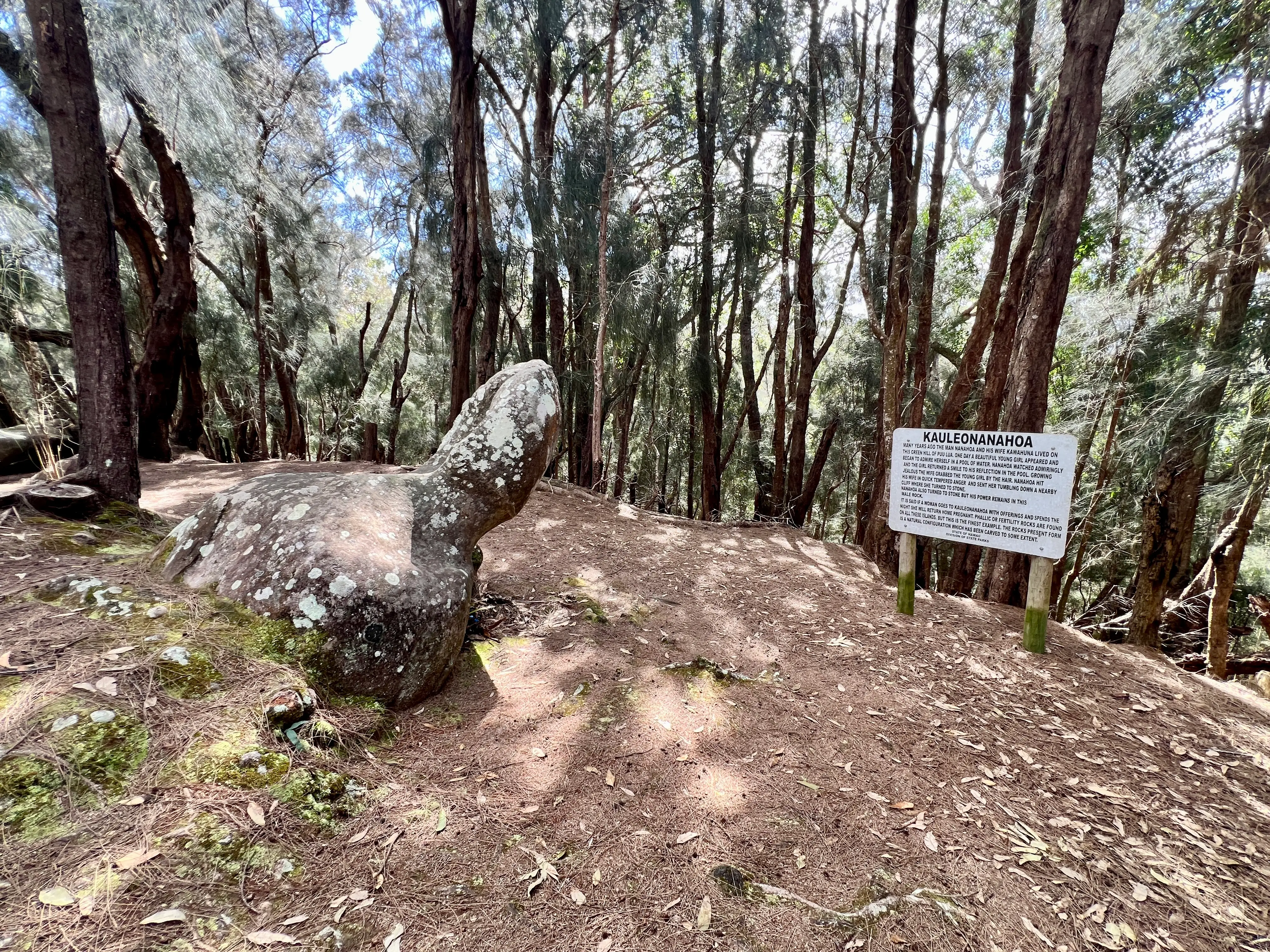
Legend has it that women who bring an offering and spend the night at Ka Ule O Nanahoa, also known as Phallic Rock, will return home pregnant.
The cluster of offerings at the base of the rock seemed to suggest some people wholeheartedly believe the lore.
Missed stops were a reminder of Molokai’s relaxed pace.
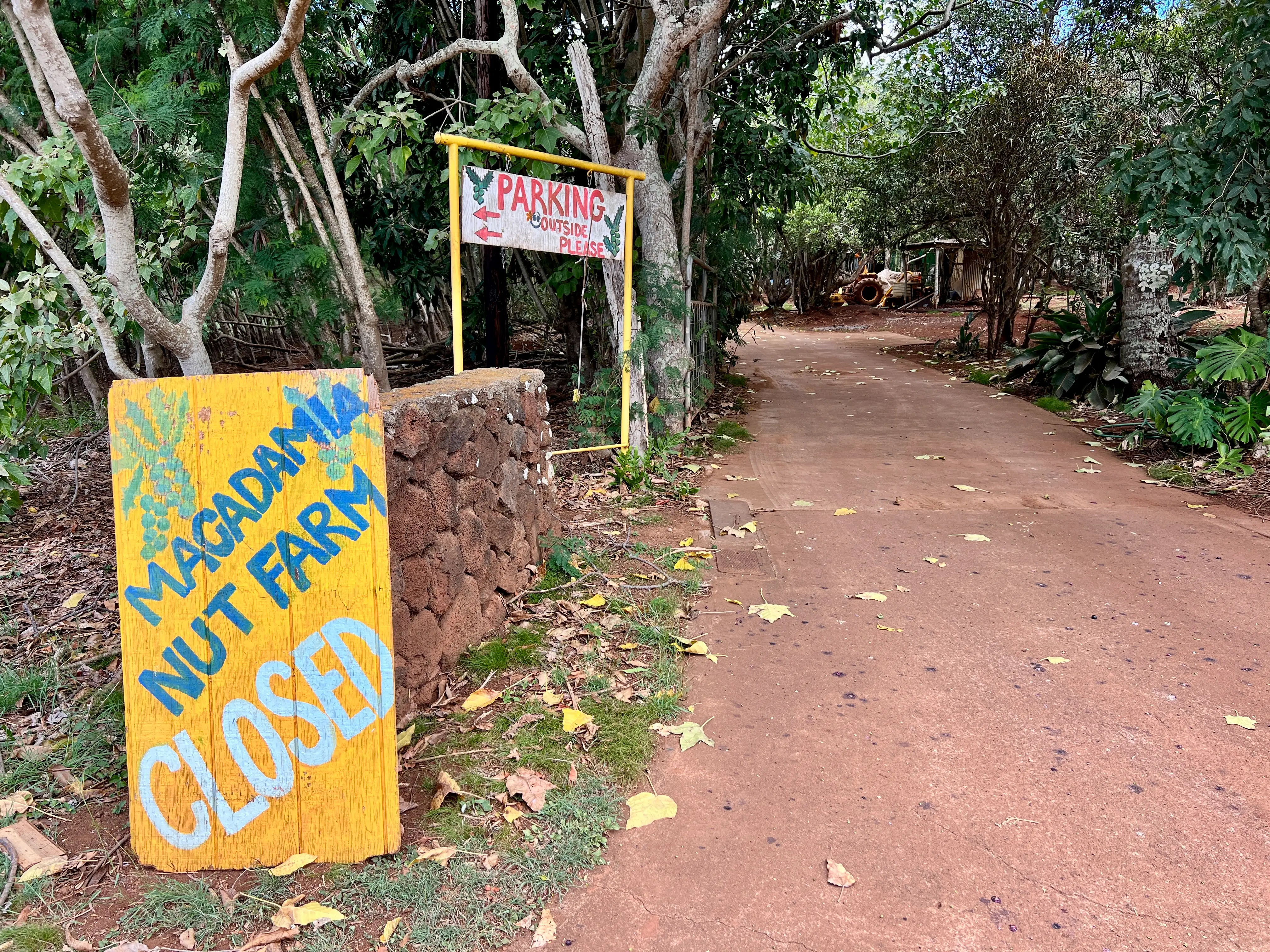
Purdy’s Macadamia Nut Farm was unexpectedly closed, and the Hoolehua Post Office crew was on their lunch break when I first arrived.
On Molokai, I found posted hours are more of a guideline than a guarantee — and tourism not dictating the rhythm of daily life is part of the island’s charm.
I returned to the small town center in Kaunakakai for lunch, shopping, and more exploring.
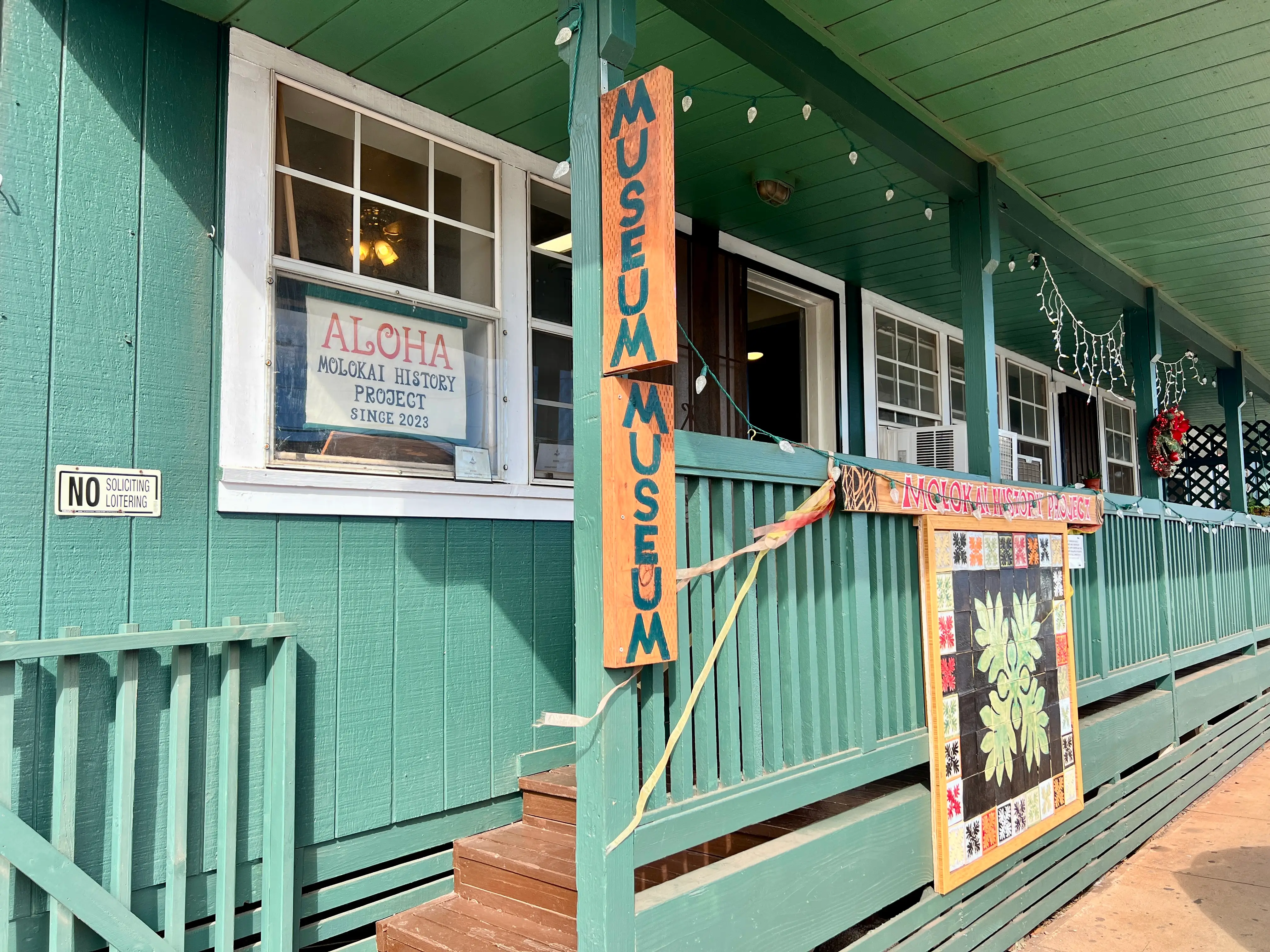
Browsing local shops took less than an hour, and I left with a pareo (sarong) and a shell-shaped hair clip.
At the Molokai Museum, I learned more about the island’s history and was encouraged by locals to visit the First Friday market that evening.
Hoolehua Post Office’s Post-A-Nut activity was a highlight.
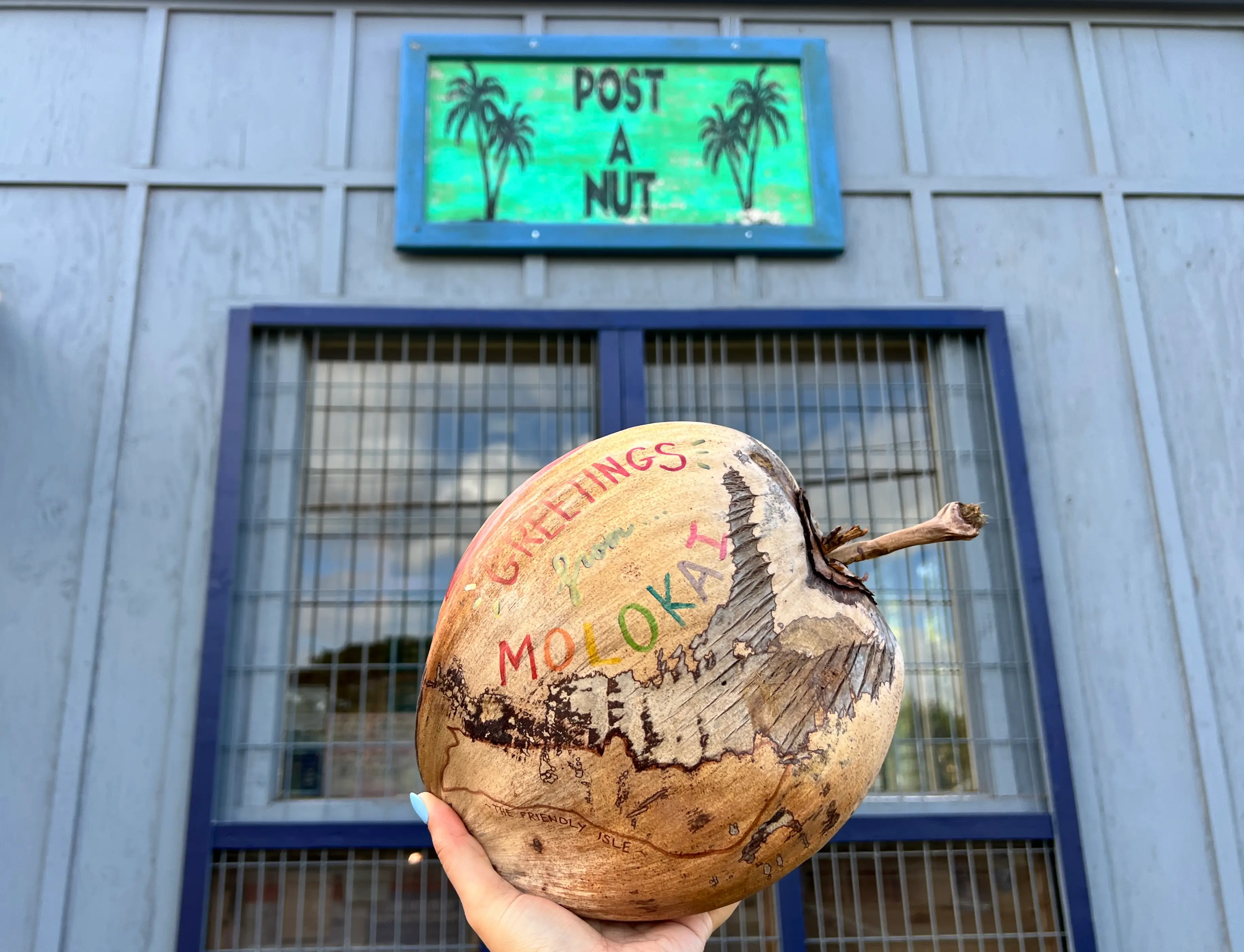
Since 1991, this tiny post office has offered its Post-A-Nut program, which allows visitors to decorate and mail a coconut as a 3D postcard.
If you’re lucky, there may be free coconuts available, or you can bring your own as long as it meets agricultural requirements: no bug holes, no sprouting, and it must be fully dry.
There were only two coconuts left, so I chose my favorite, decorated it with the provided markers, and sent it off — a quirky, uniquely Molokai souvenir.
The First Friday market was a warm, community-driven experience.
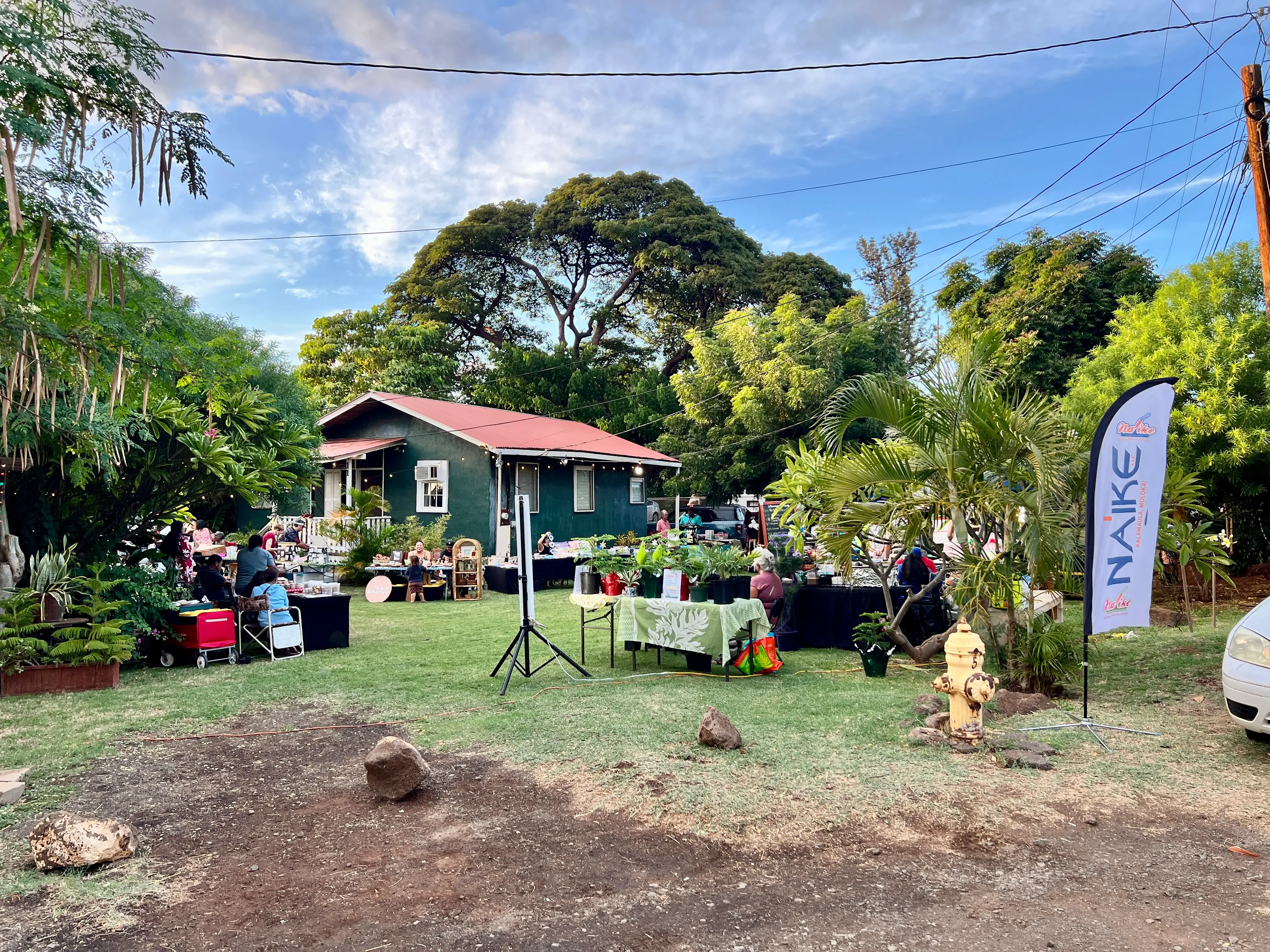
Held on the first Friday of every month, the small market takes place in a grassy area behind The Store House, a grab-and-go market in Kaunakakai.
I passed through just over a dozen booths, which offered everything from packaged treats and hot food to clothing and handmade goods.
With the live music playing, it felt more like a neighborhood gathering than a tourist attraction — a refreshing contrast compared to other markets I’ve visited and worked as a vendor.
I was greeted by name by the man from the museum, and another woman recognized me from Molokai Hot Bread the night before.
When we realized how everyone was connected, I laughed and said, “This is the true Molokai experience!”
Eager to support local businesses, I bought a necklace, hand-crocheted toy, and jars of taro and passion-fruit butter.
My night ended with ice cream and one last meal.
I popped into Kamoi Snack-n-Go for a fresh scoop of Dave’s Hawaiian Ice Cream, a Hawaii-born chain that started on Oahu.
My kid-sized cup of honeydew melon-mochi tasted exactly like a Melona bar.
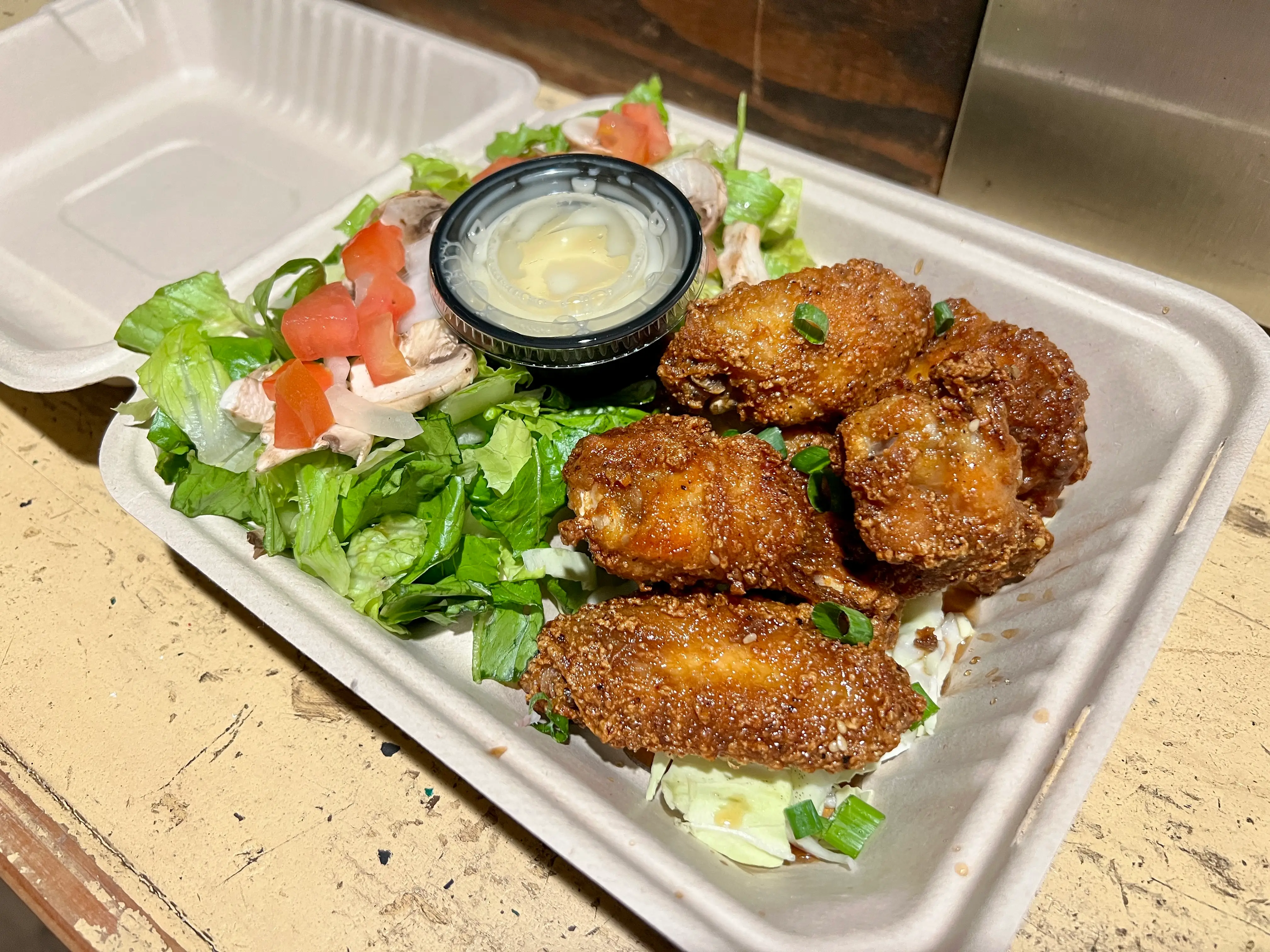
For dinner, I picked up a Korean chicken plate from Maka’s Korner to eat later, and it traveled surprisingly well — as did the hot bread.
I left Molokai feeling recharged and grateful.
I thoroughly enjoyed my time on the island, but my experience made me reflect on what type of traveler should — and shouldn’t — visit.
Molokai isn’t built for families seeking kid-friendly attractions, nightlife lovers eager to stay out past 9 p.m., luxury travelers who prioritize five-star resorts and fine dining, or those who rely on a packed itinerary of structured activities.
But that’s exactly what makes it special for the right traveler.
This island is perfect for solo travelers like myself, couples craving a remote respite, and anyone genuinely interested in learning and respecting local culture.
After three days, I felt grounded, connected, and certain I’d return someday — and maybe a few familiar faces will remember me, too.
Read the original article on Business Insider
The post I visited an island just a 20-minute flight from Maui. Its empty beaches and local gems made it feel like a true paradise. appeared first on Business Insider.