
It takes a lot to get people to movie theaters these days — and it might get even harder to catch blockbusters on the big screen in the near future.
Or at least that’s what streaming giants like Netflix, which controversially acquired Warner Bros. Discovery in December, want you to think. The staggering $83 billion deal, which is still pending regulatory approval, all but confirmed the hastening demise of multiplexes. In discussing the merger, Netflix co-CEO Ted Sarandos stated that, while his company plans on releasing Warner Bros. projects in theaters, he doesn’t think long, exclusive theatrical runs for movies “are that consumer-friendly.”
The tech executive may have a point. While CGI-laden blockbusters like the latest Avatar sequel can still bring in more than$1 billion at the box office, going to the movies isn’t what it used to be. Ticket sales have been on the decline for the past decade, and they still haven’t completely recovered after falling off a cliff during the Covid-19 pandemic. (The 2023 Hollywood strikes didn’t help.) With the dominance of streaming services, it seems reasonable to assume that consumers simply prefer to watch feature films from their couches, where they can look at TikTok or YouTube at the same time.
But some recent research suggests that not everyone is avoiding the brick-and-mortar theater. Young people apparently can’t get enough of this century-old pastime.
Last year, there was a 25 percent increase in theater attendance for members of Gen Z, according to the annual Strength of Theatrical Exhibition report from Cinema United, the world’s largest exhibition trade association. Likewise, the number of Gen Z moviegoers who visit theaters at least six times a year rose from 31 percent in 2024 to 41 percent last year. Our youngest cohort, Gen Alpha, is even reporting higher levels of interest in going to the multiplex, according to a 2025 survey by the National Research Group. While 45 percent of millennials and 48 percent of Zoomers said they enjoy watching films on the big screen versus at home, a solid majority of Gen Alpha — 59 percent — said they favor the theatrical experience.
Amid the bleak reality of steamers swallowing up distributors, the once casual experience of moviegoing seems to have taken on some cultural gravity for young people. It’s become a joke — but an apt observation — that AMC Stubs A-List program, the top-tier subscription that allows members to see up to four movies a week, has become its own cult on social media. Nicole Kidman’s now-famous on-screen introduction at AMC Theatres still garners salutes and applause. Most visibly, the popular film-logging platform Letterboxd and #FilmTok, the corner of TikTok where users discuss the buzziest movies, have elevated a formerly mundane activity to a productive and even intellectual hobby. These online spaces have not only encouraged everyone to go out and see new movies but also pushed them to put on their critics hats while doing so.
“Young people like going to the movies. As we’re subjected to more streaming slop, people realize that, ‘Oh, it’s actually nice to go out and be part of the world.’”
Will Tavlin, film writer
This sort of enthusiastic engagement is complicating streamer-driven narratives that at-home movie experiences are all consumers want. In our social media-dominated, AI-addled times, theaters don’t just offer a refreshing dose of reality and connection but a way of combatting digital brain rot.
Alex DelVeecchio, general manager at Rutgers Cinemas on Rutgers University’s campus, says young people ultimately “don’t like to stay at home that much.” For an age bracket that grew up online, streaming isn’t necessarily the novel or groundbreaking technology that it was when introduced to older generations.
“This really the first generation that’s always had a smartphone,” DelVecchio says. “So these things that are big conveniences for us or things that we like to do — they’ve had it forever, so it’s not really all that special to be able to stream everything at home.”
A social experience without the brain rot
Despite suggestions from some media executives that the convenience of streaming beats going to theaters, young people have a different way of thinking about in-person experiences, especially since they came of age during pandemic lockdowns. In recent years, Gen Z has shown their willingness to splurge on live events, like concerts and sports, partially for a fear of missing out. And as theaters try to be more creative to sell tickets by offering everything from cocktails to dinner service, moviegoing has become its own sort of unique outing that consumers want to be a part of.
“They’ve tried to make the multiplex experience more of a luxury,” says film writer Will Tavlin, citing AMC and Regal’s moves to install plush, reclining seats. “They’re jacking up the prices of tickets to make it more of a special experience.”
This new, theater experience tends to include, in Talvin’s words, “gimmicks,” like special-edition merchandise designed to go viral, such as the infamous Dune popcorn bucket. The ability to order food and drinks from your seat at certain theaters accounts for 38 percent of what’s driving Gen Z to the movies, according to the National Research Group’s 2025 Future of Film study. Couch-like seating (33 percent) is another notable draw.
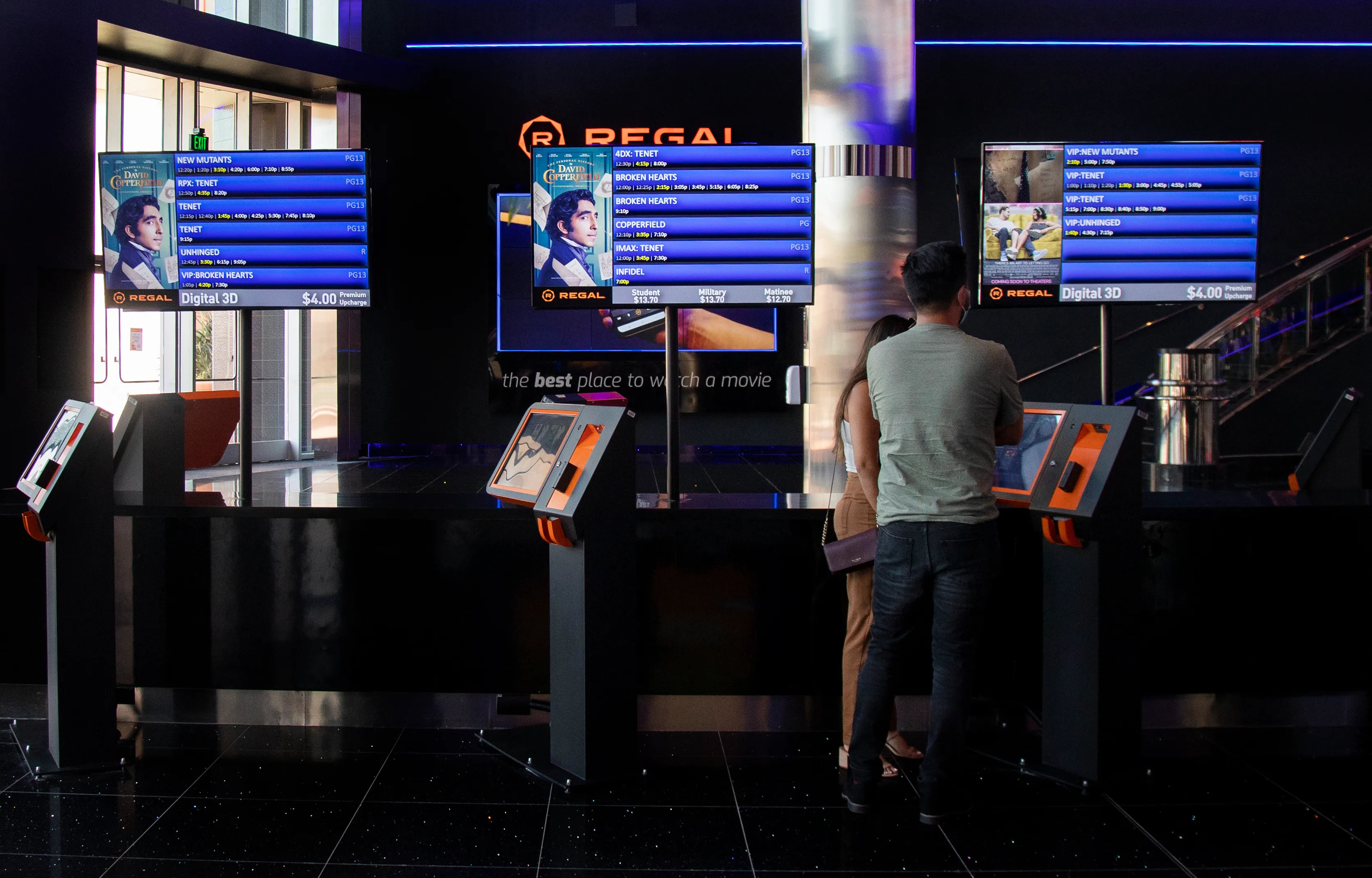
The idea that once-affordable theaters now sell a premium product is controversial to some, although these increased prices track with inflation. Still, what might seem like unnecessary incentives to some movie lovers appear to be working on young people and even encouraging them to sign up for more cost-friendly loyalty programs.
There’s also the fact that young people today spend six hours a day, on average, looking at their handheld screens, as more activities take place on social media. Going to a movie theater doesn’t just give young people the opportunity to leave their bedrooms. It’s a chance to watch something that’s more engaging or more intellectually demanding than an endless TikTok stream, especially as these feeds become filled with AI simulations and brain rot content.
Of course, theater attendance for young people still includes a social media component, whether it’s taking pictures of the screen or even recording full scenes to share online. Moviegoers post reviews on #FilmTok and Letterboxd as soon as they leave their screenings. In general, the sort of online fan culture that follows specific movie franchises is creeping more and more into the act of moviegoing itself. It helps that arthouse distributors, like Neon, A24, and Mubi, are finding increasing success with general audiences, courting Gen Z with Instagrammable merchandise and a savvy social-media presence. All in all, the social side of moviegoing seems to be persuading more people to become cinephiles.
High-quality storytelling beats streaming slop
In a world where streaming platforms own the most iconic movie studios — Netflix is acquiring Warner Bros., Amazon owns MGM, Disney owns 20th Century Studios — it’s worth wondering what kinds of theater experiences will even be available in the future. They might be better than ever. Tavlin, for one, believes that “good movies ultimately get people back to the theater” and that young people are becoming more cognizant when they’re being sold less-than-high-quality, assembly-line products from streamers.
“Young people like going to the movies,” Tavlin says. “As we’re subjected to more streaming slop, people realize that, ‘Oh, it’s actually nice to go out and be part of the world.’”
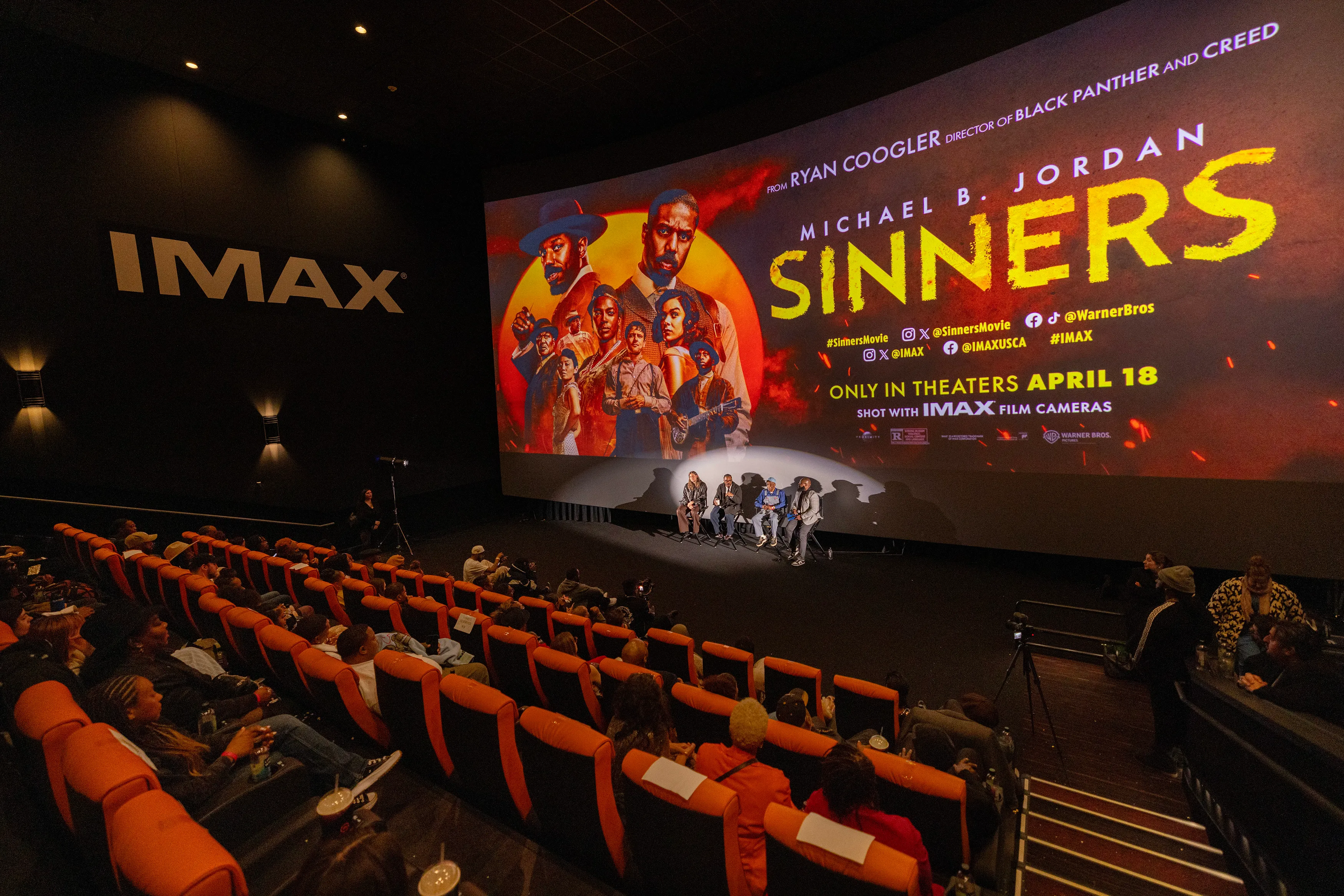
This year alone, Ryan Coogler’s vampire flick Sinners became the highest-grossing original film in 15 years, while Japanese anime film Demon Slayer became the high-grossing international film in the United States. The horror film Weapons was a box-office hit, while the ping-pong movie Marty Supreme earned A24 its highest per-theater average (the film’s box-office gross divided the numbers of theaters it plays in) when it was released over Christmas.
The Netflix-Warner Bros. deal is expected to close this summer, and it will represent a major coup for the streaming industry. As a group of concerned filmmakers wrote to Congress in a letter, the deal would “effectively hold a noose around the theatrical marketplace,” shrinking the theatrical window for movies for as little as two weeks or eliminating it completely for certain projects. Still, the noticeable fervor around moviegoing signals a future that might not be so bleak.
Can young people do for movie theaters what they did for vinyl after records were pronounced dead, sparking a cultural resurgence and record-high sales? They’re clearly excited to sit in a dark room, listen to a Nicole Kidman monologue, and enjoy compelling stories with a group of strangers. Maybe the film industry will have no choice but to pay attention.
The post Are movie theaters cool again? appeared first on Vox.