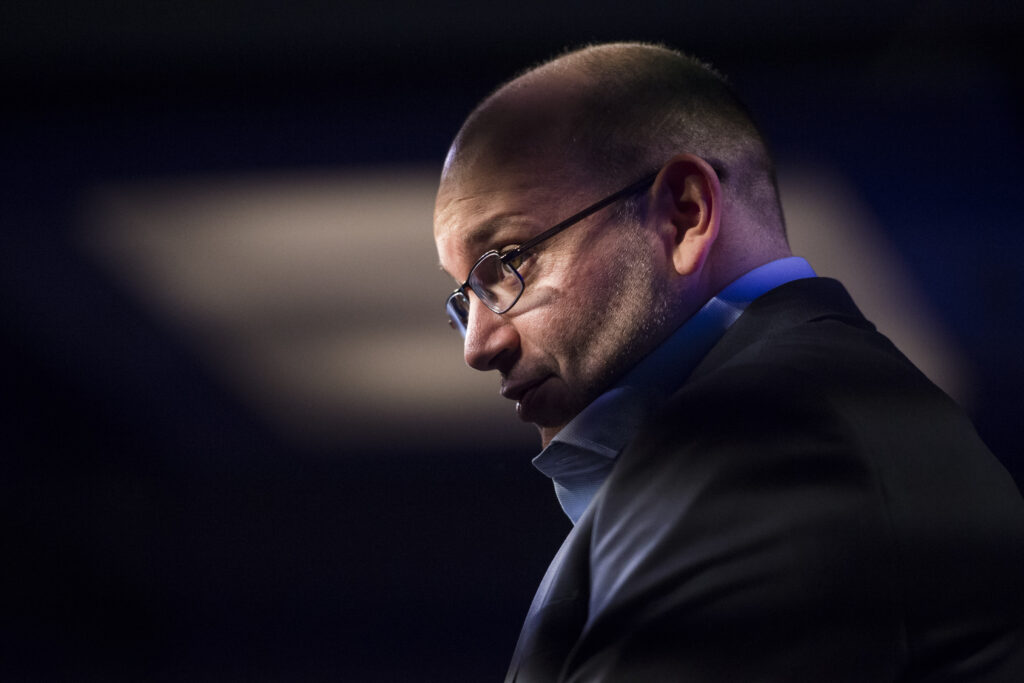
A decade ago — on Jan. 16, 2016 — Washington Post Tehran Bureau Chief Jason Rezaian was released from a notorious Iranian prison after being held unjustly for 544 days. It would be nice to say that times have changed in the ensuing years. But Iran today remains one of the world’s most prolific jailers of journalists and odious practitioners of hostage diplomacy.
When Rezaian was freed, 199 other innocent journalists were in prison around the world. Today, that number has jumped to 361, according to the Committee to Protect Journalists, an increase of around 80 percent. Other press freedom groups put the figure higher.
Authoritarian regimes have come to see detained journalists as useful bargaining chips to gain concessions from the United States in negotiations. That’s what happened with Rezaian, who was released as part of a prisoner swap amid the implementation of the Iranian nuclear deal. At least five Americans remain in Iranian prisons.
In addition to Iran, the worst offenders largely remain the usual suspects: China, Russia, Vietnam, Azerbaijan, Eritrea. Wall Street Journal Moscow correspondent Evan Gershkovich was wrongly imprisoned for nearly 500 days until a prisoner swap in 2024. But most of those locked up are local reporters.
Venezuela joined the list after Nicolás Maduro’s crackdown on media following his stolen 2024 election. Asia has consistently been the region with the most imprisoned journalists since CPJ began keeping records in 1992. Myanmar has imprisoned around 35 journalists since a coup and violent military crackdown in 2021. Many more operate from newsrooms in exile, mostly in Thailand.
Surprisingly, Israel moved to second place on CPJ’s list after jailing more than 40 Palestinians who identify as journalists in Gaza and the West Bank, though the Israelis claim many were secretly working with Hamas. It’s important for the most vibrant democracy in the Middle East to differentiate critical reporting from supporting terrorism. Due process for journalists accused of crimes is essential. Another way for Israel to demonstrate a commitment to transparency is to allow international media unfettered access into Gaza, which it continues to block.
Unfortunately, the U.S. has few good options when dealing with rogue regimes that traffic in human beings as pawns. The State Department has a section dedicated to wrongful detentions and can impose sanctions on countries that engage in hostage diplomacy. The United Nations Working Group on Arbitrary Detention has been largely ineffective because it has no enforcement powers. The best defense against such inhumane tactics is to shine a spotlight on the state sponsors of such cruelty and make sure they suffer consequences.
The best way to celebrate the anniversary of Rezaian’s release is to remember those who remain unjustly imprisoned. Silence is the jailer’s greatest ally.
The post Journalists face more peril a decade after Iran freed a Post reporter appeared first on Washington Post.