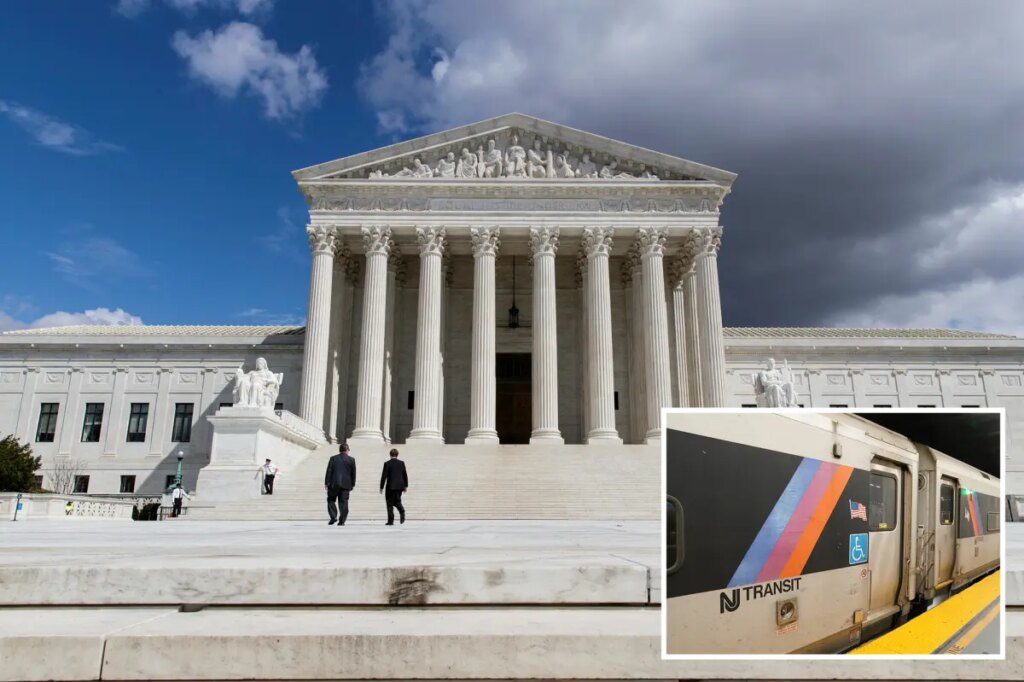
WASHINGTON — The Supreme Court’s nine justices pondered Wednesday whether New Jersey Transit can be sued by residents of New York and Pennsylvania in their local courts for injuries caused by the system’s vehicles.
The technical case before the high court asked whether NJ Transit is a government agency that can invoke “sovereign immunity” — a concept enshrined in the 11th Amendment that protects states from being dragged without their consent into courts serving non-residents or foreigners.
During oral arguments, the traditional ideological lines among the justices blurred, with liberals and conservatives alike quizzing attorneys for the Garden State about NJ Transit’s unusual structure.
“Your argument sounds like you’re saying, ‘Don’t worry about the fact that the state has chosen the corporate form for this entity, just look at what it does, and to the extent that you see what it does is kind of like an agency that should be enough,’” liberal Justice Ketanji Brown Jackson told state Deputy Solicitor General Michael Zuckerman at one point.
“New Jersey could have set this up as an agency,” Jackson added, “but instead it chose a corporation, and having done so, at least traditionally, I think the analysis was that it also gave up the ability to instill this entity with something like sovereign immunity.”
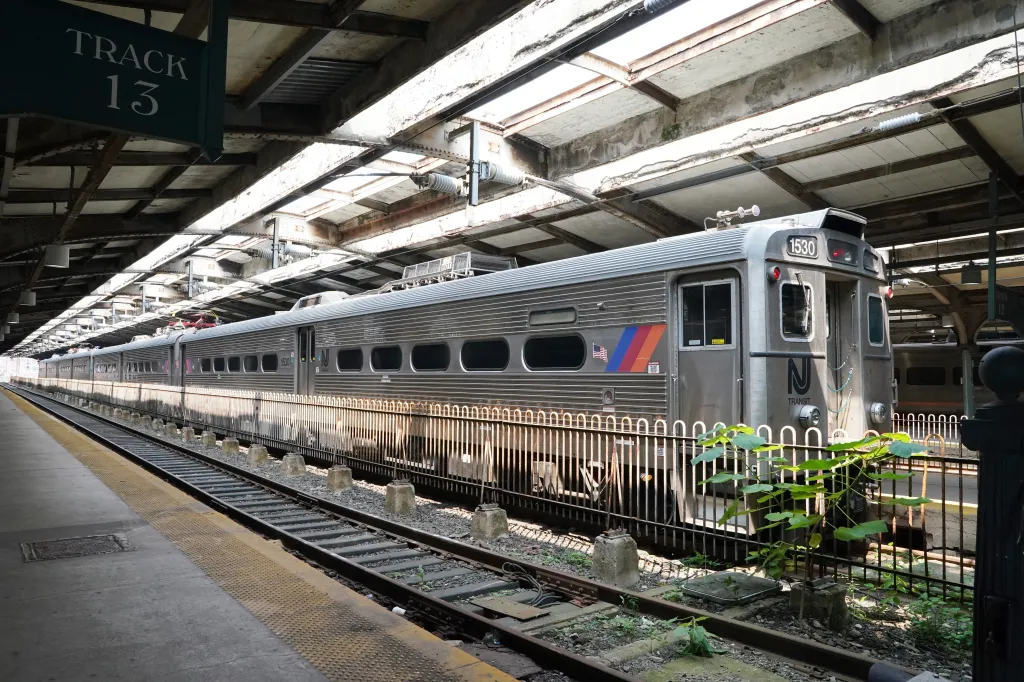
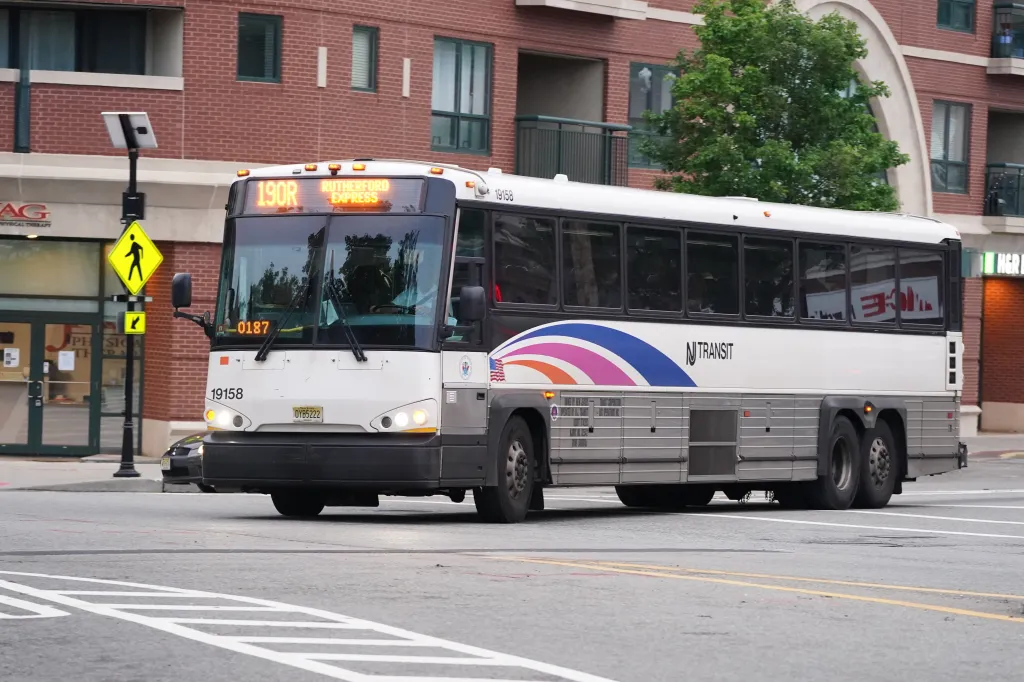
NJ Transit was established by the Trenton legislature in 1979 as a state-owned corporation, with the governor retaining veto power over key decisions such as appointing members to its board.
Wednesday’s arguments concerned two traffic accidents involving NJ Transit buses in New York City and Phiadelphia, both major hubs despite their location outside the state.
In 2017, New Yorker Jeffrey Colt sued NJ Transit after being hit by a bus while crossing the street in Manhattan, resulting in what he called “life-changing and permanent injuries.”
The following year, Cedric Galette sued after the vehicle he was traveling in was struck by a bus on Market Street in the City of Brotherly Love.
In both cases, NJ Transit urged local courts to dismiss the lawsuits.
The New York Court of Appeals, the highest court in the Empire State, declined to toss Colt’s suit, while the Pennsylvania Supreme Court opted to dismiss Galette’s claim in dueling decisions.
“NJ Transit looks nothing like a city or town, and little like a private company,” Zuckerman argued Wednesday. “It looks a lot like a New Jersey state agency. That means plaintiffs must sue it where the state has consented — in New Jersey.”
Attorney Michael Kimberly, arguing for Colt and Galette, contended that New Jersey is trying to shield NJ Transit from the downsides of functioning as either a state agency or a corporation.
“It makes debt financing substantially easier because separate legal entities are not bound by the constitutional limitations on public debt under New Jersey’s debt limitation clause,” Kimberly explained.

“It’s also relatively easier to administer public corporations’ resources, like its human resources, free from the bureaucracy and complications of state government,” he went on. “But by creating a separate legal entity in this way and achieving these benefits, the state accepts a cost … it does not share in the state’s sovereign immunity.”
Kimberly further contended that NJ Transit is relying on a “sort of a mishmash, you know it when you see it” approach to determine the full scope of its legal structure.
Attorneys for NJ Transit argued that ruling against the transportation provider could lead to legal open season on state agencies concerned with issues like law enforcement and housing.
Kimberly countered that the fallout would be limited to unique situations where those entities are acting “extraterritorially” and facing suits from “non-citizens outside of the state.”
A decision in the consolidated Galette v. NJ Transit Corp. and NJ Transit Corp. v. Colt case is expected by the end of June.
The post Supreme Court grapples with whether NJ Transit can be sued by injured out-of-staters appeared first on New York Post.