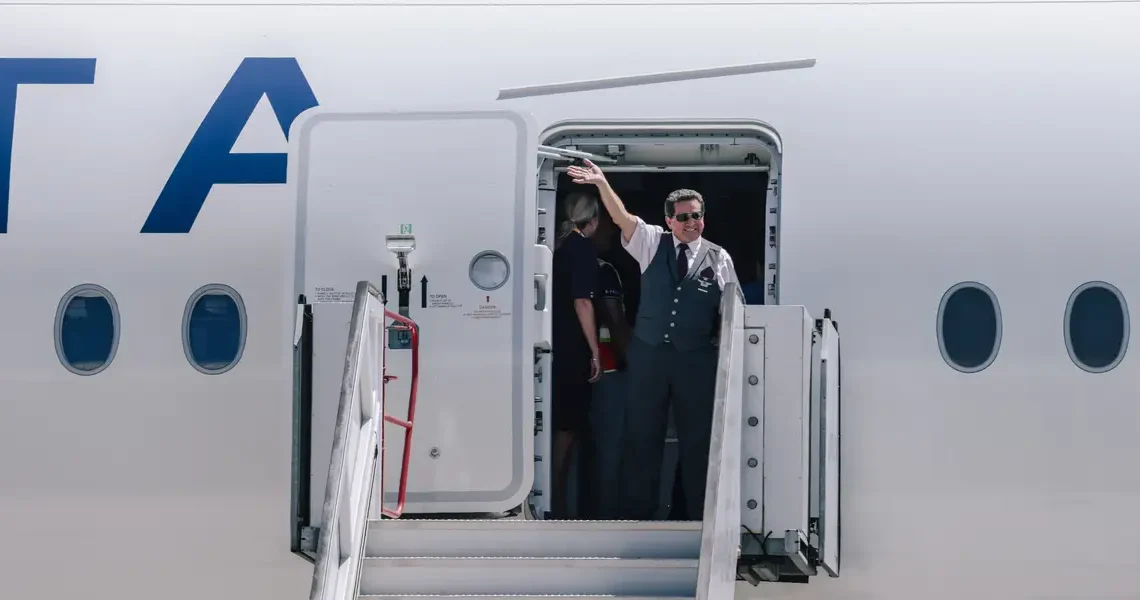
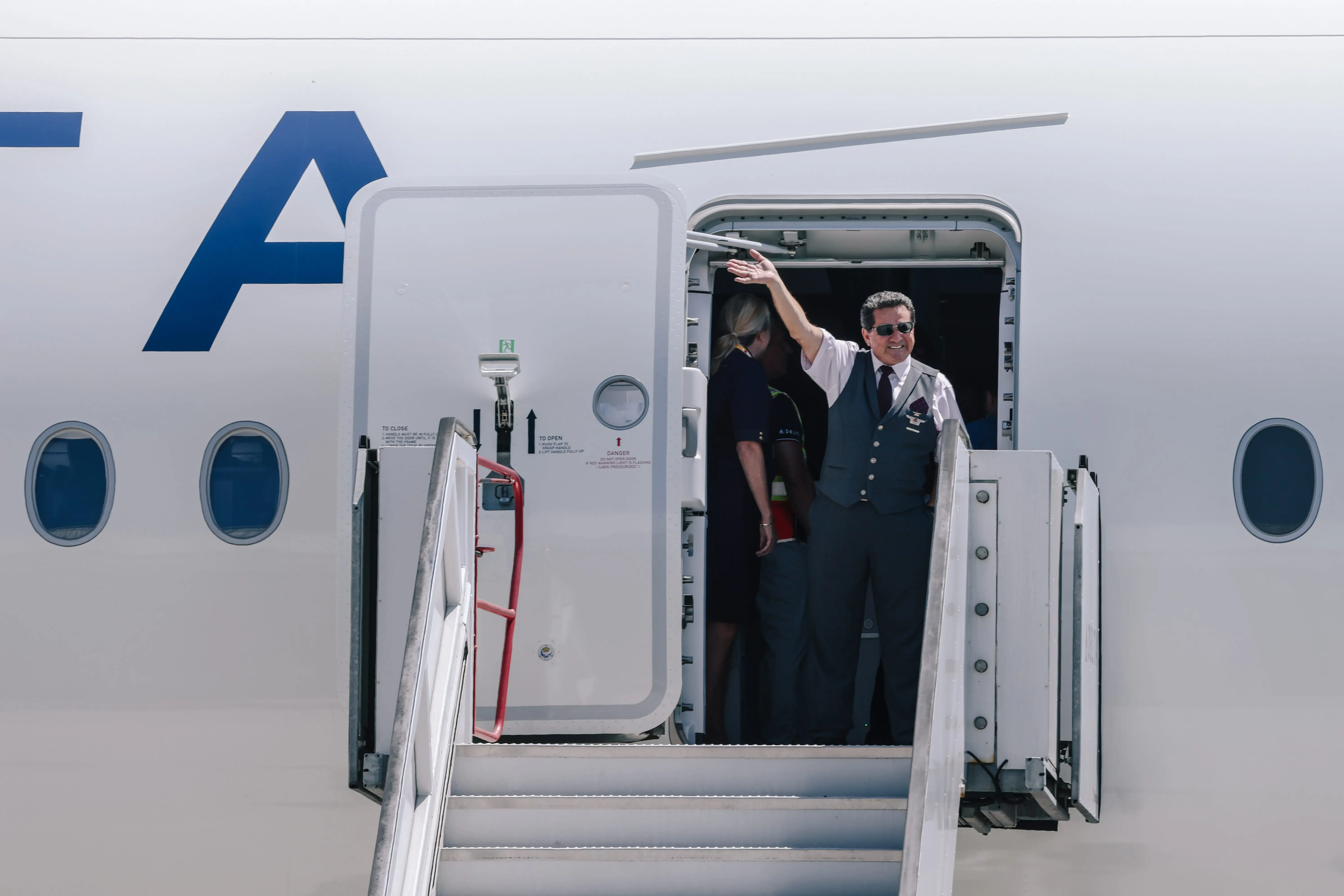
Flight attendants at American, Delta, and United don’t make nearly as much as their pilot colleagues, but the most senior cabin crew can take home a base salary of nearly $80,000 a year — with some making six figures.
The job is a far cry from your typical 9-5. It takes years of working grueling schedules and meeting high customer service and safety standards to reach the upper echelons of seniority at the US’s Big 3 airlines.
Flight attendants are paid a base hourly rate, plus a per diem bonus if they are away from the airport where they are based. Some are paid for boarding. They can also earn more money by working holidays, flying at night, or holding a specialized position. Airlines also typically pay profit-sharing bonuses.
Pay increases with each year of service up to the 13th year.
Most flight attendants are guaranteed a monthly minimum, which varies by airline — meaning they will be paid for at least a certain number of hours each month whether or not they fly it, minus certain circumstances. Many work more than the guarantee.
Pay scales obtained by Business Insider show Delta offers the highest hourly rates, followed closely by American. United hasn’t upped its flight attendant pay in years, and despite reaching a tentative agreement in May 2025, its union rejected the deal in July and recently requested more money.
American Airlines
- First-year: $36.81
- 13th-year: $84.50
American ratified a new contract in September 2024 with the Association of Professional Flight Attendants.
The deal, which took five years of negotiations — partly due to the pandemic — increased pay by up to 20.5% at the date of signing.
American guarantees 71 hours of pay a month for those with a pre-planned “line” schedule. “Reserve” crew, or those on call, have a minimum of 75 hours.
This translates to at least $31,300 for first-year crew and $72,000 for thirteen-year veterans before taxes and other earnings.
As part of the new contract, pay will increase in 2026 and again annually through 2029. By then, hourly rates will increase to a starting base pay of about $40 per hour.
American also added boarding pay to its latest contract at 50% of a flight attendant’s hourly rate. Cabin crew were previously not paid for boarding time.
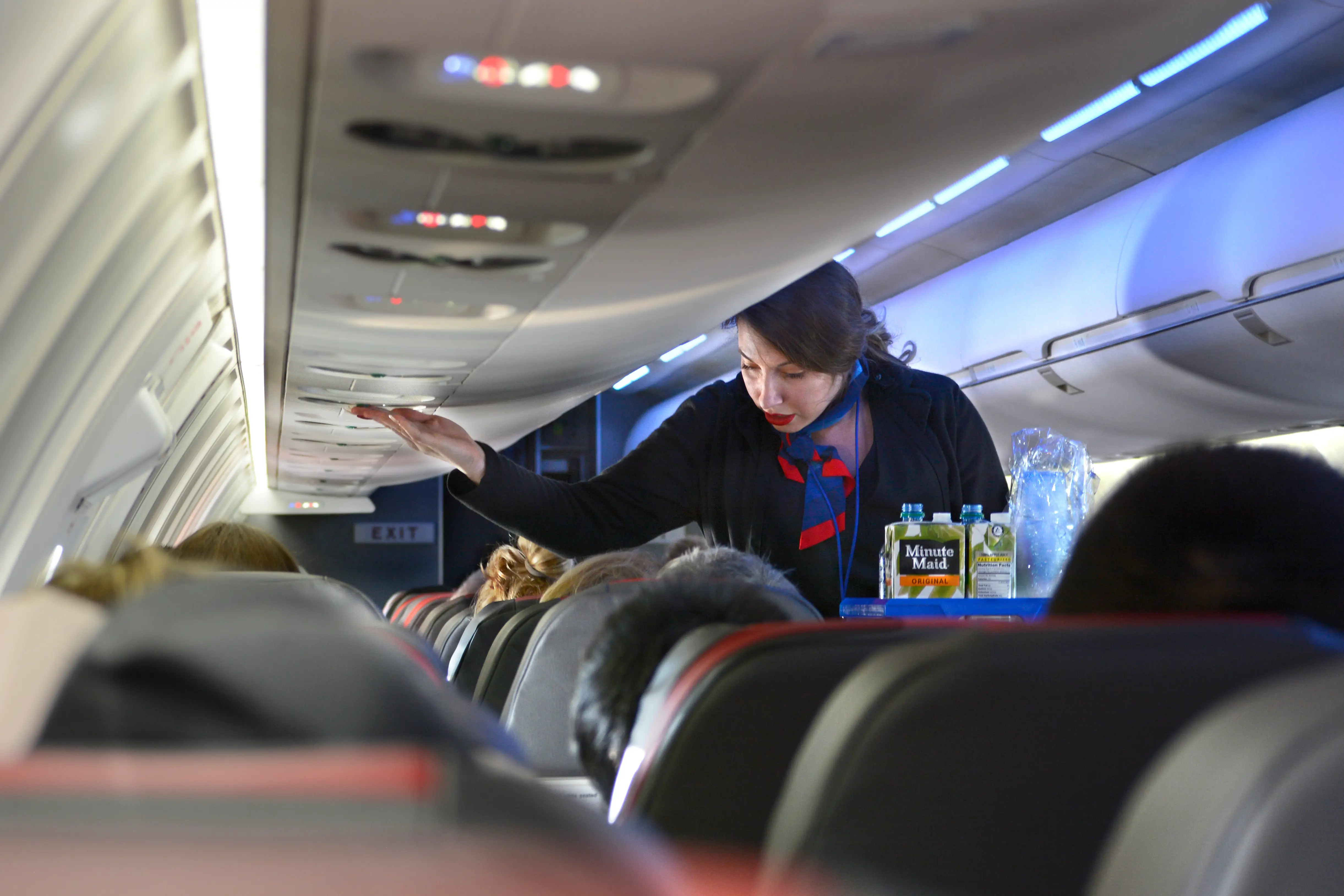
Historically, American has not paid a high profit-sharing bonus. In 2024, it was just 1.1% of flight attendants’ eligible earnings. The new contract increased that profit-sharing formula to match Delta’s, but the final amount will depend on American’s year-end earnings.
For 2024, the airline was the least profitable of the Big 3, with a net income of $846 million on revenues of $54.2 billion. It also lost money in quarters one and three of 2025.
Delta Air Lines
- First-year: $36.92
- 13th-year: $83.00
Delta’s flight attendants are not unionized. Their most recent pay bump, which took effect on June 1, 2025, increased cabin crew salaries by 4%.
First-year Delta flight attendants earn a base pay of $36.92 an hour, while 13-year crew members earn about $83 an hour.
Like at American, Delta cabin crew get boarding pay equal to half of their hourly rate. In 2022, Delta became the first major US airline to offer the extra pay.
Its flight attendant salaries vary based on hours worked a month, and there is no contractual minimum.
Some Delta flight attendants who are trying to unionize say the lack of guaranteed hours could result in lower pay compared to competitors.
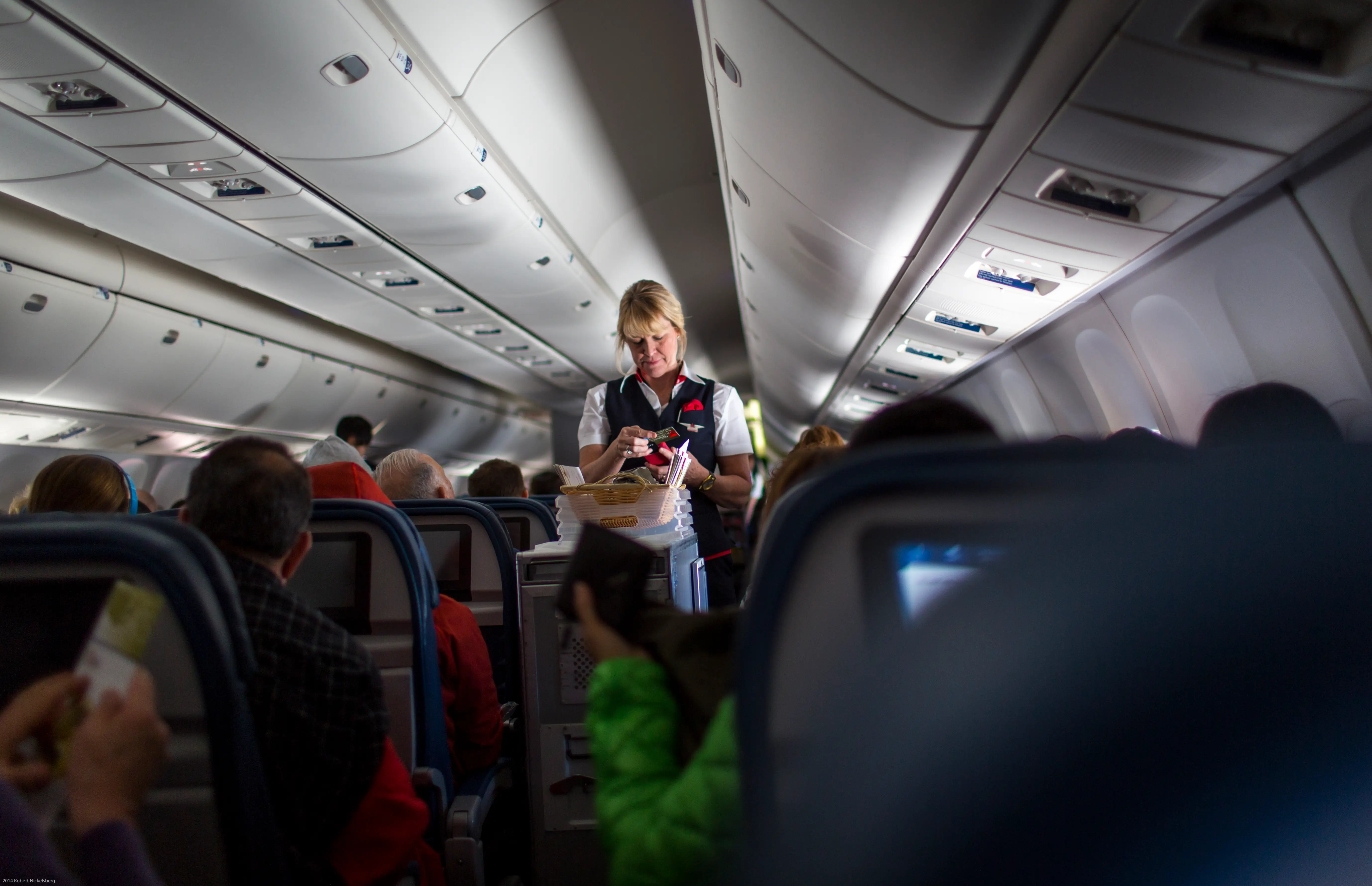
A Delta spokesperson previously told Business Insider that flight attendants typically get 80 hours a month. This means first-year and 13-year flight attendants, respectively, earn about $35,400 and $79,700 annually before taxes and other earnings.
He added that cabin crew can earn up to $1,200 extra annually for meeting monthly operating metrics.
Delta also consistently distributes the highest annual profit-sharing. It paid $1.4 billion to employees in February 2025, which amounted to a bonus of 10% of employees’ eligible earnings — an average of about five weeks’ pay.
It was the most profitable airline in the US in 2024, with a net income of $3.46 billion and revenues of $61.6 billion. Delta reported profits for the first three quarters of 2025.
United Airlines
- First-year: $28.88
- 13th-year: $67.11
United has the lowest pay at the moment, as cabin crew haven’t received a pay rise since 2020.
United guarantees 71 hours of pay a month for those with a line schedule, while a reserve crew member gets a minimum of 78 hours.
That amounts to United first-years making at least $24,600 a year and 13-year flight attendants making at least $57,000 annually before taxes and other earnings.
A United spokesperson told Business Insider that half of the airline’s cabin crew are at the top of the seniority pay scale, with average annual pay in that group hitting nearly $80,000.
That likely accounts for hours worked above the guarantee, as United said the crews have flexible schedules and can work when they want.
Despite lower comparative base pay, United flight attendants have earned high profit-sharing bonuses. In 2023, that was about 9.2% of their eligible annual salary. This dropped to 5.3% for 2024. The February payout amounted to $584.3 million.
United was the country’s second-most profitable airline in 2024 with a net income of $3.15 billion and revenue of $57.1 billion. It has posted profits through the third quarter of 2025.
Years of failed negotiations between United and its labor union, the Association of Flight Attendants-CWA, have prevented cabin crew pay increases, which is why the airline’s wages are comparatively lower.
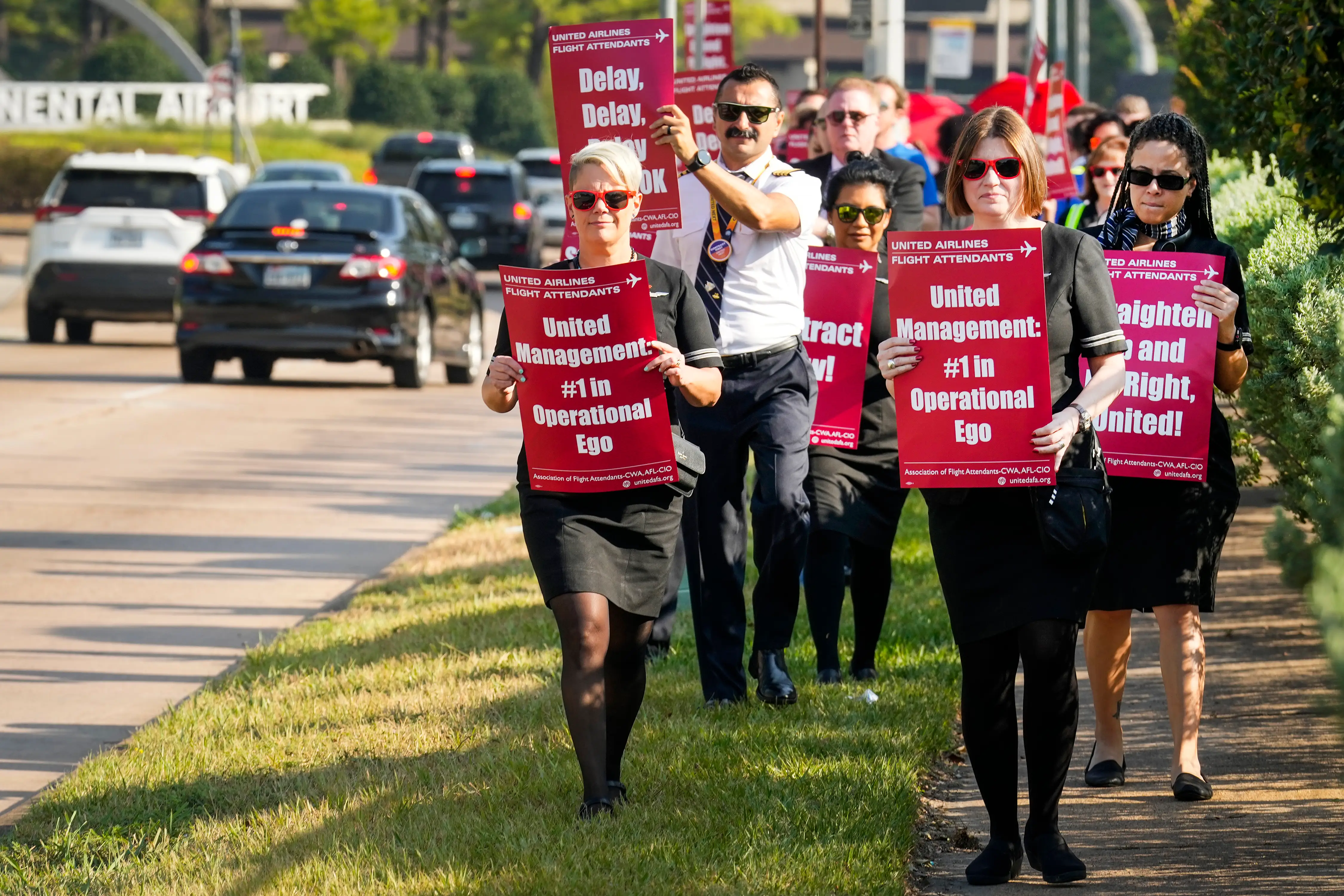
Despite reaching a tentative agreement in May 2025 that would have raised first-year hourly pay to $36.92, matching Delta, about 70% of United flight attendants said no because it didn’t go far enough on issues like pay and workplace improvements.
Negotiations have continued into 2026, with the union recently requesting additional wages. In a memo sent to inflight services on Friday and shared with Business Insider, the carrier said “the union’s proposal would put United at a competitive disadvantage compared to other airlines.”
It countered with pay for sits between flights and shorter reserve availability periods to align with American — two things it said union members prioritized.
However, United said the latter would require reducing the flight attendant minimum guarantee from 78 hours to 75 — something the union has described as “unacceptable.”
United also wants to switch to the same scheduling system that its pilots use, but many cabin crew don’t like. Additional talks are planned for February and March.
Other ways flight attendants earn money
Extra pay opportunities can add tens of thousands of dollars to flight attendants’ base rates and put the most senior crew members well into the six figures.
This includes working overtime, flying on holidays or during nighttime, or if they hold a skilled position. Airlines also offer flight attendants free flights for personal use as part of their employment benefits.
Skilled positions can include being the in-charge “lead” or purser, working in the galley, or speaking a second language. The premium pay ranges from $1 to $7.50 extra per hour, depending on the aircraft and whether the flight is domestic or international.
Flight attendants also get per diem pay, typically $2 to $4 for each hour on duty away from home, to cover work-related expenses like meals, laundry, and transportation.
Senior flight attendants can gross $100,000 or more annually, depending on how many hours they work. Premium and special skills pay help boost that. They can fly more hours by bidding for more than their monthly minimum or picking up trips dropped by other crew members.
Read the original article on Business Insider
The post This is what flight attendants make at American, Delta, and United. Some earn over $100,000 a year. appeared first on Business Insider.