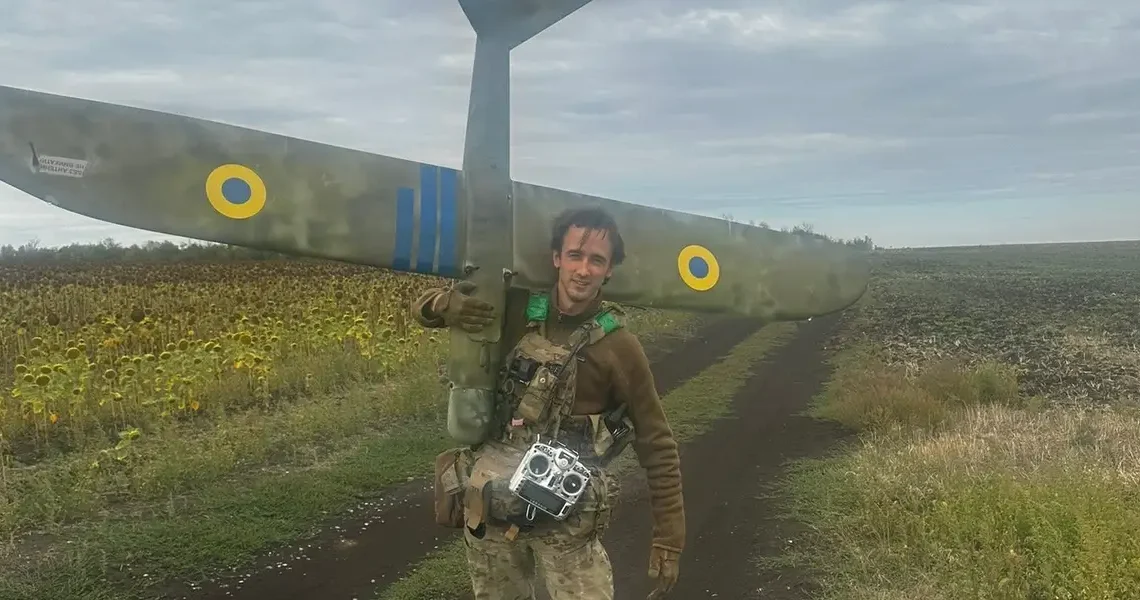
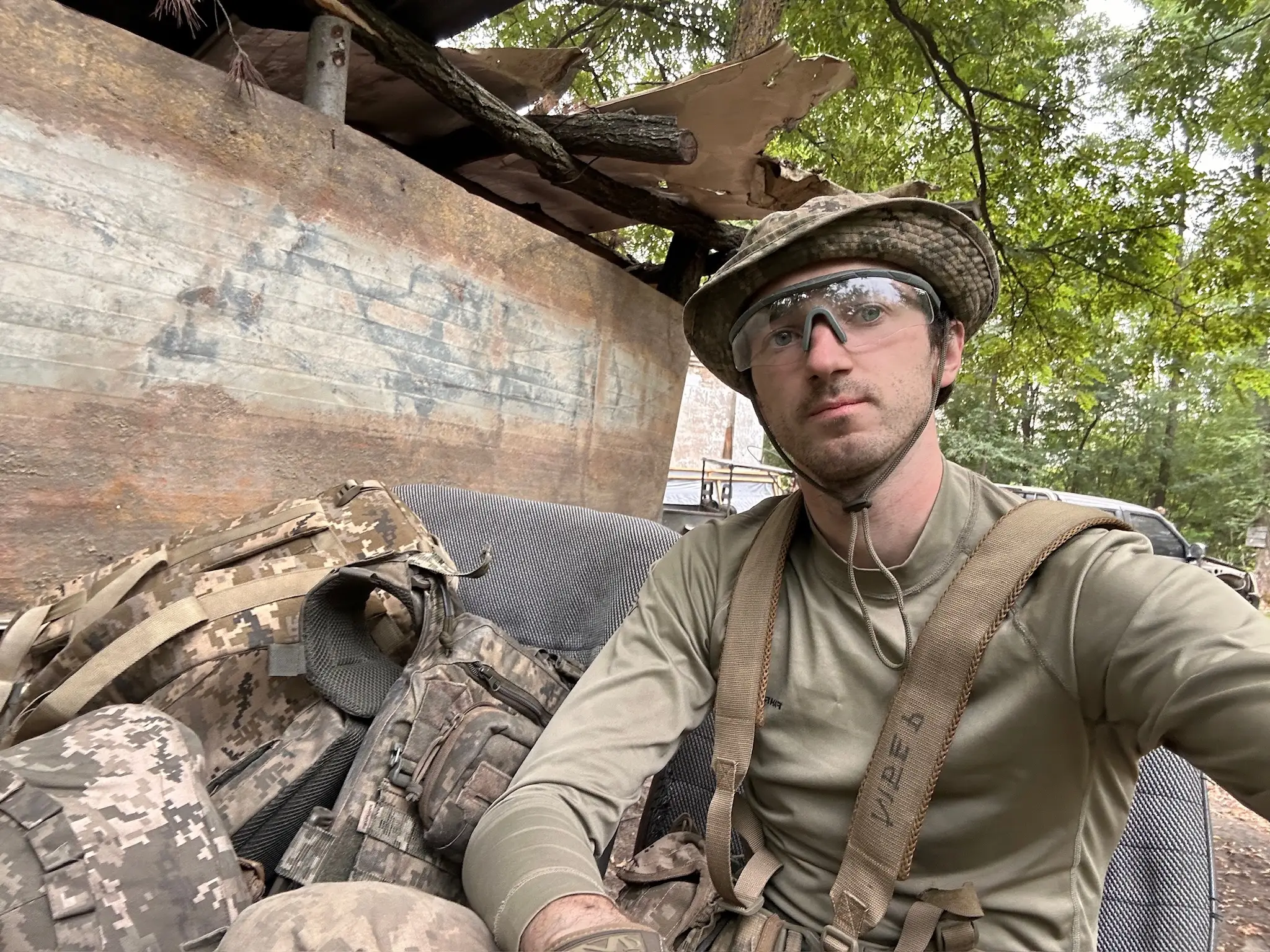
This as-told-to essay is based on a conversation with Sgt. Dimko Zhluktenko, an ISR drone team leader in Ukraine’s Unmanned Systems Forces. He deployed in 2025 near Pokrovsk, a key city that Russia said it captured in early December.
Business Insider has verified his role in the Ukrainian armed forces. The article has been edited for length and clarity.
Before the full-scale war, I was a software engineer, working for companies in San Francisco, New Zealand, and Germany.
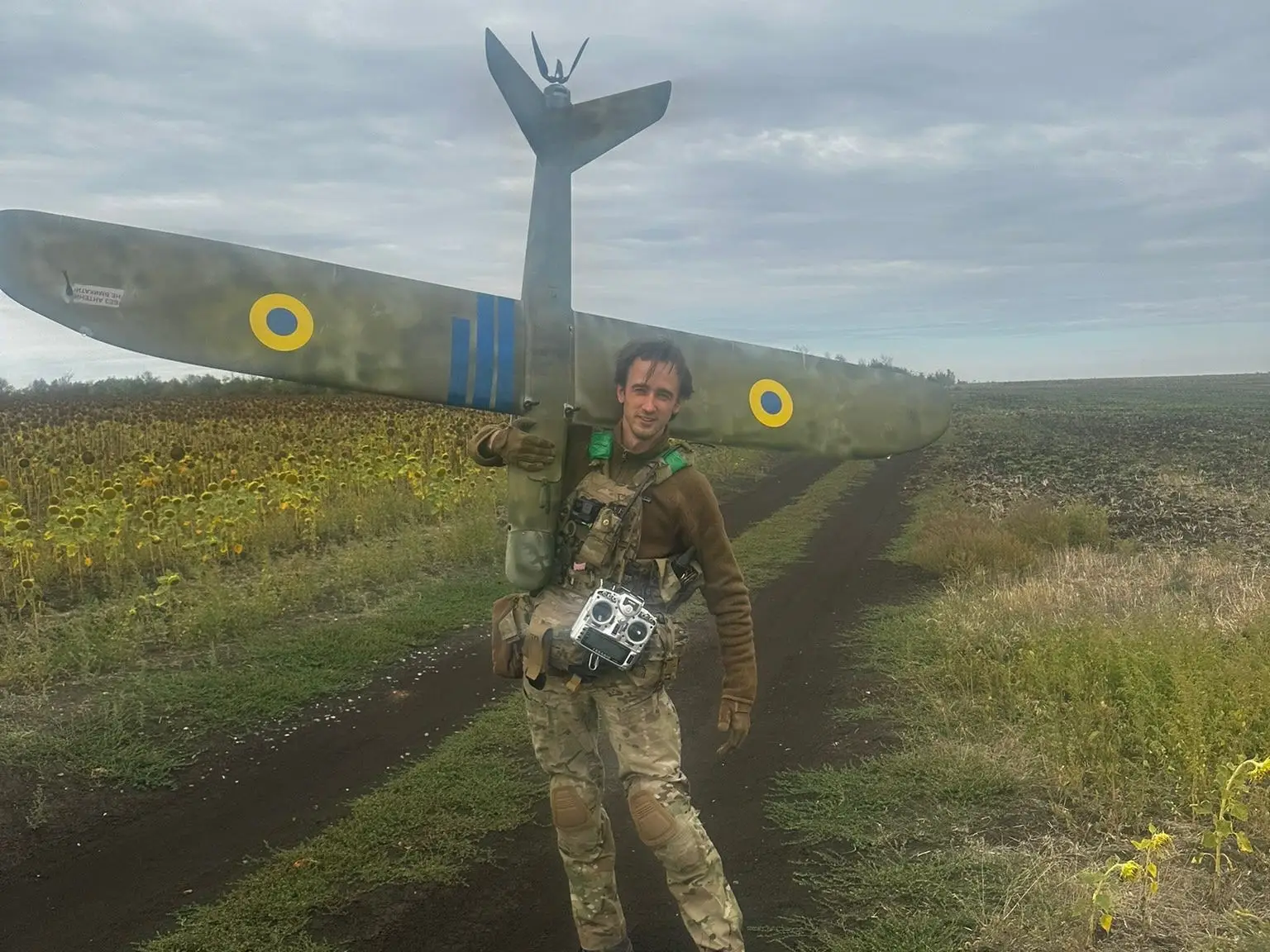
Today, I lead a team of five to six Ukrainian drone operators. Our task is to use high-flying drones to provide reconnaissance data to our troops and commanders.
With our intelligence, artillery such as HIMARS and drone strike teams can target Russian equipment and soldiers, often before they can even reach the front lines.
We were redeployed to the Pokrovsk area in August because the fighting there had become so intense. Because drone operators are priority targets in the war, we would spend our dayslong rotations in houses and underground bunkers outside the city.
When we first arrived, the weather was sunny and ideal for flying.
But the end of October was a disaster for us. Ukraine turns foggy in the autumn, with thick and low clouds that can stack from 100 meters to 300 meters above the ground.
These are so thick that no infrared camera or thermal camera can see through them, and caused many days to be completely no-go for flying for our types of drones.
At the time, the Russians took advantage of the clouds, using them to cover their advance on foot and in vehicles. Given the weather, the number of personnel they sacrificed to take the city, and our limited resources, there was eventually no viable way for us to defend Pokrovsk forever.
Ukraine is dependent on drone warfare. It has carried us through the terrible and scary times of these Russian assaults, and it has changed the face of war. For the entire summer of 2025, for example, I saw a tank only twice on the battlefield.
Drones are cheap and effective, and if we had an infinite number of drones, we would have been working 24/7 to fight the Russians in Pokrovsk.
But we don’t have infinite drones, so in the meantime, we need other strike tools and resources, such as more artillery fire and troops. War is complex, and drones cannot be its only solution.
Flying blind
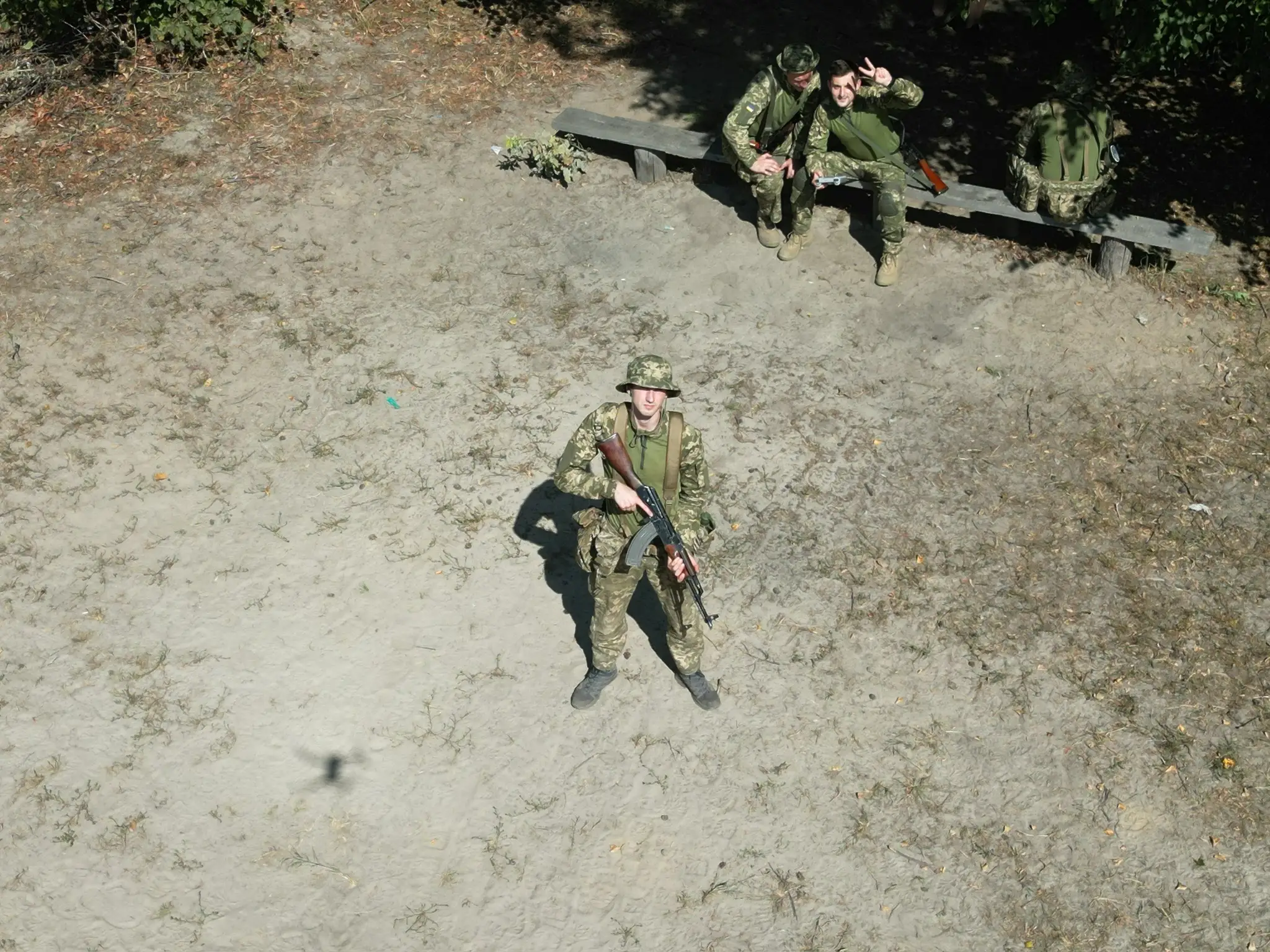
In normal conditions, we fly our drones four times a day, with each flight lasting about three to four hours and sometimes into the night. It’s tiring, but worth it, because you can make an enormous difference for Ukrainian defenders. We can spot where Russian forces are moving, denying them the element of surprise, and scout for assets such as air defenses and artillery for commanders to strike.
Recon drone operators like us rely heavily on visual navigation. We study Pokrovsk so closely that, even when our drone is being spoofed, we can determine our flying location simply by the shape of the terrain or landmarks.
When the foggy season comes, we try to make the most of any good visibility. Sometimes, you can get lucky and perform five flights in a five-day rotation.
However, there were days when we found ourselves sitting in a house, just waiting for the weather to clear.
You can try to fly under the clouds, but going low means our bulky drones are more easily spotted and destroyed. Since we have limited tools, we try to preserve them and not use them recklessly.
Still, on days with strong winds, there’s a chance that the clouds may break slightly and give you glimpses of the battlefield. Sometimes, when visibility is bad but not impossible to work with, we must risk flying in such weather, especially if our troops are defending against a major assault.
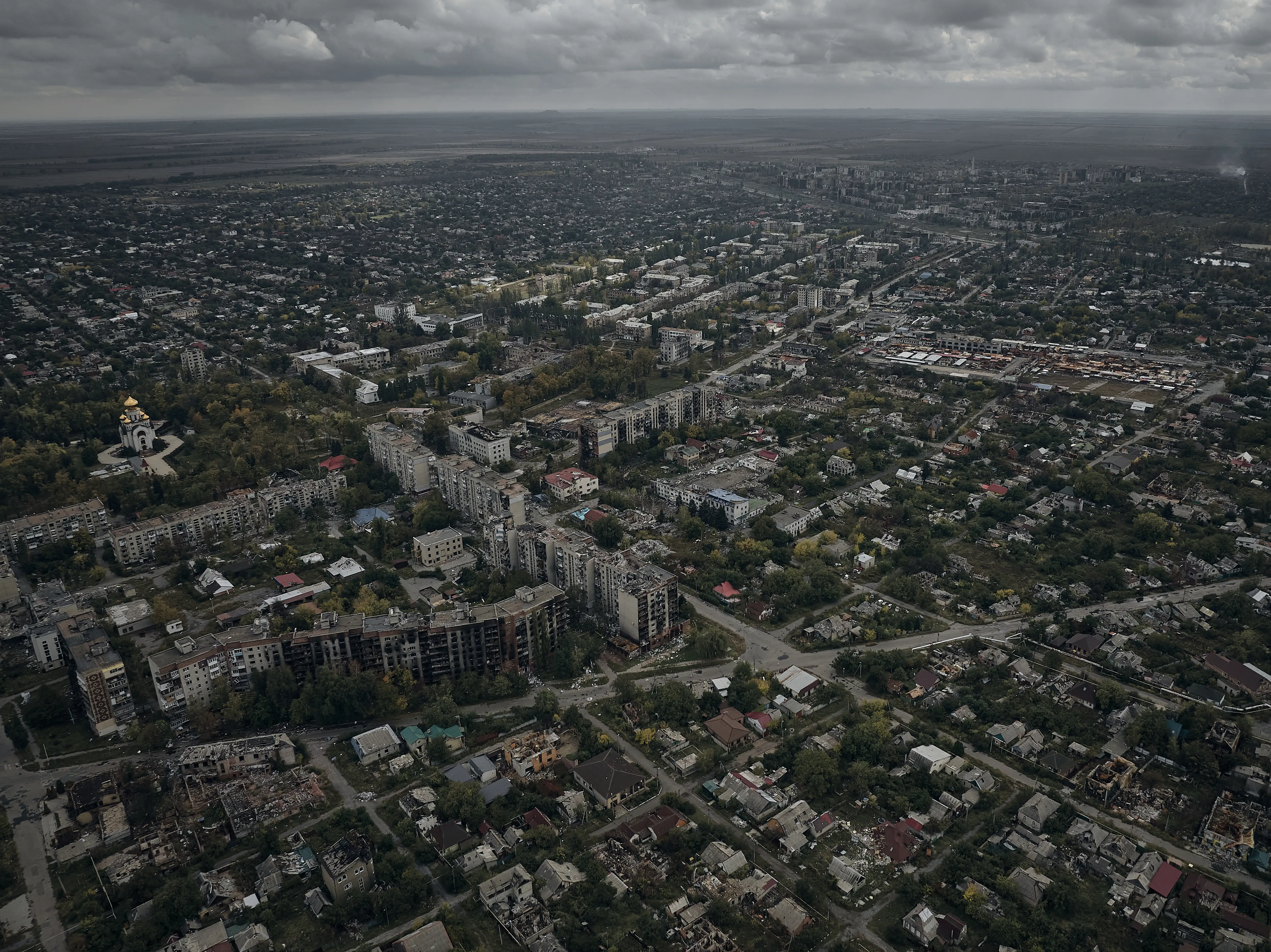
In late summer, the situation in Pokrovsk was becoming increasingly problematic, both on the ground and in the sky. Back in the day, we would help long-range artillery focus on the Russian rear.
By autumn, we were working with units fighting at close range.
Russia’s brutal, simple mathematics
I began to notice that Russia’s tactics were making an impact around September.
Across the warzone, their strategy is to find our limit and overwhelm it with the smallest number of soldiers needed to seize our positions.
It is simple mathematics. Initially, they would send around 10 soldiers. If that wasn’t enough, they would send 20. Then they would try 30.
Day by day, they increase the number of troops and equipment. Their goal is to create a situation where we don’t have enough drones to counter the amount of attacking infantry.
To eliminate an assault of 50 guys, all spread out, we’d need at least 150 drones and artillery, which is difficult for us to organize with our limited resources.
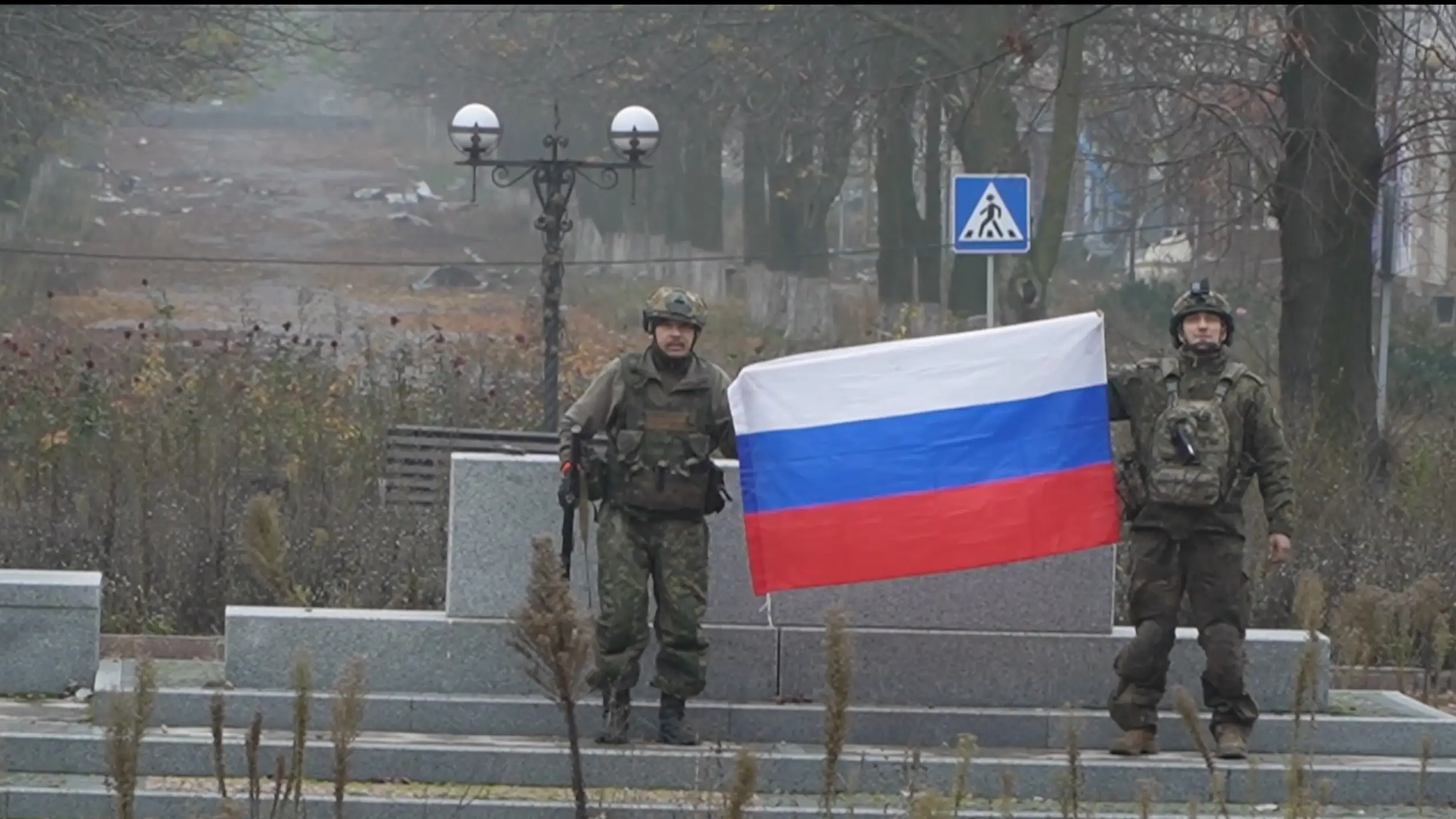
When we were working in Pokrovsk, there were already areas of the city where the Russians had advanced, so the fighting area was porous and undefined.
Ukraine needs more than drones
If we had more troops, we could have held out for much longer and performed more aggressive maneuvers.
If we had more recon drones, our team could have flown over Pokrovsk nonstop, working despite the clouds.
With more first-person-view strike drones, our pilots could continue to find and attack the Russians closer to the ground.
But we don’t have enough. So, we need other strike tools besides FPV drones, even though they account for about 80% of our kills on Russians.
Ironically, some of these tools have disappeared because warfare has changed so much. Mortars might have helped, but we mostly stopped using them — the battlefield is now so transparent that it is a suicide mission to ride around close to the front line in your pickup truck with a mortar.
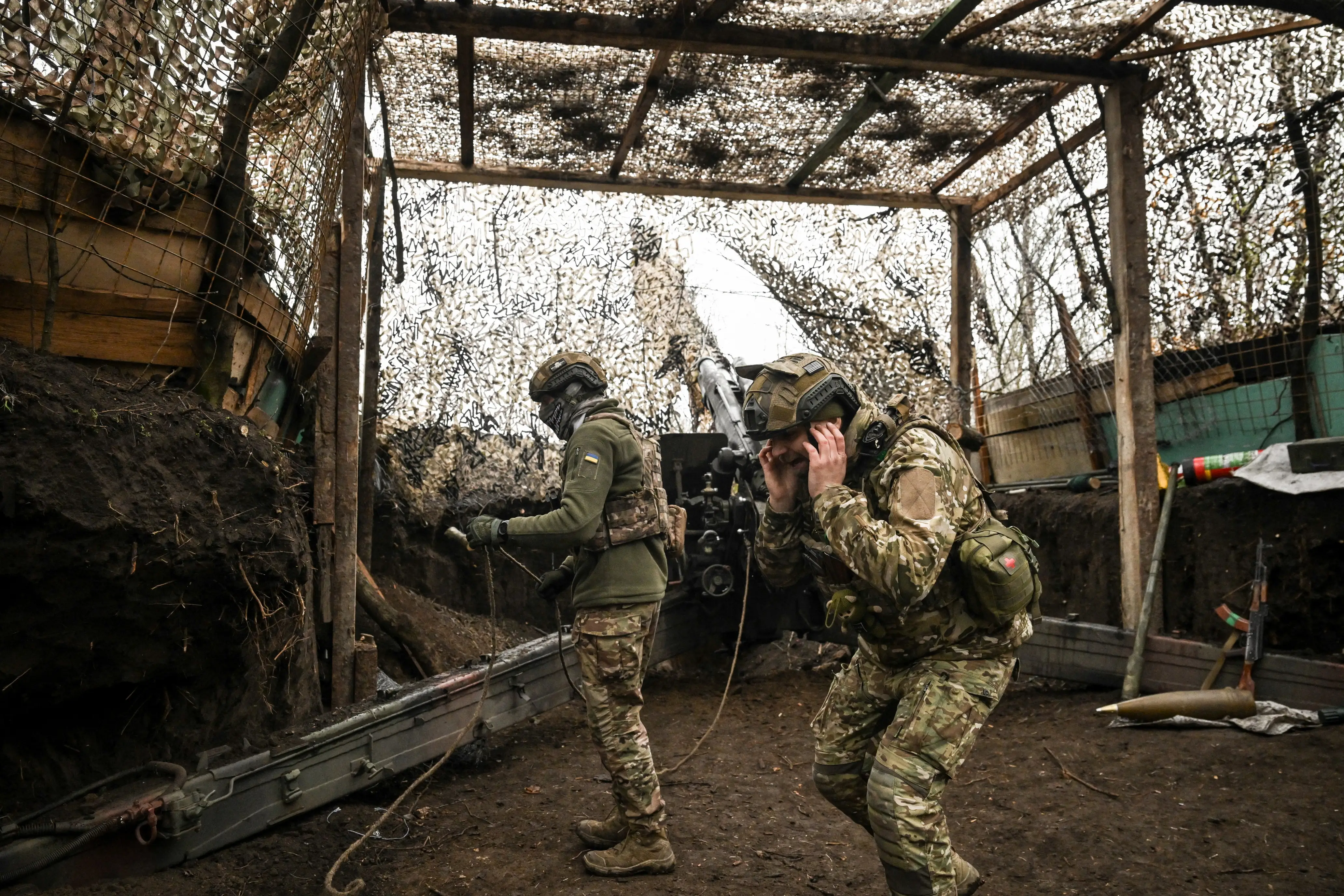
What we definitely need is artillery ammunition. Last year, some HIMARS units I worked with were rationed to four strikes a week.
Other artillery units were limited to just three artillery shells a day. We would find them a target, and they would say: “We don’t have any more for today. Sorry, guys.”
The weather in this season means it is still what drone pilots call our “low season.” At the same time, the terrain is now not too muddy, so it is the perfect time for Russians to attack.
This month, I am redeploying to Dnipro. The fight continues.
Read the original article on Business Insider
The post I flew drones on Ukraine’s fiercest battlefield. The last few months laid bare the limits of today’s drone warfare. appeared first on Business Insider.