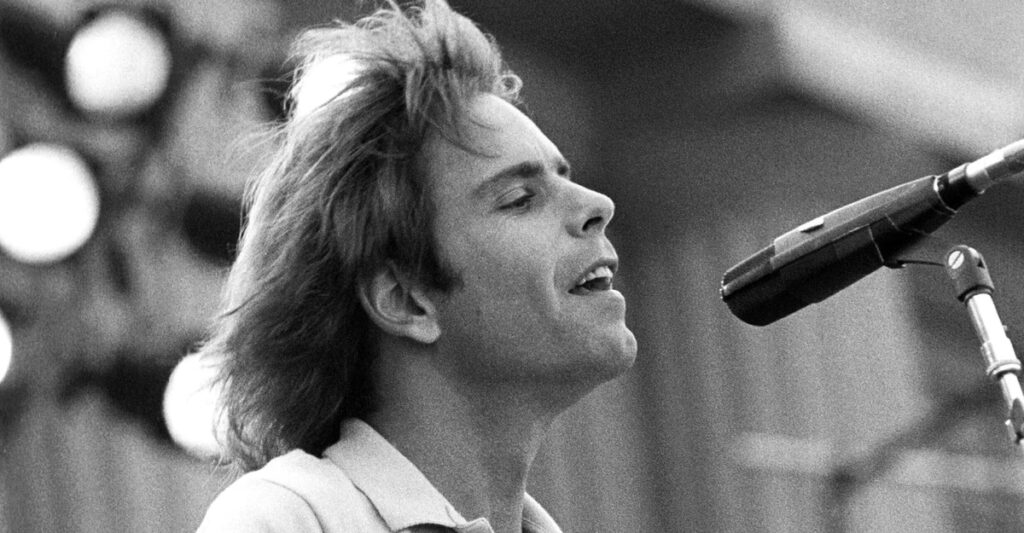
In the summer of 1968, three years into the Grateful Dead’s existence, the band fired singer and rhythm guitarist Bob Weir. Jerry Garcia, the band’s other guitarist and its reluctant leader, and bassist Phil Lesh had decided that Weir and keyboardist Ron “Pigpen” McKernan were dragging the band down musically. Weir was just 20 years old, the youngest member of the group and the least technically accomplished. But Garcia didn’t have the heart to pull the trigger himself, and he made the band’s manager do the deed. Or at least he tried to. “It didn’t take. We fired them, all right, but they just kept coming back,” Garcia remembered later.
The failure was auspicious. A few months later, the band performed the shows that would be released as Live/Dead, one of the greatest psychedelic albums ever. The first sound heard on the record is Weir’s guitar, which methodically builds “Dark Star” up, sewing together Garcia and Lesh’s riffing. Weir’s place in the Dead was never again in doubt. When the group disbanded after Garcia’s death in 1995, Weir continued to lead or co-lead iterations of the band for another 30 years, culminating in a three-night 60th-anniversary celebration in San Francisco this past August. He died Saturday at 78, from complications of cancer.
Weir lived his entire adult life in the shadow of Garcia, a formidable genius who died too young, but he was more than just a backing musician. Garcia gave the band virtuosity; Lesh, with his avant-garde training, gave it ambition. Weir gave it soul and fun, and his underappreciated guitar playing was the glue that held the whole Dead sound together.
In a group of scruffy hippies, Weir was a bit of a misfit—ironically, by virtue of being normal. He was a prep-school kid, adopted by a well-off family from Palo Alto, California. But he was also perpetually getting kicked out of schools for misconduct—perhaps a side effect of his undiagnosed dyslexia—and his personal struggles helped lead him to Garcia. (It’s also how he met John Perry Barlow, a boarding-school classmate who would become his songwriting partner as well as an internet pioneer.)
Weir’s age made him the band’s little brother, and like many younger siblings, he could be embarrassing. In contrast to Garcia, who was famously impassive onstage, Weir had front-man energy. He sometimes came off as a pretty boy, and had a tendency to hit a helium falsetto in moments of excitement. After Pigpen’s death, he became the band’s standard-bearer for its lecherous blues songs. His flirtation with slide guitar in the late 1970s and ’80s was mediocre at best. And the less said about those short shorts, the better.
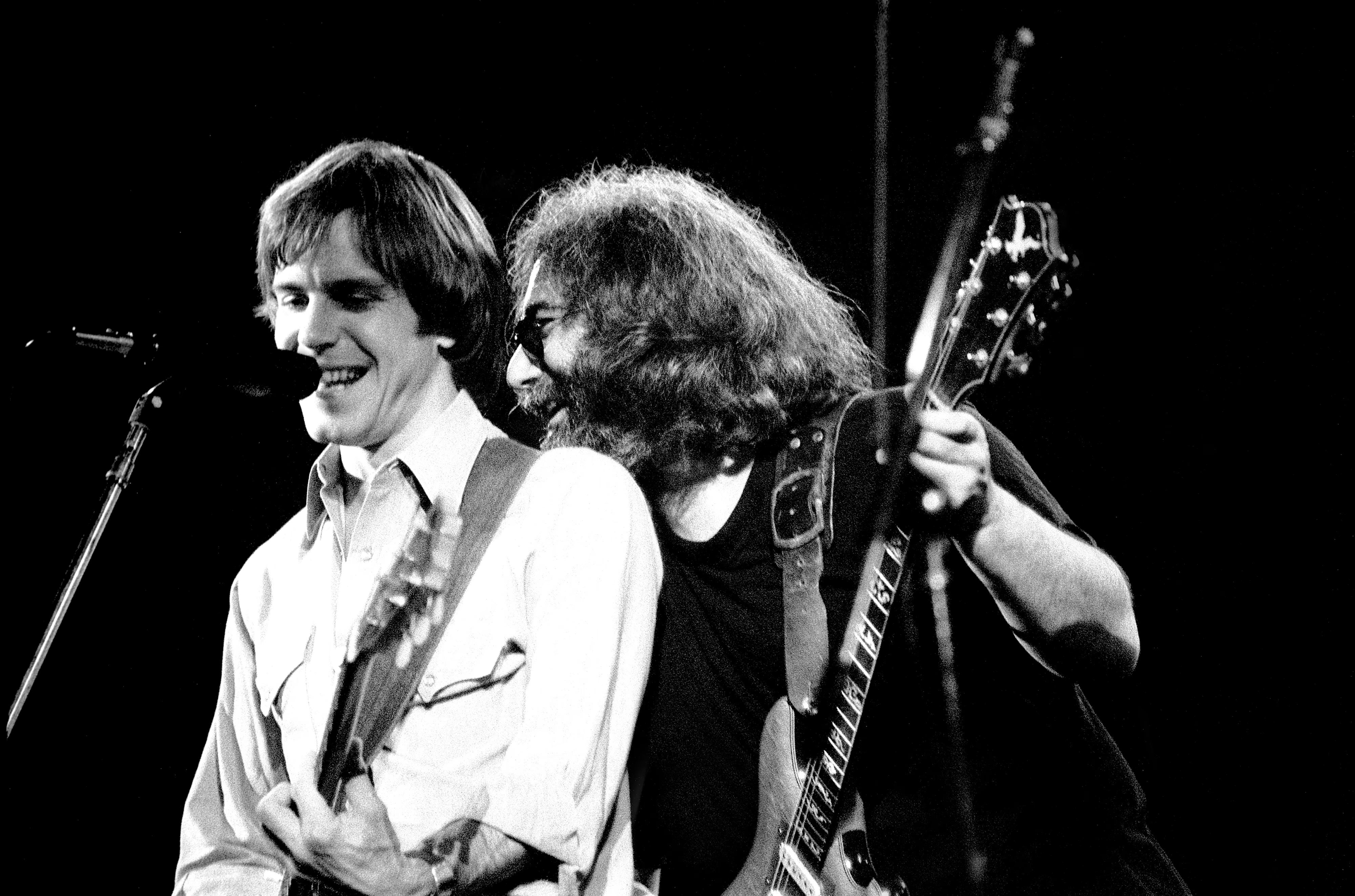
The magic of a band, though, comes from looking past any member’s individual foibles to see how they contribute to the whole, and it’s impossible to imagine the Dead functioning without Weir. During concerts, the set list would customarily alternate between songs sung by Garcia and songs sung by Weir, which was essential to maintaining interest and dynamism across their hours-long shows. Weir was the more conventionally talented singer, and sometimes what you need after the mawkish Garcia dirge “Wharf Rat” is Weir’s euphoric and randy “Sugar Magnolia.” (This change of vibe might be especially urgent and welcome if, like many attendees at Dead shows, you were experimenting with psychedelic drugs.)
Part of the Dead’s greatness resided in their integration of nearly the full breadth of American music: jug bands, modal jazz, Charles Ives, Motown. Weir’s role was often to inject swagger or grease, delivering signature renditions of songs by the likes of Chuck Berry, Merle Haggard, the Reverend Gary Davis, and Marty Robbins as well as upbeat originals such as “Greatest Story Ever Told.” But Weir wasn’t adept in only bluesy numbers. A ballad such as “Looks Like Rain” or “Black-Throated Wind” can grab you by the chest. My top criterion for judging a tape of a Dead show is usually the presence and quality of a rendition of Weir’s “Playing in the Band,” which elevates a boring trope—a song about being a rock and roller—into transcendence, with long, proggy passages.
Less obvious than his singing, but more singular, was Weir’s guitar playing. A typical rhythm guitarist aims to keep a song moving with chunky chords that outline the harmony of a song but also maintain the beat. The Grateful Dead had different needs: The group had to provide effective backing for Garcia’s solos, and it had to be able to morph from one song to another via collectively improvised jams. But it also had two drummers rather than one; an exploratory, meandering bassist; and a rotating cast of keyboardists. Standard rhythm playing would only have cluttered the sound.
Weir responded by developing a style unlike any previous rock guitarist, and one that even most contemporary jam bands can’t replicate. In place of steady strumming, Weir played arpeggios, single notes, little riffs, and odd, jazzy chords. One reason I and many other Deadheads favor concert recordings from the early 1970s is that drummer Mickey Hart’s temporary departure from the band left more room to hear and appreciate Weir’s playing. His model, he liked to say, was the jazz pianist McCoy Tyner’s work in the John Coltrane Quartet. This is also a fitting analogy for Weir’s relationship with Garcia: Both Weir and Tyner rose to fame playing behind immortals, but that in no way detracts from either musician’s individual brilliance.
Weir also never succumbed to the bad habits of many of his bandmates, or at least never so deeply. McKernan’s drinking killed him at 27. Garcia’s drug abuse contributed to his death at 53. Lesh required a kidney transplant because of drug use. Keyboardist Brent Mydland overdosed at 37. But Weir lived more cleanly and, in later life, became something of an Instagram fitness influencer. When Garcia’s drug use caused his consistency and abilities to falter in the 1980s and ’90s, Weir helped carry the band.
[Read: How the Grateful Dead nearly solved the problem with live music]
In addition to leading his own bands, including RatDog and the Wolf Bros, Weir was involved in a series of projects that kept the repertoire alive. There was Furthur, then the Other Ones (a pun on a Dead song title), and later the Dead. After that came Dead & Company, in which he traded licks and songs with the pop singer John Mayer, who improbably won over many Deadheads. Hardly anyone could have been surprised that Dead & Company was booked as one of the first bands to have a residency at the Sphere, the elaborate Las Vegas venue. The Sphere promised “immersive” experiences; with the Dead, Weir had been delivering those for decades. Deadheads—those old enough to remember the Summer of Love and those born well after Garcia’s death—flocked to Vegas to partake.
In the past few years, many fans had noted that Weir’s pace had slowed—sometimes literally, as he throttled classic Dead tunes down to somnolent tempos. Over time, his appearance morphed from babyfaced to Yosemite Sam; he grew a bushy white beard late in life. Even so, that Weir might be gone so soon seemed unthinkable. After all, he was the youthful, energetic one; his passing feels like the end of an era, just as Garcia’s did. (With Weir’s death, only drummers Hart and Bill Kreutzmann survive as core members of the Dead.)
Even at an age when he’d earned the right to retire, Weir continued to write, record, and perform to adoring crowds, as though compelled to go on. Last August, in one of the final Dead & Company concerts, he performed a song that might have been a personal mission statement. The 77-year-old Weir sang words he’d written at 24: “I can’t stop for nothing / I’m just playing in the band.” It was never just playing, though.
The post Bob Weir Made the Grateful Dead appeared first on The Atlantic.