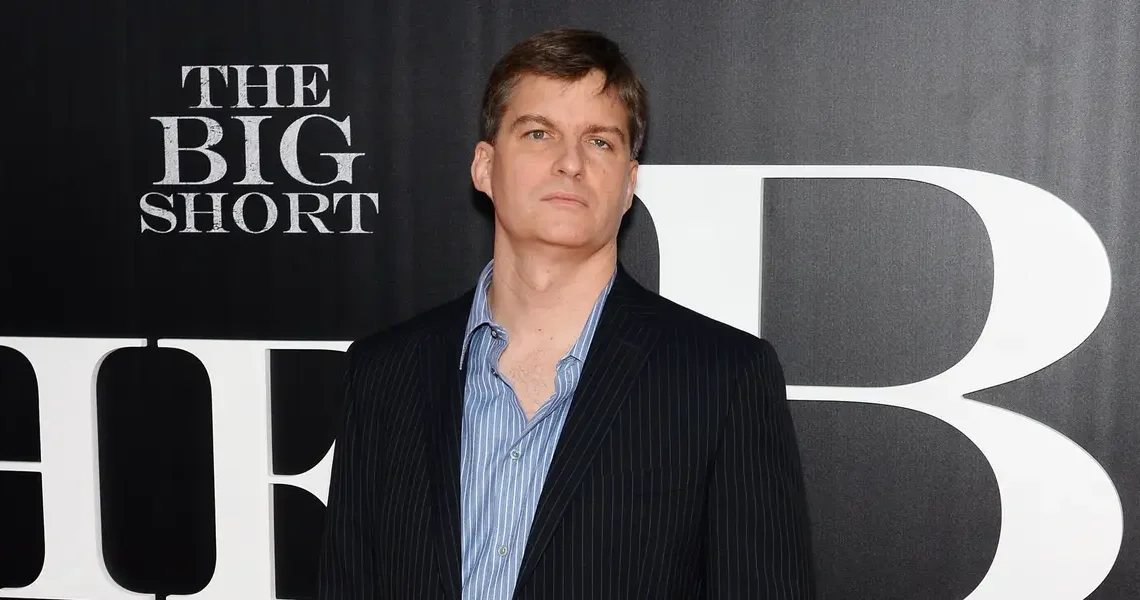
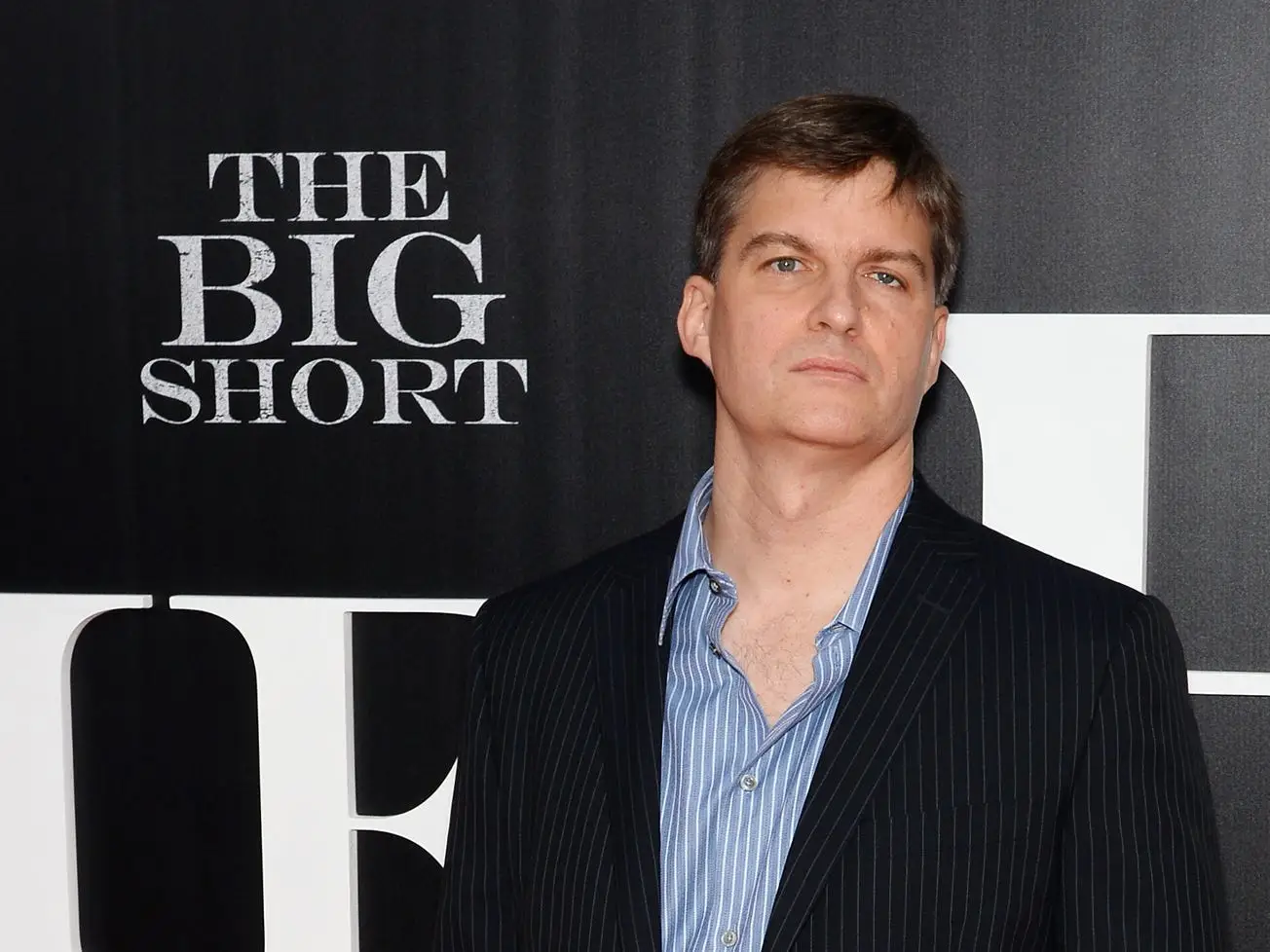
Michael Burry, the investor made famous by “The Big Short,” says the era of Big Tech turning relatively small investments into huge profits is ending.
And he says AI is to blame.
In a recent Substack exchange with tech podcaster Dwarkesh Patel, Burry said the most important metric AI industry investors should be watching isn’t revenue growth, hiring, or even market size, but return on invested capital, or ROIC.
ROIC is a measure of how efficiently a company turns the money it puts into its business into profit.
“The measure to beat all measures is return on invested capital (ROIC), and ROIC was very high at these software companies. Now that they are becoming capital-intensive hardware companies, ROIC is sure to fall, and this will pressure shares in the long run,” Burry wrote.
AI, Burry said, is pushing companies like Microsoft, Google, and Meta away from their historically asset-light software models and toward a far more capital-intensive future defined by data centers, chips, and energy.
Even if AI expands Big Tech’s addressable market, he said, falling ROIC could pressure stock prices for years to come.
Burry rose to fame after his bet against the mid-2000s housing boom was chronicled in “The Big Short.” Outside the occasional cryptic social media post, Burry, for a long time, spoke publicly only rarely.
That changed late last year when he closed his hedge fund to outside cash and began writing financial analysis on Substack.
Perhaps most notably, he has recently compared the AI boom to the late-1990s dot-com bubble, calling OpenAI the “Netscape of our time.” Netscape’s IPO marked the beginning of dot-com hype in 1995. Five years later, the bubble burst.
Burry’s hedge fund, Scion Asset Management, has made large bets against Nvidia and Palantir Technologies, two darlings of the AI era, according to a regulatory filing released in September last year.
Leading AI companies, like OpenAI, Anthropic, Google, and Meta, are spending big to build out the infrastructure they need to support their energy- and data-intensive chatbots and other AI applications. Debt and equity investors have lined up to back these projects.
So far, however, those companies have not shown significant profit returns on their AI products, leading investors like Burry to sound the alarm that AI is a bubble on the verge of bursting.
Agreed. And still, return on investment will continue to fall, almost all AI companies will go bankrupt, and much of the AI spending will be written off. Will it be the Panic of 2026? 2027? Does not have to be. https://t.co/VBWjh26vnc
— Cassandra Unchained (@michaeljburry) January 12, 2026
“At some point, this spending on the AI buildout has to have a return on investment higher than the cost of that investment, or there is just no economic value added,” Burry wrote in the Substack post.
Read the original article on Business Insider
The post ‘Big Short’ investor Michael Burry says AI is turning Big Tech into a worse business appeared first on Business Insider.