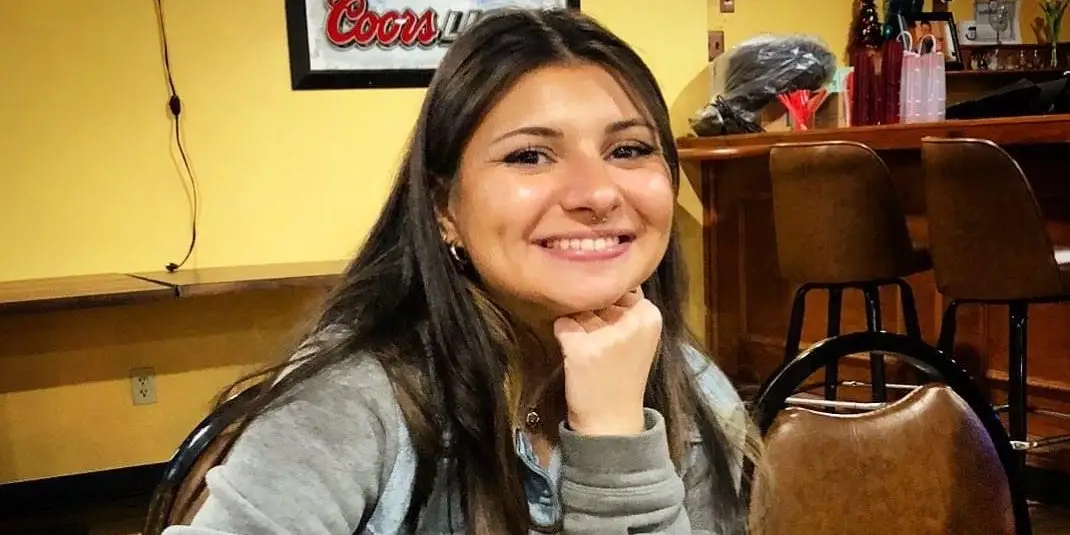
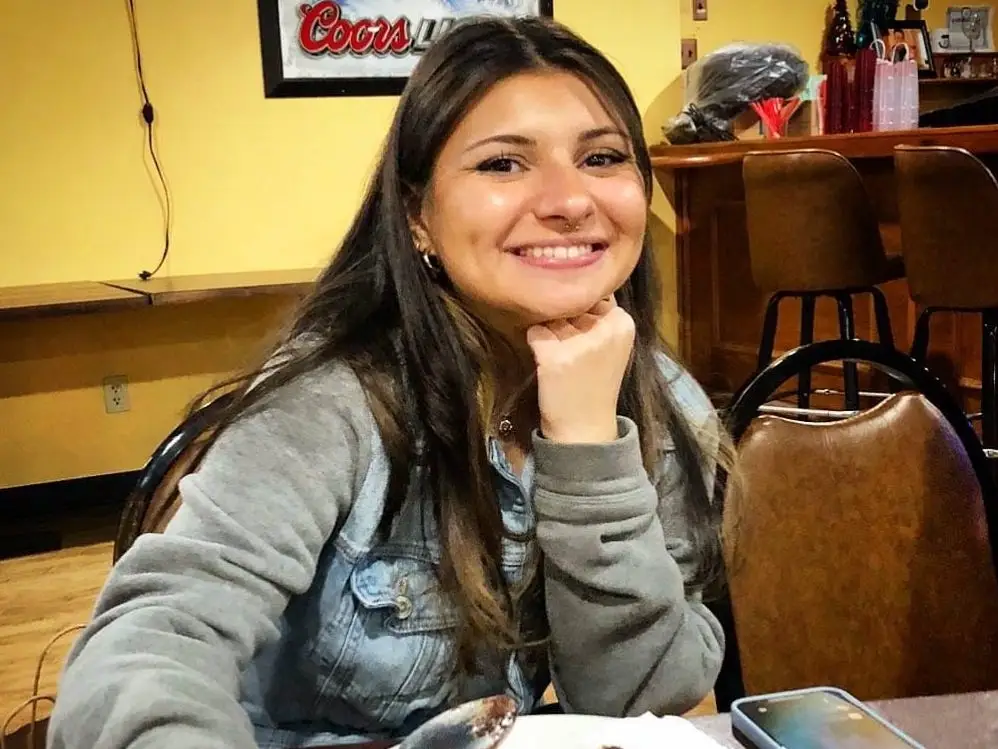
For about a year, Mariana wasn’t sure what to make of her bloating.
Sometimes, she assumed it was just part of being a woman with a regular menstrual cycle. She also had some friends with Crohn’s disease and ulcerative colitis, thinking she had similar GI issues.
Then, in April, she noticed blood in her stool — one of the most common symptoms of colon cancer in young people.
“That alarmed me a little bit,” Tata, 26, told Business Insider. When it didn’t go away for a month, she called her primary care physician, who believed the cause was hemorrhoids but sent Tata to get an abdominal scan just in case, as she was also diagnosed with anemia a few years before and suddenly had worsened symptoms.
The scan revealed a 20-centimeter tumor on one of her ovaries. Tata was sent to Syracuse Hospital in New York, where more testing led to a stage 4 colon cancer diagnosis, with the cancer spreading to her abdominal wall. Shortly after, both of her ovaries and fallopian tubes would be removed, Tata losing her ability to have biological children.
Tata, still in treatment, remembers being shocked. “When you’re young, you don’t think that it’s cancer,” she said. “Colon cancer was not in my mind at all.”
Cancer changed her life plans
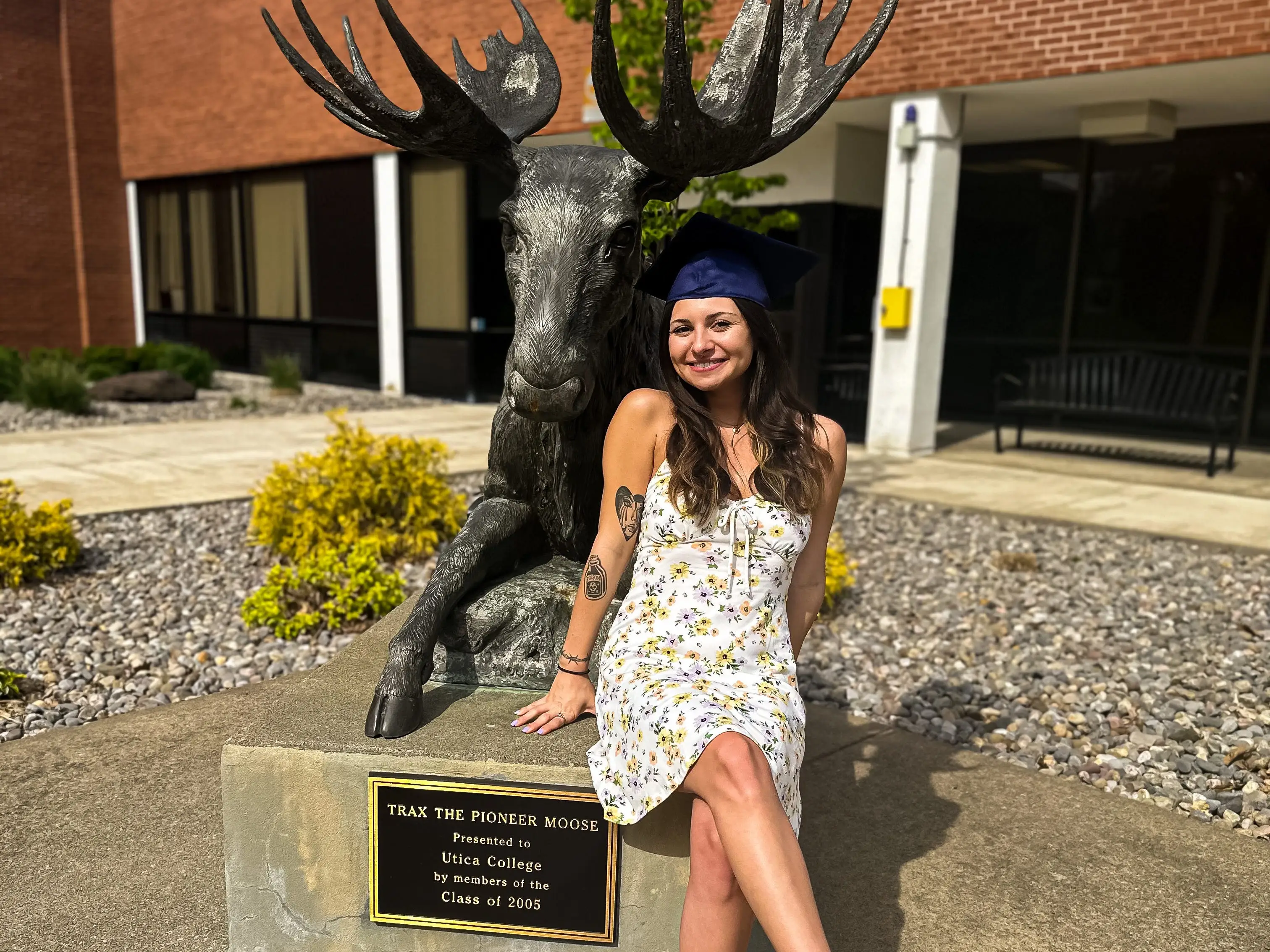
Prior to her diagnosis, Tata and her boyfriend discussed their future: Having kids and buying a house together.
Plans changed when she needed surgery to remove the large mass on her right ovary, which she soon learned damaged her left ovary as well. “There was no option to save any of my eggs,” Tata said, meaning she would have to carry donated eggs or embryos through IVF.
For now, Tata said, that means she’s letting go of the idea of having children. Knowing she’d have to pay for cancer treatment also made her rethink other plans, like the house.
Before she hit her deductible, she was “scraping together” as much as she could to pay for the ER visits, CT scan, abdominal scan, and blood work. While she said some friends helped put together a GoFundMe to help with costs, she’s still paying off a hospital bill from the summer that cost nearly $1,000, and anticipates future treatment costs.
“It is very rough, especially in your 20s and 30s when you plan on using your money for something else and then you get hit with cancer,” she said. “You have to reevaluate what you’re actually spending your money on.”
Splitting time between her boyfriend and parents

Tata splits her time between two homes, based on her chemotherapy schedule. On the night before her next treatment, she leaves the apartment she shares with her boyfriend to go to her parents’ house. Because her boyfriend works and her parents are retired, she can get more around-the-clock care there.
“My mom is the one who nurses me back to health, basically,” Tata said, giving her anti-nausea medication around the clock. “My family has been absolutely amazing, and I think my being so strong comes from them because they carry me whenever I can’t do it anymore.”
Tata, who had parts of her colon removed prior to starting chemotherapy, feels she bounces back better from treatments than other cancer patients she’s spoken to. On the alternating weeks that she doesn’t have chemotherapy, she said she almost forgets she has cancer, focusing more on getting her strength back.
But the days when she gets disconnected from her chemo pump are brutal, usually lasting from Wednesday to Monday.
“It kind of punches you in the face and reminds you every two weeks that you have to go through this and you are sick,” she said. “It’s kind of just my new reality.”
Making sense of her diagnosis

As of now, Tata is considered stable, with no progression of cancer as she continues chemotherapy treatment.
“My oncologist expects me to go back to work in February, which is very nice,” she said. Tata, who is still employed as an enrollment operations assistant at her alma mater, Utica University, went on short-term and long-term disability during treatment.
She’s hoping her treatments become more scattered after chemotherapy, helping her to more closely return to the routine she had before her diagnosis.
She said connecting with other colon cancer patients through the Colorectal Cancer Alliance and a Facebook group helped her get more comfortable with sharing her experience.
“At the beginning of my diagnosis, I didn’t know what to do with myself,” she said. “I felt so alone, and I wasn’t ready to talk to people.” Connecting with others made it easier to deal with her ongoing treatment.
Her advice: Get a second opinion
It also made her more aware of the rising rates of cancer among young people.
“I feel like young people are the margin of the forgotten who do face this,” she said. Given how subtle colon cancer symptoms can be, she hopes other young people take action if they sense a change in their body.
“Go to the doctor, no matter how big or small it is,” she said. “Because what I thought was a small thing turned into a very big thing.”
She also emphasized advocating for yourself and even seeking out second opinions, because “not a lot of doctors jump when you notice bleeding in your stool.” In her case, she’s grateful that hers took immediate action.
“If my doctor didn’t recommend a CT scan or abdominal scan, I don’t know where I would be right now,” she said.
Read the original article on Business Insider
The post A 26-year-old was bloated and thought she had hemorrhoids. She was diagnosed with stage 4 colon cancer. appeared first on Business Insider.