There are two ways for tech companies to invest in nuclear power right now. One is to buy power from traditional reactors that are already built, either by purchasing electricity from the plants directly or financing the reconstruction of decommissioned units. The other is to invest in one of the dozens of reactor startups promising to commercialize designs and technologies never before used in the American market to generate electricity.
Microsoft took the former approach with a 2024 deal to buy electricity from a revived Three Mile Island nuclear plant and gambled on Helion, one of the many startups promising to construct America’s first fusion energy station. Amazon chose the other approach, buying a stake in X-energy, the next-generation nuclear company for which the tech behemoth is financing construction of a debut power plant in Washington. Google split the difference with deals to help bring Iowa’s lone decommissioned nuclear plant online again and back construction of the first plant from next-generation startup Kairos Power, the only reactor company in its class to sign a power purchase agreement with a utility so far.
Meta, on the other hand, has taken a cautious approach to nuclear power. The Facebook owner had previously only agreed to buy power from an existing atomic power station in Illinois for its data centers.
Now, Meta is making an unconventional bet on the widely-hyped next-gen nuclear startup Oklo.
On Friday morning, the company announced a deal to pay Oklo cash upfront to finance the purchase of fuel for the startup’s reactors.
The agreement will allow Oklo to advance its plans for a 1.2-gigawatt campus in Pike County, Ohio, a rural municipality east of Cincinnati within the grid system from which Meta’s data centers in the region draw power. The terms of the deal were not disclosed. But Oklo CEO Jake DeWitte tells WIRED in an exclusive interview that it represents “one of the biggest deals around the nuclear space as a whole.”
“This is one of the biggest commitments from a hyperscaler into the nuclear side that we’ve seen,” he said. “It’s a huge validator.”
It’s part of a broader new nuclear investment from Meta that also includes deals with the Texas-based nuclear utility Vistra and the Bill Gates-owned next-generation nuclear startup TerraPower, which the centrist advocacy group Third Way calls “the largest such investment in nuclear energy in US history.”
“Civilian nuclear power is fundamentally American. We invented it, operate the largest fleet in the world, and are leading in the development of advanced nuclear,” Josh Freed, Third Way’s senior vice president for climate and energy, said in a statement. “Now, we need a lot more private sector investment to keep reactors operating and deploy and commercialize advanced nuclear at scale. The US should lead in nuclear deployment, just as it leads in technology and AI.”
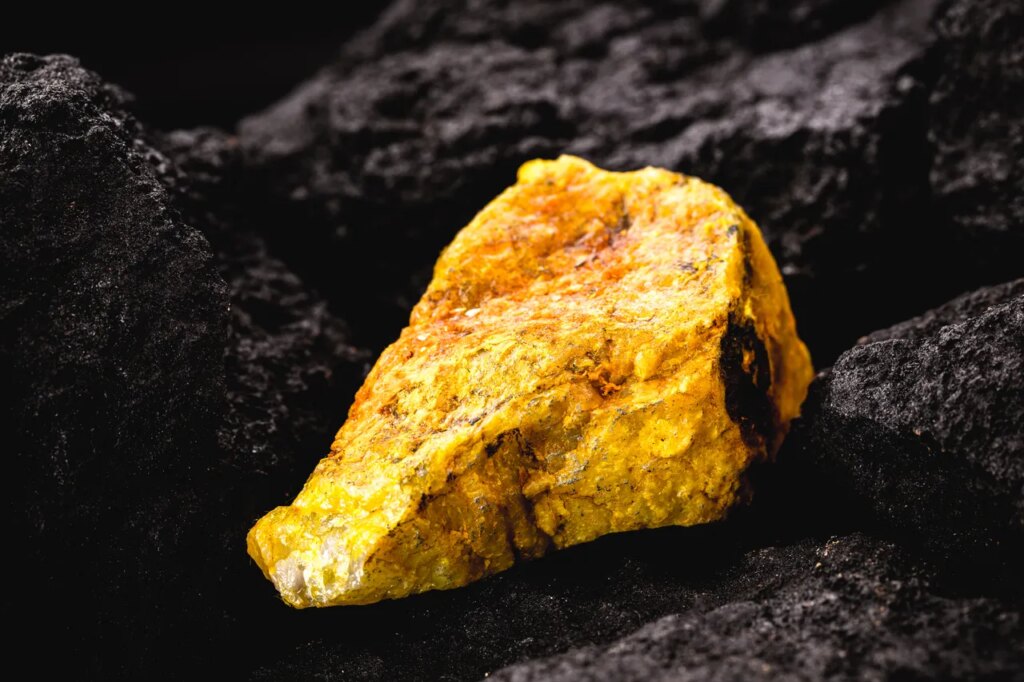
The price of nuclear fuel is on the rise as a federal ban on certain uranium imports from Russia takes effect and investors speculate about the possibility of a renaissance of reactor construction across the US. For next-generation designers such as Oklo, whose reactors depend on unconventional types of fuel, the problem has been particularly acute. Oklo managed to acquire old government stockpiles of high-assay low-enriched uranium, the material known as HALEU (pronounced HAY-loo) that’s enriched roughly four times as much as traditional reactor fuel. The company is also angling for a chunk of some plutonium leftover from mid-century atomic bomb construction, which Oklo’s reactors can burn as a fuel.
“This project will create jobs, spur local innovation, and advance American leadership in energy technology,” Urvi Parekh, head of global energy at Meta, said in a statement. “By investing in baseload nuclear energy, we’re helping build a resilient and sustainable future for our communities.”
It’s not unusual for utilities to negotiate long-term contracts for fuel for reactors. But this is the first known incident where a hyperscaler is purchasing the fuel that will generate the electrons it plans to buy, says Koroush Shirvan, a researcher at the Massachusetts Institute of Technology.
“The Oklo model that they have advertised is that they build, own, and operate,” says Shirvan. “But I’m trying to think of any other customers who provide fuel other than the U.S. government. I can’t think of any.”
Oklo emerged in the past year as the poster child for a possible revolution in the US on how nuclear plants are built. Until recently, the US hadn’t started and completed any new reactors in a generation. By the time the only new machines came online at a Southern Company power plant in northern Georgia in 2023 and 2024—a pair of 1,100-megawatt Westinghouse AP1000s, the leading design for a traditional reactor in the US—the project was billions of dollars over budget and more than half a decade late. But the second unit came in roughly 30 percent cheaper than the first, a sign of the efficiencies gained by repeating the same design.
To fix this problem, a growing faction in the nuclear industry proposed shrinking the size of reactors, so that building a 1,000-megawatt plant would require constructing multiple reactors of the same size, ultimately bringing down the cost. Many of those companies, including NuScale Power and GE Vernova-Hitachi Nuclear Energy, focused on building shrunken-down versions of the water-cooled reactors that make up all of America’s fleet of 94 units. But Oklo and rivals such as X-energy, Google-backed Kairos Power, and Aalo Atomics instead looked for a totally clean slate, seeking to commercialize experimental reactor models that use coolants such as sodium, molten salt, or high-temperature gas rather than water.
That kind of design required a different kind of fuel like HALEU, one that could burn up more of the energy locked in the uranium than traditional reactors could. The trouble was that the only commercial vendors for HALEU were in Russia and China. The Meta deal will allow Oklo to finance production of the fuel it needs as enrichers race to build the infrastructure to generate HALEU domestically.
The agreement solves a key challenge Oklo faced, but not the only one. The company has been a darling of retail investors since going public via a SPAC merger with a blank-check firm in May 2024, soaring to a market capitalization worth tens of billions of dollars last year as traders looked to bet on the future of data centers powered by atomic energy. But Oklo has yet to generate any real revenues, the company’s Securities and Exchange Commission filings show, and it hasn’t yet re-submitted its application to the Nuclear Regulatory Commission. In October, an anonymous former NRC official who oversaw the last attempt at gaining approval in 2022 told Bloomberg Business that the company “is probably the worst applicant the NRC has ever had.” Oklo has, in turn, leveled fierce criticisms against the NRC for standing in the way of new technologies, and said it plans to resubmit its application soon.
Still, the Meta deal shows “we’re finally moving into a situation where we address some of the fundamental problems,” said Chris Gadomski, the lead nuclear analyst at the consultancy BloombergNEF.
“It’s about time,” he said. “Either way, they’re a company to pay attention to.”
The post Meta Is Making a Big Bet on Nuclear With Oklo appeared first on Wired.