Amid the revelations over the weekend about the US military raid to capture Venezuela’s president, Nicolás Maduro, was an unusual line from President Donald Trump.
“It was dark,” Trump said. “The lights of Caracas were largely turned off due to a certain expertise that we have.”
“It was dark,” he added, “and it was deadly.”
US officials shared that the American military brought tremendous force to bear against Venezuela, hitting it with a range of assets across land, air, sea, space, and cyber, among other domains, but the specifics were limited.
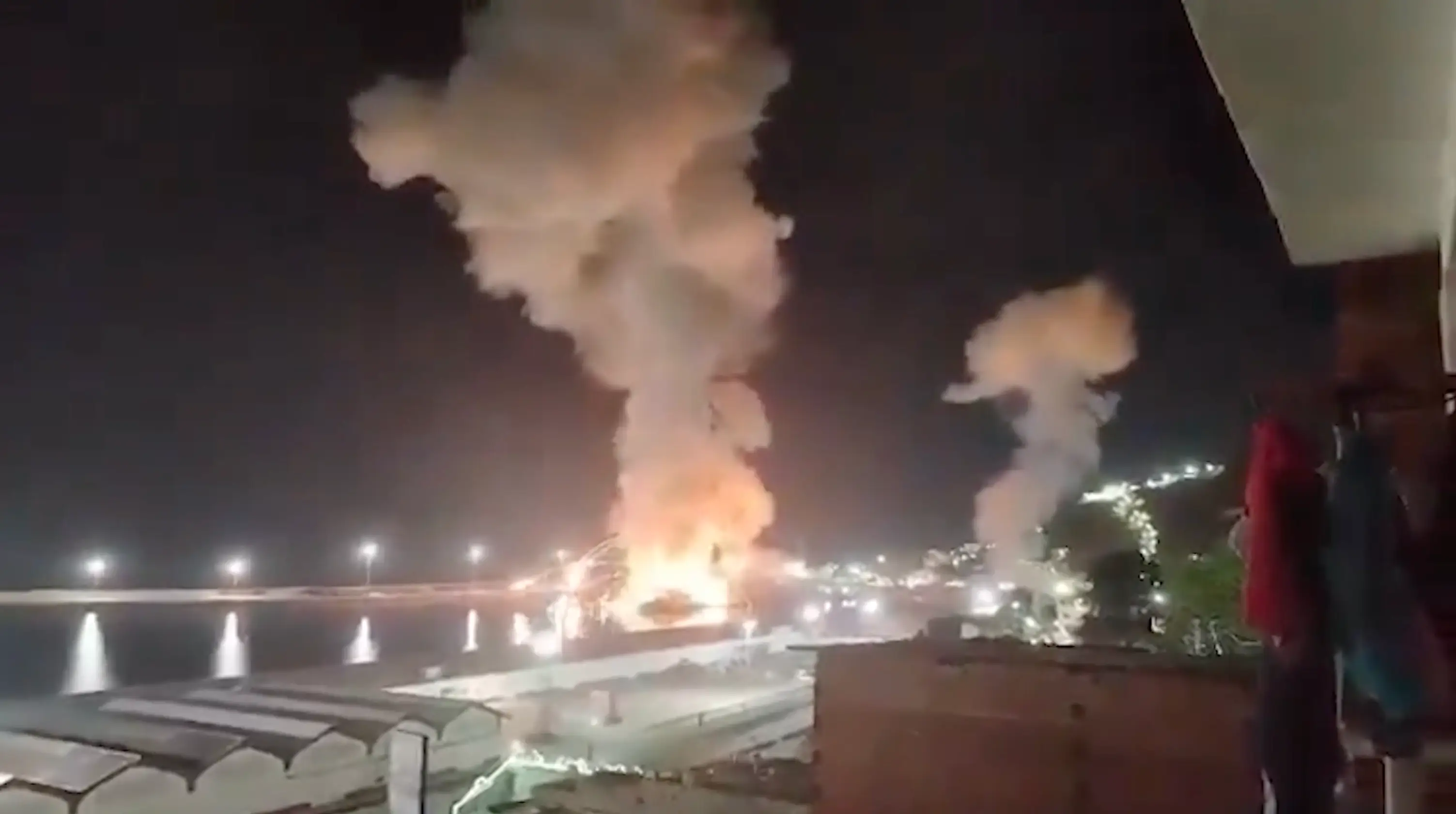
Footage of the American raid posted to social media showed helicopters flying over largely dark areas, but with many lights still on nearby. It’s unclear how wide an area may have been affected.
Analysts told Business Insider that while the most straightforward explanation may be physical damage to a power station, US expertise in non-kinetic capabilities, like a cyberattack, means multiple methods were possible, reflecting the complex face of modern warfare.
Cyber warfare
Gen. Dan Caine, the chairman of the Joint Chiefs of Staff, provided a few details Saturday, saying that Cyber Command and Space Command helped support Operation Absolute Resolve.
As helicopters carrying special operations forces approached the target, “the United States began layering different effects provided by Spacecom, Cybercom, and other members of the interagency to create a pathway.”
He added that the extraction team sent in to capture Maduro achieved total surprise, though a firefight kicked off once they arrived on target.
Louise Marie Hurel, a cybersecurity expert at the Royal United Services Institute who has consulted for the United Nations, told BI that with Cyber Command, “there’s no hard evidence of what their role was.”
She said that if it did manage to create the power outage, “that’s a pretty great and unsurprising, but still very well-calibrated, part of the operation.”
She said it is possible that US actions in cyberspace might have helped to disable part of Venezuela’s critical infrastructure, resulting in the power outage.
If the US had confirmed doing that, “it would be the most public kind of communication of the US in terms of delivering some of those effects,” she explained. “But again, they haven’t publicly communicated that, so it’s only an assumption.” For now, details on it are limited to really just Trump’s statement.
The Pentagon directed Business Insider’s queries on the president’s statement to the White House, which did not respond to requests for comment.
Lukasz Olejnik, independent cybersecurity and conflict consultant and visiting senior research fellow at King’s College London’s Department of War Studies, told Business Insider that if cyber operations were used, the big question is: “Was it used to switch off electricity?”
“We don’t know that,” he said. “Still, its role cannot be ruled out.”
Venezuela has previously accused the US of launching cyberattacks against its infrastructure, but the US has not confirmed any involvement.
Any such history would have affected how much planning the US needed to do.
Kurt Gaudette, the senior vice president of intelligence and services at US cybersecurity firm Dragos, who previously worked at the National Security Agency and was a senior US military officer, said how long a country planning such activities needs to prepare depends “on what your level of access was over time.”
If the US had years of access, for example, under its own intelligence approvals, “then they could move a lot quicker.” Cyber is not the only way to turn off the lights, though.
Physical strikes
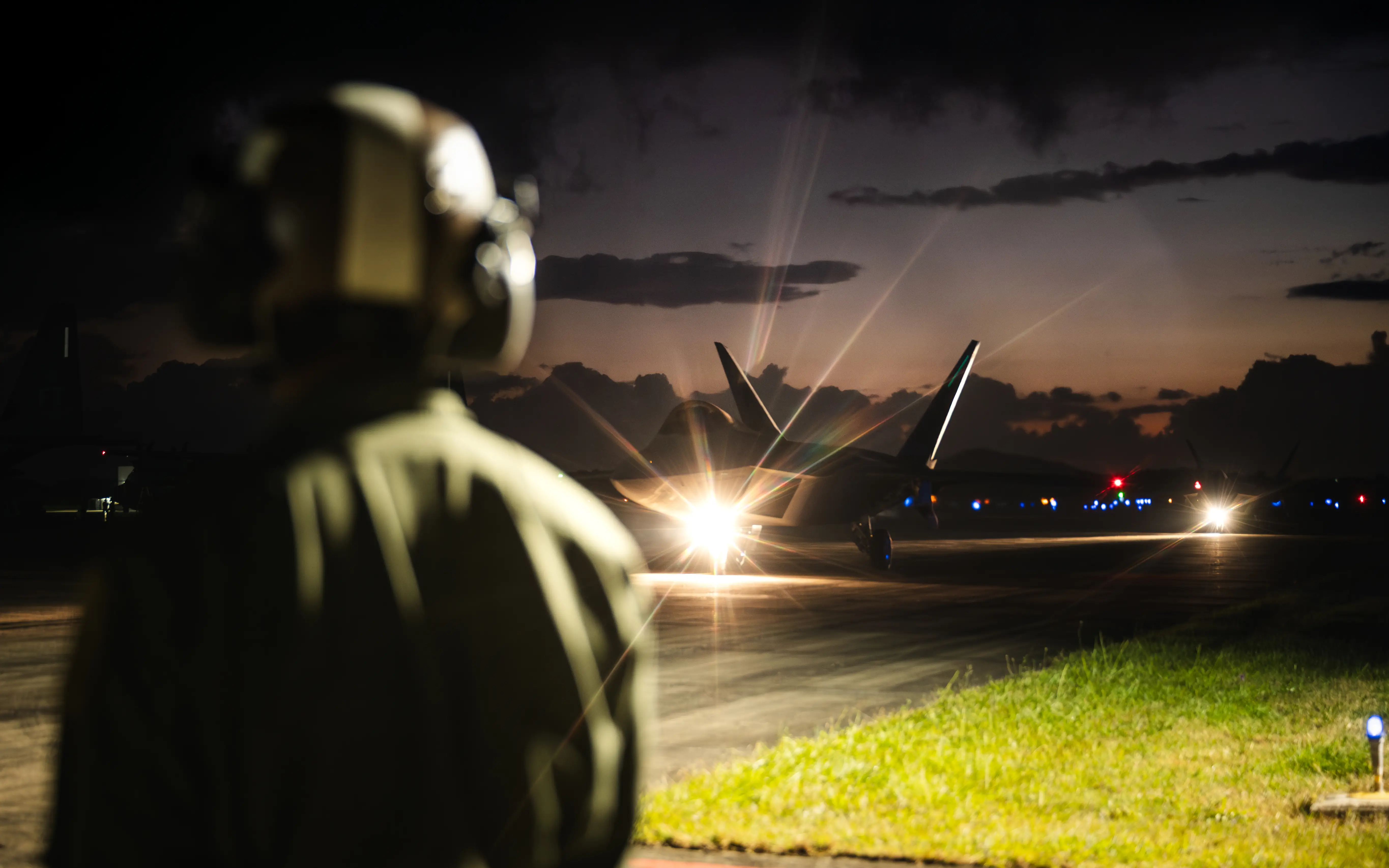
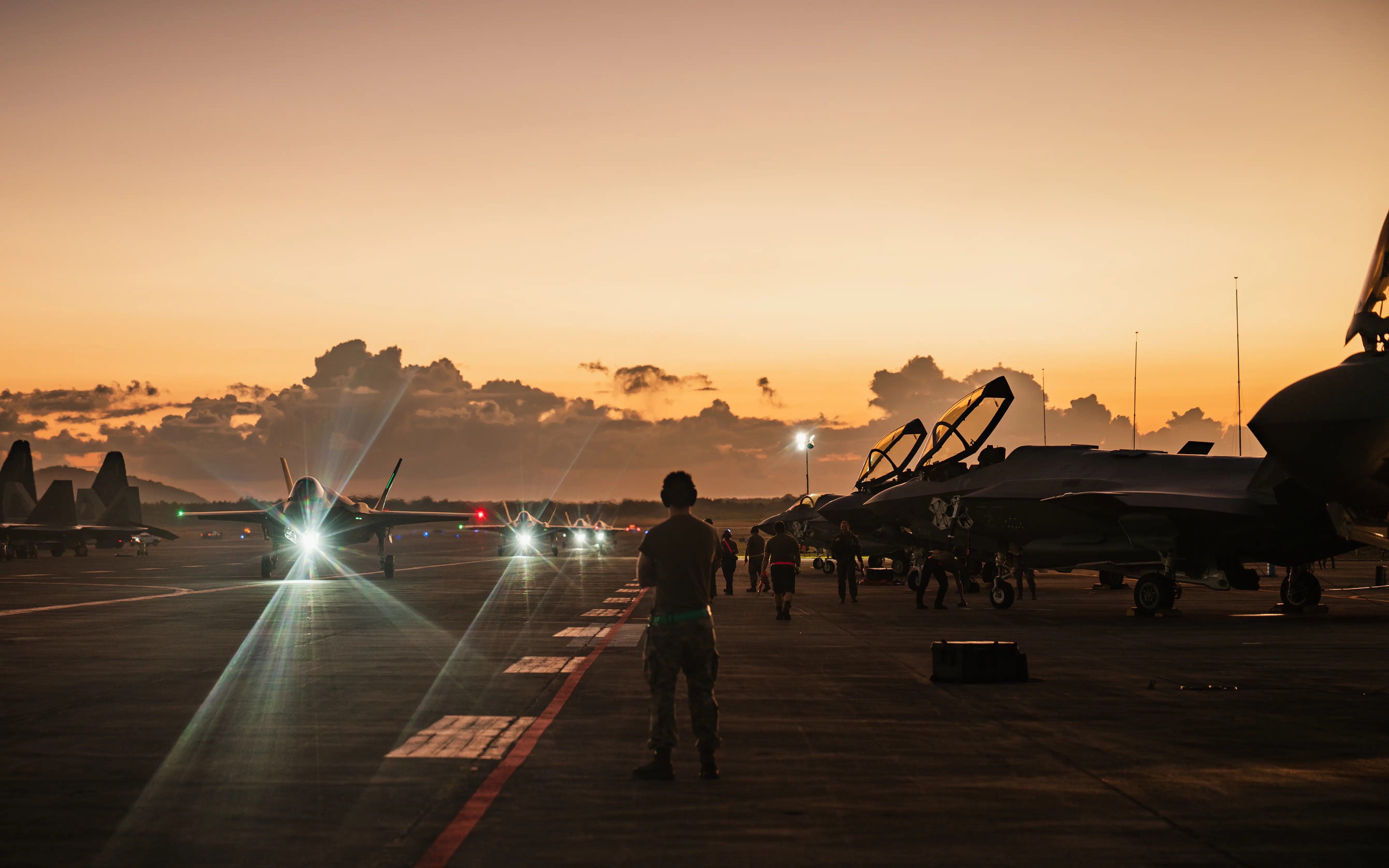
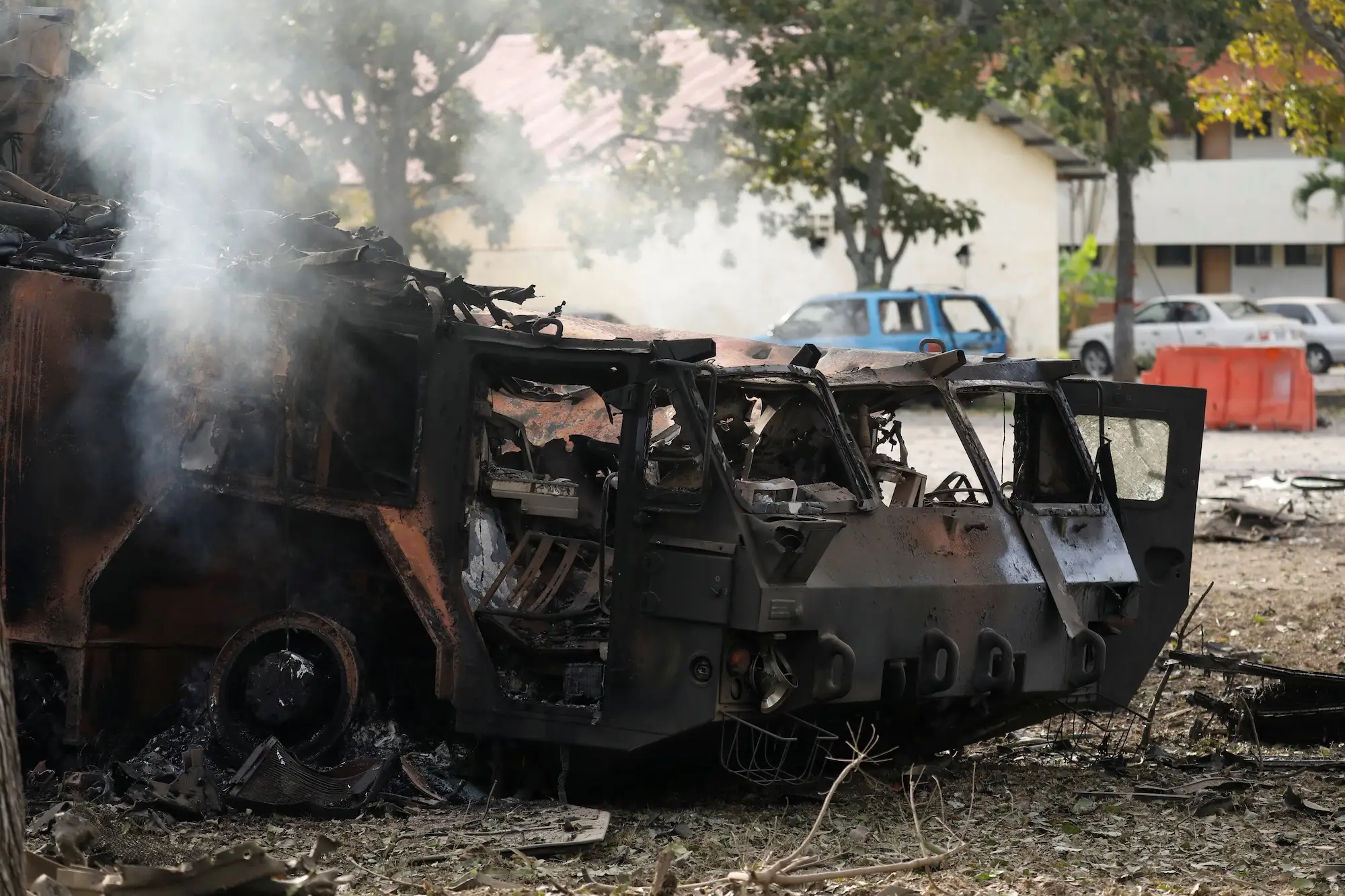
The US said it deployed more than 150 military aircraft for the operation, including fighter jets, helicopters, drones, and bombers, and explosions were recorded in the capital city.
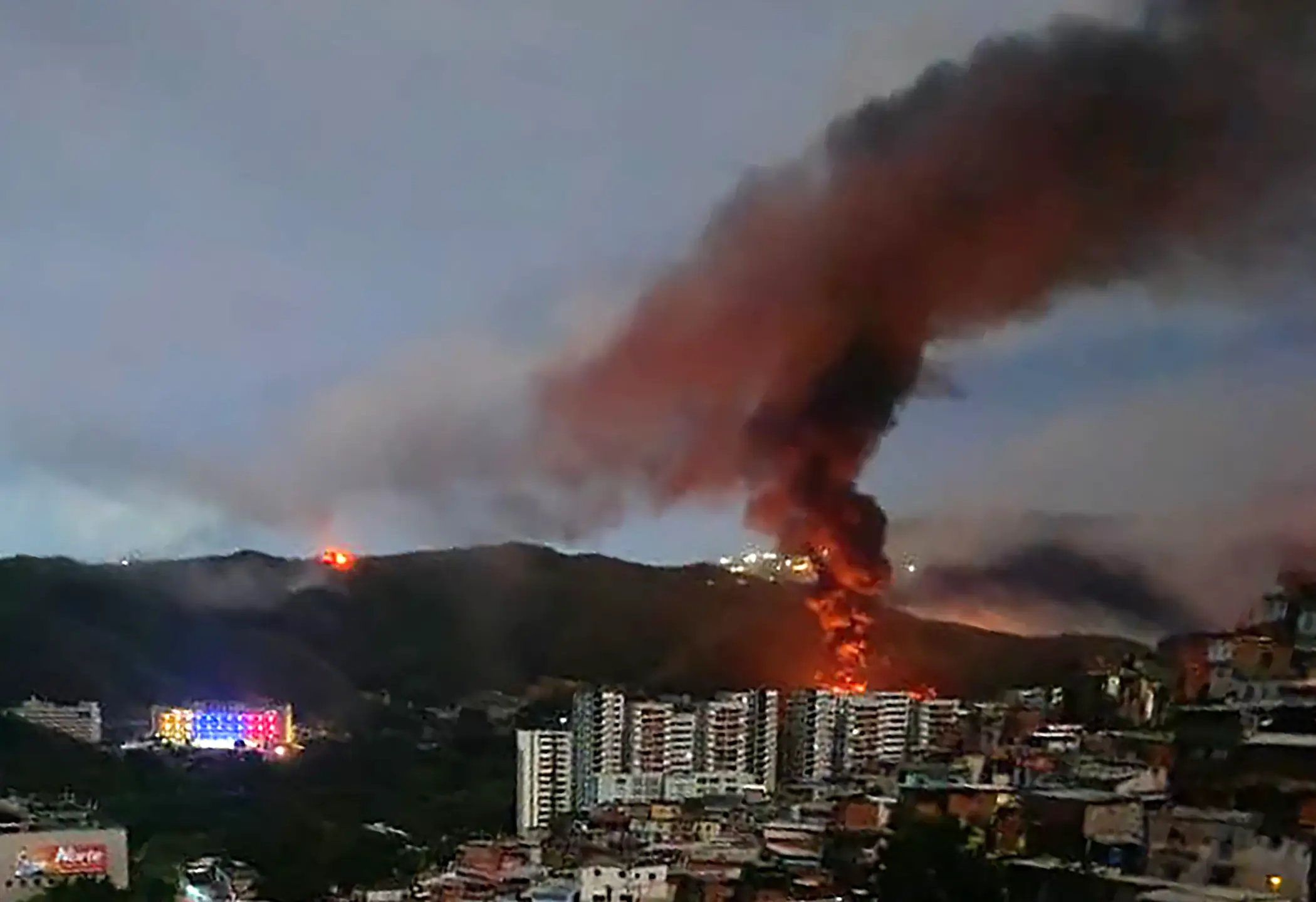
The US has not said that it hit any power infrastructure, and there is no independent confirmation that it did so. But Venezuelan officials said some substations were seriously affected in the attack.
Olejnik said that “the simplest explanation” for the outages is the “kinetic targeting of a small number of substations, transmission nodes, or distribution stations.”
Gaudette said it was “very plausible” that only physical attacks on infrastructure were used to cut power.
Without any more information than what is publicly available, he said it’s more likely that cyber and physical attacks would be involved, that the US would “approach it in a combined arms multi-domain fashion,” not least to minimize risk.
Joint, multi-domain action is a US specialty, he said. “They treat cyber just like they would the air, the ground, and the maritime domains. So they just add it as another domain, another planning factor in anything they do.”
A complex task, but not too difficult
Emily Harding, the director of the Intelligence, National Security, and Technology Program with the Center for Strategic and International Studies, said this week that “a joint operation like that is really quite difficult to do.”
Setting up a cyber operation like this, she explained, “would have taken quite a long time and an incredible skill level in order to make all those pieces come together at the right moment.”
The US put months of planning into this operation, opening up a mix of possibilities. Olejnik said it “would not be too difficult” for American forces to shut off the power given the time available to prep for this mission.
“That is sufficient to build the capability,” he said.
The US brought significant airpower into this operation, along with a deeply capable cyber force, pitting that against Venezuelan infrastructure that has been in crisis for years amid the country’s political and financial issues. It has resulted in blackouts and various other service interruptions without external interference.
Olejnik said Venezuela’s long-standing infrastructure troubles are “highly relevant” to what the US may have done there. “The infrastructure and power grids are both less complex,” he said, “and some of them may contain outdated hardware and software.”
Gaudette described Venezuela’s cybersecurity and cyberspace situation as “a very porous environment, very open, very susceptible to attack if the United States were to choose to go that route.”
He shared that he suspects the US may have gone with a simple attack rather than a deeply complex one.
“I think a state actor would take the path of least resistance,” he said, unless it just wanted to test out a new capability. While possible, Gaudette suggested the US would likely not want to “burn a high-end capability” in a mission like this.
The manufactured darkness plays to US strengths, especially for this type of operation.
Harding, who previously held multiple national security positions, including at the CIA and National Security Council, said the US operates “very well in darkness,” and the vast intelligence available meant that “we didn’t need to see where we were going.”
“We had all the technology we needed,” she wrote, “and we had it all mapped out.”
Less obvious ways of war
If the US took action using cyberwarfare, it wouldn’t be the first time that’s been done. Hurel said Russia’s actions in Ukraine are “the clearest example that we have of that kind of cyber effect supporting military action precisely.”
She pointed to the Russian government hacking group Sandworm, which targets Ukraine’s power grid and caused blackouts that coincided with Russian missile attacks.
Kinetic strikes are key to this mission as well. Russia uses its drone and missile barrages to target Ukraine’s energy infrastructure, causing frequent outages. The tactic has created a new worry for the West about how it could protect its vital targets in a wider war with Russia.
Olejnik said that both Ukraine and Venezuela demonstrate that we can now “expect more blended operations where cyber and electronic warfare work in tandem with broader military operations.”
“That is the standard now.”
Gaudette said both state and non-state activists are increasingly “using similar infrastructure or tactics, techniques, and procedures.”
He added that it shows both countries and companies how much more insight they need into their own systems to know if any adversary is probing or harming them, something that Venezuela may not have had.
The threat, he said, “is coming. Actually, it’s already here.”
Read the original article on Business Insider
The post Trump says the US shut off the lights in Venezuela’s capital using ‘certain expertise.’ Here’s how it may have done it. appeared first on Business Insider.