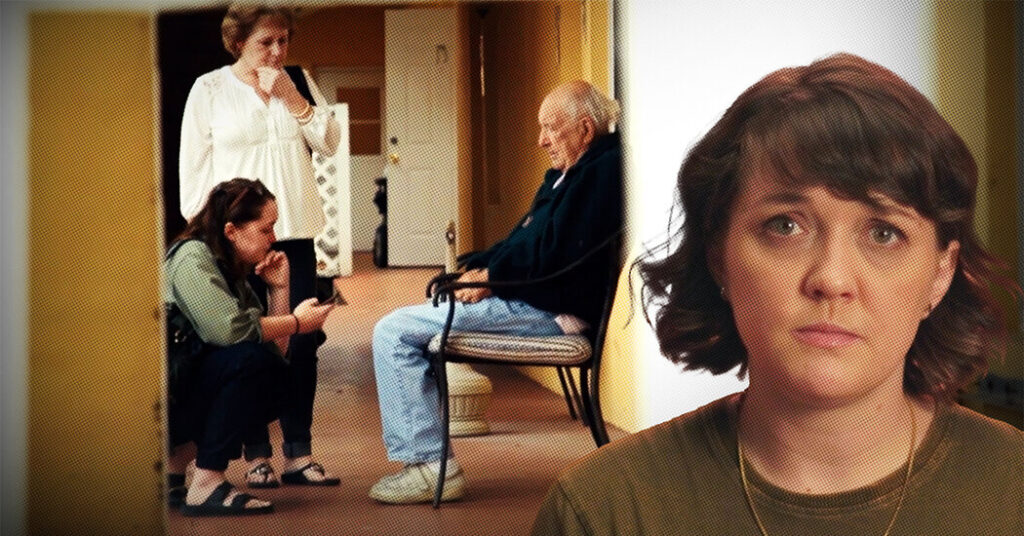
People ask when I found out that my grandfather was a pedophile and a convicted sex offender. The truth is, I always knew. I was simply raised in a family culture that normalized it. His abuse wasn’t called abuse; it was framed as “his demons,” something between him and God. Love, fear, denial, pain and loyalty were tangled together so tightly that no one’s real feelings were allowed to exist cleanly. It was complicated.
I was 23 when I began to grasp the full scope of it.
I was horrified. I felt rage toward him and toward everyone who had failed to stop him. That fury is what pushed me to spend eight years making my documentary, “Great Photo, Lovely Life,” a film about family secrets and accountability.
While thousands of survivors felt seen, many other folks were angry. More than one commenter told me I should have simply killed him.
Rage is often the first response people have to childhood sexual abuse. It makes sense; abuse violates something fundamental, and blinding anger feels like the only sane reaction. While rage is valid, it’s also incomplete.
My Opinion video above offers an uncomfortable truth: If we are truly serious about protecting children from abuse, rage cannot be where we stop. We must do the hard, uncomfortable work required to protect children by talking more openly about child sexual abuse and by bringing prevention to the forefront of the conversation.
Part of this involves acknowledging how common it is. Around one in three girls and one in nine boys will experience some form of child sexual abuse. And a majority of them are abused by someone they know.
It can be easy to look from the outside and have an opinion about how you think someone should act in response to abuse. It is much messier when it’s happening to you or someone in your family, when the abuser is your brother or your dad.
So I did something that we so often don’t do: I talked to dozens of survivors, some of whom appear in the video above, about their experiences and what they wanted.
Their experiences echoed my family’s: Incest and abuse do not operate in clean, black-and-white environments. Survivors and families do not always have the luxury of flattening reality into monsters and heroes.
We all want the same thing: less abuse of children, ideally before it happens, so that fewer families end up like mine. Prevention is possible. It just requires that we channel our anger productively.
Amanda Mustard is a filmmaker and photojournalist. Luke Malone is a journalist who reports on child sexual abuse. Josef Beeby is a filmmaker. Adam Westbrook is a producer and editor for Opinion Video.
Opinion Video combines original reporting with creative storytelling to produce visually transformative commentary. Pitch a video guest essay here.
The Times is committed to publishing a diversity of letters to the editor. We’d like to hear what you think about this or any of our articles. Here are some tips. And here’s our email: [email protected].
Follow the New York Times Opinion section on Facebook, Instagram, TikTok, Bluesky, WhatsApp and Threads.
The post Rage Is Understandable. It’s Just Not Enough. appeared first on New York Times.