Recent threats by President Trump and the fear of nationwide instability are keeping Iran’s hardline Islamic rulers from repeating their past pattern of brutally cracking down on anti-regime protests, experts tell The Post.
With demonstrators taking to the streets once again Wednesday over Iran’s failing economy, the Islamic Republic has refrained from the usual wide-scale repression, noted Brian Carter of the American Enterprise Institute’s Critical Threats Project.
The lack of government-sanctioned violence is a notable departure from the fall of 2022, when human rights groups said more than 500 Iranians were killed during protests of the murder of Mahsa Amini in police custody.
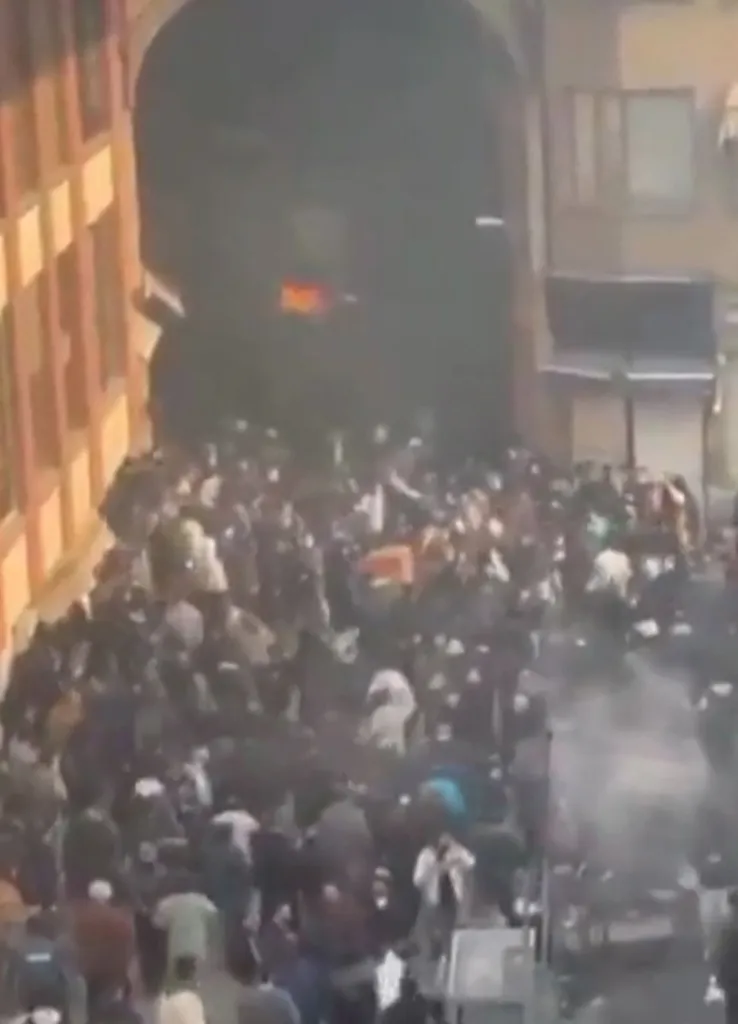
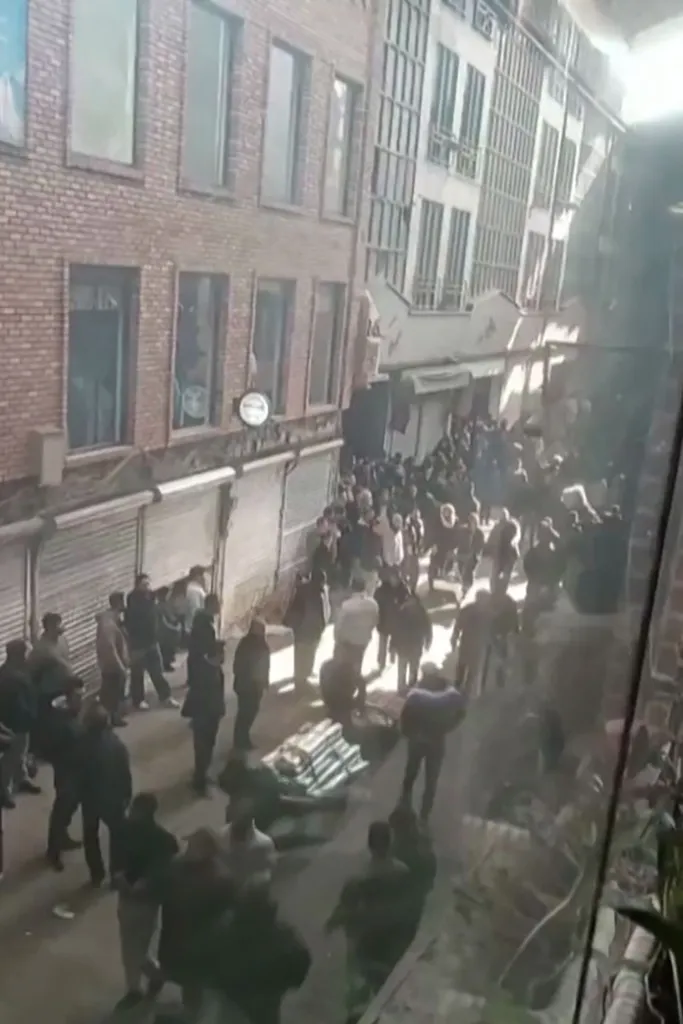
The US-based Human Rights Activists News Agency reported Thursday that the death toll from the current protests had reached at least 38, with more than 2,200 arrested. The group relies on an activist network inside of Iran for its reporting.
Tehran officials claim that the regime has only gone after violent “rioters” rather than peaceful demonstrators.
“It’s something they haven’t done before,” Carter said of Tehran’s choice of words. “We’re seeing them weaponize the term ‘rioters.’”
Ray Takeyh, a senior fellow for Middle East studies at the Council on Foreign Relations, noted that Iranian leaders had admitted that the protesters had legitimate grievances, with Tehran calling on the nation to come together rather than be divided.
“This is a different track for the regime. In previous situations it was far more uncompromising,” Takeyh wrote in a briefing.
Also playing on the mullahs’ minds are comments by both President Trump and Israeli Prime Minister Benjamin Netanyahu, both of whom bombarded Iran’s nuclear facilities this past June.
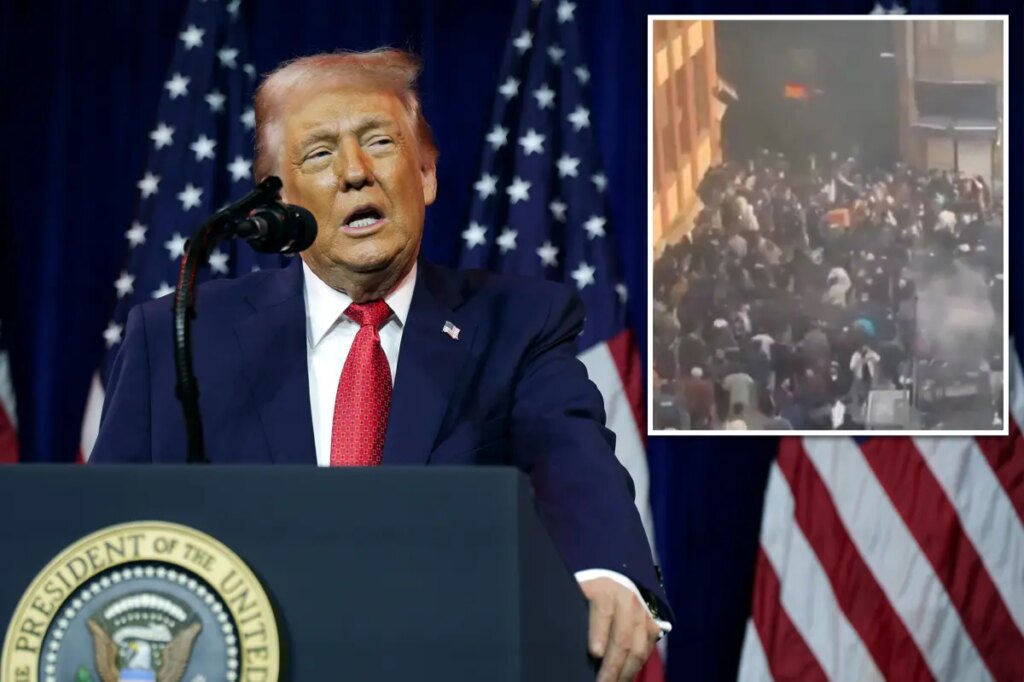
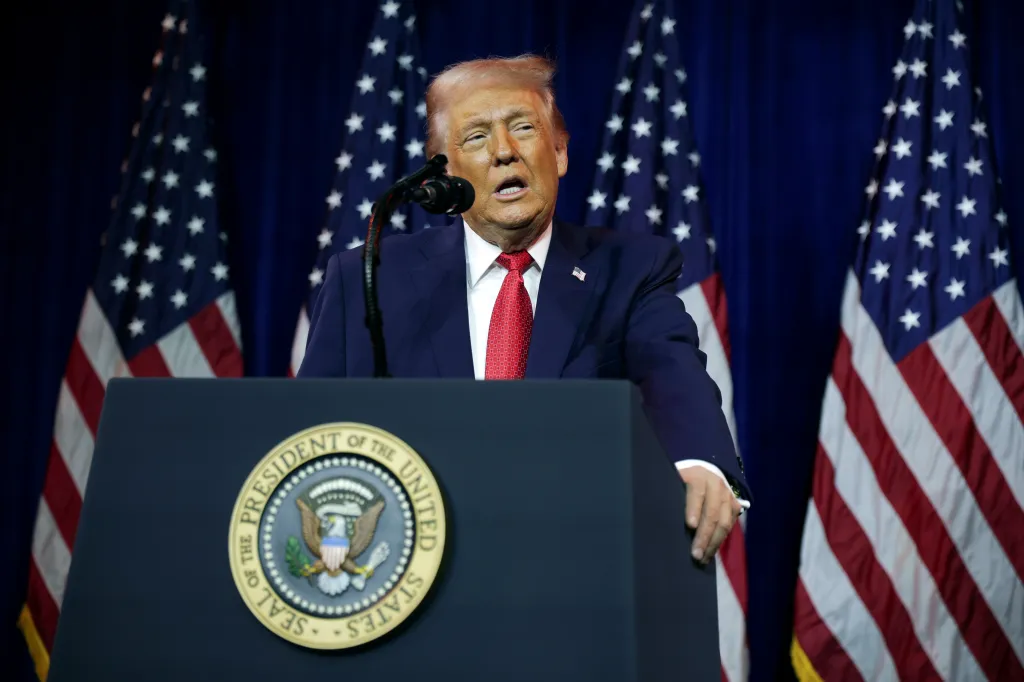
If Iran “violently kills peaceful protesters, which is their custom, the United States of America will come to their rescue,” Trump wrote on Truth Social Jan. 2, adding that America was “locked and loaded and ready to go,” without elaborating.
While Tehran publicly condemned the comments and issued their own warning of preemptive strikes, Iranian leaders are likely concerned about the impact of American and Israeli intervention during such a tumultuous time.
“Iran is definitely concerned about Trump and what happened in Venezuela,” said Carter, referencing the surprise military operation that captured Caracas dictator Nicolas Maduro Jan. 3.
“Back in June, the regime preached unity during the 12-day war, and now they risk losing that unity if they go too hard on protesters,” he added. “If an outside attack were to come at that time, it would be a bad situation for Tehran.”
The effect has been to leave the Islamic Republic in limbo, fearing that it could become “the next victim of Trump’s aggressive foreign policy,” as one Iranian official told Reuters.
The Human Rights Activists News Agency reports that more than 340 protests have taken place across all of Iran’s 31 provinces since late December, though it is difficult to compare the scale of the unrest to past anti-government demonstrations, including in 2022 and 2009.
“The regime is still in control and has not lost the will to eliminate its detractors,” Carter warned. “They’ve demonstrated that they still have the will to take extreme measures to stay in power.”
With Post wires
The post How Trump’s threats and regime’s profound weakness are stopping Iran from brutally cracking down on protesters appeared first on New York Post.