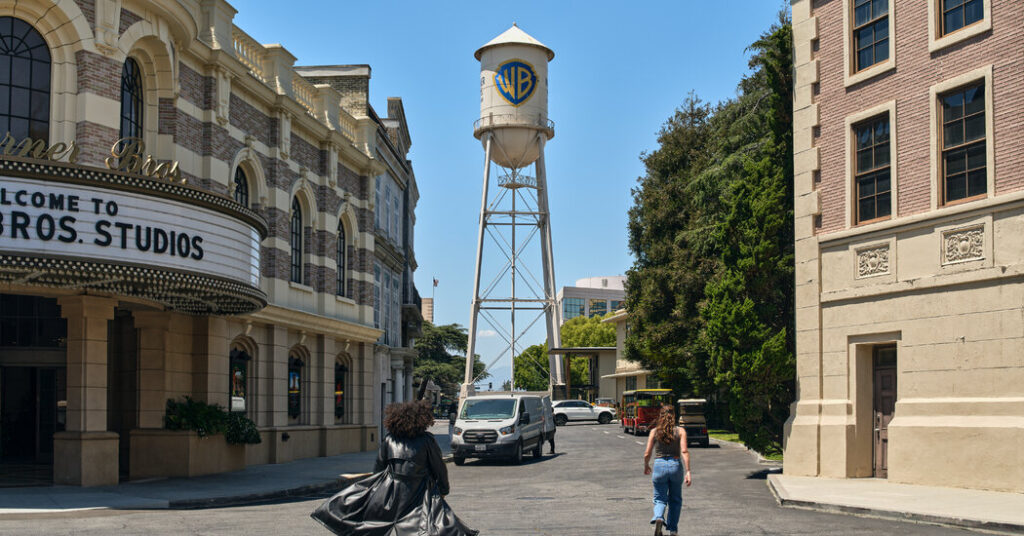
Warner Bros. Discovery advised its shareholders on Wednesday to reject Paramount’s latest takeover offer, arguing that even a personal commitment from one of the world’s richest men is not enough to make up for the deal’s complex financing.
The announcement raises another roadblock in the aggressive, monthslong effort by Paramount’s chief executive, David Ellison, and his billionaire father, Larry, to buy Warner Bros. Discovery to better compete with streaming giants like Netflix, Disney and Amazon.
Warner Bros. Discovery announced a deal in December to sell much of its business to Netflix for $83 billion, shocking much of the entertainment industry. Warner said Netflix’s offer, for its TV and movie studios, was a better deal than Paramount’s proposal to acquire the full company.
Paramount has since made a hostile bid, taking its case to shareholders. It has also proposed a deal for which Larry Ellison, a co-founder of Oracle, has personally guaranteed $40 billion in equity.
Paramount must now choose whether to raise its offer or continue to argue to Warner Bros. Discovery shareholders that its deal is better than Netflix’s.
The Netflix deal would reshape Hollywood, giving the country’s largest subscription streaming service the HBO Max streaming service and the Warner Bros. movie and TV studio. But hanging over any deal for Warner Bros. is the question of how federal regulators, who must sign off, will respond. President Trump has said he plans to play a role in any decision.
The Warner board said Wednesday that it had lingering concerns about Paramount’s bid. Paramount, which has a market capitalization of around $13 billion, has said it plans to use about $54 billion in debt for the deal. It has also corralled billions from Middle Eastern sovereign wealth funds. Paramount has a credit rating a notch above junk level, whereas Netflix’s is investment grade.
“This aggressive transaction structure poses materially more risk for WBD and its shareholders” than Netflix’s mostly cash offer, the board wrote.
Adding to the concerns, the company said, are the risks it would face should any deal with Paramount fall apart. Paramount has proposed certain limitations on how Warner Bros. Discovery can operate its business until a deal closes, including preventing it from going forward with plans to carve out its cable unit. It also wants to put significant restrictions on how Warner Bros. Discovery refinances a $15 billion bridge loan.
If the Paramount deal fails to close, the board wrote, “WBD shareholders would be left with shares in a business that has been restricted from pursuing its key initiatives for up to 18 months.”
Paramount also has not committed to paying the $2.8 billion fee that Warner would need to pay Netflix for ending its deal, the board said.
One likely point of contention in any ongoing pursuit is the value of the cable business that Warner Bros Discovery plans to carve out. David Ellison has argued that the business would trade at $1 a share, bolstering his case that Paramount’s acquisition of the full company is better for shareholders than Netflix’s plan.
On Monday, Comcast spun out its own cable business, named Versant. Shares have since fallen more than 20 percent, though some of that drop may be attributed to forced selling by index funds that often accompany such corporate spinoffs.
Lauren Hirsch is a Times reporter who covers deals and dealmakers in Wall Street and Washington.
The post Warner Bros. Board Rebuffs Paramount’s Latest Buyout Offer appeared first on New York Times.