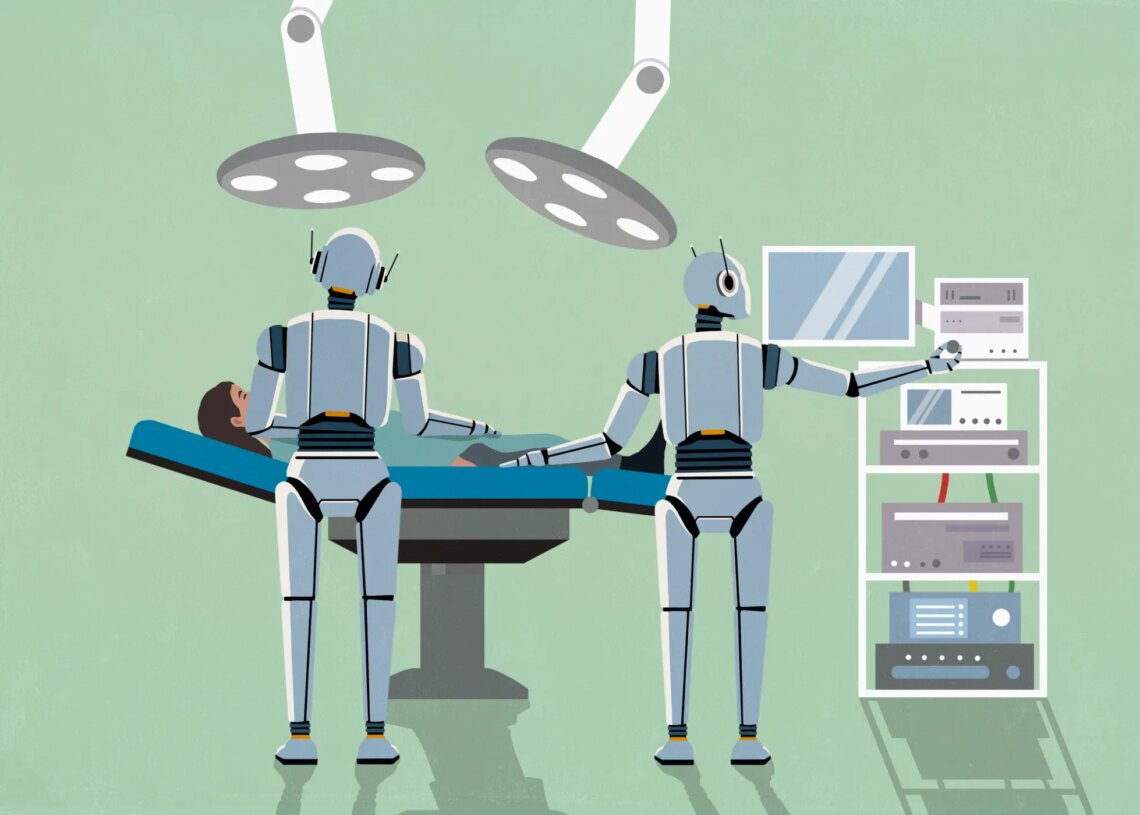
OpenAI, maker of ChatGPT, released a report this month claiming that people ask more than 40 million healthcare-related questions of ChatGPT every day. It’s a wild claim, because if an AI has trouble finding the truth in movie recaps and news headlines, then what business does it have instructing people when it comes to life, death, and health?
It’s easy to roll our eyes at this news, but with American health insurance expensive and unattainable for vast swathes of the population, I’d wager many of those pitching these questions to ChatGPT are doing so out of necessity rather than naiveté.
People may know they’re receiving shoddy advice from an AI that could kindly be described as a not-totally-trustworthy scamp (or a gaslighting serial liar, at times), but what other options do they have?
an echo from a previous generation
Remember WebMD? I say remember because, although it’s still around, I hear it mentioned far less in everyday conversation than I used to. At the turn of the century, the idea that you could punch a few symptoms into a website (a website!) and receive a short list of possible diagnoses was revolutionary. No appointment, no drive to the doctors, and no insurance copay.
Nobody rationally expected it to replace a doctor entirely, but WebMD gradually became a punchline as a hypochondriac’s nightmare. We’re a litigious people, and so nobody faults a company too much for protecting itself legally, but WebMD had a reputation for posing such a laundry list of fatal, life-changing, and even exotic possible diagnoses to so many run-of-the-mill symptoms that it lost its aura of usefulness.
Is it all that helpful to be told you may have bladder cancer if you actually just drank a lot of caffeine that morning? Or to be told you may be having a heart attack when you really just have gas, and then have your worries confirmed when that sparks a panic attack?
You can already see where this is heading. AI’s an impressive technology, but it still makes too many mistakes to entrust it with your health. It can fool you into thinking your normal ailments are fatal, and it can fool you into thinking your serious condition is no big deal.
“Go to a real doctor” is too glib an answer for a population that lives with subpar healthcare access, so just keep the grains of salt handy if you’re one of those posing the 40 million daily questions. And check out the report here.
The post People Are Using ChatGPT for Healthcare Information. Is That a Good Idea? appeared first on VICE.