
A little over a year ago, I started my 2025 resolution early: purging Instagram from my phone.
If you’re a boomer or Gen Xer — someone who didn’t grow up uploading multiple albums of each college party onto Facebook — I understand your judgment. Removing Instagram from my phone (while still using my account on my desktop) sounds as dramatic as switching to skim milk.
But that app was a social lifeline. It was where people announced their engagements, graduations, and pregnancies. It was how I tapped into what my friends (and friends of friends) were up to on a random Tuesday — a breezy conversational springboard. It assured I never fully lost touch with anyone: not with high school classmates, distant family members, or people I vaguely remembered meeting once at a party, long ago.
While I’d waste fewer hours scrolling through painstakingly staged influencer weddings and overly simplified political infographics, I’d also miss milestones and inside jokes. Recede too much, and I might lose entire connections.
In the end, it was the best decision I made last year — arguably, in many years. I became a significantly happier person, and even the annoying parts of being a desktop-only Instagram user felt like perks.
No more phantom bad moods

At first, I’d still compulsively tap into the “social media” folder on my phone, expecting to find that sunset-hued camera icon. After about a week, I adjusted to my new reality. Like a treat-deprived lab rat, I picked up my phone less.
What I called “ghost emotions” were gone. For the decade-plus I’ve had Instagram on my smartphone, I was used to sleepwalking into the app, seeing an image that vaguely stirred some negative emotion in me (envy, annoyance, exclusion), and carrying the remnants of that feeling into whatever I was doing in the real world.
This lined up with what researchers have found: that, for some people, social media is linked to higher irritability and declines in mental health. These side effects can outweigh the positives, like staying more connected to friends.
Instagram declined to comment on this story.
Without the overload of information that didn’t add anything to my life — and the nagging pressure to contribute to it — I felt like my brain was freer to enjoy other pursuits. I finished more books (and seemed to better process what I read). I busied my hands with crocheting instead of scrolling. Parties became more fun because I no longer mentally pre-rehearsed the photos I would take or the captions I would write.
I got creative with staying connected
There were some downsides to no longer having the app on my phone.
While I generally didn’t miss the pressure to post, it was frustrating not to have that option on the desktop version. When someone posted my professional work, all I could do was “like” the post and move on instead of resharing it. And if I was tagged in a friend’s story and didn’t check within 24 hours, I had absolutely no idea what they said.
The biggest hurdle was remembering birthdays. I’d grown used to depending on friends’ story announcements. Now, if I didn’t want to look like an ice-cold jerk on everyone’s special days, I had to get creative.
So, I set aside about an hour one day. For birthdays I didn’t already have memorized, I combed through every DM on Instagram, scrolling back to when I said “happy birthday!” and wrote every date into a Notes document on my phone.
Did I feel slightly unhinged? Yes. But I also know no one’s ever been mad about you wishing them a happy birthday (though, perhaps a few in my circle were a little spooked).
I also pushed myself to get over my lifelong fear of reaching out first. If I wanted to feel social without social media, I’d need to be a little more outgoing.
Sometimes, this meant writing down reminders to text people when I thought of them, but was too busy at the moment to reach out. Other times, I offered to host the next knitting club or book club, or took the initiative to coordinate group plans when I’d usually wait for someone else to pick up the slack.
The social isolation I was so worried about never happened. If anything, I felt more social because I was prioritizing in-person interaction.
Embracing a more analog life
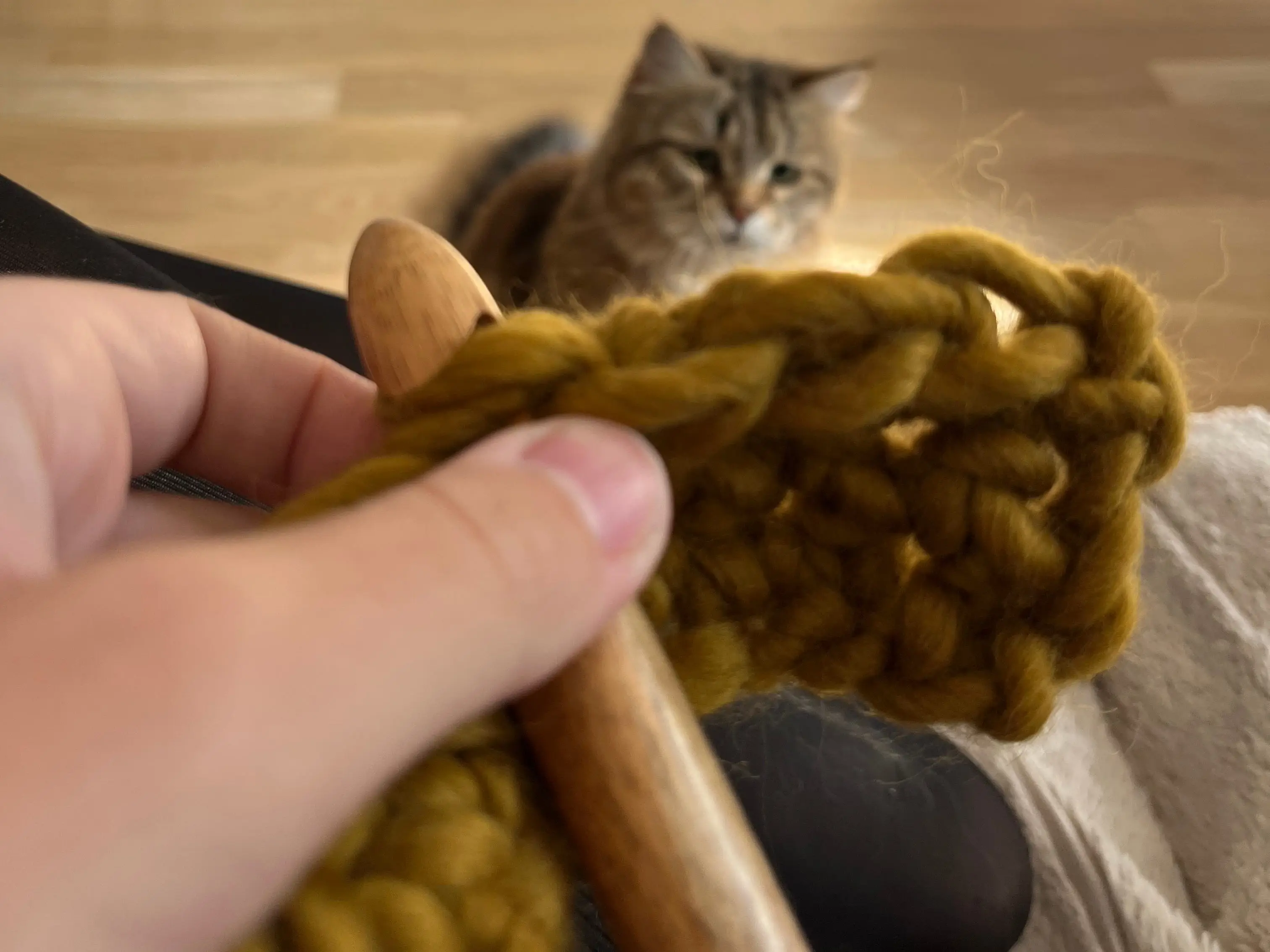
Once I got a taste of how freeing being offline could be, I wanted to go a step further.
I hated how often I woke up (or stayed up late) reading the news. My insatiable need to always be in the know left me more scattered and irritable. So, I cut down on that, too. Halfway through the year, I bought a Brick device to block apps like my email or the internet on my phone.
Yes, sometimes, there are downsides. I’ve missed (or been late to) big life updates from less-close friends. I’ve drifted apart from a few others, with whom I shared mostly a meme-exchanging sort of friendship. While bittersweet, it has also helped me focus on fewer, closer friends than an unmanageably large network.
Now, I spend my mornings journaling, chatting longer with my husband, or actually making it to a workout without rushing out the door. Eventually, I check my Instagram DMs the way I’d peruse my email in the 2010s. I tap a heart, I laugh at a video, and I return to my life.
Read the original article on Business Insider
The post I deleted Instagram from my phone for a year. Being desktop-only connected me to friends without the drawbacks. appeared first on Business Insider.