At the start of 2026, there are some positive signs about how people are viewing the economy. That’s according to a new JPMorgan survey, which finds that 39% of business leaders have an optimistic view of the economy. That number is up from 32% during a midyear survey.
The data was gathered by interviewing more than 1,400 leaders of midsize businesses across industries. JPMorgan has conducted this survey for the past 15 years.
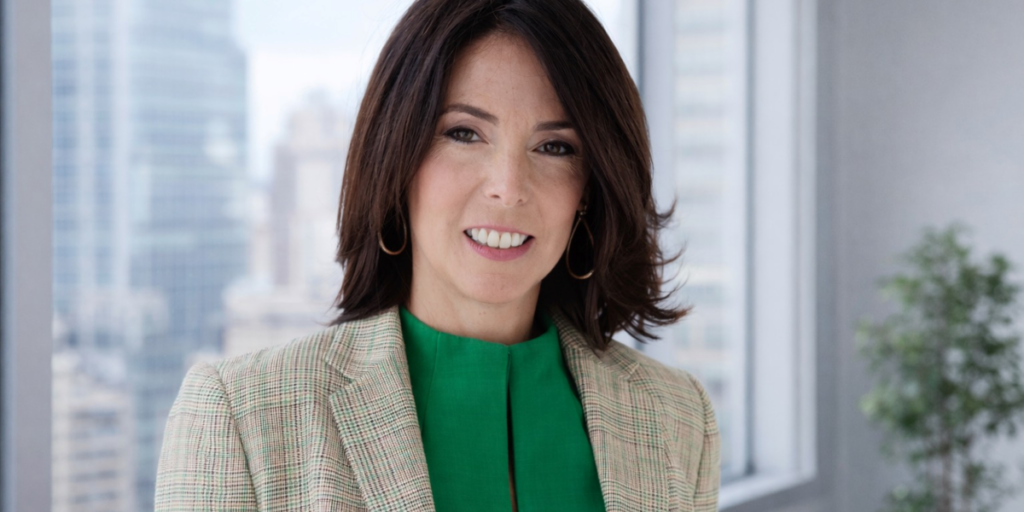
“Middle market business leaders are beginning 2026 with a renewed sense of optimism after navigating a year of heightened uncertainty,” said Melissa Smith, co-head of commercial banking at JPMorgan.
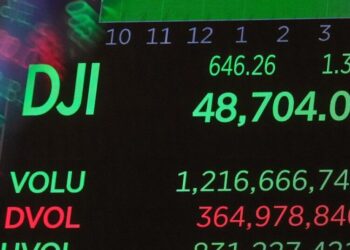
The survey follows an up and down year for the U.S. economy. President Donald Trump’s tariff threats in April led to a steep drop in the stock market, but the market subsequently bounced back to end 2025 at record highs. The economic picture got a bit rosier in December, when the Federal Reserve cut rates for a third time in the calendar year.
The news is not all good, however, as many view the economy as K-shaped, meaning that the wealthy get wealthier, while the rest of Americans battle high living costs and growing unemployment.
Despite 2025’s volatility, business leaders were particularly bullish on how their own companies would fare in 2026. 71% of them had an optimistic outlook for their own company’s performance this coming year, and 64% expect higher profits during that time.
To bring in more money, those surveyed said they would invest in innovation. 58% of business leaders said they would introduce new products and services, which is up from 53% last year.
This comes as concerns grew among the public in 2025 about a possible AI bubble that, like the dot-com crash in early 2000, could trigger an economic downturn, or even recession. There is also the worry that AI will take people’s jobs, if it hasn’t already.
Most of those surveyed by JPMorgan, however, did not share such fears. In fact, 51% of business leaders interviewed said they do not expect a recession, while only 26% expect a recession or believe the U.S. is already in one. The business leaders also said that they do not think that AI will affect their workforce, as 60% of those surveyed said that AI would neither increase nor decrease headcount.
These leaders at midsize companies seem confident despite an uncertain environment.
“Business leaders have had to navigate a rapidly changing and increasingly complex landscape over the past 12 months, but they have shown their resilience and are putting plans back in motion,” Smith added.
The post Business leaders are growing more optimistic, JPMorgan survey finds appeared first on Fortune.