Since OpenAI launched ChatGPT in November 2022, the AI sector has undergone a significant transformation.
Model capabilities have advanced, agents are proliferating, and enterprises are spending big to roll out AI across their workforces.
At the same time, generative AI-human interactions have started to fuel mental health concerns. Investors continue to wait for their billion-dollar bets to yield returns. Companies contend with whether AI is actually boosting productivity. It’s not just models creating friction: the data center boom that underpins AI deployment is straining electric grids and increasing utility bills, raising concerns about the tech’s long-term sustainability.
Building the most powerful AI systems at the fastest rate possible is no longer enough to compete in today’s AI arms race. Leaders must also consider public safety, trust, and environmental impacts.
So, who’s stepping up to these challenges?
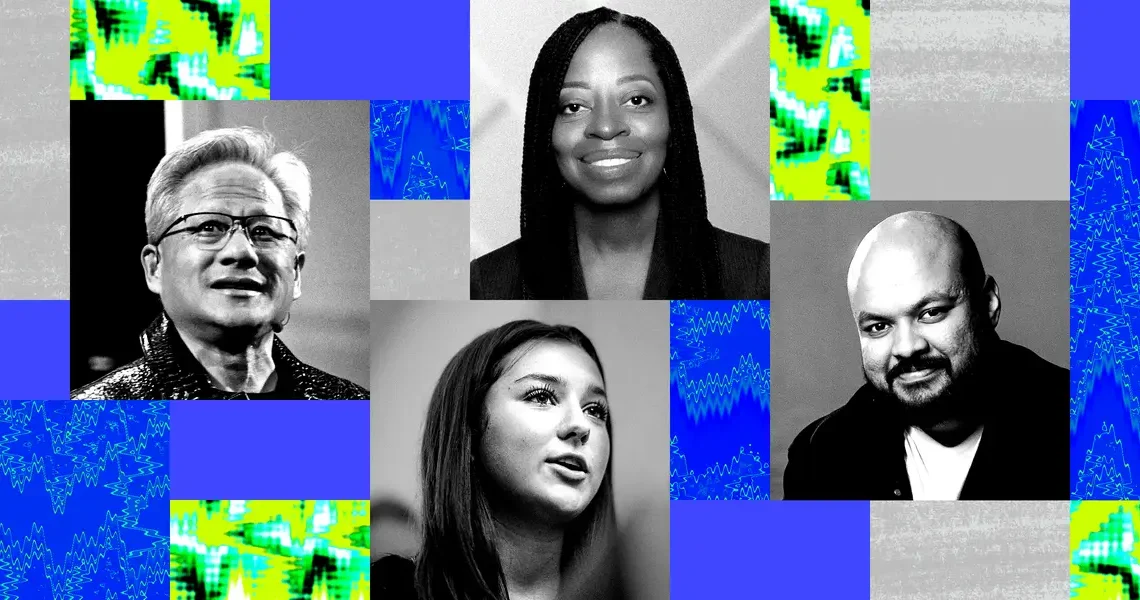
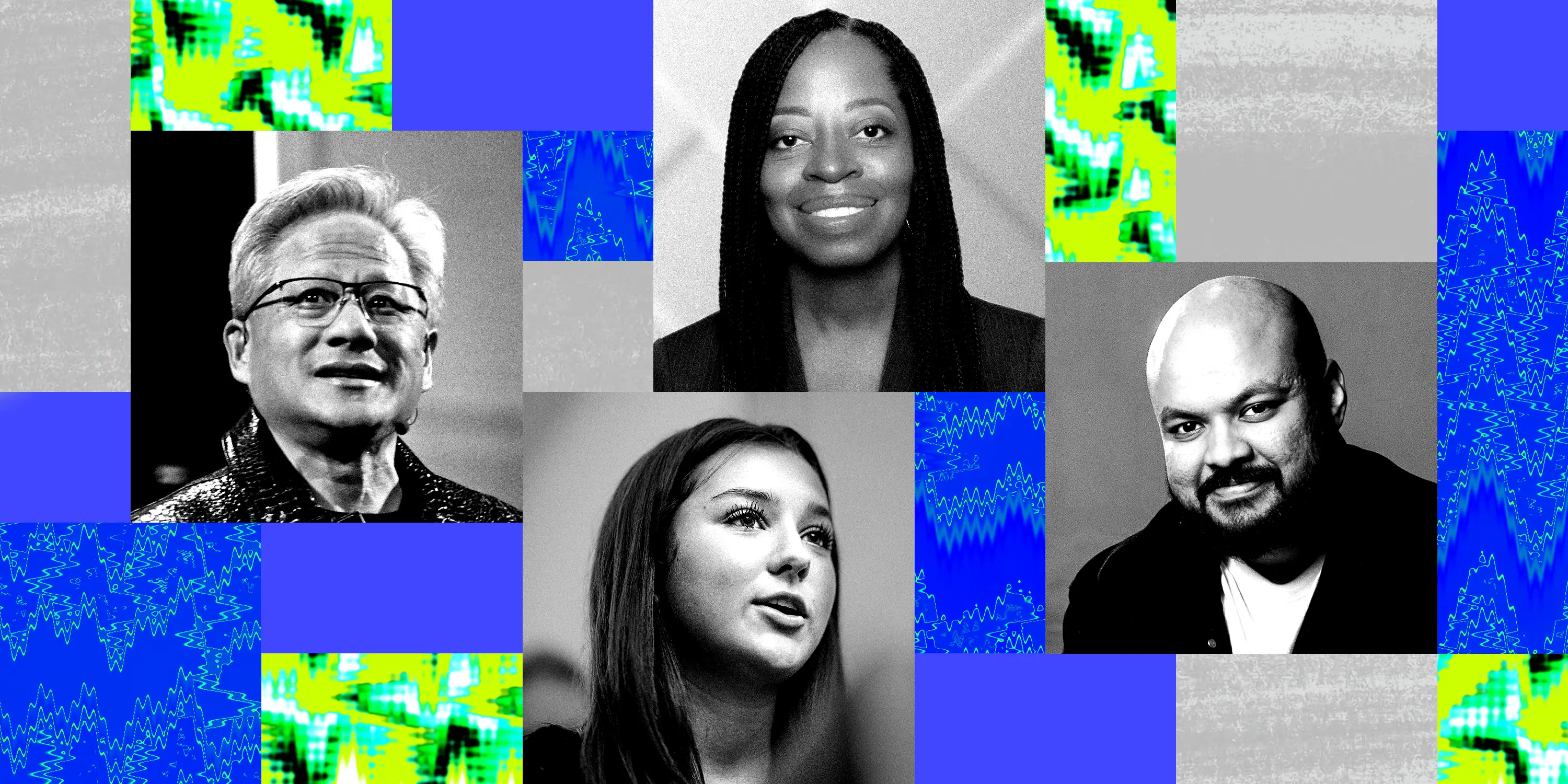
Since 2023, Business Insider’s AI Power List has recognized the most influential people in AI across sectors. For 2025, we’ve identified 25 key players who we believe are shaping this next wave of AI innovation — from the C-suite and behind the scenes.
They include executives designing AI infrastructure, investors betting on long-term value over hype cycles, researchers and activists confronting the social costs of AI, and founders building tools designed to help rather than harm. Together, they represent where AI will go next.
These are 2025’s most powerful people in AI.

Sam Altman
Cofounder and CEO, OpenAI
Career highlights:
- Transformed OpenAI from a nonprofit research lab into a commercial tech titan
- Oversaw the development of the most widely used consumer AI product in history, ChatGPT
Why they made our list:
Altman continues to set the direction for consumer and enterprise AI. In 2025, OpenAI launched GPT-5, introduced the ChatGPT Atlas browser, and previewed new agentic models that can autonomously complete tasks on behalf of users.
The company also released GPT-OSS, its first family of open-weight language models, expanding access to transparent research and commercial tooling. OpenAI’s ecosystem serves millions of developers and underpins a wide range of applications across coding assistants, productivity tools, and enterprise copilots.

Matthew Prince
Cofounder and CEO, Cloudflare
Career highlights:
- Oversees a network protecting an estimated 20% of the web’s traffic
- Former adjunct law professor at the University of Chicago Law School
- Cofounder of Unspam Technologies, an IT startup
Why they made our list:
Prince’s company — which provides cybersecurity and internet services for networks — defends the internet from unlicensed AI crawlers. In late 2024, the internet service giant began blocking major AI bots from scraping websites without creators’ consent, giving publishers control over how their work is used for training purposes.
The industry responded positively: Cloudflare’s firewall helped publishers safeguard their revenue and pressured leading AI companies, such as OpenAI and Anthropic, to negotiate fairer licensing deals, thereby strengthening the broader content marketplace. Prince’s company now reportedly serves about 80% of the top AI firms, helping them reduce fraud and operational costs with Cloudflare’s network-level security.
“We’ve essentially used AI to protect AI from other AIs,” Prince told Business Insider.
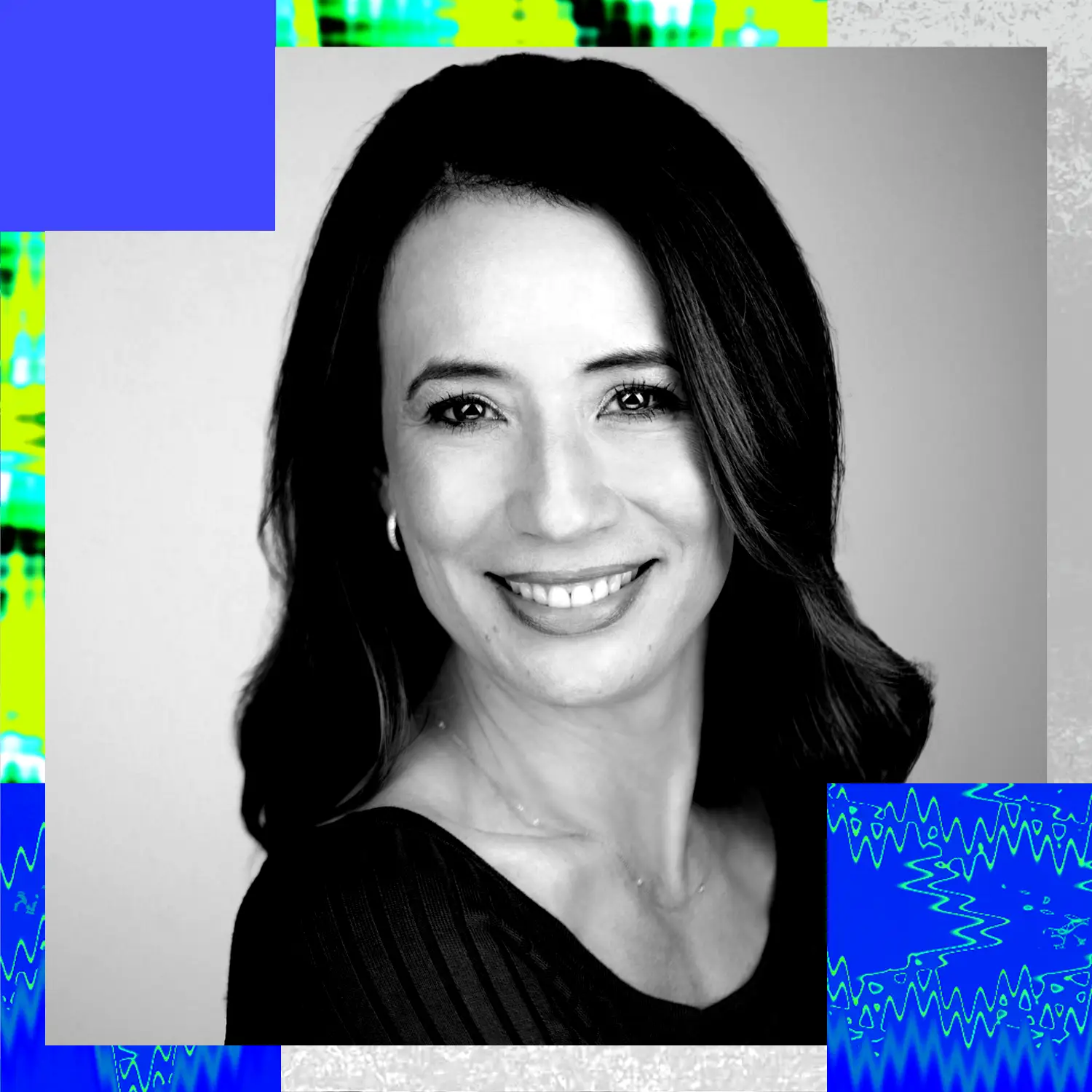
Rachel Peterson
VP of Data Centers, Meta
Career highlights:
- Led Meta’s data center efforts for the last 16 years
- Previously worked on Google’s data center site selection
Why they made our list:
Working in step with Meta’s Superintelligence Labs, Peterson is scaling Meta’s AI infrastructure to build the most powerful large language models.
Since the start of 2025, she has led the expansion of data center infrastructure, including new gigawatt-scale superclusters in Ohio and Louisiana, designed to handle resource-intensive AI workloads with efficiency. Her team now operates dozens of data centers across the US.
Peterson said that Meta prioritizes local hiring at each location. She’s now tasked with overseeing the execution of Meta’s $600 billion investment in AI infrastructure and jobs, including the company’s plan to provide millions of dollars to low-income households by 2028 to help cover their utility bills.
“We want to be net-givers and not take from the community,” Peterson told Business Insider.

Elliston Berry
Activist
Career highlights:
- Became a national advocate after discovering classmates used an AI app to create and distribute non-consensual nude images of her
- Worked alongside her mother to help pass the Take It Down Act
Why they made our list:
Berry is turning personal trauma into societal change. After sexually explicit deepfakes of her — images where her face was digitally transposed onto a naked body — were circulated online when she was 14, Berry and her mother went to Washington, D.C. to meet with US administration members like Sen. Ted Cruz and first lady Melania Trump. There, they discussed legislation that could criminalize and scrub deepfake porn from adult sites.
That campaign led to the Take It Down Act, which, in May, President Donald Trump signed into law, making it one of the first US regulations to address AI’s harms.
Now, Berry and her mother are creating a curriculum to teach students about AI‑induced damage, Time reported. They said they are developing software that helps identify potential deepfakes, which users could use to flag for removal.
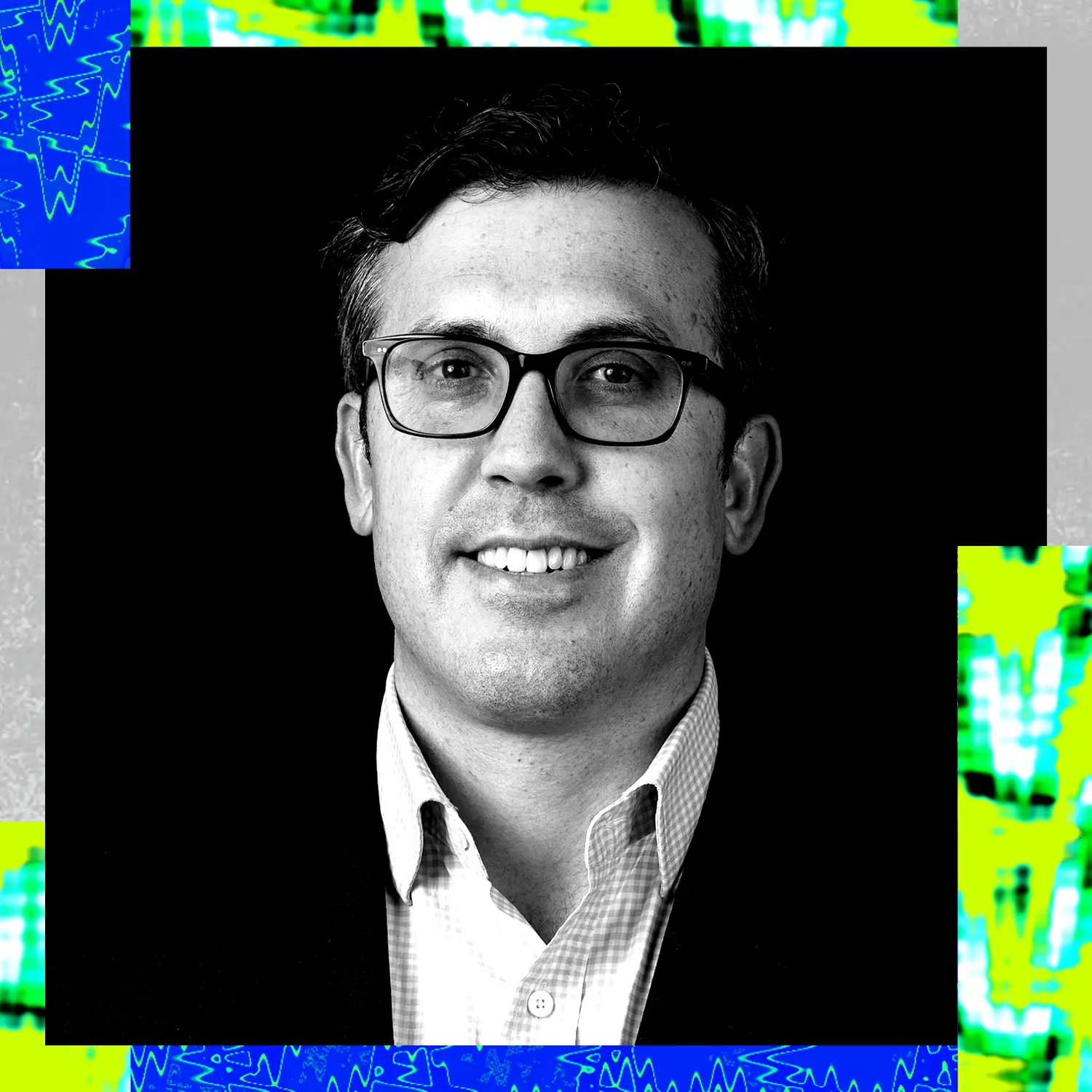
Andy Power
CEO, Digital Realty
Career highlights:
- Oversees a portfolio of more than 300 data centers across six continents
- Partnered with Nvidia, Dell, and Oracle to offer high-performance AI-ready infrastructure
Why they made our list:
In 2025, Digital Realty partnered with Novo Nordisk and Nvidia to develop Gefion, a Denmark-based supercomputing platform designed to accelerate research in life sciences, healthcare, and climate science.
The company also launched an AI interconnection fabric that links its data centers to help run AI models closer to users, resulting in improved speed and efficiency.
Power told Business Insider that Digital Realty now supports nearly three gigawatts of data center capacity globally — enough to power up to 2.25 million US homes — and expects AI demand to play a central role in driving its multibillion-dollar revenue growth over the next several years.
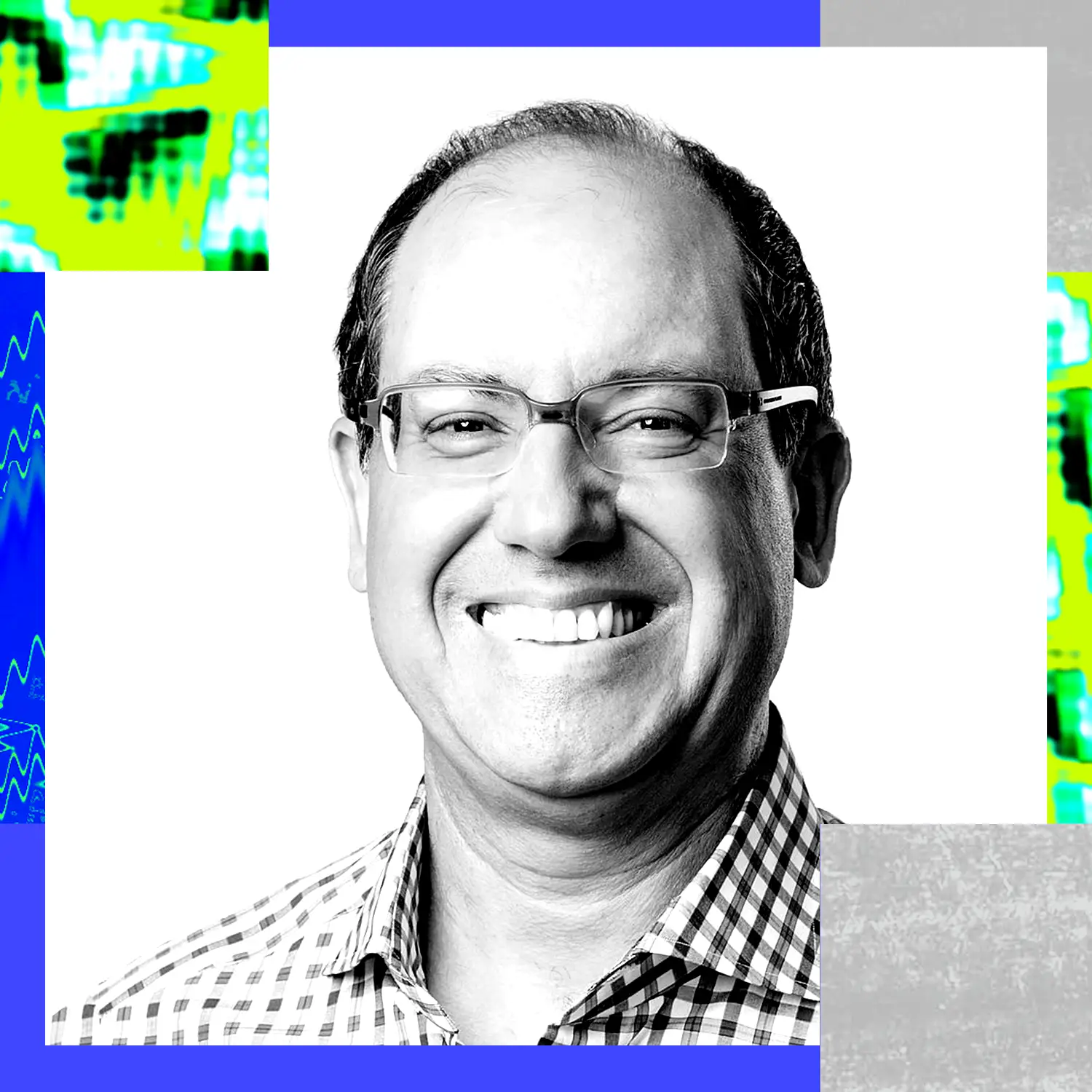
Aydin Senkut
Founder and Managing Partner, Felicis Ventures
- Oversaw investments into AI companies like Mercor and Runway that are now valued in the billions
- Former product manager at Google
Why they made our list:
Senkut bet early on the infrastructure that powers AI and its future. At Felicis, his Silicon Valley venture capital firm focused on emerging technologies, Senkut’s portfolio includes more than 400 companies. About 70% are AI startups, including n8n, Tines, and Skild AI, which focus on workflow automation, orchestration, and robotics.
Alongside bets on multibillion-dollar firms like Shopify and Adyen, his early-stage investments have launched AI unicorns like Runway, an AI video generator valued at over $3 billion, and Mercor, a data evaluation company worth $10 billion.
Under Senkut’s leadership, Felicis announced it closed a $900 million Fund X in June. Dating back to his early work at Google and Silicon Graphics, Senkut’s decadeslong expertise in emerging tech has placed him at the forefront of identifying transformational industry shifts.
“AI permeates what we do at Felicis,” Senkut told Business Insider.
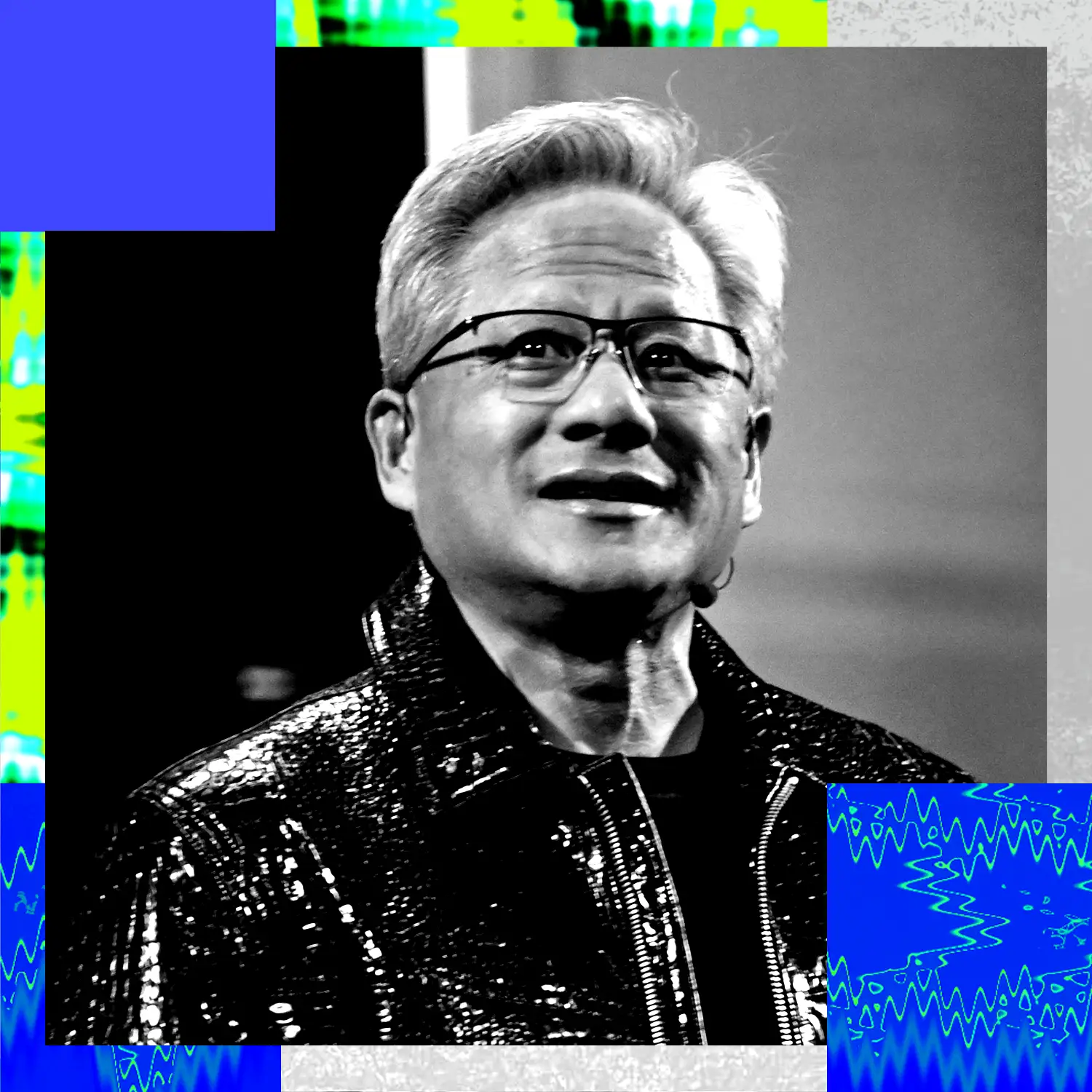
Jensen Huang
Cofounder and CEO, Nvidia
Career highlights:
- Pivoted Nvidia from gaming GPUs into the hardware backbone behind generative AI systems
- Established AI products adopted by every major AI developer, from cloud providers to model-training labs
Why they made our list:
Huang largely built the chip empire that’s powering the generative AI boom. In 2025, Nvidia reported $57 billion in Q3 revenue, a 62%year-over-year increase, and projected another record quarter.
Under Huang’s leadership, the company scaled production of its H200 and Blackwell Tensor Core GPUs and expanded partnerships with Amazon Web Services, Google Cloud, and Oracle Cloud to accelerate AI development. Nvidia’s hardware and software now sit at the center of nearly every major foundation-model program.
“We’ve entered the virtuous cycle of AI,” Huang told investors in November, adding that compute demand across training and inference “keeps accelerating and compounding.”
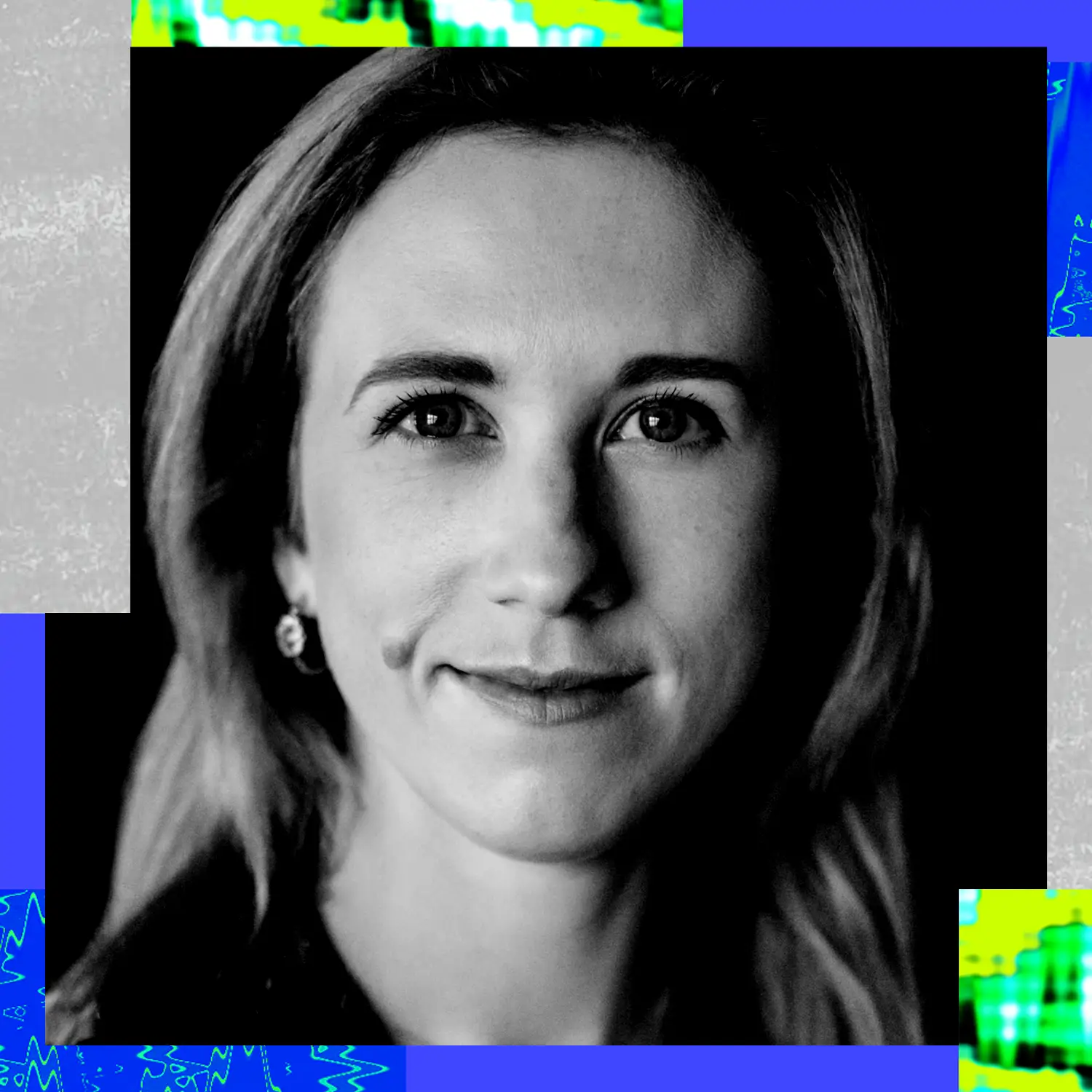
Sasha Luccioni
AI and Climate Lead, Hugging Face
Career highlights:
- Founding member of Climate Change AI, a nonprofit that connects academics and industry leaders to combat climate challenges with machine learning
- Helped build CodeCarbon, a popular tool that allows developers to track the energy use of model training
Why they made our list:
Luccioni makes the carbon footprint of AI impossible to ignore. At Hugging Face, and in collaboration with Salesforce, Cohere, Meta, Neuralwatt, and Carnegie Mellon University, Luccioni played a key role in launching the AI Energy Score project, which includes standardized methods and a leaderboard for benchmarking the energy efficiency of AI models.
On the research front, Luccioni has studied the energy usage of various AI modes, including video generation and advanced reasoning models. She also leads Hugging Face’s Frugal AI Challenge, encouraging academics and industry leaders to deploy AI models with efficiency in mind.
“We’re doing AI wrong, and it’s hurting people and the planet,” Luccioni told Business Insider. “There are alternative ways of doing it.”
Luccioni has delivered TED talks and keynotes that challenge global tech leaders to reimagine AI development with sustainability at its core.

Swami Sivasubramanian
VP, Amazon Web Services Agentic AI
Career highlights:
- Launched Amazon SageMaker, Bedrock, and other AI platforms widely adopted across industries
- Former member of the National Artificial Intelligence Advisory Committee advising President Biden and the White House on AI workforce initiatives
Why they made our list:
Sivasubramanian is the architect behind AWS’ AI products. During his time as its VP of AI and data, the company launched Bedrock, which provides access to foundational models from providers such as Amazon, Anthropic, and Meta, and supports workloads for major enterprises in healthcare, finance, and logistics. He also helped scale SageMaker, which is used by customers to develop machine learning features like fraud detection systems and customer chatbots.
Now he focuses on creating tools for developers to build autonomous AI systems that can plan, reason, and act, without human supervision. The suite includes AgentCore, Quick Suite, and Kiro, a code-writing agent.
“Agentic AI is going to be one of the biggest shifts in technology in our generation,” Sivasubramanian told Business Insider. “It will fundamentally rewire how we build software, how we build systems, and how customer experiences are going to be transformed.”
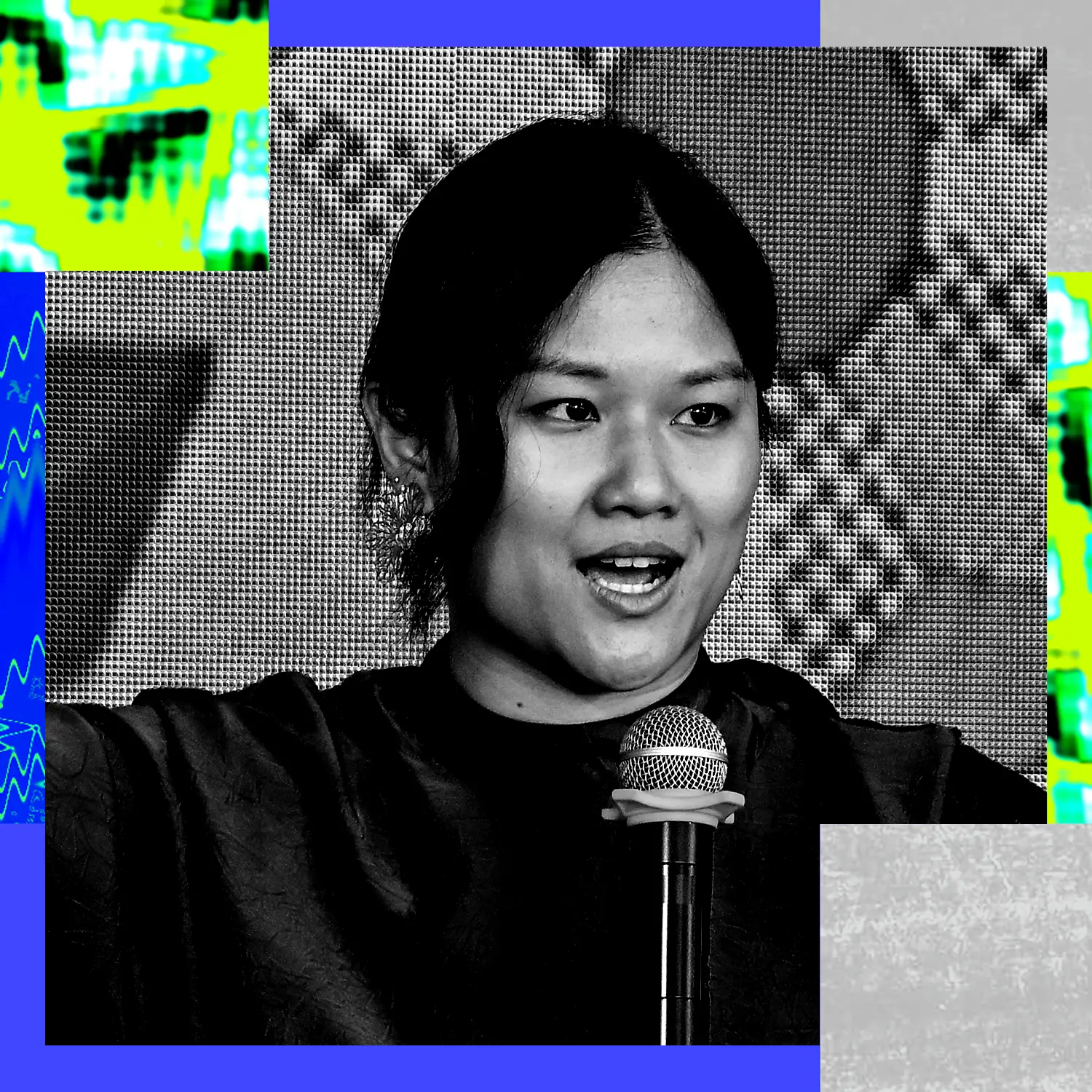
Karen Hao
Journalist
Career highlights:
- Author of “Empire of AI: Dreams and Nightmares in Sam Altman’s OpenAI,” and former Wall Street Journal correspondent on China’s tech industry
- Leads the Pulitzer Center’s “AI Spotlight” series, a program focused on training journalists to hold AI companies accountable
Why they made our list:
Hao has shifted the global discourse on AI through fearless reporting. Published in May, “Empire of AI” offers an inside look at OpenAI’s rapid ascent to global AI dominance and the human and environmental consequences of its technology as Silicon Valley races to build AGI, or artificial general intelligence, a type of AI that can reason like humans. Her investigative reporting, which shows how US companies push for weaker AI regulations overseas, has made waves among tech workers and policymakers in California and the EU.
“Everywhere I go, I sense that people feel extremely activated to be part of this global conversation,” Hao told Business Insider.
As of early November, Hao’s book has been translated into 13 languages and received international acclaim. Hao said that hundreds of attendees come to her global book tour events, and many express uneasy feelings about the impact of technology on their lives.
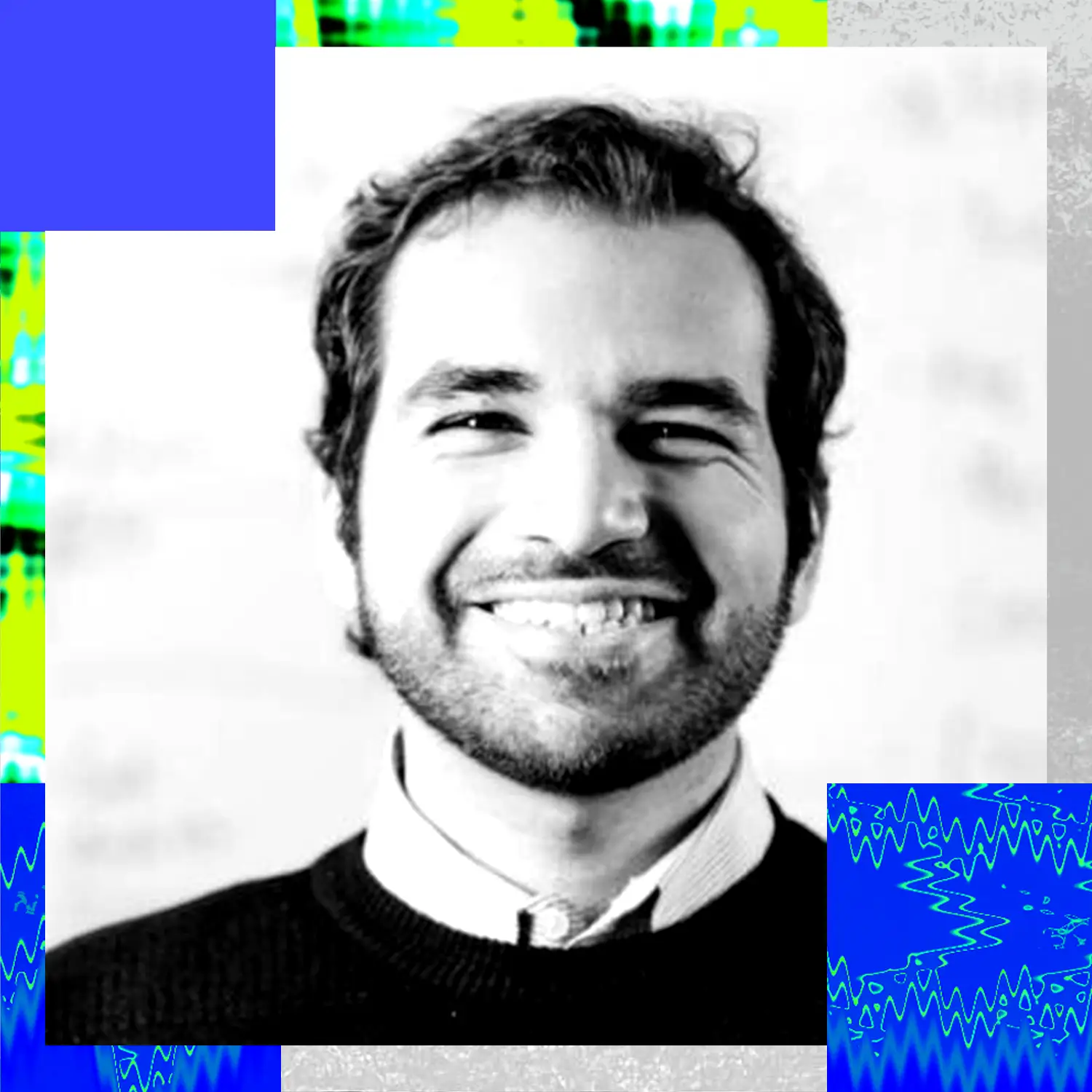
Pierre Adil Elias
Medical Director for Artificial Intelligence, NewYork-Presbyterian
Career highlights:
- Assistant professor in the Division of Cardiology and the Department of Biomedical Informatics at Columbia University Irving Medical Center
- Former data scientist who helped to develop Google’s Knowledge Graph for health information
Why they made our list:
Dr. Elias has shown what it takes to move AI from proof of concept to patient care. At NewYork-Presbyterian, he led the team that created EchoNext, an AI-powered screening test that analyzes electrocardiogram data to detect structural heart diseases, such as cardiac amyloidosis, before patients develop symptoms.
In a July study that Dr. Elias co-authored in the journal Nature, EchoNext correctly identified 77% of structural heart problems and outperformed 13 cardiologists. Dr. Elias told Business Insider these findings garnered national attention across the medical sector. The tool is now deployed across 12 hospitals and 180 clinics in the US and Canada, reaching tens of thousands of patients and guiding heart surgeries and transplants.
“It’s fundamentally changed the way we practice cardiology,” Dr. Elias told Business Insider.
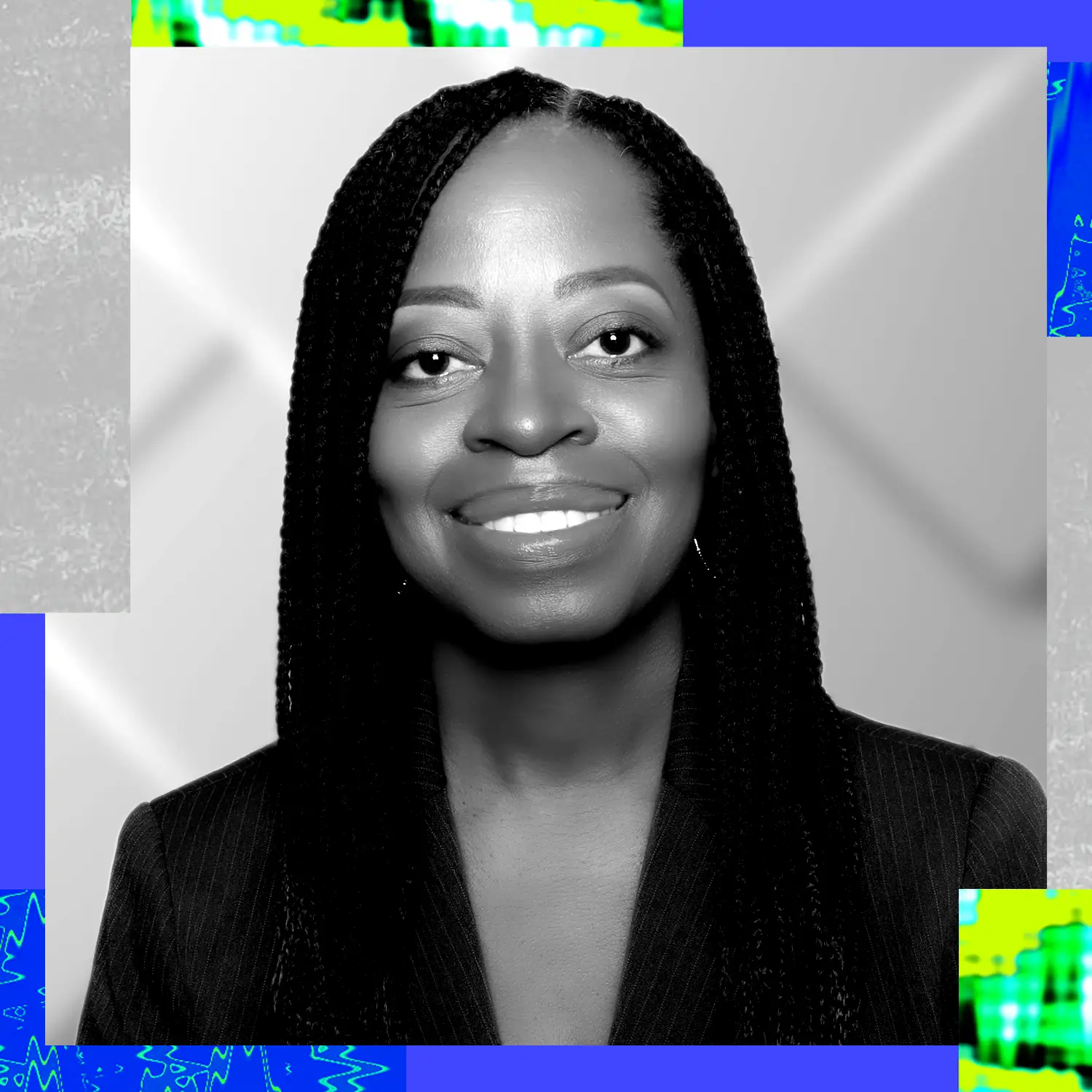
Angle Bush
Founder and CEO, Black Women in Artificial Intelligence
Career highlights:
- Former visiting fellow at the University of Miami’s Frost Institute for Data Science and Computing
- Global speaker and advocate for diversity in AI
Why they made our list:
Bush is building a more inclusive AI future. Since she founded BWIAI in 2020, it has grown to over 155 paying members across five continents, including doctors, lawyers, television writers, and data scientists.
Partnering with Big Tech companies like Nvidia, Microsoft, and Amazon, along with universities and staffing agencies, BWIAI offers training and mentorship programs, scholarships, and resume-rebrand services. Beyond professional development, BWIAI provides Black women with a community to share knowledge and develop AI products independently, without relying on industry gatekeepers. AI, Bush said, constitutes the “fourth industrial revolution” — and, on her watch, minorities will not be left behind.
“You can’t have a revolution without Black women,” Bush told Business Insider. “We are not waiting.”

David Griffiths
CTO, Citi
Career highlights:
- Spearheaded Citi’s Stylus Workspaces, an agentic productivity and document intelligence tool
- Previously focused on equity-linked technology at Merrill Lynch
Why they made our list:
Griffiths embeds AI into the backbone of global banking. At Citi, he oversaw the development of Stylus Workspaces, an internal AI tool now supporting over 100,000 employees across 83 countries. Citi uses it to process legal documents, assist in regulatory filings, and streamline internal audits, handling millions of queries annually.
In September, as part of a pilot, Citi gave 5,000 workers access to Stylus’ agentic capabilities, an initiative that Griffiths said was received well. Citi is also leveraging AI-driven coding assistance with its GitHub Copilot, which Griffiths said has contributed to faster product releases and more consistency.
“AI can be perceived as more of a mysterious thing that’s going to be done to us, and people have trepidation around it,” Griffiths told Business Insider. “What we’re seeing is: Actually, no, that’s not what you need to worry about.”
In his current role, Griffiths integrates governance and security protocols across Citi’s global technology systems to ensure the responsible deployment of AI.
“The efficiency opportunity this gives us — not only getting tasks done quicker, but helping us simplify the entire operations of the company — is a massive unlock,” Griffiths told Business Insider.
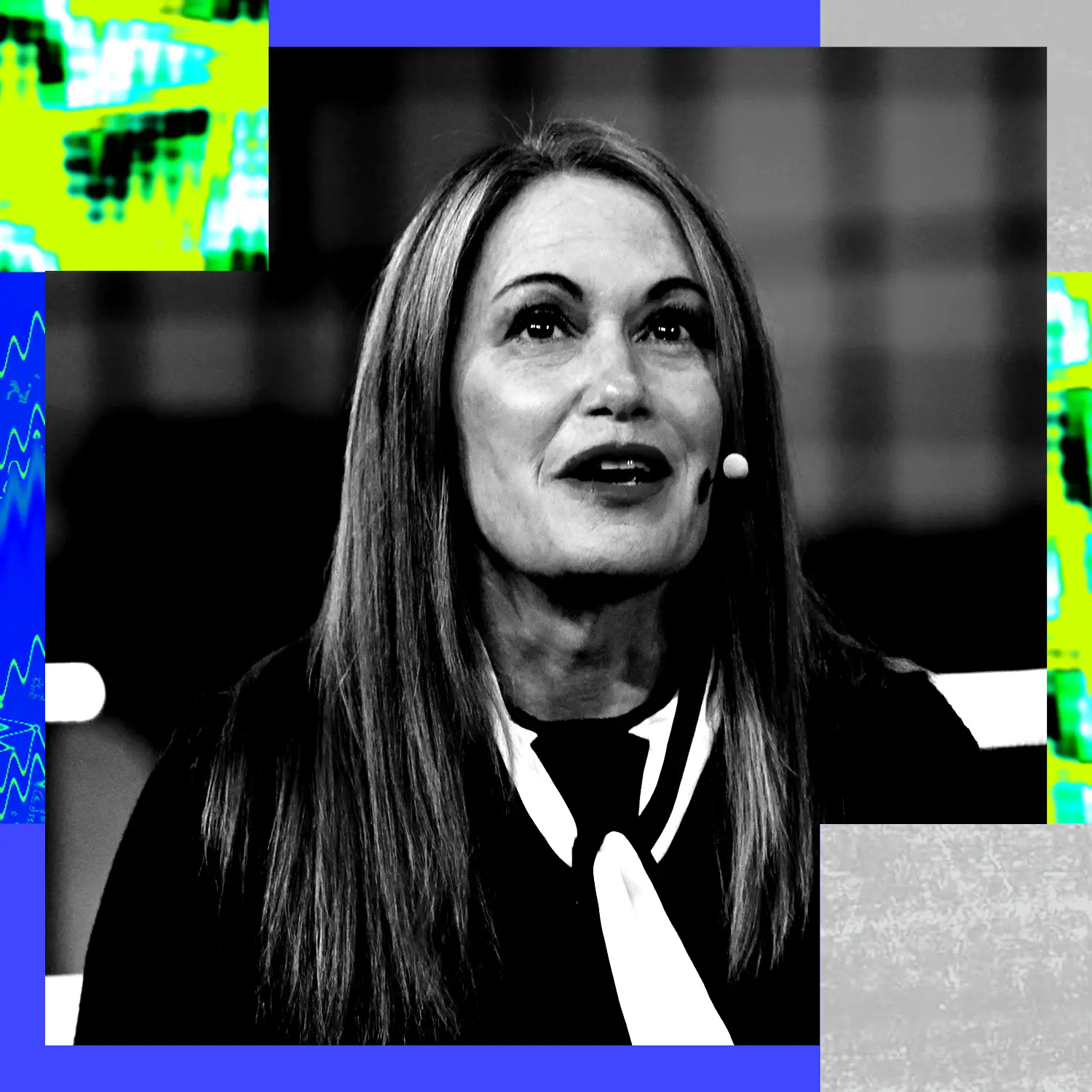
Peggy Johnson
CEO, Agility Robotics
Career highlights:
- Oversaw the opening of RoboFab, the world’s first manufacturing facility in Salem, Oregon, with the capacity to build up to 10,000 humanoids a year
- Former CEO of Magic Leap, an augmented reality company
Why they made our list:
Johnson is turning the humanoid market from hype to commercial reality. Under her leadership, Agility Robotics rolled out Digit through small-scale pilots and deployments in factories and warehouses owned by companies such as Amazon.
As of November, Digit has moved more than 100,000 warehouse bins since its commercial deployment last year, an early indicator that humanoids can be scaled with a return on investment. For years, humanoid robots were largely confined to laboratories and demonstrations, with skeptics doubting they could ever perform useful, everyday tasks that save companies time and money. Agility’s milestone suggests that Digit can handle repetitive, physical tasks — the next iteration of warehouse automation.
“As AI technology improved and refined, we have been able to dramatically accelerate Digit’s ability to learn new skills,” Johnson told Business Insider.
Agility is now working to expand Digit’s capabilities from simply picking up objects to understanding real-world context so that its humanoids can work alongside humans. As of late March, Agility reportedly raised $400 million in funds to improve its humanoid robots, which puts its pre-investment valuation at an estimated $1.75 billion, The Information reported.

Megan Garcia
Safety Advocate
Career highlights:
- Following her 14-year-old son’s death, she sued Character.AI, an AI companion startup, on allegations that its product is unsafe for children
- Testified before Congress on AI-induced psychological harm
Why they made our list:
Garcia, a lawyer by trade, has publicly shared her story to warn others about the psychological dangers of AI following her young son’s February 2024 death. Sewell Setzer III, who was 14 at the time, died by suicide following distressing interactions with Character.AI’s chatbot, Garcia said.
In September, Garcia testified before Congress, urging lawmakers to hold tech companies accountable for releasing AI systems that can harm vulnerable users. Following her advocacy and as of November 25, Character.AI barred users under age 18 from interacting with its AI companions, a move that OpenAI and Meta followed by adding limitations for underage users. Hearing from many parents with similar stories, Garcia warns that children risk losing their personhood and privacy to AI systems designed to extract their innermost thoughts for profit.
“Many parents don’t understand that chatbot systems collect data on children’s most intimate thoughts, impressions, feelings, and secrets — things that we as parents don’t even know about,” Garcia told Business Insider. “These companies have access to that and have no right to it.”
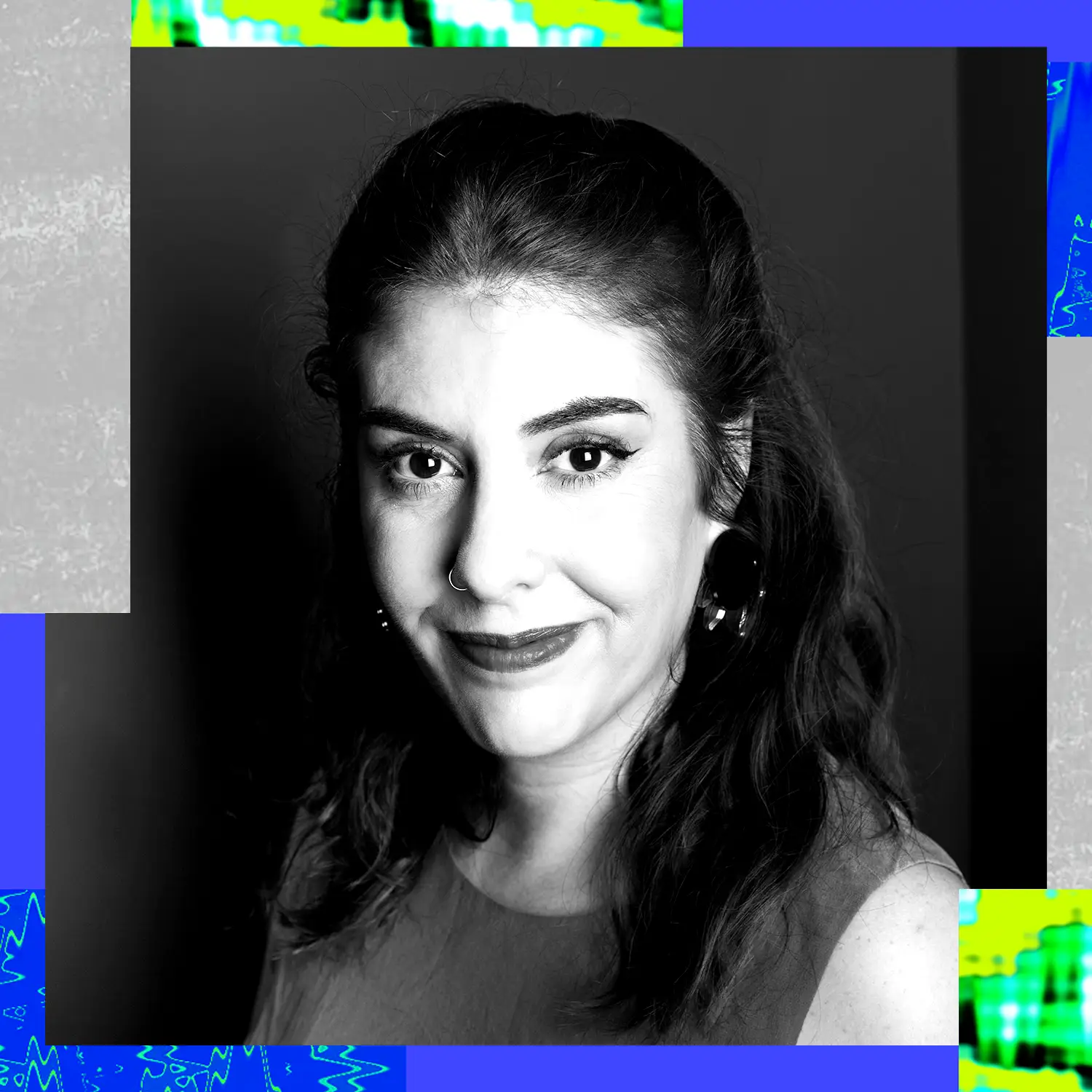
Milagros Miceli
Founder, Data Workers’ Inquiry
Career highlights:
- Leads the data, algorithmic systems, and ethics research group at the Weizenbaum Institute, which aims to inform business, politics, and society on digital transformation
- Lecturer on the working conditions behind AI at the Technical University of Berlin
Why they made our list:
Miceli places AI’s invisible workforce, from data annotators to evaluators, at the helm of the global AI conversation. As a research lead at the Distributed AI Research Institute, where she oversees the Data Workers’ Inquiry group, Miceli is empowering a team of 28 data labellers across five continents to participate as community researchers. Under her supervision, researchers document workplace conditions, mental health issues, and gender inequities within their field through reports, documentaries, podcasts, blogs, and animated shorts.
“The aim of the methodology is not just to collect data, but also to create an instrument that allows workers to talk to each other,” Miceli told Business Insider.
Beyond research, Miceli supports organizing efforts for data workers, including the Data Labelers Association in Kenya, the African Content Moderators Union, and the TikTok workers’ strike in Berlin. These efforts have influenced policy, leading to paid breaks, extended vacation days, and mental health support in the workplace.
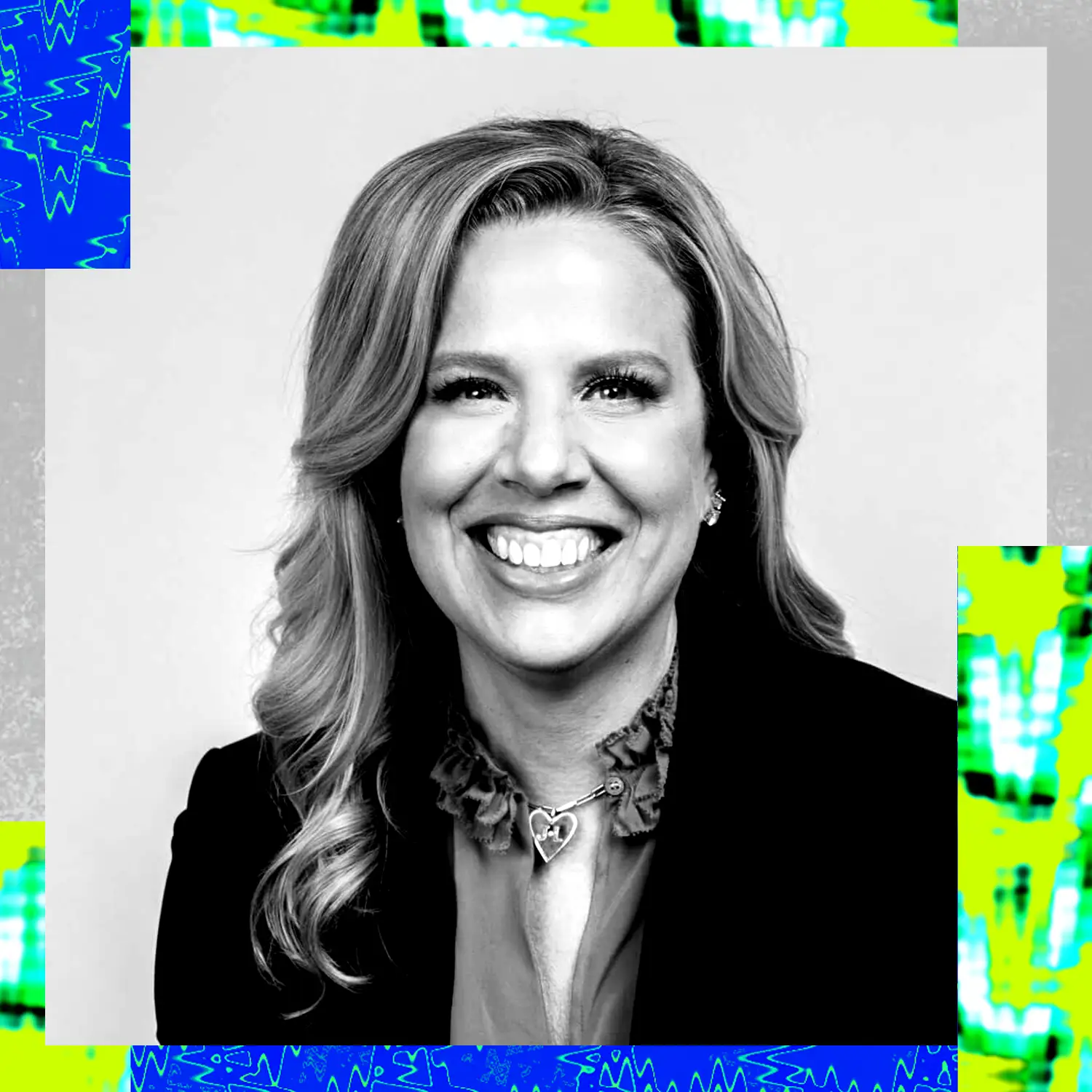
Jacqui Canney
Chief People and AI Enablement Officer, ServiceNow
Career highlights:
- The architect behind ServiceNow University’s AI reskilling programs
- The former chief people officer at Walmart and WPP, a British global marketing company
Why they made our list:
Canney shapes the playbook for business reskilling in the age of AI. Under Canney’s leadership, ServiceNow launched the ServiceNow University program in May, aiming to upskill more than 3 million users in AI fundamentals, including prompt engineering and workflow automation, by 2027. According to ServiceNow, more than 20,000 of its employees have been trained since the program began.
The IT service giant has also embedded generative AI tools across its HR, sales, and engineering teams, saying it has generated more than $100 million in savings. The company is hungry for AI talent, having opened more than 1,200 new roles since last January that require AI skills, such as querying chatbots and building machine learning models.
“I believe we’re at the beginning of a human capital renaissance,” Canny said regarding AI. “When you take this very powerful technology and put it with reskilling, you get way more value out of it.”
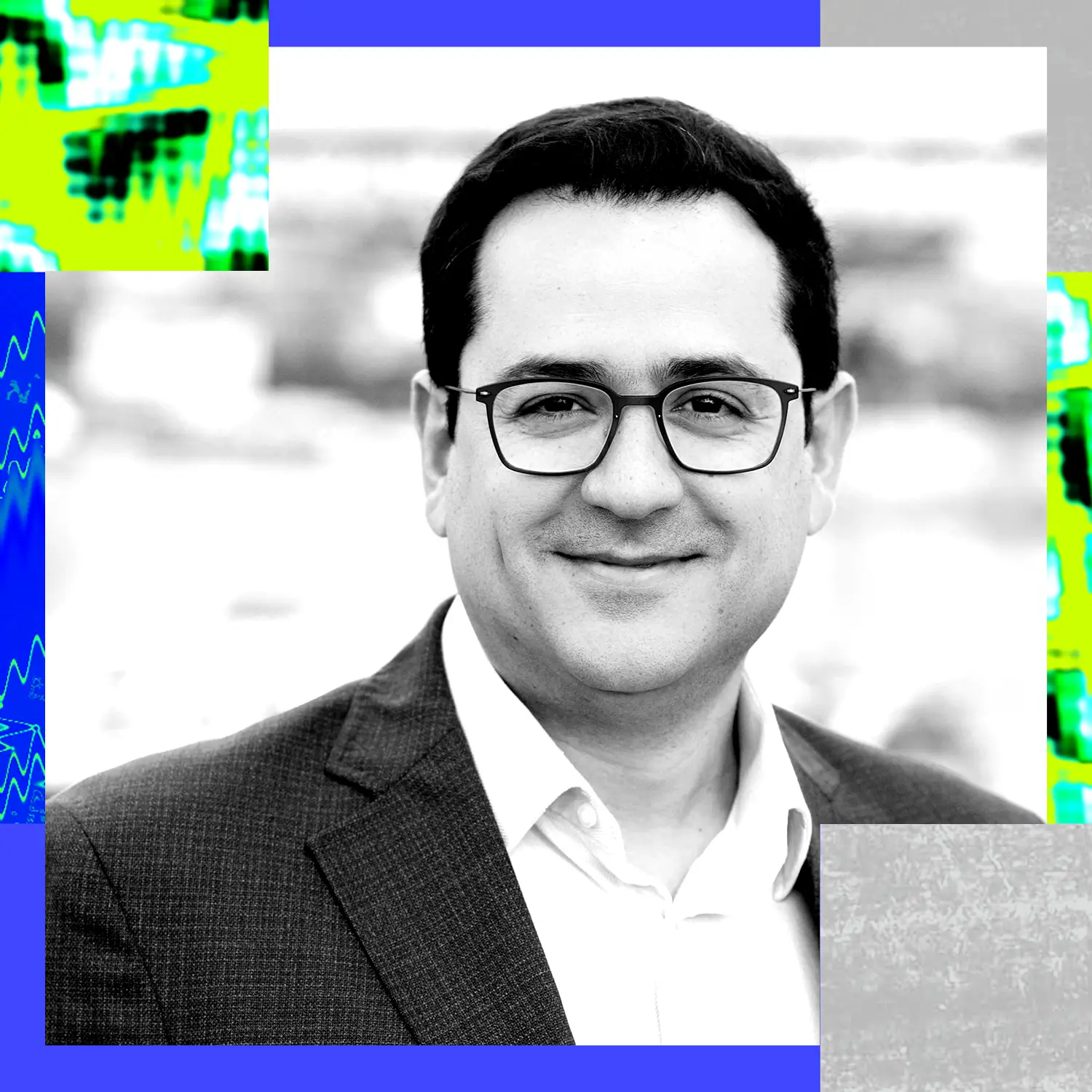
Ali Farhadi
CEO, Allen Institute for AI (Ai2)
Career highlights:
- Cofounder of Xnor.ai, an on-device AI model startup that Apple acquired for $200 million
- Professor in the Department of Computer Science and Engineering at the University of Washington
Why they made our list:
Farhadi makes AI research open and accessible to the public. In November, Ai2 launched OlmoEarth: a family of open-sourced models designed for environmental modelling purposes, including crop planning, fire risk assessments, and habitat protection.
In August, the National Science Foundation and Nvidia awarded Ai2 a $152 million federal grant to lead the US’s first national initiative on open, multimodal AI for science.
As part of a $10 million investment in the Cancer AI Alliance, Ai2’s engineers work with top cancer research institutes to train AI models that hospitals could use one day to improve treatments and discover cures. From climate modelling to healthcare, Farhadi’s work influences how institutions scale AI for the benefit of humanity.
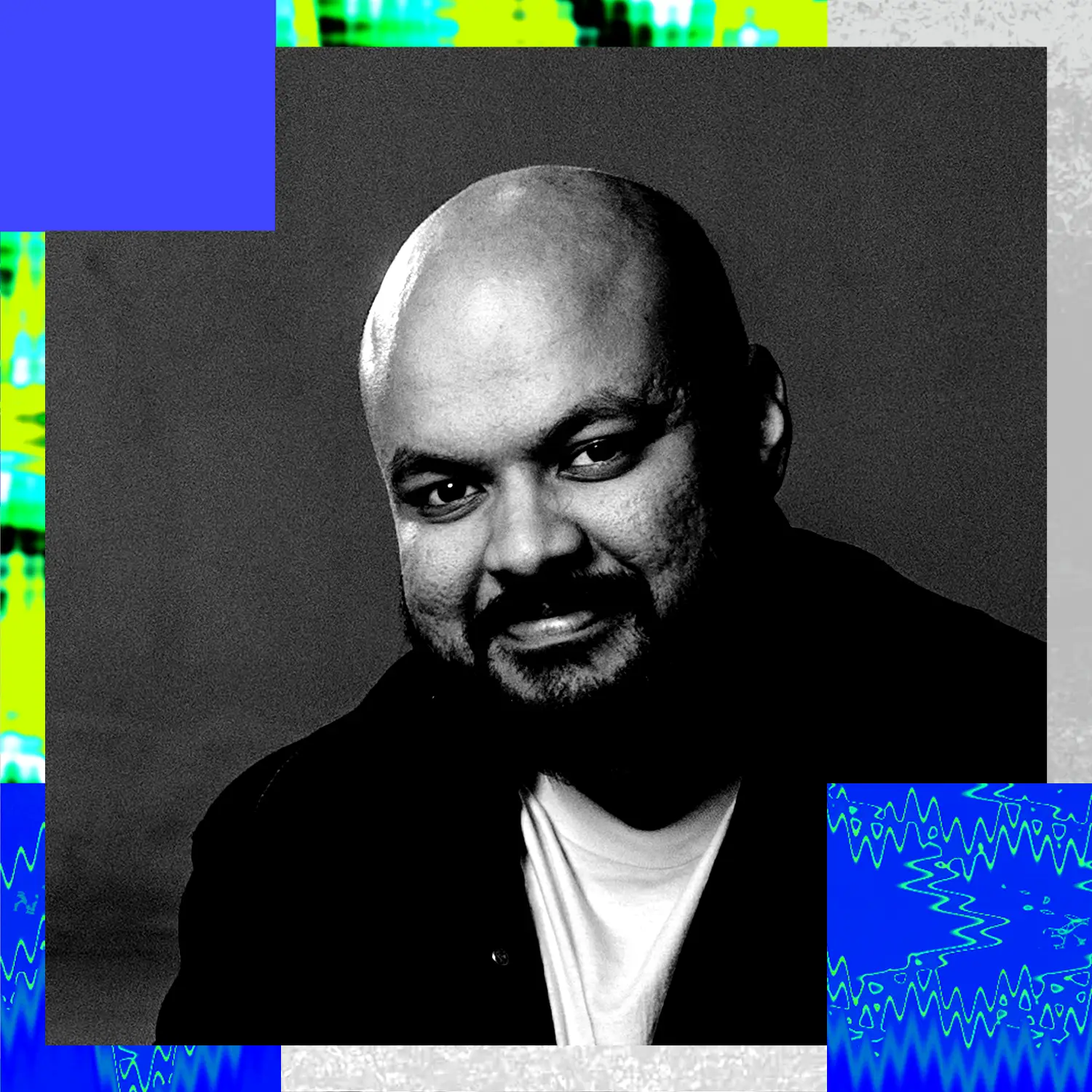
Naeem Talukdar
Cofounder and CEO, Moonvalley
Career highlights:
- Moonvalley has raised a total of $154 million with investments from General Catalyst, CoreWeave, and Comcast Ventures
- Led product growth at Zapier and founded Draft, a Y-combinator-backed business AI product
Why they made our list:
Talukdar designs AI models grounded in ethics and safety. With researchers from OpenAI, DeepMind, and Nvidia, Moonvalley trains AI models on fully licensed datasets, collaborating directly with YouTubers, filmmakers, and studios to preserve intellectual property and creative integrity.
In July, Moonvalley launched Marey, the first AI video generator trained entirely on fully licensed content and now used by visual effects companies and film studios, marking a step toward widespread AI adoption across Hollywood. Looking ahead, Moonvalley is building world models — AI that can understand and interact with its physical environment — for robotics.
“There’s a right way and a wrong way to build AGI, and we want to do it the right way,” Talukdar told Business Insider.
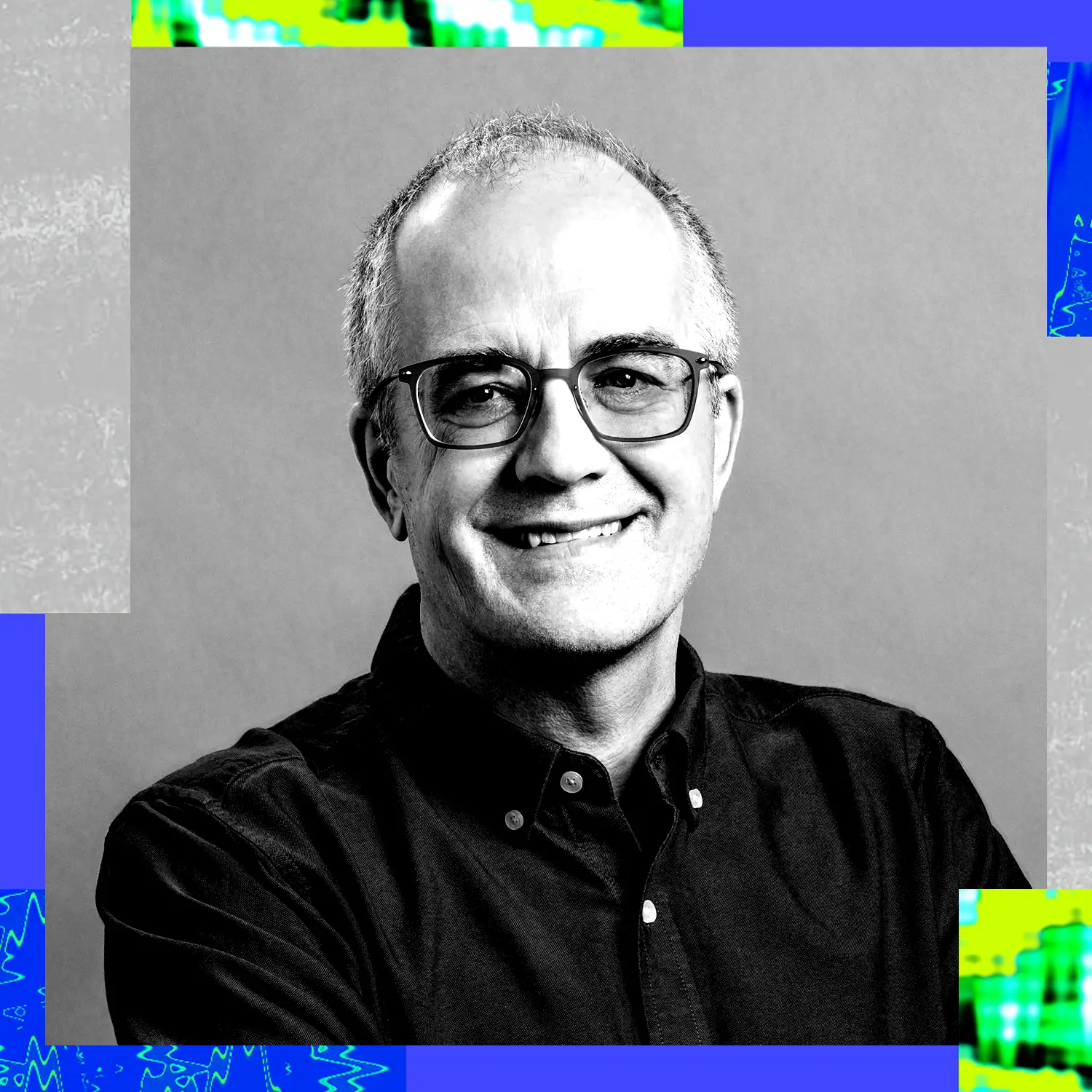
Christopher Manning
Thomas M. Siebel Professor in Machine Learning, and General Partner, AIX Ventures
Career highlights:
- Investing partner at AIX Ventures, which provides seed funding to early-stage AI startups
- Pioneered machine learning breakthroughs like GloVe, CoreNLP, and attention mechanisms that underpin generative AI modeling
Why they made our list:
Manning turns academic breakthroughs into AI businesses. In July, five months after stepping down as director of the Stanford AI lab, he announced a leave of absence from Stanford University to focus on venture capital as a partner at AIX Ventures. There, he helped to fund 68 early-stage startups building AI applications for industries, including healthcare, law, energy, gaming, and architecture.
“OpenAI is just never going to be far enough out into every business function to know how to do them all perfectly,” Manning told Business Insider.
Drawing on his technical expertise, Manning emphasizes the importance of investing in founders who possess a deep understanding of models and prioritize the responsible deployment of AI.
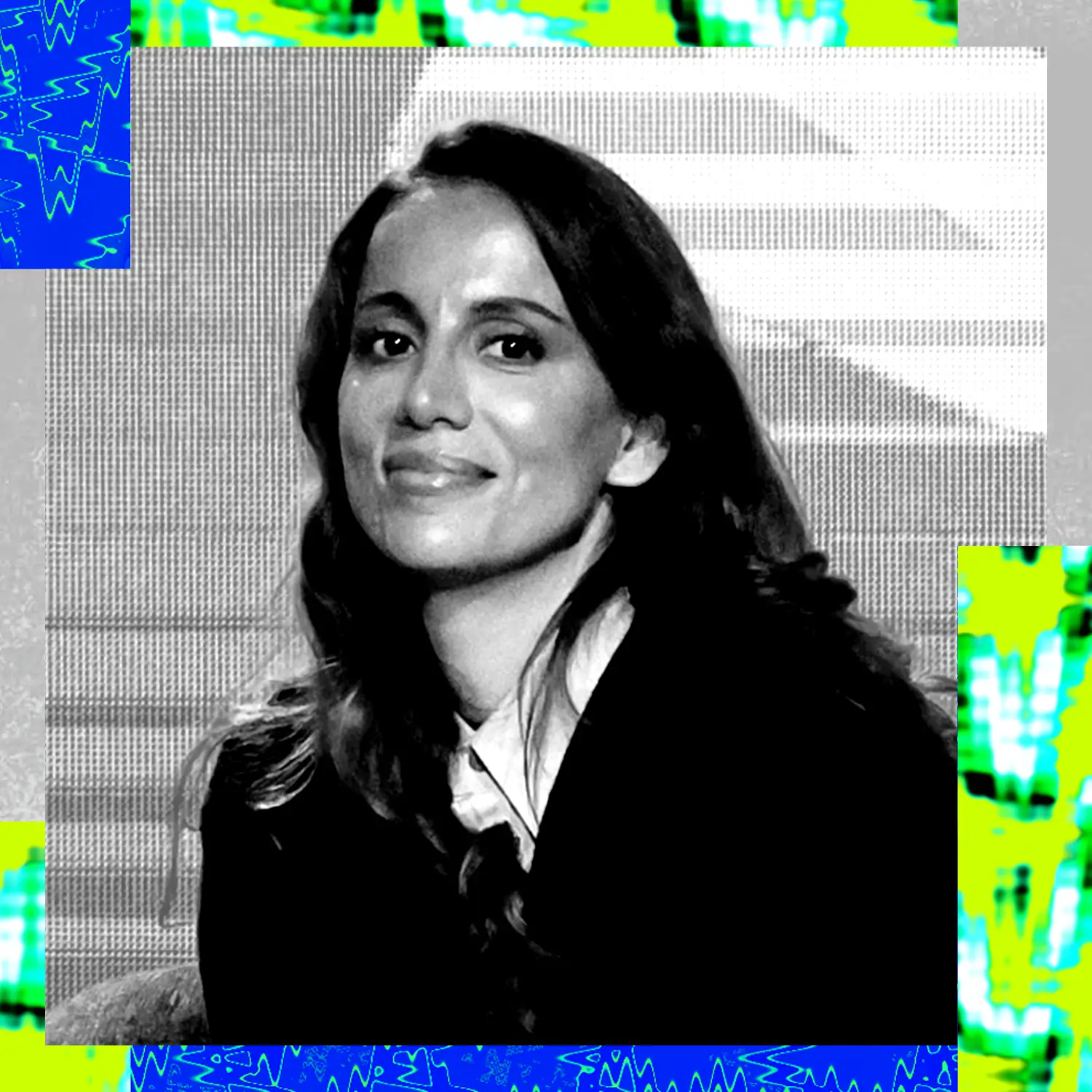
Mira Murati
CEO, Thinking Machines Lab
Career highlights
- Launched her own AI startup in February 2025
- Former chief technology officer at OpenAI, overseeing development of ChatGPT, DALL-E, and multimodal systems
Why they made our list:
Murati redefines what a frontier AI lab can look like outside Big Tech. In late 2024, following her departure from OpenAI, Murati founded Thinking Machines Lab, an AI research startup. Murati assembled a team of roughly 30 researchers and engineers, including senior figures from OpenAI, Meta, Google DeepMind, Mistral AI, and Character.AI. Months later, the company raised $2 billion in seed funding.
In October, Thinking Machines released its first product, Tinker, a tool designed to help researchers and developers fine-tune large language models for specific tasks and applications, signaling a focus on building powerful custom models.
“We’re making what is otherwise a frontier capability accessible to all, and that is completely game-changing,” Murati told Wired in October regarding Tinker.
Beyond its product release, Thinking Machines Lab has published research papers on neural networks and improving post-training techniques to better model capabilities.
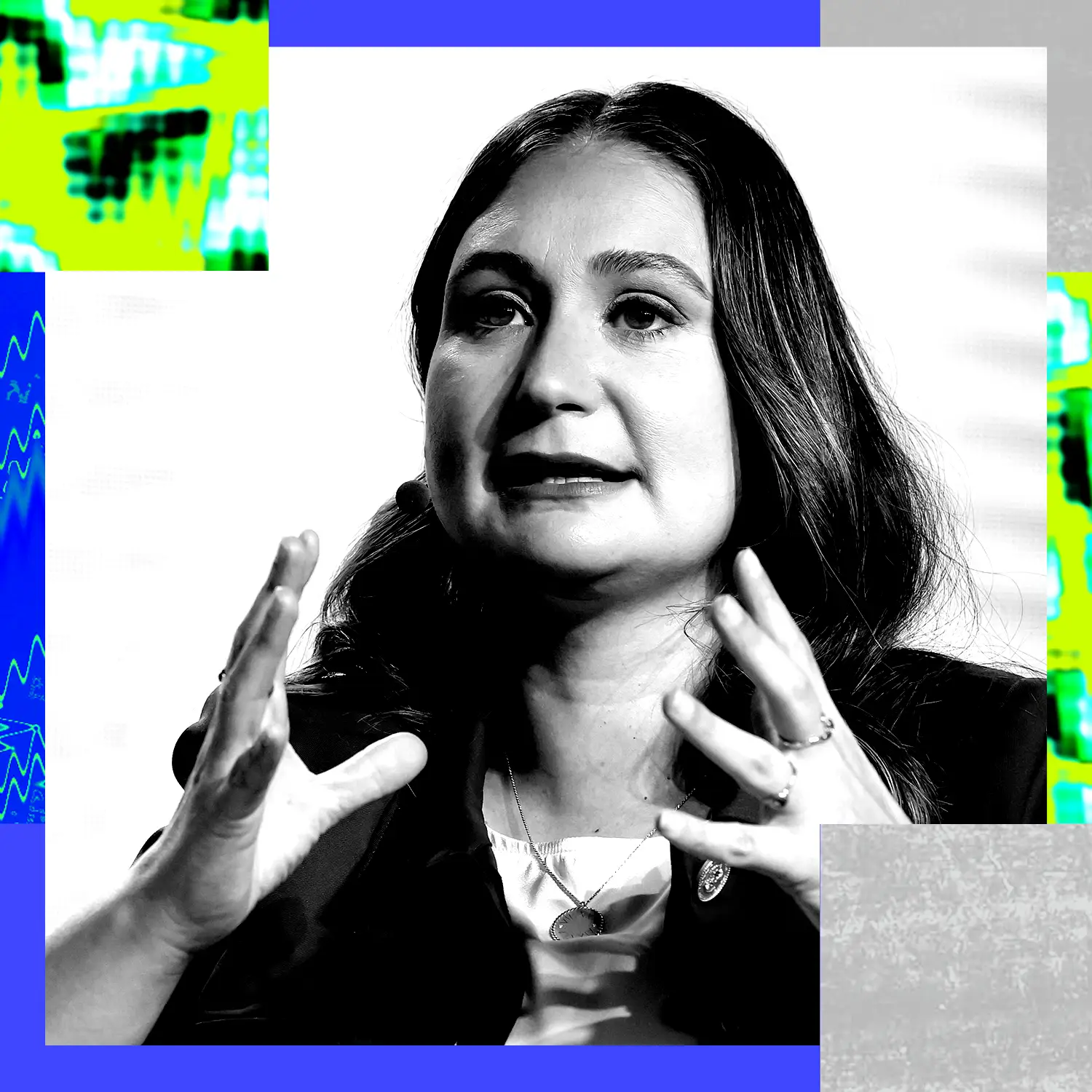
Daniela Amodei
Cofounder and President, Anthropic
Career highlights:
- Former VP of safety and policy at OpenAI, where she worked for more than two years
- Focuses on AI governance, safety, and commercialization
Why they made our list:
Amodei wants to make AI safe for humanity. As cofounder and president of Anthropic and the sister of CEO Dario Amodei, she oversees the company’s strategy, operations, and partnerships. In 2025, Anthropic expanded the deployment of its Claude family of large language models across business customers for coding, data analysis, and customer support.
Anthropic bakes what it calls “constitutional AI” into its AI models, meaning they are trained on foundational guidelines of ethics and human values. In a December interview, Amodei told Wired that the market will reward AI that is safe and minimizes harm — and investors seem to agree. In September, Anthropic raised $13 billion in a Series F funding round, sending its valuation to roughly $183 billion.
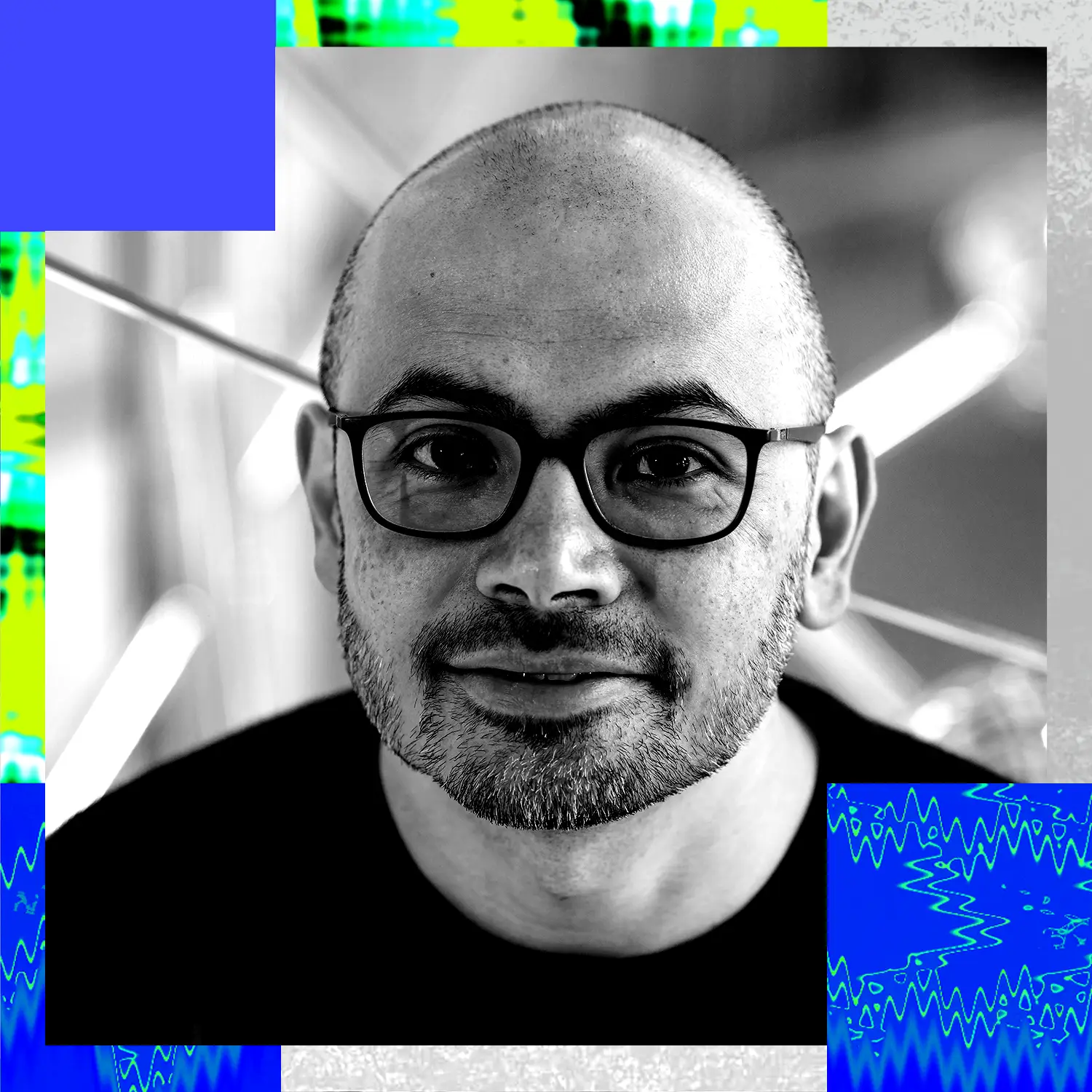
Demis Hassabis
CEO, Google DeepMind
Career highlights
- Awarded the 2024 Nobel Prize in Chemistry for his work developing AlphaFold, an AI model that predicts protein structures
- Conducted post-doctoral research at Harvard and MIT, and founded Elixir Studios, which produced video games
Why they made our list:
Hassabis leads the research lab behind Google’s most advanced AI systems. In 2025, DeepMind became central to Google’s AI strategy through its work on Gemini, the family of models powering Google’s search engine, email and document products, and developer tools. In November, Google released Gemini 3, which the company described as its most capable AI model to date, citing improvements in reasoning, planning, and multimodal capabilities, such as image generation. Beyond Gemini, Hassabis leads Isomorphic Labs, an AI-powered drug-discovery startup spun out of DeepMind, which raised $600 million in 2025 to deliver biomedical breakthroughs and advance drug design programs.
Feeding AI models with ever-increasing amounts of data, Hassabis said, will be key to unlocking superintelligence.
“The scaling of the current systems, we must push that to the maximum, because at the minimum, it will be a key component of the final AGI system,” Hassabis said at the Axios’ AI+ Summit in San Francisco in December.
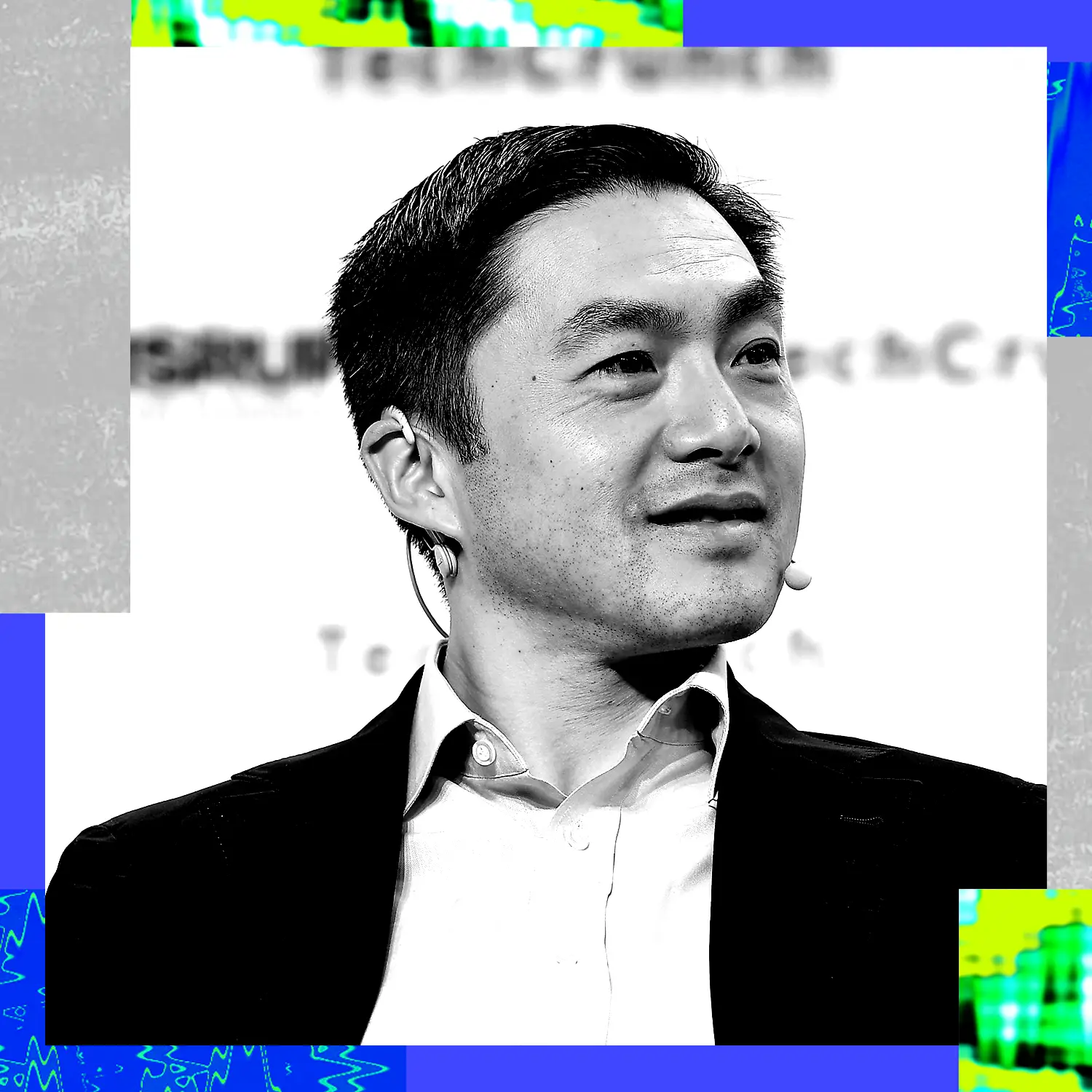
Alfred Lin
Partner, Sequoia Capital
Career highlights:
- Partner at Sequoia Capital since 2010, and former chairman, COO, and CFO of Zappos
- Former vice president of finance and administration at LinkExchange, an advertising service acquired by Microsoft in 1998
Why they made our list:
Lin invests in AI startups at one of the world’s most prestigious venture capital firms. As an early-stage investor in Nvidia, OpenAI, Google, and xAI, Sequoia is committed to backing the next generation of AI darlings. In late October, Sequoia announced two new early-stage funds totaling $950 million, inviting founders to create the “next Amazon of the AI era” as Series A bets on firms like Clay, Harvey, and n8n reach 10-figure valuations.
“Almost every single industry will be disrupted by AI,” Lin wrote in Sequoia’s October fund announcement.
Despite AI’s colossal potential, Lin approaches investing with care. In October, Lin publicly cautioned founders and investors against relying on what he described as “experimental revenue” when evaluating AI companies, urging them to prioritize durable products and sustainable revenue over pilots and short-term deals.

Aravind Srinivas
Cofounder and CEO, Perplexity
Career highlights:
- Former research scientist at OpenAI, focusing on generative AI models
- Angel investor in Cursor, ElevenLabs, and Mistral, among other AI startups
Why they made our list:
Srinivas challenges Google’s search dominance with Perplexity. In September, Perplexity, which the CEO calls an “answer engine,” raised $200 million at a $20 billion valuation, bringing its total funding to $1.5 billion in just three years.
Perplexity reported having an estimated 45 million active users in the second half of 2025. In July, the company rolled out Comet, an AI-powered web browser with agentic capabilities. Srinivas said Comet answered up to 18 times as many questions as Perplexity could alone.
The company also expanded Perplexity Enterprise Pro, its business tier with administrative controls and data protections, and it forged a partnership with US government agencies that use its tools. Together, these releases signal Perplexity’s push beyond consumer search and into business and productivity.
“Curious people get more done, and we’ve built a set of AI tools and assistants that help users do more with AI,” Srinivas told Business Insider.
Credits
Series Editors:
Julia Naftulin, Julia Hood
Editors:
Leena Rao, Rosalie Chan
Reporter:
Aaron Mok
Design and Development:
Rebecca Zisser, Randy Yeip
Social Producers:
Corina Pintado, Hannah Kennedy, Grace Lett
.credits-box {
border: 1px solid #d3d3d3; /* light gray */
padding: 20px;
border-radius: 8px; /* rounded corners */
max-width: 800px; /* optional: constrains width */
margin: 0 auto; /* centers the box */
background: #fff; /* clean white background */
}
.gi-credits {
font-size: 1rem;
}
.credits-header {
text-align: center;
margin-bottom: 1rem;
}
Read the original article on Business Insider
The post The AI Power List appeared first on Business Insider.