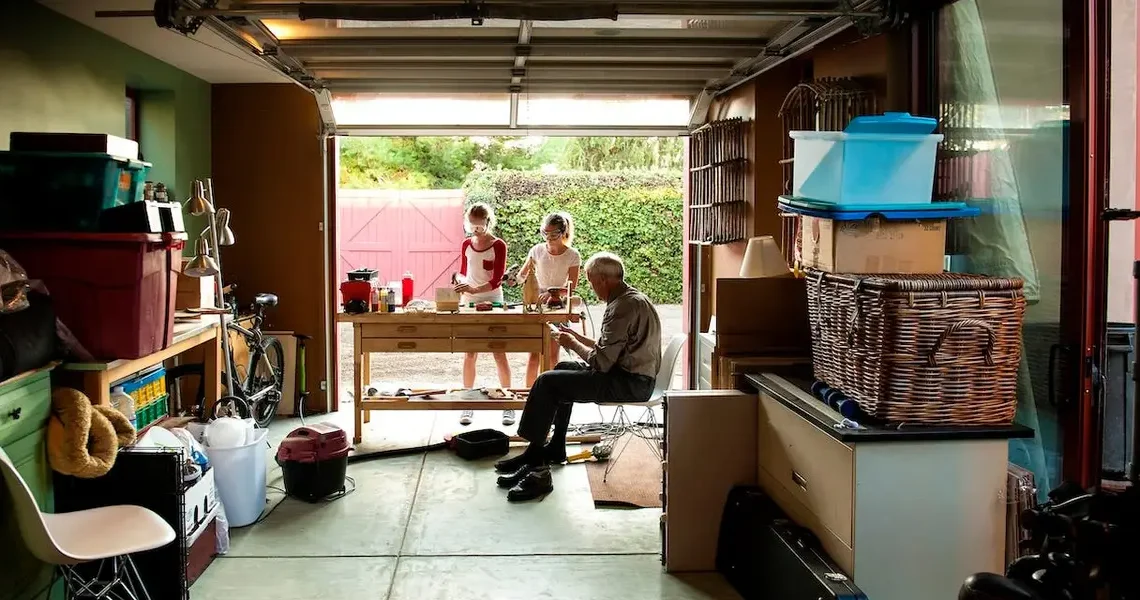
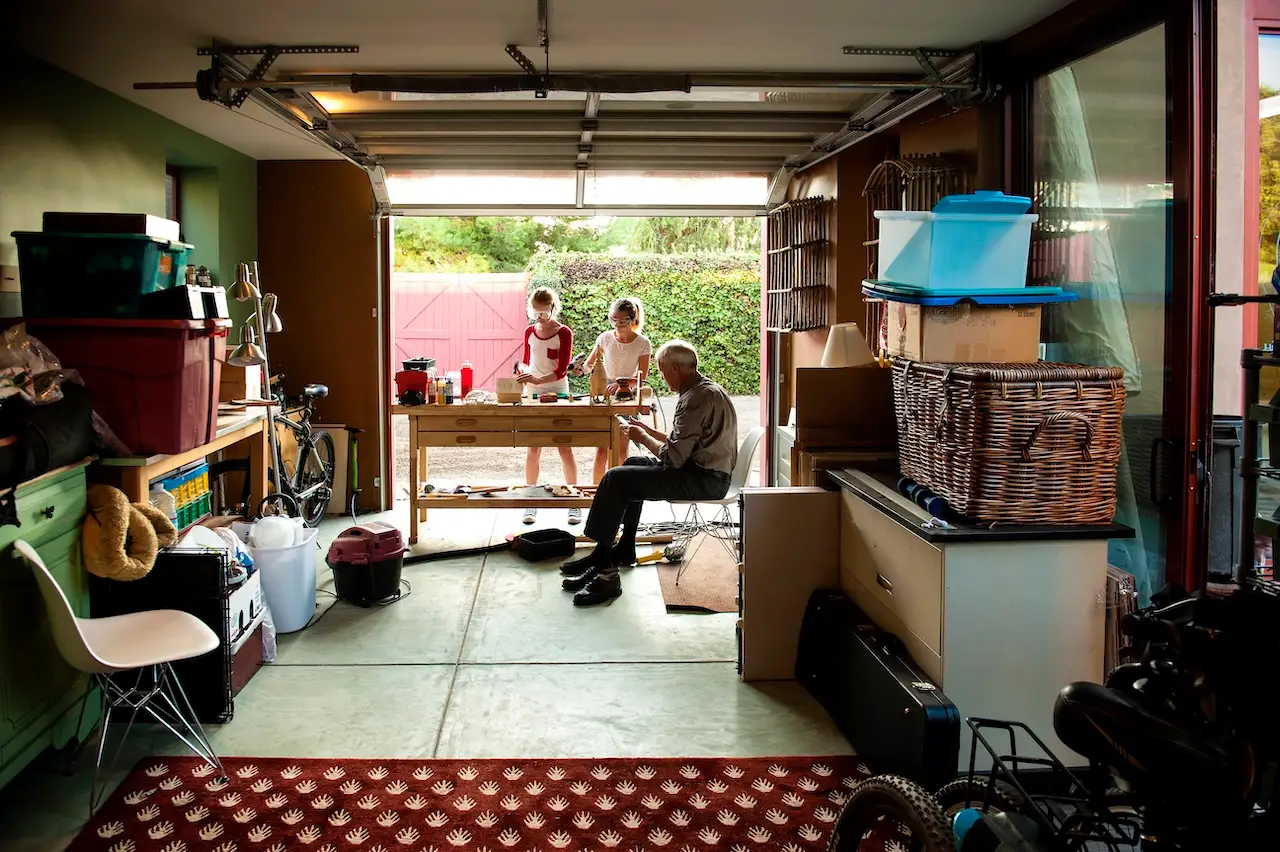
What’s old is new again — at least when it comes to living with family.
American families are increasingly moving back in together — or never separating in the first place. The number of people living in multigenerational households — or those with two or more adult generations — quadrupled between 1971 and 2021, according to Pew Research. The share of people in these living arrangements soared from 7% to 18% in that time period.
Homebuyers are increasingly choosing properties designed for multigenerational living, the National Association of Realtors found. Zillow similarly saw a nationwide rise in searches for accessory dwelling units, also known as granny flats, and in-law suites in 2025.
Cost savings are driving the trend. Families can split rent and mortgage payments, and save on childcare expenses and long-term care costs for older relatives. The arrangement can also help stave off social isolation.
Are you living in a multigenerational household or an intergenerational community? Reach out to share your experience with this reporter at [email protected].
While multigenerational living may not be the norm these days, it once was. Before World War II, it was almost unheard of for older adults to live independently or receive care outside of their families, while younger people often wouldn’t move out until they got married.
But that changed for millions of American families as they lived farther apart, independent living services for seniors became more accessible, and more women joined the workforce. And a growing number of older people don’t have family to rely on.
“We have more and more solo-agers who didn’t have children or didn’t get married or basically no longer have a relationship with their children,” said Bob Kramer, founder of the National Investment Center for Seniors Housing and Care.
For older people in particular, living with family or in other intergenerational arrangements can be life-saving, in part because it prevents them from growing isolated.
“The bottom line for solo-agers is that they need community,” said Sara Zeff Geber, a solo-aging consultant. “However creatively or traditionally they can work that out, that’s what they’re going to need if they’re not going to be lonely and isolated and uncared for in their homes.”
Intergenerational living — or sharing a home or community with unrelated people of varying ages — is one of those creative solutions.
On one end of the intergenerational living spectrum, an older homeowner could have a younger housemate in a cohousing arrangement. On the other end, purpose-built intergenerational communities or housing complexes are intentionally designed for both older and younger residents, often with communal spaces and programming.
A major 2024 report on intergenerational living highlighted examples of intentional communities, such as One Flushing in Queens, New York. The mixed-income complex has 231 apartments, 66 of which are reserved for older people, and a community center that brings local high schoolers in to help older adults with computer skills.
The researchers also pointed to nonprofit intergenerational housing communities in Oregon, Massachusetts, and Illinois that bring together older adults and foster families.
Still, costs remain a concern, particularly for middle-income people, who earn too much to qualify for needs-based government benefits but also struggle to afford market-rate options.
“The thing that’s concerning to a lot of us is that we really don’t have a lot of options for modest-income folks,” said Robyn Stone, a senior vice president at LeadingAge, a nonprofit that represents thousands of aging services providers, who contributed to the report.
Multigenerational or intergenerational living won’t appeal to everyone. There’s no one-size-fits-all housing solution for boomers, Gen Zers, or anyone in between, experts caution. People have vastly different needs, budgets, and preferences.
“I don’t think I would want to open my house to anybody if I were living alone,” Stone said. “But I think that I would want to have more of an intentional intergenerational community as I get older.”
Read the original article on Business Insider
The post Living with family isn’t a last resort anymore. It’s the plan. appeared first on Business Insider.