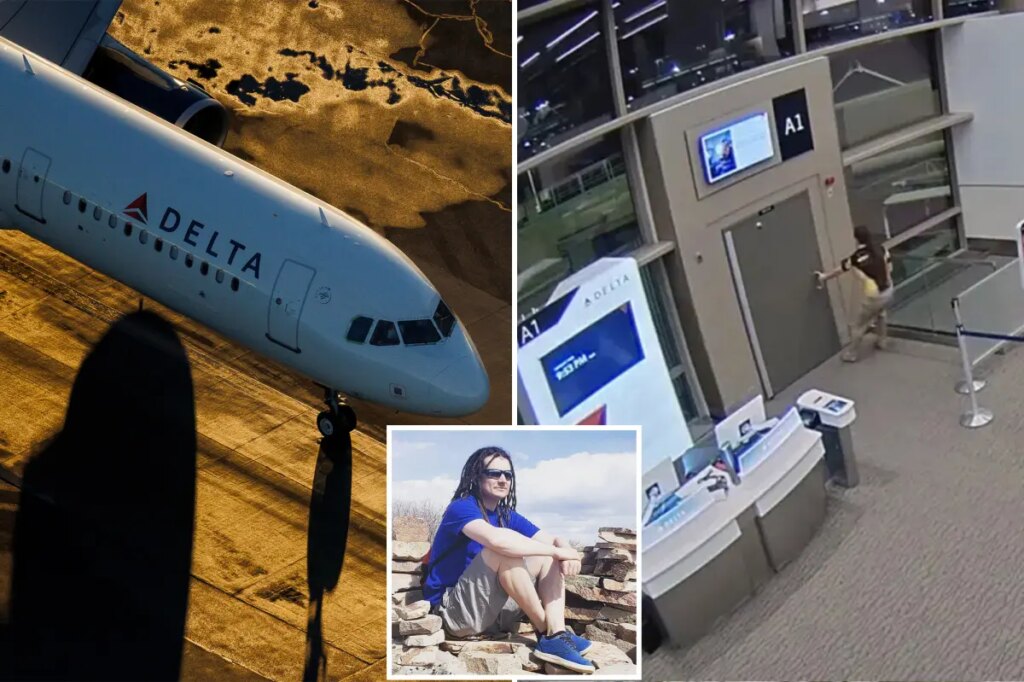
The parents of a disturbed airport traveler who was killed after crawling into an engine of a Delta plane have sued Salt Lake City, alleging their son’s death could have been prevented, according to a lawsuit.
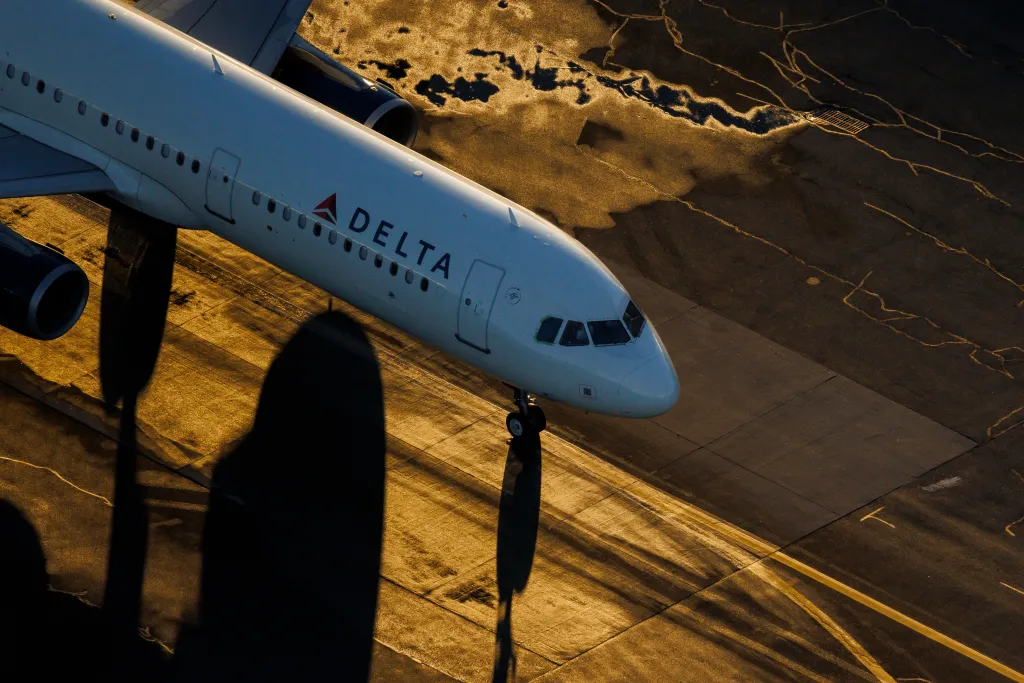
Kyler Efinger, 30, was discovered dead on New Year’s Day in 2024 after climbing into the turbine of the aircraft awaiting takeoff at Salt Lake City International Airport.
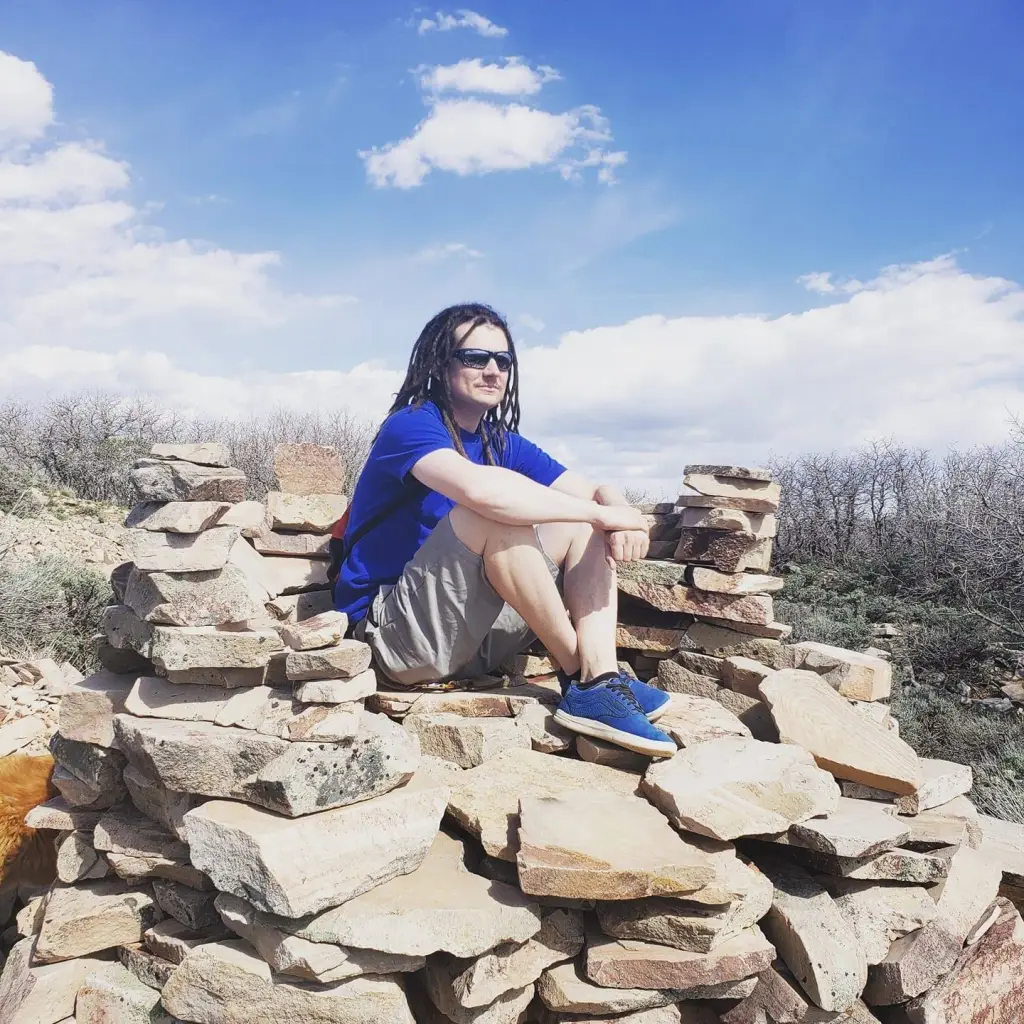
Efinger’s parents, Judd and Lisa Efinger, alleged in a lawsuit obtained by The Post that their son was experiencing an “obvious mental health episode” that should have raised alarm bells before he managed to reach the aircraft.
Efinger, a ticketed passenger from Utah, “was able to walk unimpeded through two emergency exit doors and onto the tarmac,” the lawsuit filed last Tuesday said.
“There, he was able to walk for nearly a mile and ended up in the area where airplanes were being deiced before takeoff,” the complaint continued.
He then managed to crawl into the plane’s turbine without any intervention and was killed, the suit said.
Efinger was diagnosed with Bipolar Disorder 10 years before his death, and “occasionally experienced episodes in which he became visibly disoriented,” according to the court paper.
He was showing “obvious” signs he was in a mental health crisis before he climbed into the engine, the lawsuit claimed.
At roughly 9 p.m., while waiting for his flight to visit his ill grandfather, Efinger slipped into a manic episode and began pacing back and forth on a walkway several times.
Less than half an hour later, he entered a Utah Jazz store and “had acted so unusually” that the manager took less money than the full price owed from him when Efinger purchased a jersey to “hurry up the transaction,” the filing detailed.
While in the store, Efinger left his bag behind, causing the manager to call Airport Operations.
Efinger then ran down the terminal toward the Jazz store without shoes and his shirt half unzipped as a member of Airport Operations came to pick up the bag, the filing alleged.
The manager reported hearing Efinger yell that his bag was being held “hostage” and that his “whole life is in there,” the document said.
He then demanded that the manager give him his $200 back, and the manager agreed so long as he returned the merchandise he purchased.
After Efinger grew more agitated, the manager and his associate became “uncomfortable” and called airport security — sending him running without his bag toward gate A1.
Airport staff did not take any additional steps to address Efinger, who had become “incoherent” and “agitated,” the complaint alleged.
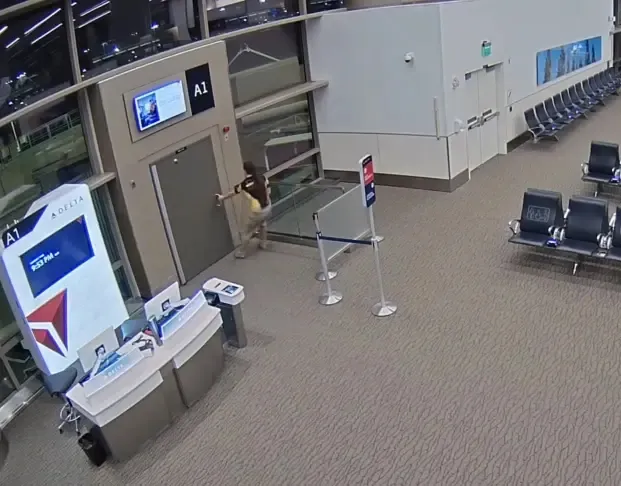
At roughly 9:52 p.m., Efinger tried to open a locked door to a jet bridge at a gate where a plane was docked, carrying his shoes in his hands.
An airport janitorial staff member then briefly spoke to him, with no noted consequences.
A minute later, he tried to open another locked gate door and fell in an “exaggerated manner” from the effort of pulling it, the filing said.
Efinger then allegedly got up and pounded his shoe against a window near the gate in view of the janitor.
He then managed to go through the emergency door of a gate leading from the Sterile Area of the terminal to the “apron/Secure Identification Display Area,” the complaint wrote.
That door was not equipped with the proper delayed egress locking system, which would have required someone who activated the bar to wait 15 to 20 seconds for the lock to deactivate.
“The City did not maintain any impediments to prevent a visibly disoriented person from freely accessing the tarmac, with all of its inherent dangers, without being noticed or tracked,” the documents said.
“Kyler’s pushing the bar of the emergency exit door should have given City personnel immediate notification of the exact time and location of that exit,” the lawsuit claimed, alleging that “The City’s employees and agents did not know where Kyler had exited or were unable to communicate the information clearly.”
Several minutes passed before authorities were allegedly able to find where Efinger had exited onto the tarmac, the complaint said, adding that there appeared to be confusion among dispatchers and officers.
Effinger made his way onto the runway and took off his pants and undergarments, leaving him in just a jersey and socks in frigid temperatures, the complaint said.
He eventually ran toward an Airbus aircraft that had started to taxi to the runway — as city personnel allegedly failed to warn air traffic controllers or pilots that a “disoriented person” was missing outside.
Efinger then climbed into the plane’s engine while it was still running. The engine blades pulled his dreadlocked hair.
He was killed by “blunt head trauma from his head being forcibly pulled against the blades of the engine,” court documents said.
The pilot of the plane noticed Efinger and was able to cut power to the engine — but the fatal damage had already been done.
Efinger would still be alive “if officers had located him 30 seconds sooner,” the lawsuit said.
The lawsuit accused Salt Lake City of failing to maintain safe premises and security systems and not properly notifying pilots, ground crew, and air traffic controllers that Efinger had been wandering loose on the tarmac.
“The notion that an airport was so dangerously designed and operated as to allow this sequence of events generated international attention and shock,” the lawsuit said.
Efinger’s parents are seeking damages exceeding $300,000 and a jury trial.
A spokesperson for the Salt Lake City’s mayor’s office did not immediately respond to The Post’s request for comment.
The post Parents of disturbed passenger who died after crawling into engine of Delta plane sue Salt Lake City appeared first on New York Post.