
As obesity rates soar in China, overweight adults are voluntarily signing up for so-called “fat prisons.”
These military-style boot camps are designed for rapid weight loss through strict diets, relentless exercise, and around-the-clock surveillance that prevents participants from leaving or sneaking in snacks.
China’s obesity crisis is growing fast. The number of obese children has quadrupled since 2000, and the government has said more than half of Chinese adults are overweight.
With its massive population, the country already has the world’s largest number of overweight or obese people.
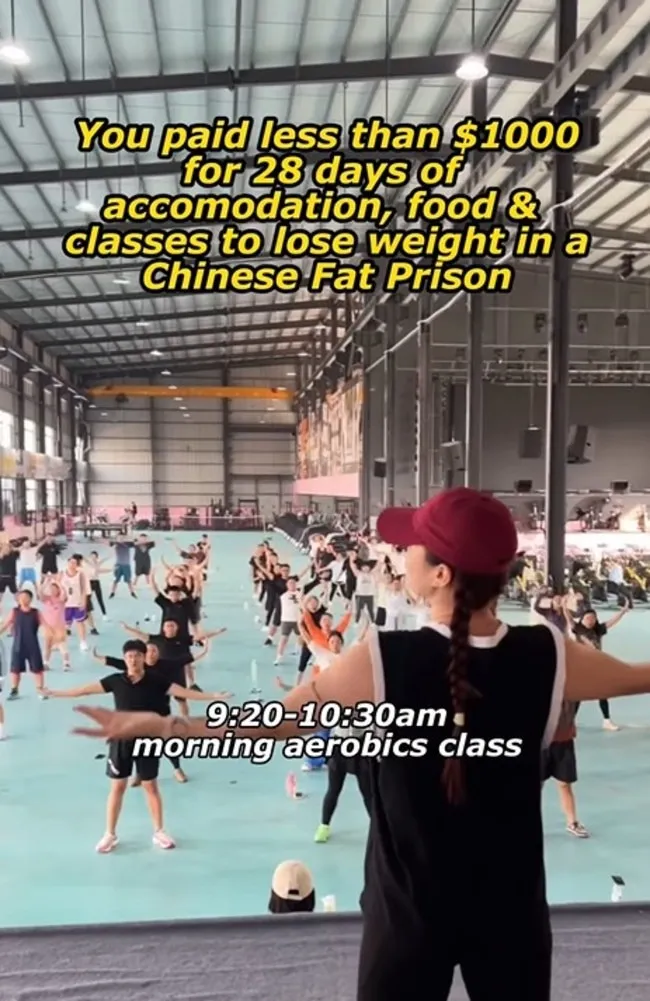
To tackle the problem, a booming industry of private and government-run bootcamps has sprung up in recent years.
More than 1000 facilities now operate nationwide, often repurposed from old schools or dormitories.
Participants willingly book themselves in – typically for a month-long stay – but once inside, leaving isn’t easy.
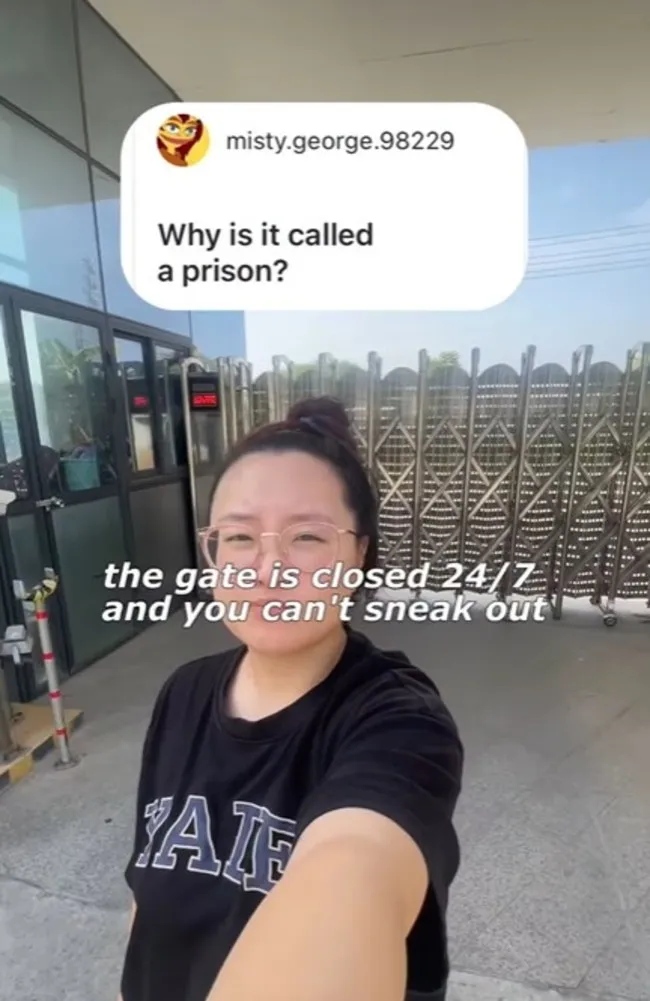
The facilities are fenced, with steel gates and even electric wiring to discourage dropouts, and exits are manned by security 24/7.
Two-week programs are available, but trainers encourage signing up for the full 28 days, claiming it produces the best results.
Many camps are open to foreigners, and speaking Mandarin or Cantonese isn’t essential.
Inside a ‘fat camp’
An Australian woman known online as Egg Eats has shared a rare glimpse into life behind the gated compounds with her 50,000 Instagram followers.
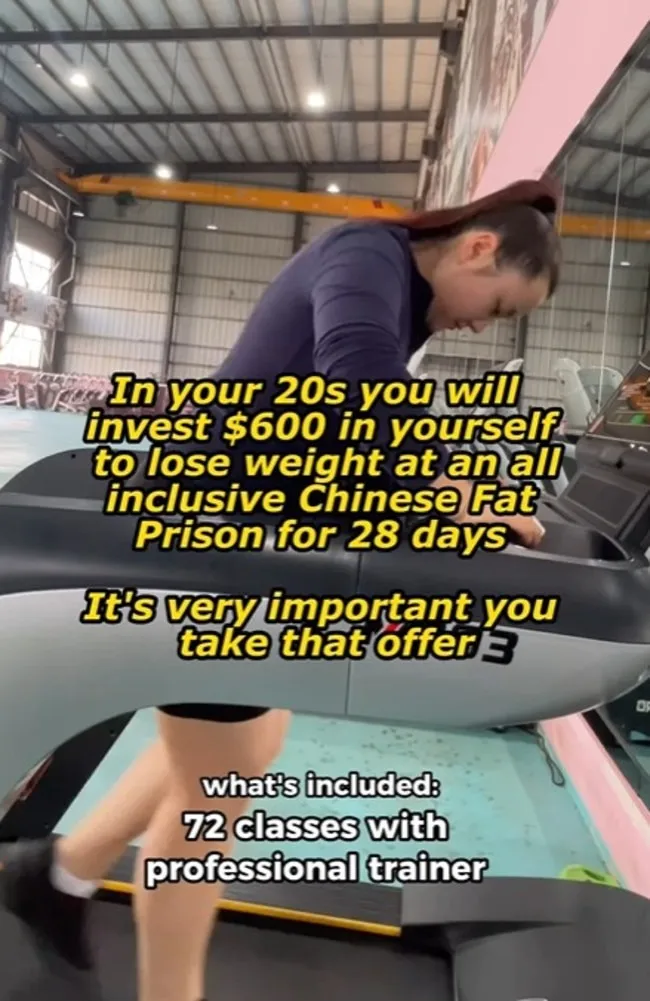
The 28-year-old documented her intensive daily schedule, from 7:30 am wake-up calls and weigh-ins to hours of spinning, boxing, and HIIT sessions.
By day seven, she said she’d lost 2.25kg, and by day 14, 4 kilos in total.
She paid $1500 for the month-long all-inclusive program, which includes four hours of exercise per day across 19 classes a week – or 72 classes in total.
Each participant is weighed twice a day – once in the morning and again at 7:30 pm.
Meals are portioned by staff and served on metal trays, typically a small breakfast of bread, fresh vegetables, and boiled eggs, followed by Chinese-style lunches and dinners of vegetables, meat, and rice.
The meals are designed to replicate everyday Chinese food so that once participants get out, they don’t binge eat.
Seconds are allowed, but snacking is banned.
Trainers regularly conduct room checks, confiscating hidden food, or, as Egg Eats calls it, “contraband carbohydrates,” and issuing warnings to rule-breakers.
Dorm rooms sleep up to five and include shared bathrooms, outdoor laundry, personal desks, and basic storage.
On Sundays, participants are given a break, but they must attend the evening spin session.
Despite the strict regime, the Aussie says she doesn’t regret signing up and says she’s made plenty of friends along the way.
Influencer died in 2023
While these bootcamps have grown in popularity, they’re not without controversy.

In 2023, 21-year-old influencer Cuihua died after joining one of the northern China camps in an attempt to halve her body weight.
Cuihua, whose family name is Zhou, weighed 156kg and shared her weight-loss journey on Douyin (China’s TikTok), inspiring her followers before her sudden death.
State media reported she had attended several camps across different cities, losing more than 27kg in two months.
Experts warn of extreme programs

Associate Professor Pan Wang from the University of New South Wales said the government should monitor and regulate diets and workouts that could be potentially dangerous.
“The beauty industry is booming, and the concept of thinness has become a kind of social capital,” Dr Wang said.
“Businesses like weight-loss camps are profiting from it.”
What’s behind the obesity epidemic in China?

China’s obesity epidemic may be linked to rising disposable incomes, increased consumption of high-calorie foods and deep-fried meals, and more sedentary, high-stress lifestyles.
In 2024, the Chinese government launched a three-year campaign to combat obesity, urging schools to cut down on fat, sugar and salt in canteen meals and employers to promote workplace fitness.
Under the plan, all primary school students must now complete at least two hours of daily physical activity.
The post Overweight adults are signing up for China’s military-style ‘fat prisons’ — where fitness can be fatal appeared first on New York Post.