CARACAS, Venezuela — Like many other Venezuelans, Ramón Arape said the image of ex-President Nicolás Maduro in U.S. custody was a stunning — and welcome — sight.
“I confess that I felt a sense of relief when I saw the photo of Maduro in the hands of los gringos,” said Arape, 59, a welder and father of three.
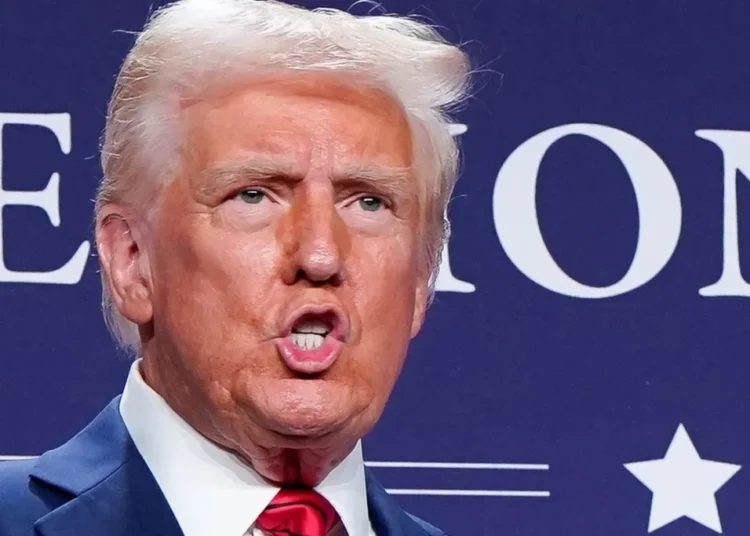
Less reassuring, however, were President Trump’s comments about Washington’s determination to take over the government and the oil industry, the nation’s defining natural resource.
“We’ve already had it with outsiders — Cubans, Iranians, Chinese — and now the Americans come along and want to name leaders and sell our oil?” said Arape, referring to a series of foreign allies sought out by the socialist governments of Maduro and his predecessor, the late Hugo Chávez. “It’s a violation of law and sovereignty.”
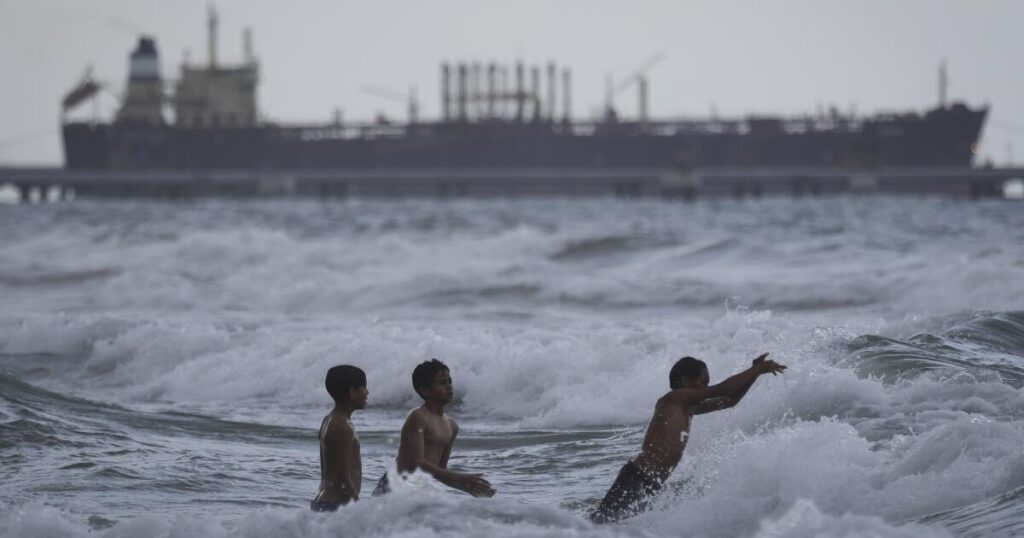
Many Venezuelans are hoping for a deliverance, but not, it seems, at the cost of selling off the country’s riches. How that plays out with Trump’s view that Venezuela “stole” a U.S.-built oil industry is one of the big questions as Washington embarks on a massive nation-building endeavor in South America.
Like many other nations, Venezuela nationalized its oil industry in the 20th century, a process begun in the 1970s under a U.S.-allied government in Caracas. Several U.S. oil giants later made claims of illegal expropriation against the government of Chávez, Maduro’s mentor. But few here seemed inclined to believe in Trump’s assertion, made on social media, that Venezuela must return “all of the Oil, Land and other Assets that they previously stole from us.”
Sunday was just a day after the shocking events that saw U.S. forces sweep into the capital and snatch Maduro and his wife, Cilia Flores, from Miraflores Palace, the seat of government, and fly them out of the country — and, eventually, to New York, where both face drug-trafficking charges. Both deny the charges, calling them U.S. propaganda.
Venezuelans with internet access had the opportunity to view the unlikely image of Maduro, bundled up for distinctly non-tropical temperatures and flanked by federal agents, doing a perp walk at a military base in New York and apparently telling onlookers: “Happy New Year.”
In the Venezuelan capital, life was slowly returning to a semblance of normalcy on Sunday, albeit on a weekend pace.
Cars and some public transport circulated on streets that had been deserted the day before. People ventured cautiously from their homes after spending much of Saturday indoors, fearing the explosions and a potential aftermath. Many went to church in this overwhelmingly Roman Catholic nation. Sermons called for peace.
There was a palpable sense of relief that the threat of war had abated, at least temporarily. Many were still absorbing the almost unbelievable turn of events that has surely transformed the nation’s future — albeit in still unpredictable ways.
But there was an overriding determination, among both supporters and critics of the ousted president, that the country’s oil and other resources were sacrosanct, and not to be handed over to the United States — or anyone else.
“Really it was very emotional to finally see Maduro and Cilia handcuffed and prisoners,” said Fernando González, 29, a plumber who says he supports Marína Corina Machado, the Nobel Peace Prize laureate and longtime opposition leader. “Those two have to pay for their crimes. For that we thank Trump. But that’s not to say we are in agreement with everything he seems to want to do.”
The president’s determination to “run” Venezuela — and take over its oil — didn’t go down well with González, a fervent nationalist in a country with a long history of nationalist activism.
“This is all a farce if they get rid of Maduro just to appropriate and sell the oil,” he said. “It can’t be that way. We want progress, change, but a transition led by Venezuelans. It can’t all be at the will of the Americans.”
González saw a role for the United States: “To help us deal with this social drama of an impoverished country.” But, he added: “They must respect our will.”
Arape, the welder, summed up the sentiment of many. “We didnt go through all this so that Trump can name his people and take over our oil,” he said.
On Saturday, Trump had said, “We’re going to run the country until such time as we can do a safe, proper and judicious transition.” On Sunday, however, administration officials walked back that statement, saying the U.S. would pressure the Venezuelan governmentto acquiesce to U.S. demands.
Secretary of State Marco Rubio said the threat of more military action would serve as “leverage” over the Venezuelan government.
In Caracas, confusion about the future was a prevalent sentiment, among both critics and supporters of Maduro.
“We would like to know who is really in charge,” said William Rojas, 31, a father of two who lives in the El Valle district, long a Maduro stronghold.
In his news conference Saturday, Trump said that Maduro’s vice president, Delcy Rodríguez, had been named interim president, a fact seemingly confirmed Sunday by Telesur, the government broadcast outlet. But Rodríguez, in an address Saturday from Miraflores Palace, demanded that Washington return the “kidnapped” Maduro, whom she called the “sole” president of the country.
“Delcy Rodríguez says that Maduro remains the president, but he’s no longer here,” said Rojas. “And how were they able to whisk him away? Who betrayed our president?”
He added, “We can’t live with the idea that the ones who really govern us are Trump and Marco Rubio! We are totally confused.”
Amid all the prevailing ambiguity, authorities called on people to revert to everyday patterns — as though Maduro were still around.
There were still no official casualty counts from Saturday’s raid. In an address, the defense secretary, Gen. Vladimir Padrino López, called the operation a “cowardly kidnapping” that was carried out “after cold-bloodedly assassinating a large part of the president’s security detail, soldiers and innocent civilians,” according to Telesur.
Padrino urged Venezuelans to return to their jobs and to school, adding, “I call on the Venezuelan people to peace, to order, to not fall to temptations or a psychological war, to threats, to the fear that they want to impose upon us.”
Special correspondent Mogollón reported from Caracas and staff writer McDonnell from Boston.
The post In Venezuela after Maduro, a common refrain: The oil is ours appeared first on Los Angeles Times.