
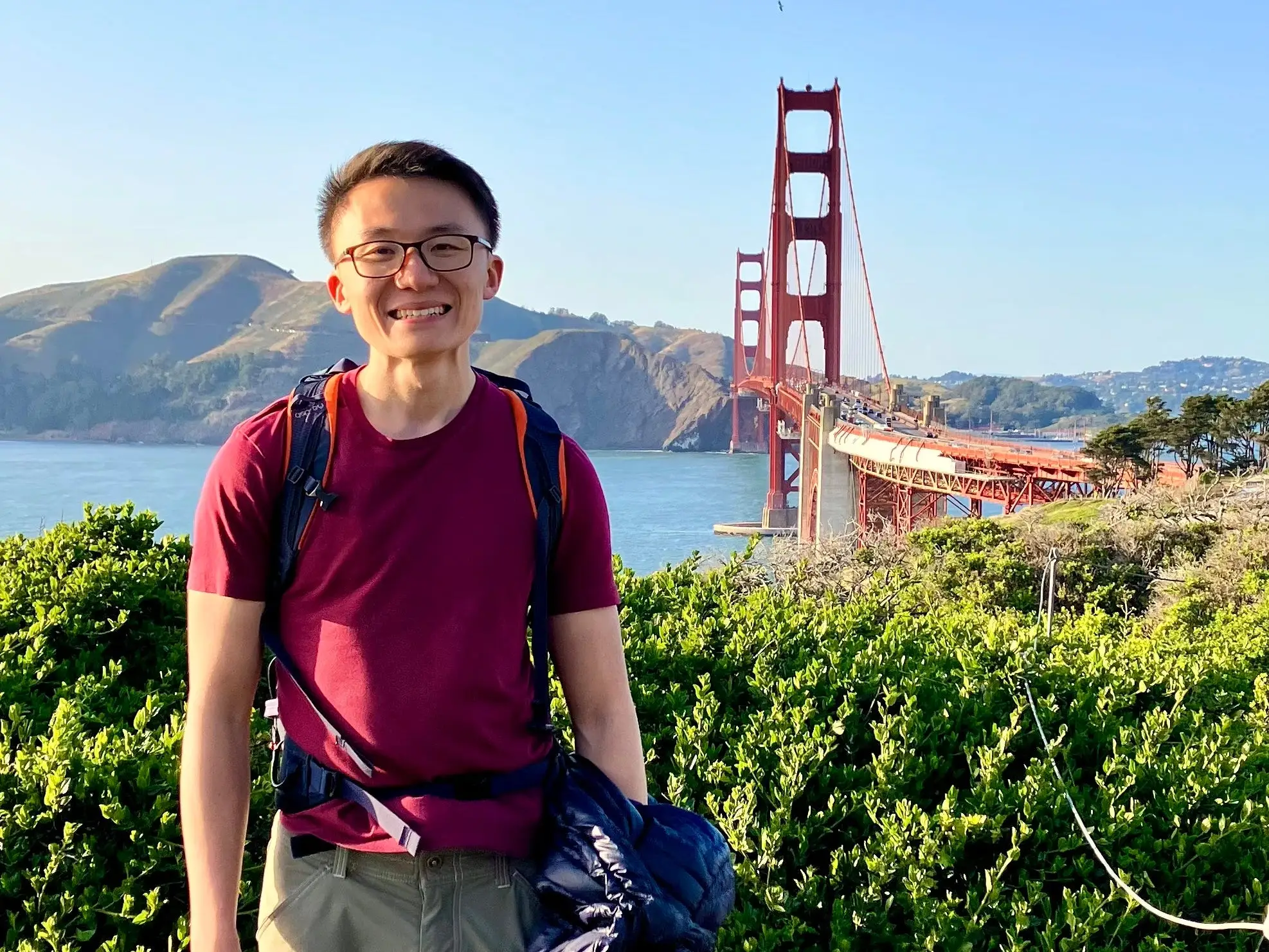
This as-told-to essay is based on a conversation with Nathan Wangliao Yinan, the CEO and cofounder of Singapore-based AI startup Havana. The conversation has been edited for length and clarity. Business Insider has verified his employment history.
After university, I didn’t have the risk appetite to start something immediately. I joined McKinsey in the UK in 2018 because they actively encouraged me to do something different after two years there.
I was at McKinsey for slightly under three years. I met a lot of people who were from different walks of life, and that made me feel it’s OK to go and do different things.
My first manager had been a doctor in the UK who left practice because she felt the healthcare system was broken. She joined McKinsey to do healthcare work. One of my favorite bosses had been in the US Marines and went to Iraq. He did an MBA and joined the firm after that.
I moved back to Singapore during the COVID-19 pandemic, and McKinsey became less fun because everything was remote. The thing I enjoyed most — the people — began to decline.
I knew I wanted to start something, but I realized I was pushing it off because it was hard to make a move during the pandemic. At some point, it felt like I was doing my job out of inertia.
From McKinsey to startup life
I left McKinsey in 2021 at the age of 27 and worked at a Singapore-based AI startup for two years, leading the go-to-market strategy.
I went from being in a huge office with all kinds of perks to being in a coworking space with just two other people, and we had to figure everything out from scratch.
I told my founder in the first month, “Maybe I should just go back to McKinsey because this feels too scary.” I don’t know if the company will be around in a year. What if I need to look for a job?
A lot of it is irrational because, honestly, we raised a lot of money, and we were a good company, and I’m sure I could find a job.
The startup was acquired in 2023, and I cofounded Havana, a startup specializing in AI agents for student recruitment and enrollment teams.
I was told that the most important and hardest thing in a startup is managing my own psychology.
It’s not learning how to build a new product or how to sell. If you are able to manage your psychology, then you will have the morale to learn all these things. As long as you work hard and you’re capable, anyone can figure these things out. Most people, at some point, lose morale, or they just feel like it sucks too much.
There are a lot of things that can distract you. You can think, “Oh, my other friends are doing X, Y, Z, and their life seems easier.” You have to learn to shut down these distracting thoughts when you are in a career with a lot of openness and uncertainty.
Unlearning habits from consulting
The most important skill I learned at McKinsey is how to navigate clients.
Typically, they are more senior and older than us. They have multiple departments, and you need to know how to run a meeting efficiently and understand everyone’s needs. The startup that I’m running now sells to universities, which are bigger than us, so that’s a useful skill.
Consulting also trained me to be organized and structured. I learned to prioritize ruthlessly and do things fast because timelines are always tight.
There are also some things I had to unlearn. Consultants are trained to overanalyze and rely on data to figure out the most optimal solution. That’s OK for big companies.
In a startup, when you’re trying to make decisions, you’ll never have enough data. You just have to have the guts to do one thing. If it doesn’t work, go and do the second thing.
When I first left consulting, I struggled with that. I would take a bit too long to try to get data, talk to more people, and read more books before choosing the right path.
Early on, we conducted customer interviews before building the product. My cofounder and I would spend a lot of time discussing: Is this the pain point we want to solve? Does this feel big enough? What’s the first version of the product we should build?
It’s very ambiguous, like trying to get some kind of instinct through research. Over time, we began building the product and attracting customers, and then a bit more rhythm emerged.
Now, I don’t feel like I have to have all the knowledge. I’m comfortable taking risks and making decisions.
As a startup founder, I’ve also gotten a lot more comfortable with speaking more. When I was at McKinsey, my managers would say I needed to speak up more in meetings and show senior leaders that I was the one who did the work.
If you run a business and are the only non-technical founder, you have to talk to customers every day. They expect you to show up with a point of view.
Do you have a story to share about building a tech business in Asia? Contact this reporter at [email protected].
Read the original article on Business Insider
The post I left McKinsey in my 20s for startup life. Being a founder taught me to stop overanalyzing and speak up more. appeared first on Business Insider.