The Department of Health and Human Services is endorsing self-collected vaginal samples for cervical cancer screening and requiring most private insurance plans to cover testing without cost sharing.
The Health Resources and Services Administration, an agency within HHS, announced updated cervical cancer screening guidelines Monday that expand screening options to include self-collection to test for human papillomavirus, or HPV, a sexually transmitted infection that causes nearly all cervical cancer cases. The new guidelines also aim to lower out-of-pocket costs for screening that could deter people from getting care.
“The guideline is designed to help close the screening gap by expanding access and reducing cost barriers,” a spokesperson for HRSA said. “About one in four women are not up to date on cervical cancer screening, and the disease often has no symptoms in its early stages, making regular screening critical.”
HRSA’s updated guidelines recommend cervical cancer screening for average-risk women ages 21 to 65. Women 21 to 29 years old should screen using a Pap test every three years, according to the agency. Women ages 30 to 65 should be screening for HPV every five years or with a combination of an HPV test and a Pap smear every five years. Self-collected tests approved by the Food and Drug Administration should be offered as a screening option for women ages 30 to 65 who are at average risk, the new guidelines say.
This inclusion of FDA-approved self-collected vaginal samples largely mirrors updated screening guidelines released by the American Cancer Society in December. While some specifics differ between the two sets of recommendations, experts say these updates and increased awareness of cervical cancer are critical.
“Cervical cancer is a highly preventable disease,” said Robert Smith, ACS senior vice president of early cancer detection science. “Yet, despite all the progress we’ve made in the U.S. reducing the incidence and mortality from cervical cancer mainly through screening, recent reports indicate that up‐to‐date cervical cancer screening rates have declined since 2021 and, notably, have not rebounded in the post-pandemic period.”
About 13,000 new cases of cervical cancer are diagnosed in the United States every year, and about 4,000 people die, according to the Centers for Disease Control and Prevention.
Some experts have hailed self-collection as a potential “game changer” for increasing screening.
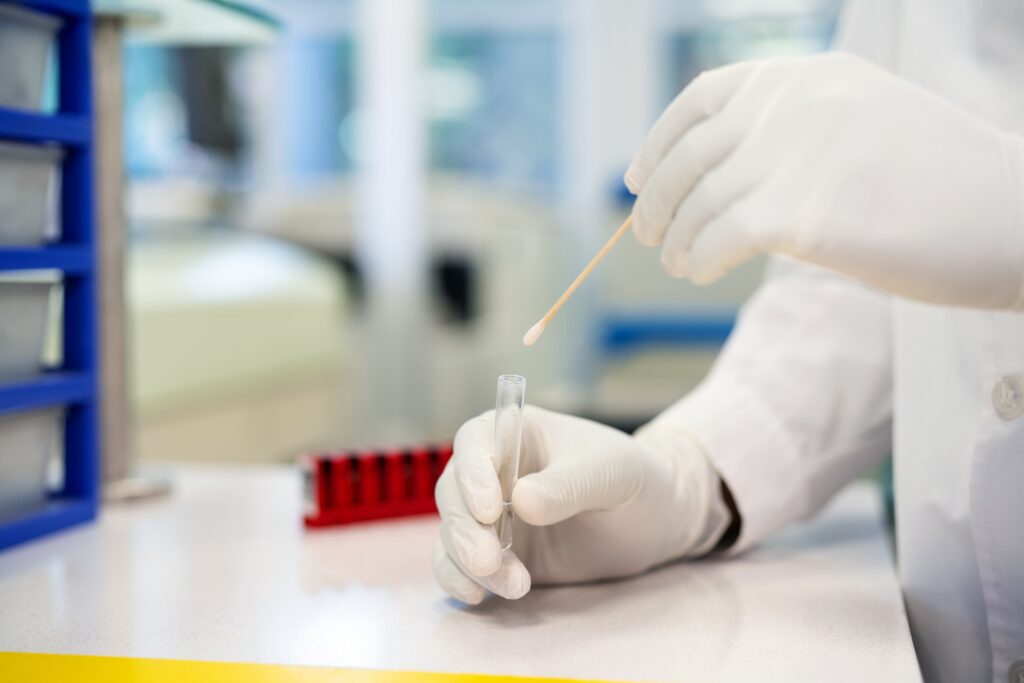
In May, the Food and Drug Administration approved the first at-home screening tool to detect cervical cancer: a wand developed by Teal Health that allows patients to self-collect a vaginal sample and mail it to a lab for testing. But because at-home screening tools are still limited, a self-collected vaginal swab is typically done in a clinical setting, such as during a visit to your primary care physician or family doctor.
The post Expanded cervical cancer screenings to be covered by most private insurance appeared first on Washington Post.