New year, new foods? Hold on a minute.
Whether you’re going all in on healthy eating with a new diet or sticking to what you know and love, we often don’t think about food safety.
But two foods in particular could mean risky business for your health, according to one food scientist.

While food poisoning can have many sources, certain foods can make mealtime seem like playing a game of intestinal roulette.
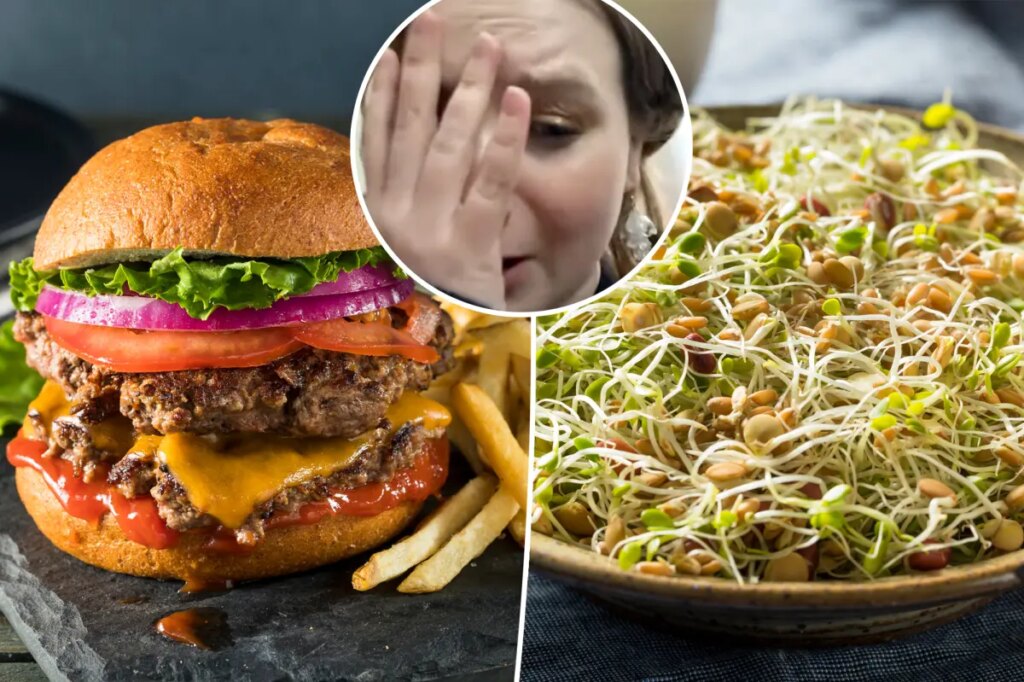
But Roxanne Smith, a food scientist and content creator, shared on TikTok her two no-go’s: raw sprouts and rare burgers.
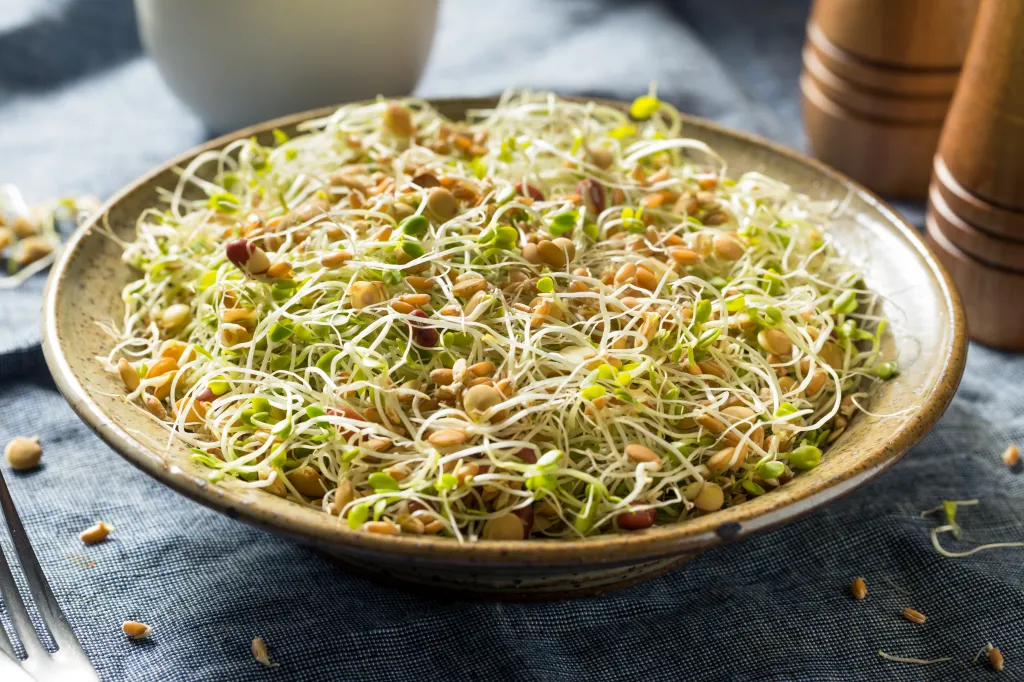
If you’re thinking of sprucing up a sandwich or salad with some bean sprouts, you may want to reconsider.
The germinated seeds do pack a nutritional punch, full of nutrients like vitamins A, C and K as well as folic acid, B vitamins and antioxidants.
But the benefits may not outweigh the risks, as any type of sprouts — mung bean, alfalfa, broccoli or mustard greens — carry the potential of foodborne bacteria.
These bacteria, such as Salmonella and E. coli, thrive in warm, moist environments, which Smith likens to your besties on spring break.
“They’re thirsty,” she said. “Sprouts are grown in the ground in the warmest, most moist, humid, wet environment you can imagine.”
And if the veggies aren’t washed or cooked properly, they can cause illness with symptoms like diarrhea, vomiting and fever, to name a few.
Sprouts aren’t the only culprit of potential poisoning, though.
Dark, leafy greens might seem synonymous with health, but they can also be breeding grounds for bacteria.
Other vegetables, like tomatoes, onions and even the trendy veggie of 2026, can be pathways for health risks.
But vegetables aren’t the only ones with lingering dangers.
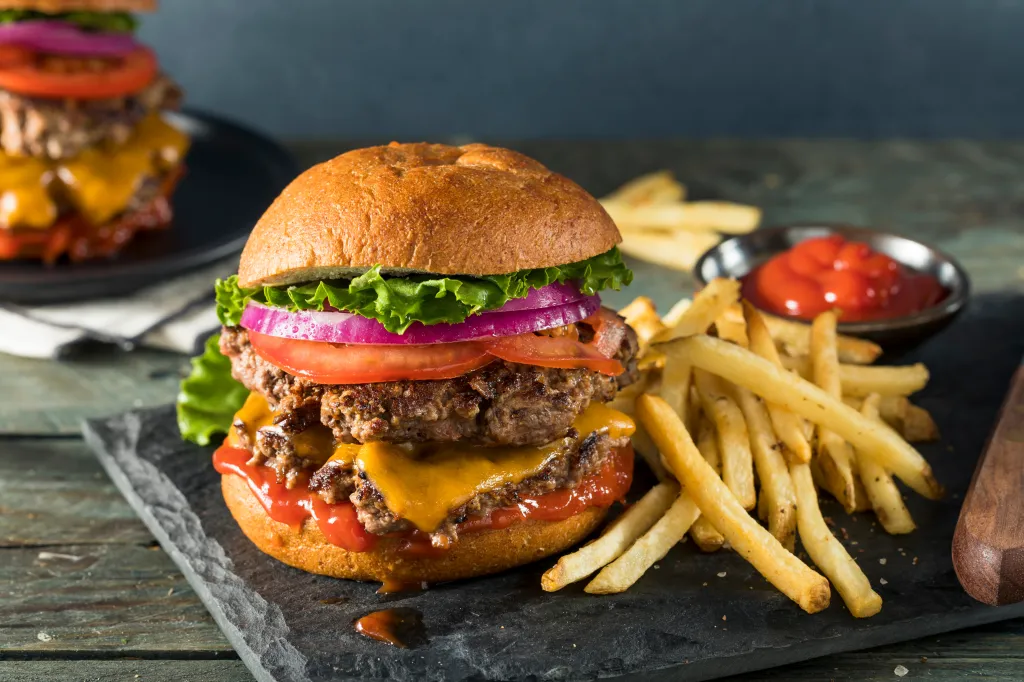
Be careful of how you cook your burgers, as Smith says she avoids ones more on the raw, rare side.
This isn’t just because of the cooking method, but rather how the meat is prepared before being thrown on the grill.
Some cuts of meat go through a process known as mechanical tenderization, where they’re pierced with needles or sharp blades to get a more tender finish.
But this can come with health risks, as the needling or blading pushes bacteria further into the meat.
The best way to ensure all the bacteria are properly killed? Make sure the meat is cooked to an internal temperature of 145°F with three minutes of rest time.
Smith also points out that the food itself isn’t the only source of contamination we should be wary of.
“You have to think too when you’re handling high-risk food, all of that moisture that’s carrying all that bacteria could get on your kitchen supplies as well and your counters and your sink and lots of other things,” she added.
Make sure to thoroughly wash not just your hands but all surfaces the food touched, and keep any raw meat away from prepared foods.
The post I’m a food scientist and these are 2 high-risk foods I won’t eat — sorry, you’re going to hate me appeared first on New York Post.