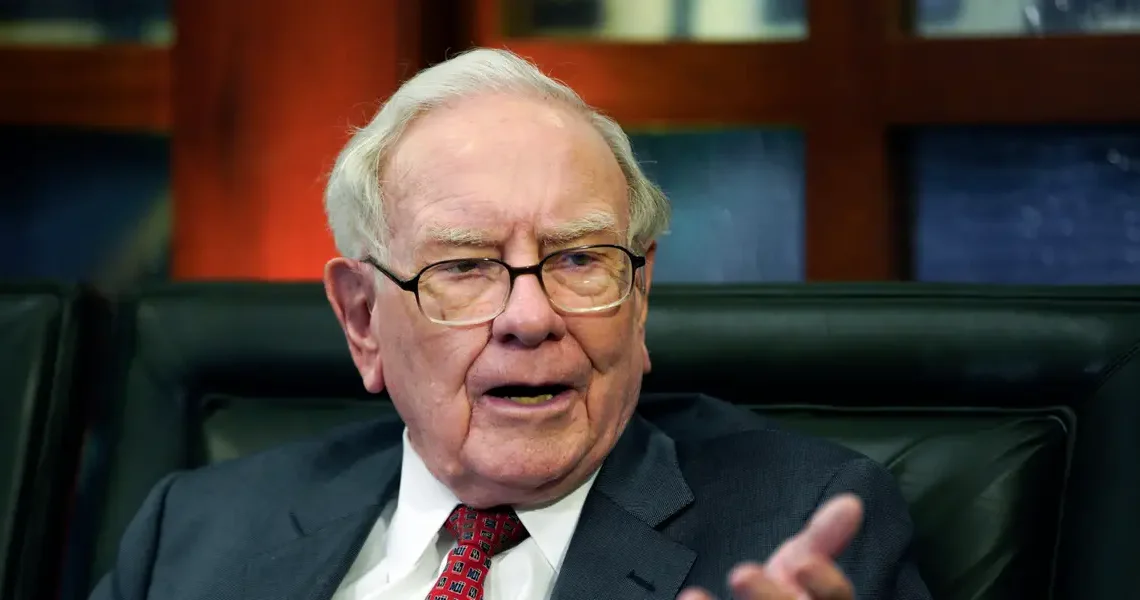
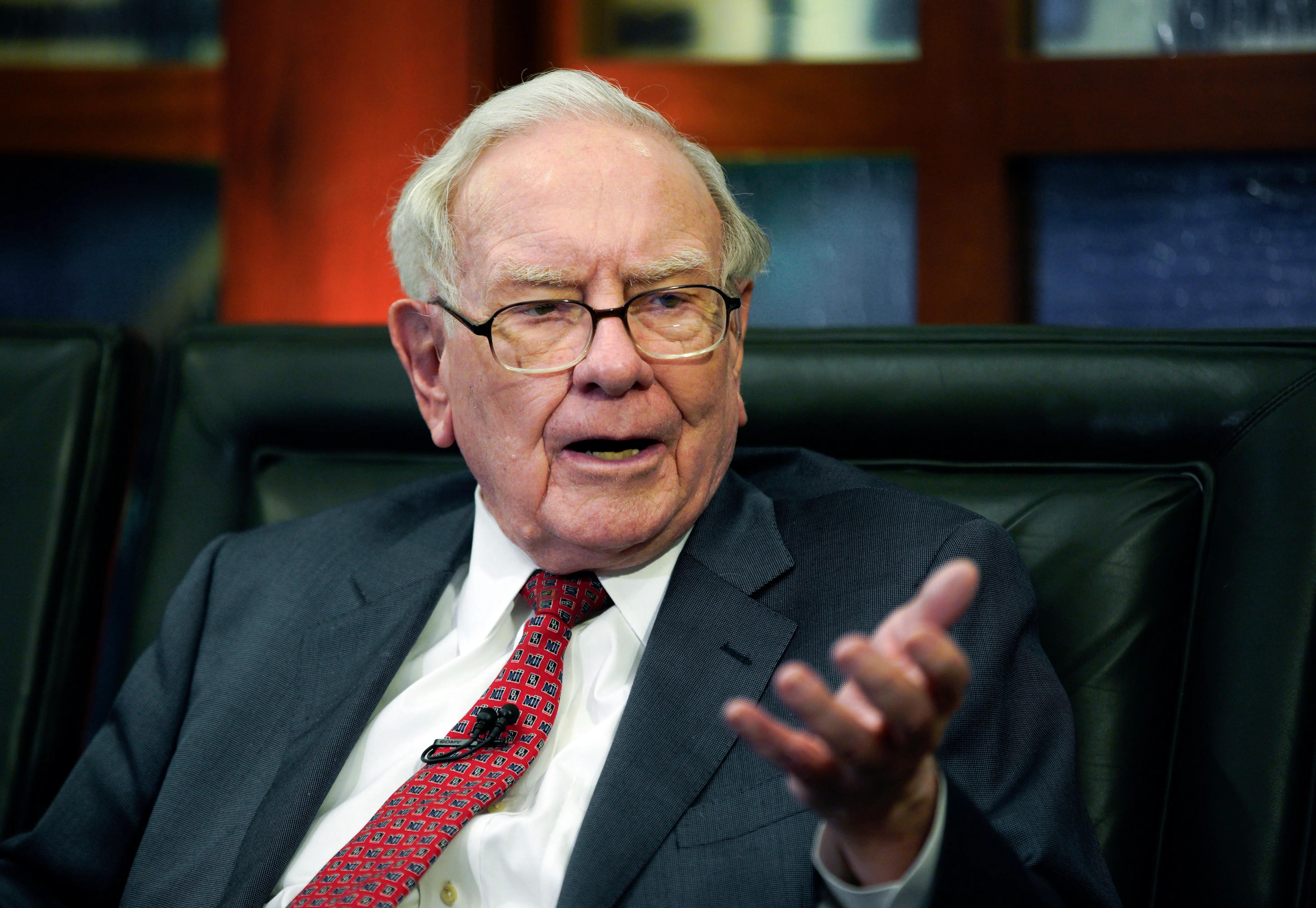
Warren Buffett has officially retired as Berkshire Hathaway’s CEO after six decades in charge. Close watchers say Greg Abel, who took the reins on New Year’s Day, faces three key challenges.
1. More money, more problems
Abel’s biggest hurdle will be “finding a way to intelligently allocate” Berkshire’s vast and growing cash pile, Alex Morris, the author of “Buffett and Munger Unscripted” and the founder of investment research service TSOH, told Business Insider.
Berkshire’s trove of cash, Treasury bills, and other liquid assets recently breached $350 billion — a figure that exceeds the market values of Home Depot, Procter & Gamble, and General Electric.
Read more about the leadership transition underway at Berkshire Hathaway:
- 6 highlights from Warren Buffett’s last year as CEO
- Berkshire Hathaway is seeing its biggest shake-up in decades. Warren Buffett watchers say it’s just the start.
- Read Todd Combs’ goodbye letter to Geico employees after he quit Berkshire Hathaway to join JPMorgan
Abel could use Berkshire’s war chest to fund stock buybacks, acquire other businesses, or pay dividends to shareholders, Morris said.
Yet Buffett hasn’t found any of those to be fruitful avenues in recent years. Berkshire hasn’t repurchased shares in its past five reported quarters, only paid a dividend on one occasion under Buffett, in 1967, and has made few material acquisitions in the past 15 years.
As a business icon and legendary investor, Buffett was given “more of a pass” by Wall Street and Berkshire shareholders for hoarding cash than Abel is likely to receive, Morris said.
“Finding a solution here is challenging,” he continued, before suggesting Abel might consider a one-off special dividend.
2. Juggling duties
Prior to becoming CEO, Abel headed up Berkshire’s non-insurance businesses, including Berkshire Hathaway Energy and the BNSF Railway.
Abel is recognized as a world-class operator, but that’s “fundamentally different from identifying accretive acquisitions in the public and private markets,” Luke Rahbari, the CEO of Equity Armor Investments, told Business Insider.
Buffett and his late business partner, Charlie Munger, designed Berkshire as a web of decentralized, autonomous subsidiaries, freeing them to spend much of their days reading corporate filings and searching for compelling investments.
“Greg Abel will not have the time to do this,” David Kass, a finance professor at the University of Maryland, told Business Insider.
Kass said the new boss will have a “full plate” overseeing Berkshire’s subsidiaries, including insurers such as Geico for the first time, managing its roughly $300 billion stock portfolio, and making major allocation decisions outside of the company including acquisitions and other deals.
3. Navigating a unique company culture
Buffett and Munger built Berkshire’s culture around core values such as trust, honesty, patience, discipline, and long-term thinking.
They delegated “almost to the point of abdication,” they told shareholders in their Owner’s Manual. The company had nearly 400,000 employees at the end of 2024, but only 27 worked in its Omaha headquarters, per its latest annual report.
Abel is expected to be a more hands-on manager than Buffett. He’s already announced several leadership changes, including the appointment of Berkshire’s first general counsel and a new divisional president.
“The challenge will be institutionalizing the culture while professionalizing a headquarters that has historically been intentionally lean,” Rahbari said.
He added that Abel doesn’t have Buffett’s track record and will have to earn the trust awarded to his predecessor.
“Abel will have to navigate complex relationships with subsidiary management teams where the ‘loyalty discount’ previously given to Buffett may no longer apply,” he said.
Read the original article on Business Insider
The post Warren Buffett’s reign as Berkshire Hathaway CEO is over. New boss Greg Abel faces 3 big challenges in his wake. appeared first on Business Insider.