Small changes tend to be easier to make and can turn into habits with big health benefits, research shows. Here are some that we gathered from studies and experts to help you improve your health in the new year.
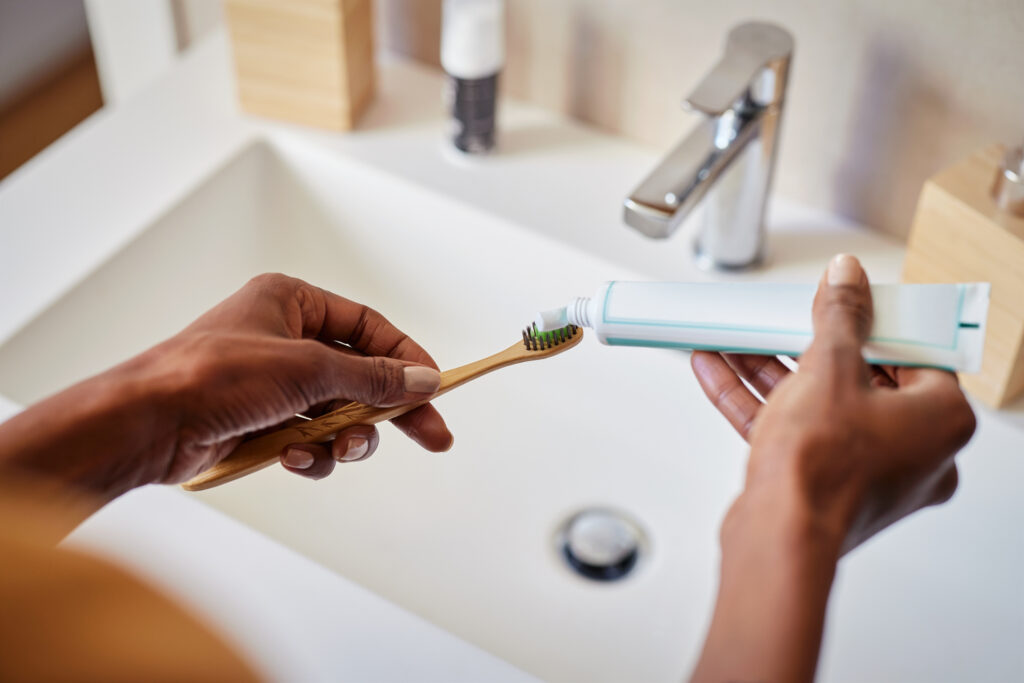
1. Brush your teeth before and after breakfast
We all have our morning routines. Some of us make a beeline for the bathroom to brush away morning breath. Others prefer to start with a cup of coffee and a bit to eat before brushing. But which is better for your teeth? We asked dental experts to explain the science — and tell us their own personal preferences.
Oral health is important to your overall physical and mental health. Problems with your teeth and gums can worsen mouth issues, make you susceptible to chronic diseases and may even increase your risk of dementia.
There is a case to be made for brushing your teeth before eating or drinking. Microorganisms in the mouth, such as bacteria, can cause a bad taste and odor, and in dental plaque — a film made up of primarily bacteria, food particles and saliva — can lead to cavities, gingivitis and other forms of gum disease.
It is also a good idea to brush after eating or drinking. Brushing after a meal removes the food particles that get trapped in the grooves of your teeth, between the teeth, along the gumline and in the biofilms that bacteria form that can coat your teeth, said Margherita Fontana, a professor at the University of Michigan School of Dentistry.
That’s why two of the three experts who spoke to The Washington Post said they brush both before and after their morning meal. The third expert brushes before breakfast and then again in the middle of the day.
Read more here: Should you brush your teeth before or after breakfast? What experts say.
Learn other helpful tips for oral health here: 5 things dental experts want you to do for healthy teeth and gums
2. Clean your ears the right way
Most of us have seen or used the earwax-cleaning products all over social media — high-tech lavage kits, spoons equipped with smartphone cameras, suction devices, ear candles or even classic cotton swabs.
But many of these tools are not effective and can make certain earwax issues worse or even cause injuries, particularly when not used correctly and under the care of a professional, experts cautioned.
In any case, the ear does not typically need much help to get rid of wax, as it usually falls out on its own. Although if it’s stuck, it can be gently encouraged to do so, said Ana H. Kim, a neurotologist and professor of otolaryngology at Columbia University.
“After showering, when everything is moist, you can use a towel or a Q-tip, and you can swab around the entry point, not going deeper into the ear canal,” she said.
Read more here: Here’s what can happen if you clean your ears with a cotton swab
3. Be strategic when applying deodorant
A body hygiene hack circulating on social media claims that tending to your underarms at night instead of the morning will keep them fresher during the day.
This advice is true, but there is a key component to better armpit care — knowing what products to apply and when.
Deodorants are intended to mask armpit odor, typically with fragrance, and can be applied anytime and repeatedly throughout the day, such as in the morning, before a workout and after a shower, dermatologists said.
Antiperspirants temporarily block sweat glands, reducing sweat and the resulting body odor, and should be applied to clean, dry skin at bedtime, they said.
“During the night, our body temperature lowers, and sweat production decreases, allowing the active ingredients in antiperspirants, typically aluminum-based compounds, to effectively form plugs in the sweat ducts,” said Adam Friedman, a professor and the chair of dermatology at the George Washington School of Medicine and Health Sciences. “This process reduces perspiration during the following day.”
Friedman advises his patients to use deodorant in the morning and antiperspirant in the afternoon or evening, he said.
Learn more here: The surprising time you should apply deodorant
4. Make your bed
There are plenty of reasons to make your bed. A tidy space has been associated with making healthier choices, a sense of accomplishment and control, and better sleep, research shows. A National Sleep Foundation survey of 1,500 Americans ages 25 to 55 revealed that those who make their beds every day or every other day are more likely to report getting quality sleep at night.
But there’s at least one argument against bed-making that has been pervasive on the web — dust mites supposedly love a neatly made bed. Dust mites thrive in dark, warm and more humid environments. Theoretically, making a bed may seal in the body heat and moisture that helps them thrive.
However, there is no consensus among experts on whether bed-making really affects the population of dust mites — microscopic, eight-legged critters that feed on our dead skin cells. Dust mites leave behind excrement and exoskeletons that we breathe in, potentially causing itchy, watery eyes, a scratchy throat, coughing, sneezing and asthma, said Farah Khan, a spokeswoman for the American College of Allergy, Asthma and Immunology.
But there are other steps you can take to help keep dust mites under control in your home, such as using dust mite covers on mattresses and pillows, rather than living with rumpled covers.
Read about the other tips from experts here: Making your bed may have a small effect on dust mites
5. Wear socks to bed
Most people tend to sleep better when they are cooler, most sleep experts agree. And one way to lower your body temperature is by wearing socks to bed.
If you think this sounds counterintuitive, stick with us. While there is a lack of high-quality studies on how wearing socks could help lower core body temperature, there is a well-accepted theoretical explanation.
“When we warm up our feet by wearing socks, the blood vessels under the skin dilate not just in the feet but everywhere,” said Indira Gurubhagavatula, a spokeswoman for the American Academy of Sleep Medicine. “This vasodilation allows warm blood to come to the surface, and as it keeps circulating and coming to the skin, body heat is shed, and core body temperature eventually drops.”
“It is the drop in core temperature that signals the brain to get ready for sleep,” she added.
Another way to lower your body temperature is by using a fan.
Fans may help you sleep better for a couple of reasons: They can provide a cooling breeze and soothing white noise, sleep experts said. It is not, however, a one-size-fits-all approach, as its success can depend on various factors, including how hot it is, the type of fan and whether a person has certain health conditions.
Read more here: Yes, wearing socks to bed may help you sleep better
Do you use a fan to sleep? Here’s what to know.
Are you wondering whether to believe a hyped-up health tip, viral wellness trend or long-standing scientific claim? Email [email protected], and we may answer your question in a future column.
The post 5 little habits to try every day for a healthier year appeared first on Washington Post.