A trio of recent commercial seafood thefts in New England highlights a titanic problem: cargo theft.
Forty thousand oysters and the 14 watery cages in which they sat were discovered missing from a facility in Falmouth, Maine, on Nov. 22, authorities said. The fish and equipment were valued at nearly $20,000.
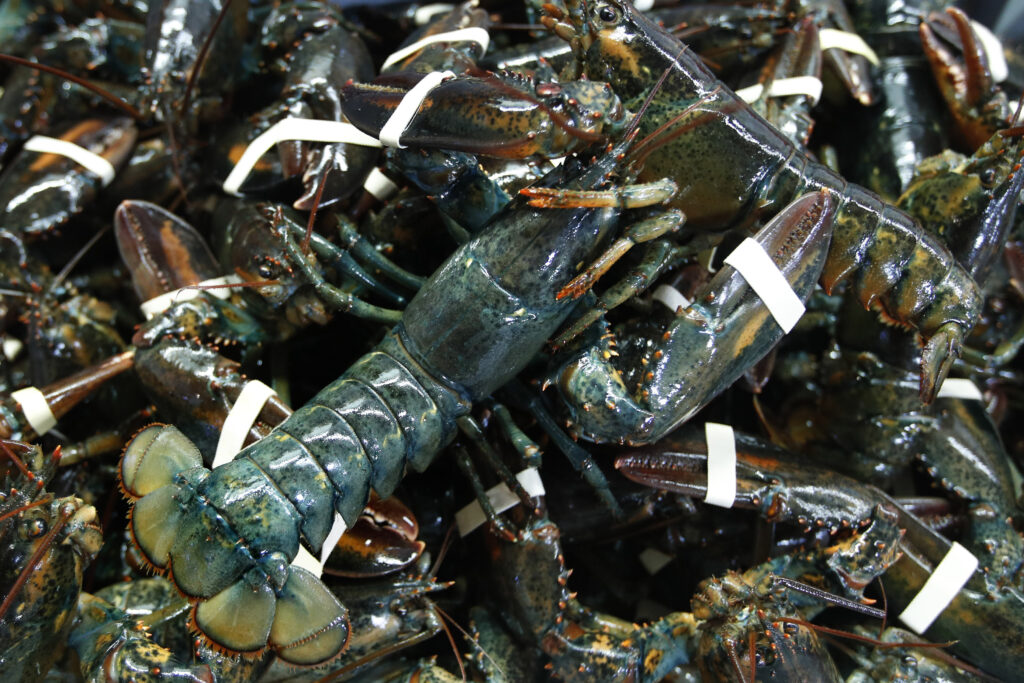
Then, authorities believe, thieves took a shipment of crab Dec. 2, and someone stole $400,000 worth of processed lobster meat 10 days later after both shipments left the same cold-storage warehouse in Taunton, Massachusetts, according to the Boston Globe and the AP.
Dylan Rexing, CEO of Rexing Companies, the broker that arranged the lobster pickup, told the AP that the carrier his group hired was impersonating another company.
“They had a spoofed email address. They changed the name on the side of the truck. They made a fake certified driver’s license. It’s a very sophisticated crime,” he told the AP.
Neither Rexing nor Taunton police responded to phone calls from The Washington Post on Wednesday.
Cargo thefts have surged in the United States and Canada in recent years — with 3,625 reported incidents in 2024 representing a 27 percent increase from 2023, according to cargo theft tracking firm Verisk CargoNet. The estimated value per theft was $202,364 in 2024, up from $187,895 the previous year.
And food is the top target because everyone needs it.
“I can do without virtual-reality headsets. But I can’t do without food,” said Keith Lewis, vice president of operations at Verisk CargoNet.
Food theft is a relatively easy crime to get away with because, unlike electronics, food doesn’t usually carry trackers or barcodes, Lewis said. The seafood thieves probably had a half-dozen or so buyers lined up beforehand and then went door-to-door peddling their cut-rate lobster and crab to restaurants, he said.
It’s hard to bring charges against those restaurant owners.
“I can’t prove he knew it was stolen because there’s no serial number on that lobster,” Lewis said.
He said the use of a fraudulent company, as alleged in the lobster case, appears in about 40 percent of cargo thefts.
Beyond being illegal, Lewis said what worries him about the theft of seafood and other perishable proteins is that there’s no way to ensure they have been held at the correct temperatures. So thieves not concerned with food safety might be sickening patrons.
Cargo thieves also tend to prefer taking food because law enforcement typically doesn’t initiate investigations of perishable goods quickly, and it’s “nearly impossible” to track stolen food items, Adam Blanchard, CEO of Tanager Logistics and Double Diamond Transport in Texas, testified at a Senate subcommittee hearing in February.
Government statistics on cargo theft are hard to come by. Local law enforcement agencies are not required to report the thefts to the FBI, and cargo theft isn’t mentioned as a specific category of theft in the relevant federal statute, Blanchard said. But the American Trucking Association, a 37,000-member transportation trade organization, estimates thieves targeting freight shipments cost the U.S. economy up to $35 billion per year.
Thieves also respond to the demands of the market, Blanchard told Congress. During the coronavirus pandemic, he said, thieves targeted medical supplies and household goods. As egg prices soared in 2025 due in part to an avian flu outbreak, cargo thieves reportedly stole 100,000 eggs.
Experts say cargo thefts are usually the work of organized rings. In 2024, “Operation Beef Bandit” led to the arrest of four Philadelphia men who had allegedly spent years making millions by stealing beef and seafood from parked tractor-trailers as drivers slept.
These kinds of thefts are ultimately going to affect one party more than any other, Lewis said: “It’s going to fall back on the consumers eventually.”
The post Oyster, crab, lobster thieves strike back-to-back in New England appeared first on Washington Post.